Non Hodgkin’s Lymphoma Symptoms: Possible Causes and When to Seek Care

Painless swelling in the neck, armpit, or groin is one of the most recognized non Hodgkin's lymphoma symptoms. Many symptoms are nonspecific and can resemble infections, autoimmune conditions, or other blood disorders.
Key Takeaways
- Painless swelling in the neck, armpit, or groin is one of the most recognized non Hodgkin's lymphoma symptoms.
- Many symptoms are nonspecific and can resemble infections, autoimmune conditions, or other blood disorders.
- So-called “B symptoms” include fever, drenching night sweats, and unexplained weight loss.
- Symptoms may also come from lymphoma in the chest, abdomen, skin, brain, or digestive tract.
- Persistent, unexplained, or worsening symptoms should be assessed by a qualified doctor.
Non Hodgkin's lymphoma symptoms can include painless swollen lymph nodes, persistent tiredness, fever, night sweats, and unexplained weight loss, but symptoms vary widely depending on the subtype and the part of the body affected. Because these signs can also happen with infections and other common conditions, a medical evaluation is the safest way to understand the cause.
Overview: what non Hodgkin's lymphoma symptoms may feel like
Non Hodgkin’s lymphoma symptoms are the body’s signals that lymphocytes, a type of white blood cell, may be growing abnormally. In many people, the first noticeable change is a lymph node that becomes enlarged without significant pain. Common locations include the neck, underarm, and groin, but some people have no obvious lump and instead notice tiredness, fever, or weight loss.
Symptoms are not the same for everyone because non-Hodgkin lymphoma is not a single disease. It is a large group of blood cancers with different growth patterns, from slow-growing forms that cause subtle changes over time to more aggressive forms that lead to symptoms developing more quickly. The pattern often depends on where the lymphoma starts and how much of the body is affected.
Importantly, these symptoms are not specific to lymphoma. Enlarged lymph nodes can happen after common viral illnesses, and fatigue can have many explanations. That is why symptom persistence, progression, and the overall combination of findings matter more than any one symptom alone.
Common symptoms to recognize
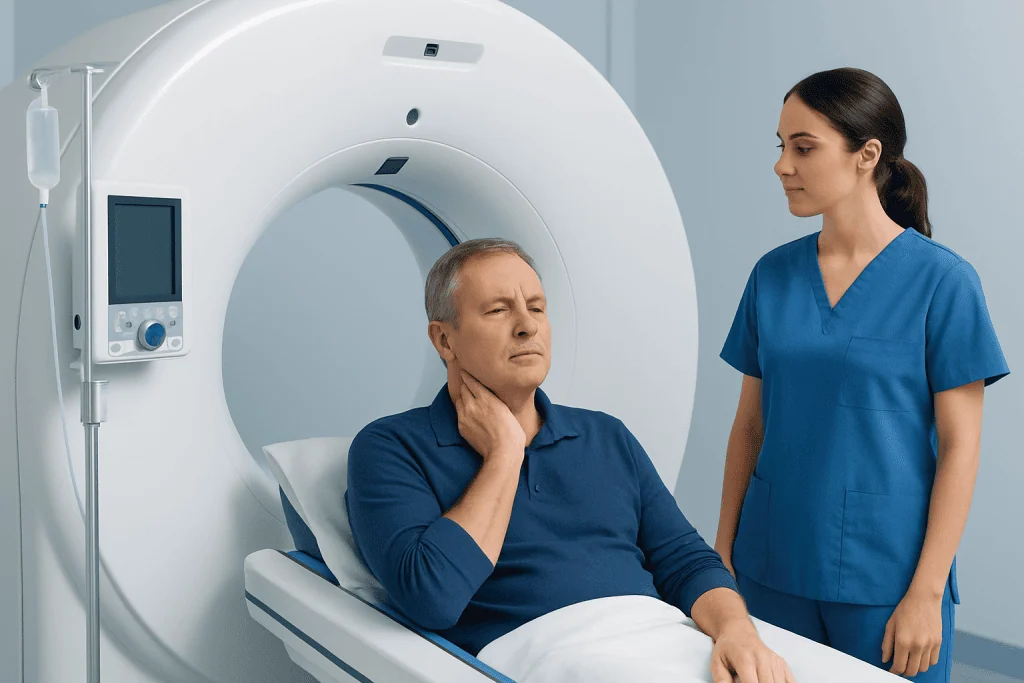
The best-known non Hodgkin’s lymphoma symptoms involve enlarged lymph nodes. These swollen glands are often painless and may feel rubbery or firm. They can appear in the neck, above the collarbone, under the arms, or in the groin. Some lymph nodes enlarge because of infection and then shrink again, but lymphoma-related swelling may persist or continue to grow.
Doctors also look for a group of general symptoms called “B symptoms.” These include unexplained fever, drenching night sweats, and unintentional weight loss. They can suggest that the disease is more active, although they do not by themselves confirm lymphoma.
Other common symptoms can include:
- Ongoing fatigue or low energy not explained by lifestyle or poor sleep
- Loss of appetite
- Itching without a clear rash or allergy trigger
- A feeling of fullness in the abdomen
- Frequent infections in some cases
Some people feel generally unwell for weeks or months before a diagnosis is made. This can make early symptoms easy to dismiss, especially when they come and go or seem mild at first.
How symptoms differ by where the lymphoma is located

Non-Hodgkin lymphoma does not always begin in lymph nodes that can be felt from the outside. If it affects lymph nodes in the chest, symptoms may include a persistent cough, chest discomfort, shortness of breath, or a sense of pressure. These symptoms happen because enlarged nodes can press on nearby airways or other structures.
If lymphoma involves the abdomen, a person may notice bloating, abdominal pain, early fullness when eating, constipation, or swelling. Enlargement of the spleen or liver can also create a feeling of pressure under the ribs. Sometimes abdominal lymph nodes become enlarged without causing obvious pain, which is one reason imaging tests are often important.
Lymphoma can also affect organs outside the lymphatic system. In the skin, it may cause patches, plaques, nodules, or persistent itchy areas. In the digestive tract, it may contribute to nausea, abdominal pain, or altered bowel habits. If the brain or spinal cord is involved, symptoms may include headaches, weakness, confusion, balance problems, or changes in vision. These situations are less common but require prompt medical attention.
Possible causes and risk factors
When people ask about possible causes, it is important to separate symptoms from the underlying reason the disease develops. Non-Hodgkin lymphoma begins when lymphocytes acquire genetic changes that allow them to grow and survive abnormally. In most people, the exact cause of these changes is not known, and the condition is not something a person causes through a single lifestyle choice.
Several factors are associated with a higher risk. These include older age, a weakened immune system, some autoimmune diseases, previous exposure to certain chemotherapy drugs or radiation, and particular infections. Examples include Epstein-Barr virus, hepatitis C, Helicobacter pylori in some stomach lymphomas, and HIV. Having a risk factor does not mean someone will develop lymphoma, and many people diagnosed have no clear risk factor at all.
Because symptoms overlap with many other conditions, doctors also consider other explanations such as bacterial or viral infections, leukemia, autoimmune disease, or benign lymph node enlargement. The purpose of evaluation is not to assume cancer, but to carefully rule in or rule out the most likely causes based on the person’s symptoms, examination, and test results.
How doctors evaluate symptoms and make the diagnosis
A medical evaluation usually begins with a detailed history and physical examination. The doctor asks how long symptoms have been present, whether the swollen nodes are changing, and whether there are fever, night sweats, or weight loss. They also check for enlarged nodes in multiple areas and may examine the abdomen for an enlarged spleen or liver.
Blood tests can help assess blood cell counts, inflammation, organ function, and other possible causes of symptoms. However, blood tests alone cannot diagnose non-Hodgkin lymphoma. Imaging such as MRI or other scans may be used in selected situations to look at internal lymph nodes or organ involvement, though many patients also need CT or PET-based imaging depending on the clinical picture.
The key test for diagnosis is a biopsy. This means removing all or part of an affected lymph node or tissue sample so it can be examined under a microscope and tested in detail. Biopsy results help identify the exact subtype, which is essential because treatment can differ significantly between slow-growing and aggressive forms of lymphoma. In some cases, additional procedures such as a bone marrow biopsy are recommended to understand how far the disease has spread.
Treatment depends on the subtype and stage
Treatment is not based on symptoms alone. It depends on the type of non-Hodgkin lymphoma, how advanced it is, how quickly it is growing, where it is located, and the person’s overall health. Some indolent lymphomas may be monitored carefully for a time if they are not causing problems, while more active disease usually needs treatment sooner.
Common treatment approaches include chemotherapy, targeted therapy, immunotherapy, radiation therapy, or combinations of these. In selected situations, doctors may recommend stem cell transplant as part of treatment planning. Supportive care is also important and may include treatment for infections, symptom relief, nutritional support, and monitoring for side effects.
People often feel more reassured once they understand that the diagnosis process is designed to match treatment to the exact disease subtype. If symptoms suggest lymphoma, referral to a hematology or oncology team helps ensure that biopsy review, staging, and treatment planning are done in a coordinated way.
When to seek medical care
It is reasonable to seek medical care if a lymph node stays enlarged for more than a couple of weeks, continues to grow, or appears without a clear explanation such as a recent infection. A doctor should also assess persistent fatigue, unexplained fevers, drenching night sweats, or unintentional weight loss, especially when these symptoms occur together.
More urgent assessment is appropriate for shortness of breath, chest pressure, severe abdominal swelling or pain, confusion, new neurological symptoms, or rapidly worsening weakness. These symptoms do not always mean lymphoma, but they can signal a problem that should not wait.
People with a history of immune suppression, prior cancer treatment, or known blood disorders should be particularly attentive to persistent symptoms. Near the end of the diagnostic journey, some patients may choose centers with multidisciplinary cancer care; Acibadem International’s specialists in JCI-accredited hospitals diagnose and treat non-Hodgkin lymphoma for international patients.
Self-care while awaiting evaluation
Self-care cannot diagnose or treat lymphoma, but it can help a person monitor symptoms clearly and support general well-being while waiting for medical assessment. Keeping a symptom diary can be useful. Notes about when a swollen node was first noticed, whether fevers are recurring, and whether weight is changing may help the doctor understand the timeline.
It is sensible to avoid repeatedly pressing or checking swollen nodes, as this can make the area sore and more difficult to judge. Staying hydrated, eating regular nutritious meals when possible, and prioritizing rest may help manage fatigue. Over-the-counter medicines should be used carefully and according to label instructions, particularly if fever is present, because they can mask symptoms without addressing the cause.
Most importantly, people should avoid self-diagnosing based on symptoms alone. Many non Hodgkin’s lymphoma symptoms overlap with infections and other common illnesses. A professional evaluation is the safest way to determine whether the cause is temporary and benign or something that needs further investigation.
Frequently asked questions
What is usually the first sign of non-Hodgkin lymphoma?
A painless swollen lymph node in the neck, armpit, or groin is one of the most common early signs. However, some people first notice fatigue, fever, or night sweats rather than a visible lump.
Are non Hodgkin's lymphoma symptoms always obvious?
No. Some forms grow slowly and cause mild or vague symptoms for a long time. Others may be found only after imaging or testing for symptoms such as abdominal discomfort, cough, or unexplained tiredness.
Can swollen lymph nodes mean something other than lymphoma?
Yes. Swollen lymph nodes are often caused by infections, inflammation, or other noncancerous conditions. A node that lasts, enlarges, or appears with fever, weight loss, or night sweats should be assessed by a doctor.
Do all patients with non-Hodgkin lymphoma have fever and night sweats?
No. Fever and drenching night sweats are important symptoms, but not everyone has them. Some people have only enlarged lymph nodes, while others develop symptoms related to the chest, abdomen, skin, or other organs.
How is non-Hodgkin lymphoma confirmed?
A biopsy is needed to confirm the diagnosis and identify the exact subtype. Blood tests and imaging can support the evaluation, but they cannot replace tissue testing.
When should someone worry about persistent fatigue?
Fatigue becomes more concerning when it is ongoing, unexplained, worsening, or associated with other symptoms such as swollen lymph nodes, fever, night sweats, or weight loss. Because fatigue is common and nonspecific, the full symptom pattern matters.
References
- National Cancer Institute
- American Cancer Society
- Leukemia & Lymphoma Society
- World Health Organization
- National Comprehensive Cancer Network
This article is for general information only and is not a substitute for professional medical advice. Please consult a qualified doctor about your individual situation.
Lymphoma in Turkey — costs, top hospitals & a free quote
JCI-accredited · board-certified surgeons · reply within 24h
Add us as a Preferred Source to see more of our trusted health content across Google Search, AI Overviews and Discover.

Medical Oncology Department
Medical treatment of cancer with chemotherapy, immunotherapy and targeted therapies under a multidisciplinary tumor board.
60 specialists in this unit