Non-Surgical Intimacy Treatment: Procedure, Recovery and Results

Non-surgical intimacy treatment is not one procedure; it may include pelvic floor therapy, local medicines, energy-based devices, or selected injections. A medical assessment is important because dryness, pain, urinary leakage, and changes in sexual function can have different causes.
Key Takeaways
- Non-surgical intimacy treatment is not one procedure; it may include pelvic floor therapy, local medicines, energy-based devices, or selected injections.
- A medical assessment is important because dryness, pain, urinary leakage, and changes in sexual function can have different causes.
- Most device-based procedures are performed in an outpatient setting and usually involve little downtime, but results are variable.
- Energy-based vaginal treatments may not be appropriate for everyone, and long-term evidence for some uses remains limited.
- Persistent pain, bleeding, discharge, urinary symptoms, or a new pelvic lump should be assessed by a qualified clinician.
Non-surgical intimacy treatment describes several outpatient approaches intended to support vaginal comfort, sexual wellbeing, or mild urinary symptoms without an operation. The right option depends on the underlying cause, as benefits and evidence vary between treatments and symptoms.
Overview: What Is Non-Surgical Intimacy Treatment?
Non-surgical intimacy treatment is an umbrella term for medical and supportive approaches that aim to improve intimate comfort or function without surgery. Depending on a person’s symptoms and goals, this may include pelvic floor physiotherapy, vaginal moisturizers or prescribed local hormone treatment, counseling, radiofrequency or laser-based treatments, and in selected cases injectable treatments. It is not a single standardized procedure.
People may seek care for vaginal dryness, discomfort during sex, mild stress urinary leakage, a feeling of laxity, reduced sensation, or changes after childbirth or menopause. These symptoms can affect wellbeing and relationships, but they are common and often treatable. A consultation should focus first on identifying the cause rather than choosing a device or procedure immediately.
The strongest treatment plan is individualized. For example, symptoms related to genitourinary syndrome of menopause may respond well to moisturizers, lubricants, and clinician-guided local therapies, while leakage related to weak pelvic floor muscles may benefit from supervised rehabilitation. Non-surgical options can be useful, but they do not replace evaluation for infection, skin conditions, pelvic organ prolapse, or other medical concerns.
How Non-Surgical Intimacy Treatments Work
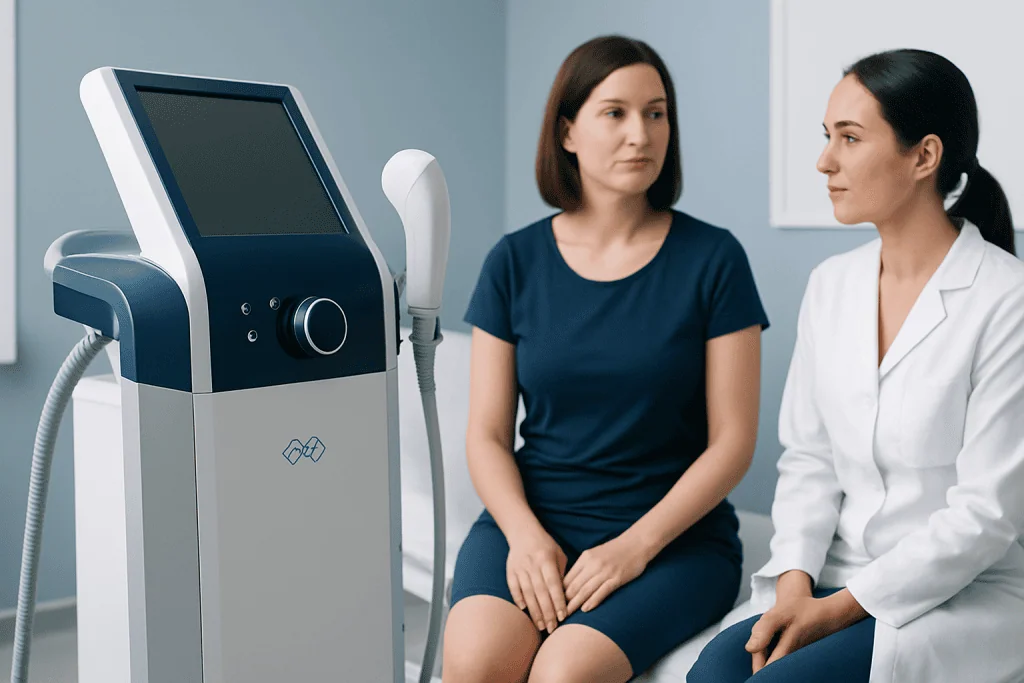
Different treatments work in different ways. Pelvic floor physiotherapy teaches coordination, relaxation, and strengthening of muscles that support the bladder, vagina, and bowel. It may be especially helpful for some forms of urinary leakage, pelvic floor weakness, and pain related to muscle tension. Moisturizers and lubricants reduce friction and dryness, while prescribed local estrogen or other prescription options may help selected people with menopause-related tissue changes.
Energy-based treatments, such as radiofrequency or laser procedures, deliver controlled energy to vaginal or vulvar tissue. The intended effect is gentle heating or stimulation of tissue remodeling. Some clinics offer these procedures for dryness, discomfort, laxity, or mild urinary symptoms. However, response varies, and the quality and amount of evidence differ by device, symptom, and patient group.
In selected circumstances, clinicians may discuss injections designed to improve hydration or tissue quality. These should only be considered after a careful assessment of the indication, product safety, practitioner training, and realistic expectations. No non-surgical treatment should be presented as a guaranteed way to restore a previous appearance, sexual response, or pelvic support.
- Pelvic floor care: targets muscle strength, coordination, and relaxation.
- Local symptom relief: includes moisturizers, lubricants, and prescribed therapies when appropriate.
- Energy-based procedures: may be considered for selected symptoms after informed discussion of evidence and risks.
- Counseling and sexual health support: can address pain, anxiety, communication, and relationship factors that may affect intimacy.
Who May Be a Candidate?

A suitable candidate is someone with a clearly defined concern, realistic expectations, and no untreated condition that requires another type of care. Candidates often include adults experiencing vaginal dryness or irritation after menopause, mild urinary leakage during coughing or exercise, symptoms after childbirth, or discomfort linked to pelvic floor changes. The most appropriate option depends on symptoms, medical history, examination findings, and personal preferences.
Before a procedure, a gynecologist or appropriately trained clinician will usually ask about menstrual and pregnancy history, menopause, medications, urinary and bowel symptoms, sexual pain, prior pelvic surgery, and general health. A pelvic examination may be recommended to look for infection, skin disorders, prolapse, scars, tissue thinning, or other causes of symptoms. Testing may be needed when symptoms suggest infection, bleeding disorders, or bladder conditions.
People may need to postpone or avoid an energy-based or injectable procedure if they are pregnant, have an active vaginal or urinary infection, unexplained bleeding, suspicious lesions, certain implanted devices, significant pelvic prolapse, or a condition that needs specialist management. Those with a history of gynecologic cancer or hormone-sensitive illness should discuss all treatment choices with their specialist team. A clinician can also explain whether symptoms may be better managed through care for genitourinary syndrome of menopause or pelvic rehabilitation.
What Happens During the Procedure?
The details depend on the treatment selected. A consultation comes first, during which the clinician confirms the goals of care, reviews benefits and limitations, explains alternatives, and obtains informed consent. Patients should feel comfortable asking what device or product will be used, what it is intended to treat, how many sessions may be suggested, and what evidence supports its use for their particular symptom.
For a device-based vaginal treatment, the appointment is usually performed in an outpatient clinic. The patient changes into a gown and is positioned for a gynecologic examination. A clinician places a specially designed applicator into the vagina, or uses an external handpiece for vulvar concerns, then delivers controlled energy in a series of brief applications. The session length varies, but the active treatment is commonly short. Some people feel warmth, pressure, or mild tingling.
Local anesthetic is not always needed, although it may be considered for comfort in selected cases. Injectable treatments follow a different process and may involve a topical or local anesthetic. Pelvic floor therapy is noninvasive and typically includes assessment, education, guided exercises, breathing strategies, and a home program. For people exploring procedural care, non-surgical vaginal rejuvenation treatment should be discussed as one possible option within a broader, diagnosis-led plan.
Recovery, Results, Benefits and Risks
Recovery after many non-surgical treatments is brief. Following an energy-based session, some people experience temporary warmth, tenderness, mild swelling, spotting, or watery discharge. A clinician may advise avoiding vaginal intercourse, tampons, swimming, or vigorous exercise for a short period, depending on the treatment and the person’s symptoms. It is important to follow the specific aftercare instructions provided by the treating team.
Results are not immediate for every treatment. Some people notice improved comfort after several weeks, while others may require a course of sessions or gain little benefit. Pelvic floor therapy generally requires regular practice over time. Vaginal dryness can also improve with consistent use of appropriate moisturizers, lubricants, and, when prescribed, local treatments. Results may be influenced by menopause status, pelvic floor function, childbirth history, skin health, and underlying medical conditions.
Potential risks depend on the approach. They may include discomfort, temporary irritation, burns or tissue injury with energy devices, infection, bleeding, scarring, altered sensation, or worsening pain. Serious complications are uncommon but possible. The United States Food and Drug Administration has cautioned that energy-based devices have not been established as safe or effective for all uses marketed as vaginal “rejuvenation,” particularly for sexual function or urinary incontinence. A qualified clinician should provide balanced information about uncertainty as well as potential benefit.
Benefits may include improved comfort, reduced dryness, better confidence with intimacy, or improvement in mild symptoms for some people. However, non-surgical treatment is not a substitute for surgery when there is significant prolapse, severe incontinence, or a structural problem requiring surgical assessment. Decisions should be based on symptoms and clinical findings, not on pressure to meet cosmetic ideals.
Self-Care and Ways to Support Intimate Health
Everyday measures can make an important difference, either alone or alongside medical care. Water- or silicone-based lubricants can reduce friction during sexual activity, and regular vaginal moisturizers may ease dryness for some people. Fragranced washes, douches, and irritating products should generally be avoided, as they can disrupt sensitive vulvovaginal tissue. Gentle external cleansing with water or a mild, unscented product is often sufficient.
Pelvic floor exercises can be helpful when taught correctly, but they are not suitable for every cause of pelvic discomfort. Some people with pain have overactive or tense pelvic floor muscles and may need relaxation-focused therapy rather than strengthening. A pelvic floor physiotherapist can assess this and develop a safe program. Maintaining general fitness, managing constipation, stopping smoking, and treating chronic cough may also reduce strain on the pelvic floor.
Emotional wellbeing, relationship communication, sleep, and medications can all influence sexual comfort and desire. Counseling or sexual health therapy may be useful when symptoms have emotional or relational effects. A clinician can review medicines that may contribute to dryness or reduced arousal and consider whether changes are appropriate. Acibadem International’s multidisciplinary specialists and JCI-accredited hospitals can assess intimate health concerns and coordinate gynecologic, urologic, rehabilitation, and sexual health care for international patients.
When to Seek Medical Care
Medical assessment is recommended before starting any device-based or injectable intimacy treatment, especially when symptoms are new, persistent, or affecting quality of life. A clinician can check for treatable causes and discuss options that best match the person’s health needs. It is also sensible to seek advice if a previous treatment has not helped or symptoms have returned.
Prompt medical care is important for unexplained vaginal bleeding, bleeding after sex, new pelvic or vaginal lumps, fever, severe pelvic pain, foul-smelling discharge, painful urination, blood in the urine, or sudden worsening urinary leakage. These symptoms do not necessarily indicate a serious problem, but they should not be self-treated or attributed automatically to menopause or childbirth.
People with severe pain during sex, marked pelvic pressure, a visible vaginal bulge, recurrent urinary infections, or bothersome incontinence may need more specialized assessment. Depending on the findings, referral to gynecology, urogynecology, urology, dermatology, or pelvic floor rehabilitation may be appropriate. Early, respectful evaluation can help identify the safest and most effective path forward.
Frequently asked questions
Is non-surgical intimacy treatment painful?
Comfort varies according to the treatment and the individual. Device-based procedures may cause warmth, pressure, or mild tingling, while pelvic floor therapy should be adapted to the person’s comfort. Persistent or severe pain during or after treatment should be reported to the clinician.
How long does recovery take after a non-surgical intimacy procedure?
Many people return to usual daily activities on the same day or within a day after an outpatient device-based procedure. Short-term irritation, discharge, tenderness, or spotting can occur. The treating clinician will give individualized guidance about sex, exercise, swimming, and tampon use.
Can non-surgical treatment help urinary leakage?
It may help some people with mild symptoms, particularly when pelvic floor rehabilitation is included. Urinary leakage has several causes, and energy-based devices are not established as effective for every type of incontinence. A medical assessment is needed to identify the most suitable treatment.
Are laser and radiofrequency vaginal treatments safe?
These treatments can have side effects, including irritation, burns, infection, scarring, and pain. Their safety and effectiveness depend on the device, intended use, clinician training, and patient factors, and evidence remains limited for some marketed uses. An informed discussion of alternatives is essential.
How soon will results be noticeable?
Some people notice changes in comfort over several weeks, while others need more than one session or may not experience meaningful improvement. Pelvic floor therapy and local treatments often require consistent use over time. Results cannot be guaranteed.
Can non-surgical intimacy treatment replace surgery?
Not always. Non-surgical care may be appropriate for selected mild symptoms, but it does not correct every structural concern. Significant prolapse, severe incontinence, or certain pelvic conditions may require specialist evaluation and possibly surgery.
References
- American College of Obstetricians and Gynecologists
- U.S. Food and Drug Administration
- The Menopause Society
- National Institute for Health and Care Excellence
- International Urogynecological Association
This article is for general information only and is not a substitute for professional medical advice. Please consult a qualified doctor about your individual situation.
Explore treatments in Turkey — costs, top hospitals & a free quote
JCI-accredited · board-certified surgeons · reply within 24h
Add us as a Preferred Source to see more of our trusted health content across Google Search, AI Overviews and Discover.