Nonalcoholic Fatty Liver Disease: Early Signs, Risk Factors, and When to Get Checked
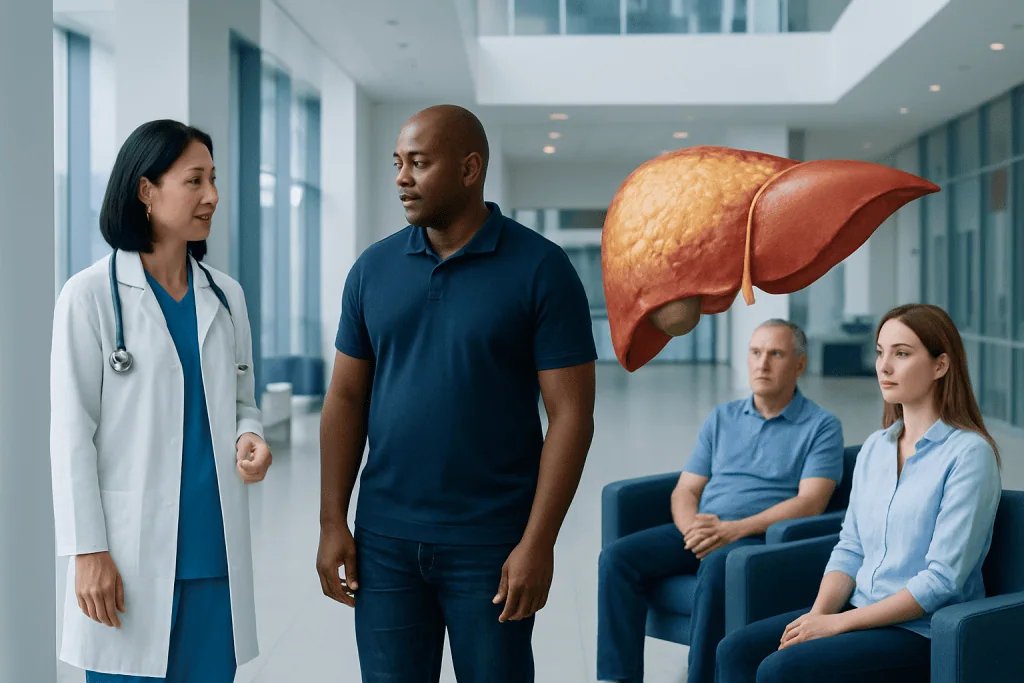
Nonalcoholic fatty liver disease often has no clear symptoms in its early stages. Common risk factors include excess weight, type 2 diabetes, high cholesterol, and metabolic syndrome.
Key Takeaways
- Nonalcoholic fatty liver disease often has no clear symptoms in its early stages.
- Common risk factors include excess weight, type 2 diabetes, high cholesterol, and metabolic syndrome.
- Blood tests and imaging may suggest fatty liver, but a doctor may need additional evaluation to assess inflammation or scarring.
- Weight management, regular exercise, and controlling blood sugar and cholesterol are central to treatment.
- Medical review is important if liver tests are abnormal or if symptoms such as fatigue, abdominal discomfort, or jaundice appear.
Nonalcoholic fatty liver disease is a common condition in which excess fat builds up in the liver in people who drink little or no alcohol. It often causes no symptoms at first, so understanding the risk factors and knowing when to get checked can help protect long-term liver health.
Overview of Nonalcoholic Fatty Liver Disease
Nonalcoholic fatty liver disease, often called NAFLD, happens when extra fat collects in the liver of a person who drinks little or no alcohol. The liver normally contains a small amount of fat, but when fat builds up beyond a healthy level, it can affect how the liver works. NAFLD is now one of the most common liver conditions worldwide, partly because it is closely linked with modern lifestyle and metabolic health.
NAFLD is not always a single-stage problem. Some people have simple fatty liver, where fat is present but there is little or no liver injury. Others develop inflammation and damage in the liver, a more serious form often called nonalcoholic steatohepatitis, or NASH. Over time, ongoing inflammation may lead to scarring, known as fibrosis, and in some cases advanced scarring called cirrhosis.
Because early disease is often silent, many people only learn about it after routine blood tests or an ultrasound for another reason. This can be surprising, especially for those who feel well. Even so, early detection can be very helpful, because lifestyle changes and treatment of related health conditions may slow, stop, or sometimes reverse early liver damage.
Early Signs and Symptoms

One of the most important things to know about nonalcoholic fatty liver disease is that it may not cause obvious symptoms at first. Many people have no pain and no clear warning signs. As a result, the condition is often found incidentally during a health check, evaluation for elevated liver enzymes, or imaging performed for another concern.
When symptoms do occur, they are often mild and nonspecific. A person may notice tiredness, low energy, or a vague sense of discomfort or fullness in the upper right side of the abdomen, where the liver is located. These symptoms can have many causes, so they do not confirm fatty liver on their own, but they can be a reason to speak with a doctor.
If liver disease becomes more advanced, symptoms may become more noticeable. These can include swelling in the abdomen or legs, yellowing of the skin or eyes, easy bruising, or increasing weakness. These signs do not mean that every case is severe, but they do need prompt medical evaluation because they may suggest significant liver injury or another liver condition.
- Early NAFLD may cause no symptoms at all.
- Possible mild symptoms include fatigue and upper right abdominal discomfort.
- Advanced symptoms such as jaundice, swelling, or easy bruising need urgent assessment.
Causes and Risk Factors
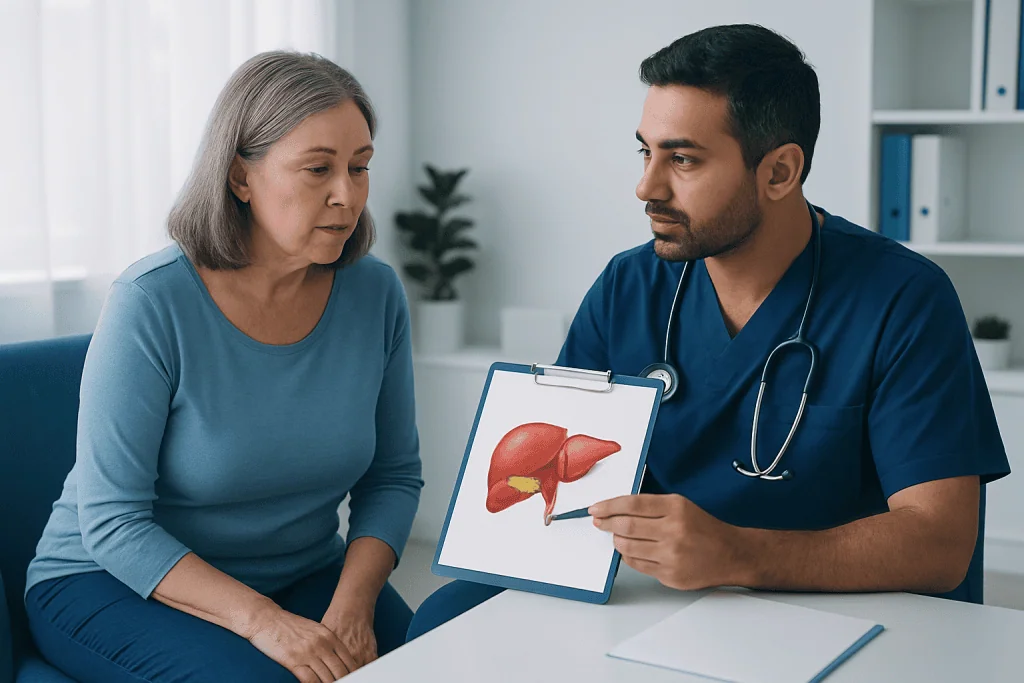
Doctors do not always identify a single cause of nonalcoholic fatty liver disease, but it is strongly associated with the way the body processes and stores energy. NAFLD is especially linked to insulin resistance, a state in which the body’s cells do not respond efficiently to insulin. This can encourage fat to collect in the liver and may also promote inflammation.
Several well-known risk factors increase the chance of developing fatty liver disease. These include overweight and obesity, type 2 diabetes, high cholesterol, high triglycerides, high blood pressure, and metabolic syndrome. A larger waist circumference is also an important clue, because excess abdominal fat is closely tied to liver fat. Some people with a normal body weight can still develop NAFLD, especially if they have insulin resistance or a strong family tendency.
Other factors can contribute as well. These include sleep apnea, polycystic ovary syndrome, hypothyroidism, and certain medications. Diets high in ultra-processed foods and sugary drinks may also play a role. In some patients, fatty liver exists alongside other liver problems that need separate attention, and doctors may consider related conditions such as hepatitis or liver cancer during a full evaluation if symptoms, imaging, or test results raise concern.
When to Get Checked
It is sensible to get checked for nonalcoholic fatty liver disease when risk factors are present, even if there are no symptoms. People with type 2 diabetes, overweight or obesity, high cholesterol, high triglycerides, or high blood pressure may especially benefit from discussing liver health with a doctor. A family history of liver disease or unexplained abnormal liver tests also makes evaluation more important.
A medical review is also appropriate if a person has ongoing fatigue, persistent discomfort in the upper right abdomen, or imaging that unexpectedly shows fatty changes in the liver. Sometimes liver enzyme levels are elevated on routine blood work, but this does not happen in every case. Normal liver tests do not always rule out fatty liver or even more advanced disease, so the overall clinical picture matters.
Prompt assessment is especially important if signs of possible advanced liver disease appear. These include jaundice, abdominal swelling, leg swelling, confusion, vomiting blood, or black stools. While these symptoms can have different causes, they should be treated as a reason for urgent medical care rather than self-diagnosis.
How Doctors Diagnose Fatty Liver Disease
Diagnosis usually begins with a medical history and physical examination. The doctor may ask about alcohol intake, body weight, diet, exercise, medications, diabetes, cholesterol levels, and family history. Because several liver conditions can look similar at first, careful questioning helps guide the next steps and avoids overlooking another cause of liver injury.
Blood tests often include liver enzymes and tests to look for viral, autoimmune, or metabolic causes of liver disease. Imaging tests such as ultrasound can show fat in the liver and are commonly used as a first step. In some cases, more detailed imaging or liver stiffness assessment may be helpful to look for scarring. Depending on the situation, doctors may use MRI or ultrasound as part of the evaluation.
Not everyone with fatty liver needs invasive testing. However, if there is concern about significant inflammation or fibrosis, a specialist may recommend additional tools to assess severity. In selected cases, a liver biopsy may still be the most accurate way to distinguish simple fat buildup from more active liver injury. Care is individualized, and the goal is to understand not only whether fat is present, but whether the liver has been harmed.
Treatment Options and Long-Term Management
The main treatment for nonalcoholic fatty liver disease focuses on improving the underlying metabolic factors that drive it. For many patients, gradual weight loss through healthier eating and regular physical activity is the foundation of care. Even a modest reduction in body weight may improve liver fat and inflammation. Sudden or extreme dieting is generally not recommended, so changes should be realistic and sustainable.
Doctors also work to control associated conditions such as diabetes, high cholesterol, and high blood pressure. This may involve medication adjustments, nutritional counseling, and ongoing monitoring. There is no single treatment plan that fits everyone, and care often involves a team that may include a gastroenterologist, hepatologist, endocrinologist, dietitian, and primary care physician.
In people with severe obesity or difficult-to-control metabolic disease, more intensive options may sometimes be discussed. For selected patients, structured weight management programs or bariatric surgery can be part of a broader plan to reduce health risks. If there is concern about advanced liver damage, specialist follow-up is important to monitor complications and guide treatment decisions.
Prevention, Self-Care, and When Medical Support Helps
Many of the same habits that support general health can also help prevent or improve nonalcoholic fatty liver disease. A balanced eating pattern rich in vegetables, fruit, whole grains, legumes, lean protein, and healthy fats is often recommended. Reducing sugary beverages, excess refined carbohydrates, and heavily processed foods may be especially helpful. Regular physical activity supports weight control, insulin sensitivity, and heart health as well as liver health.
Self-care also includes managing related conditions consistently. Keeping blood sugar, cholesterol, and blood pressure within target ranges can reduce strain on the liver. It is also wise to review medications and supplements with a doctor, because some products may affect the liver. People should avoid assuming that all “natural” remedies are safe, as herbal products can sometimes cause liver injury.
Ongoing follow-up matters because fatty liver disease can change over time. A doctor may recommend repeat blood tests or imaging to track progress and reassess risk. Near the end of the care pathway, some patients may benefit from specialist input at centers experienced in liver and metabolic disease. Acibadem International’s multidisciplinary specialists and JCI-accredited hospitals diagnose and treat liver conditions for international patients, including evaluation with check-up programs when appropriate.
Frequently asked questions
Is nonalcoholic fatty liver disease serious?
It can be, but many people have early-stage fatty liver without severe liver damage. The main concern is that some cases progress to inflammation, scarring, or cirrhosis over time. Early evaluation and lifestyle changes can make a meaningful difference.
Can a person have fatty liver disease without symptoms?
Yes. In fact, many people with nonalcoholic fatty liver disease feel completely well, especially in the early stages. That is why the condition is often found during routine blood tests or imaging done for another reason.
Who is most at risk for NAFLD?
People with type 2 diabetes, overweight or obesity, high cholesterol, high triglycerides, or high blood pressure are at higher risk. It is also more common in people with metabolic syndrome, insulin resistance, or excess abdominal fat.
Can nonalcoholic fatty liver disease be reversed?
Early fatty liver can often improve, and in some cases liver fat may decrease substantially with sustained lifestyle changes. Weight management, regular exercise, and control of diabetes and cholesterol are especially important. More advanced scarring is harder to reverse, which is why early care matters.
How is fatty liver disease detected?
Doctors usually start with a medical history, physical exam, and blood tests. Imaging such as ultrasound may show fat in the liver, and further tests may be used to estimate inflammation or scarring. A liver biopsy is only needed in selected cases.
When should someone see a doctor about possible fatty liver?
A doctor should be consulted if liver enzymes are abnormal, risk factors such as diabetes or obesity are present, or imaging suggests fatty liver. Medical attention is also important for symptoms like ongoing fatigue, right upper abdominal discomfort, jaundice, swelling, or easy bruising.
References
- World Health Organization
- American Association for the Study of Liver Diseases
- National Institute of Diabetes and Digestive and Kidney Diseases
- European Association for the Study of the Liver
- Centers for Disease Control and Prevention
This article is for general information only and is not a substitute for professional medical advice. Please consult a qualified doctor about your individual situation.
Liver Disease in Turkey — costs, top hospitals & a free quote
JCI-accredited · board-certified surgeons · reply within 24h
Add us as a Preferred Source to see more of our trusted health content across Google Search, AI Overviews and Discover.
Check your numbers in seconds
BMI, calories, due date, blood pressure and 30+ more clinical calculators — free, instant, doctor-reviewed ranges.

Gastroenterology
Diagnosis and treatment of the digestive system and liver, with advanced endoscopy.
46 specialists in this unit