Normal Body Temp — Explained by Medical Evidence, Not Myths

Normal body temp is best understood as a range, not a fixed number. A reading near 98.6°F (37°C) is common, but slightly lower or higher can still be normal.
Key Takeaways
- Normal body temp is best understood as a range, not a fixed number.
- A reading near 98.6°F (37°C) is common, but slightly lower or higher can still be normal.
- Temperature varies by measurement method, including oral, ear, forehead, rectal, and armpit readings.
- Fever is generally considered 100.4°F (38°C) or higher when measured appropriately.
- Symptoms, underlying health conditions, and the overall pattern matter more than a single number alone.
Normal body temp is not one exact number for everyone. In most healthy people, body temperature falls within a range and changes naturally with age, activity, time of day, and the way it is measured.
Overview: What normal body temp really means
Normal body temp is usually described as 98.6°F (37°C), but medical evidence shows that healthy body temperature is better understood as a range rather than one exact number. For many adults, a temperature roughly between 97°F and 99°F (36.1°C to 37.2°C) can be normal, depending on the person and how the temperature is taken.
This matters because temperature is not static. It rises and falls through the day, tends to be lower in the morning and higher in the late afternoon or evening, and can change with exercise, meals, hormonal shifts, clothing, and room temperature. A single reading outside 98.6°F does not automatically mean illness.
Body temperature reflects how the body balances heat production and heat loss. The brain, especially the hypothalamus, helps regulate this process. When infection, inflammation, environmental exposure, or other factors affect that balance, temperature may increase or decrease.
Understanding normal body temp can help people interpret home thermometer readings more accurately and avoid common myths. The number itself is only one part of the picture; age, symptoms, health history, and the measurement method all help explain what a reading means.
What temperature range is considered normal?
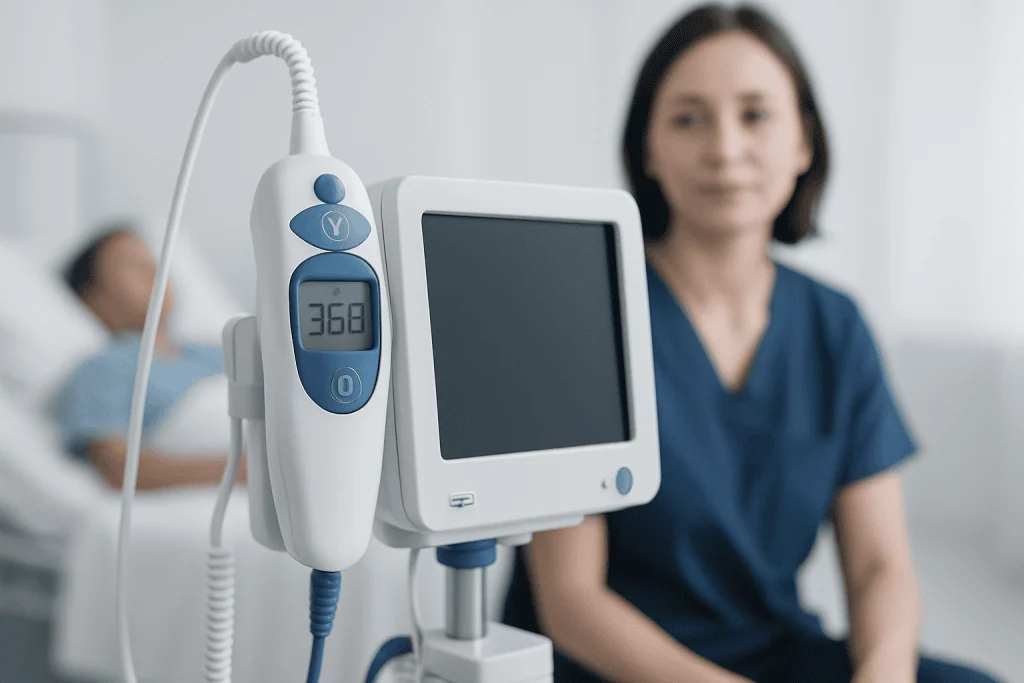
A healthy temperature range can vary across individuals. While 98.6°F (37°C) remains a useful reference point, many healthy adults normally measure a little below or above that number. In practice, clinicians look at both the absolute reading and whether it is different from the person’s usual baseline.
Several factors can shift a normal reading without indicating disease. Older adults may have a slightly lower baseline temperature. Children often show more variation. Menstrual cycles and ovulation can raise temperature slightly. Physical activity, hot weather, warm drinks, and heavy blankets can also affect the result for a short time.
Different body sites produce different readings, so the “normal” range depends partly on where the temperature is measured. Rectal readings are often a bit higher than oral readings, while armpit readings are often lower. Forehead and ear measurements can be useful, but they must be taken correctly to be reliable.
- Oral: often used in older children and adults
- Rectal: often closest to core body temperature, especially in infants
- Axillary (armpit): convenient, but may be less precise
- Tympanic (ear): quick, but technique matters
- Temporal artery (forehead): easy to use, but affected by environment and positioning
Why body temperature changes during the day

Body temperature follows a natural daily rhythm known as a circadian pattern. It is typically lowest in the early morning and gradually rises later in the day. Because of this, the same person can have a normal reading at one time and a slightly higher normal reading a few hours later.
Hormones also play an important role. In people who menstruate, body temperature may rise slightly after ovulation. Stress, emotional state, and sleep can influence temperature regulation as well. Infants and older adults may regulate body temperature less efficiently than healthy younger adults.
Environmental conditions matter too. Hot weather, dehydration, or intense exercise can raise body temperature even without infection. Cold exposure may lower skin temperature and affect some thermometer readings. These normal shifts are one reason doctors do not diagnose fever or other problems based on a number alone.
If someone regularly checks temperature at home, it is often more helpful to compare readings taken under similar conditions than to focus on a single isolated value. Knowing a usual personal range can make future readings easier to interpret.
How to measure temperature accurately
Correct technique is essential when checking temperature. An inaccurate reading can lead to unnecessary worry or, in some cases, missed illness. Before measuring, it helps to rest for a few minutes and avoid hot or cold drinks, smoking, or exercise if using an oral thermometer.
Digital thermometers are widely used and generally reliable when used as directed. Oral readings should be taken with the thermometer placed correctly under the tongue. Ear thermometers must be positioned properly in the ear canal. Forehead devices should be used according to the manufacturer’s instructions, because distance and placement can affect results.
Rectal temperature may be recommended in infants or when a very accurate core reading is needed. Armpit measurements are easy and noninvasive, but they can be less precise and may underestimate true body temperature. If a reading seems inconsistent with how the person feels, repeating it with correct technique or using another validated method can help.
- Use the same thermometer when possible for follow-up checks.
- Measure at the same body site for comparison.
- Wait after bathing, exercise, or hot/cold drinks before checking.
- Follow the device instructions carefully.
- Clean the thermometer as recommended after each use.
When a temperature may suggest fever or another problem
In many settings, fever is defined as a body temperature of 100.4°F (38°C) or higher when measured appropriately. However, fever is not the only important temperature-related concern. A temperature that is lower than usual, especially in older adults, can also signal infection or other medical problems.
Symptoms are often more important than the number alone. Chills, sweating, body aches, fatigue, confusion, shortness of breath, severe headache, rash, or signs of dehydration may suggest a more significant illness. Persistent fever or repeated temperature changes deserve medical attention, especially in infants, older adults, pregnant individuals, or people with chronic disease or weakened immune systems.
Not all elevated temperatures are caused by infection. Heat-related illness, medication effects, inflammatory conditions, and endocrine disorders can also change body temperature. Likewise, a severe infection may sometimes occur without a high fever, particularly in older adults or people with impaired immune responses.
If fever is accompanied by cough, chest discomfort, or breathing difficulty, clinicians may evaluate for infections and other conditions affecting the lungs, including pneumonia. In some cases, imaging such as a chest X-ray or more advanced testing like a CT scan may help identify the cause.
Common myths about normal body temp
One of the most common myths is that 98.6°F is the only normal temperature. In reality, it is an average reference value, not a strict cutoff. Many healthy people have a baseline slightly lower or higher than this number.
Another myth is that any temperature under 100.4°F means there is no illness. Some infections and inflammatory conditions may cause only mild temperature elevation, especially early on. In older adults, serious illness can be present even when temperature rises only a little above usual baseline.
It is also incorrect to assume that all thermometers give the same result. Readings differ by body site and device type, and consumer thermometers vary in quality. For this reason, comparing one armpit reading with a previous rectal or oral reading may be misleading.
Finally, fever itself is not always harmful. It is often part of the body’s response to infection. The decision to seek care should be guided by the overall condition, symptoms, age, and duration of illness rather than fear of the number alone.
What to do at home and when to seek medical care
For mild temperature changes without serious symptoms, simple home care may be enough. Rest, adequate fluids, light clothing, and checking temperature correctly can help. If there are signs of a viral illness, monitoring for changes over the next day or two is often reasonable, unless a doctor has advised otherwise.
Medical care should be sought promptly for infants with concerning temperatures, high fever that persists, repeated fever with worsening symptoms, breathing difficulty, confusion, severe weakness, dehydration, seizure, stiff neck, chest pain, or a widespread rash. People receiving chemotherapy, transplant medicines, or other immune-suppressing treatments should contact a clinician early if they develop fever.
Professional evaluation may include a physical examination and targeted tests based on symptoms. Depending on the situation, doctors may recommend blood tests, urine tests, or imaging such as an MRI scan or other studies to look for inflammation, infection, or complications. If there are signs of severe systemic infection, clinicians may also evaluate for sepsis, which requires urgent care.
Near the end of the care pathway, some people benefit from specialist assessment when temperature changes are recurrent, unexplained, or linked to chronic illness. Acibadem International’s multidisciplinary specialists and JCI-accredited hospitals diagnose and treat temperature-related conditions for international patients when further evaluation is needed.
Frequently asked questions
Is 98.6°F the only normal body temperature?
No. 98.6°F is a traditional average, but normal body temp varies from person to person. A slightly lower or higher reading can still be healthy, especially if the person feels well and the reading is consistent with their usual pattern.
What is generally considered a fever?
A fever is commonly defined as 100.4°F (38°C) or higher when measured appropriately. The exact meaning of a reading depends on age, symptoms, the measurement method, and whether the temperature remains elevated.
Why is my temperature different in the morning and evening?
Body temperature naturally changes during the day because of circadian rhythm. It is usually lower in the morning and a bit higher later in the day, even in healthy people.
Which thermometer method is most accurate?
Rectal measurement is often closest to core body temperature, especially in infants. In older children and adults, oral digital thermometers are commonly reliable when used correctly, while ear and forehead methods can also be useful with proper technique.
Can someone be sick without having a high fever?
Yes. Some infections and other illnesses cause only a mild temperature rise, and some people, especially older adults or those with weakened immune systems, may not develop a high fever at all. Symptoms and overall condition are often more informative than one number.
When should a low temperature be concerning?
A low reading may be concerning if it is clearly below the person's normal baseline or occurs with confusion, weakness, shivering, or signs of illness. In older adults, an unusually low or only slightly elevated temperature can sometimes be a sign of infection or another medical problem.
This article is for general information only and is not a substitute for professional medical advice. Please consult a qualified doctor about your individual situation.
Explore treatments in Turkey — costs, top hospitals & a free quote
JCI-accredited · board-certified surgeons · reply within 24h
Add us as a Preferred Source to see more of our trusted health content across Google Search, AI Overviews and Discover.
Check your numbers in seconds
BMI, calories, due date, blood pressure and 30+ more clinical calculators — free, instant, doctor-reviewed ranges.

More from the Health Library

Baroreceptors: An Evidence-Based Guide for Patients

Urethral Stricture: A Complete Medical Overview

Emgality: What Patients Need to Know

Basal Ganglia: A Complete Medical Overview

Cryptosporidium: What Patients Need to Know