Norovirus: Sudden Vomiting, Diarrhea, and How to Avoid Spreading It

Norovirus is a very contagious cause of acute gastroenteritis, often leading to sudden vomiting and diarrhea. Symptoms usually begin 12 to 48 hours after exposure and often improve within 1 to 3 days.
Key Takeaways
- Norovirus is a very contagious cause of acute gastroenteritis, often leading to sudden vomiting and diarrhea.
- Symptoms usually begin 12 to 48 hours after exposure and often improve within 1 to 3 days.
- Treatment is mainly supportive, with hydration as the most important step.
- Handwashing with soap and water and careful surface disinfection help prevent transmission.
- Young children, older adults, and people with weakened immune systems may need closer medical attention.
Norovirus is a highly contagious virus that commonly causes sudden vomiting, diarrhea, nausea, and stomach cramps. Most people recover within a few days, but careful hydration and good hygiene are important to prevent complications and reduce spread.
Overview
Norovirus is one of the most common causes of acute gastroenteritis, an infection that irritates the stomach and intestines. It can cause sudden vomiting, watery diarrhea, nausea, and abdominal cramping. Because it spreads easily from person to person, norovirus is well known for causing outbreaks in households, schools, hospitals, care homes, restaurants, and cruise ships.
The illness often begins quickly, sometimes within hours, and many people feel quite unwell at first. Even so, norovirus is usually short-lived. Most otherwise healthy adults and children recover fully within 1 to 3 days, although tiredness and mild stomach discomfort can last a little longer.
Norovirus is sometimes referred to as the “stomach flu,” but it is not related to influenza, which affects the respiratory system. It is also different from many bacterial causes of food poisoning. Knowing the likely symptoms, how the virus spreads, and what supportive care helps most can make recovery safer and reduce transmission to others.
Symptoms of Norovirus
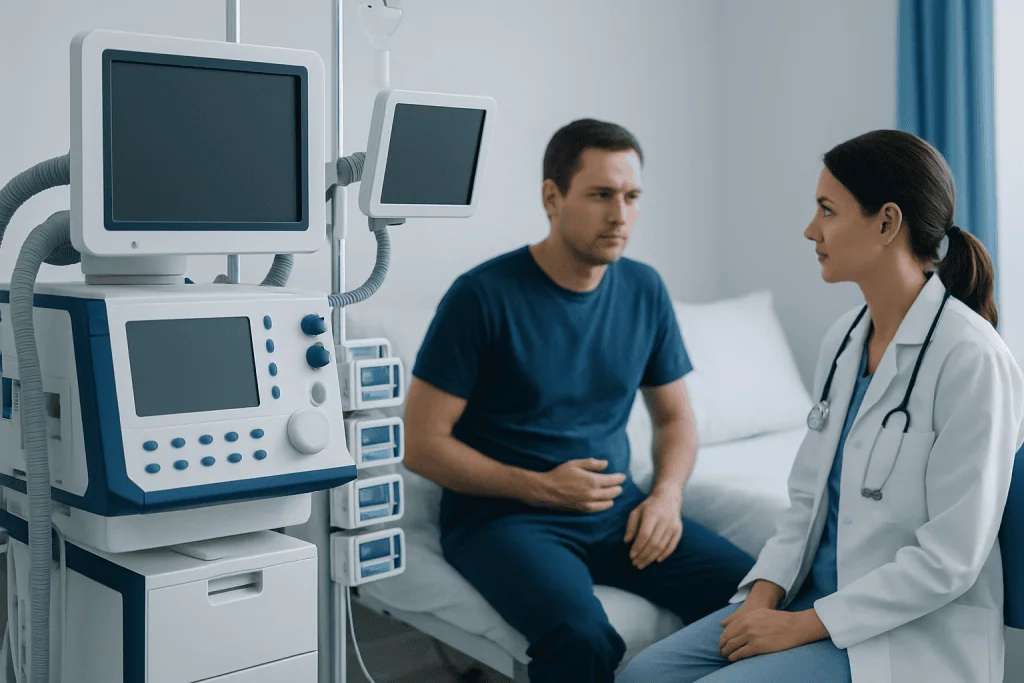
Symptoms usually begin 12 to 48 hours after exposure to the virus. The most common signs are sudden nausea, vomiting, watery diarrhea, and stomach cramps. Some people mainly vomit, while others mainly have diarrhea. Children may vomit more often than adults.
Other symptoms can include low-grade fever, headache, muscle aches, chills, and fatigue. These symptoms can make the illness feel intense, especially in the first day. In many cases, vomiting settles before diarrhea fully improves.
Common symptoms include:
- Sudden onset of nausea
- Vomiting
- Watery, non-bloody diarrhea
- Abdominal cramping
- Low fever or chills
- Headache and body aches
- Tiredness and weakness
One of the main concerns is dehydration, which can develop when the body loses too much fluid through vomiting and diarrhea. Warning signs include dry mouth, feeling unusually thirsty, dizziness, reduced urination, dark urine, lethargy, or crying with few tears in children. Infants, older adults, and people with chronic illnesses can become dehydrated more quickly than healthy adults.
How Norovirus Spreads and Who Is at Risk

Norovirus spreads very easily. A person can become infected by eating contaminated food, drinking contaminated water, touching contaminated surfaces and then touching the mouth, or having close contact with someone who is ill. The virus can also spread when tiny particles from vomit contaminate nearby surfaces.
People with norovirus are usually most contagious while they have symptoms and during the first few days after recovery. However, the virus can still be present in stool for longer. Because only a small amount of virus may be enough to cause infection, outbreaks can be difficult to control without strict hygiene measures.
Risk is higher in crowded or shared environments and in situations involving close personal contact. Groups that may need extra caution include:
- Young children
- Older adults
- People living in care facilities or dormitories
- Healthcare workers and caregivers
- Food handlers
- People with weakened immune systems
Norovirus can affect anyone, and previous infection does not always provide lasting protection. This means a person may get norovirus more than once in their lifetime, sometimes from a different strain of the virus.
Diagnosis
Doctors often diagnose norovirus based on symptoms, the short incubation period, and the sudden pattern of illness in a household, school, or community setting. In many mild cases, laboratory testing is not needed because treatment is mainly supportive and symptoms usually improve quickly.
Testing may be considered during outbreaks, in people with severe illness, in hospitalized patients, or when another cause needs to be ruled out. Stool tests can identify norovirus in some situations. A clinician may also ask about recent travel, food exposures, sick contacts, and the timing of vomiting or diarrhea.
Because other conditions can cause similar symptoms, medical evaluation becomes more important if there is high fever, severe abdominal pain, blood in the stool, signs of dehydration, or symptoms lasting longer than expected. Doctors may also consider other infections or digestive conditions, including gastroenteritis, depending on the clinical picture.
Treatment Options
There is no specific antiviral treatment that cures norovirus in most routine cases. The main treatment is supportive care, especially replacing lost fluids. Small, frequent sips of water, oral rehydration solutions, clear soups, or other appropriate fluids can help prevent dehydration. After vomiting eases, simple foods may be reintroduced gradually as tolerated.
Rest is also important. Many people feel weak and tired during the illness, and recovery is easier when they avoid strenuous activity. Some patients may need medical guidance about anti-nausea medicines or other symptom relief, especially if vomiting makes it difficult to drink enough fluids.
Medical care may be needed if dehydration becomes significant. In that setting, doctors may assess the need for intravenous fluid therapy or hospital-based supportive treatment. If symptoms are severe or there is uncertainty about the cause, further evaluation with gastroenterology care may be appropriate.
Antibiotics do not treat norovirus because it is caused by a virus, not bacteria. It is also important to be cautious with over-the-counter anti-diarrheal medicines, particularly in children or when the diagnosis is unclear. A qualified doctor can advise what is suitable for the individual situation.
Prevention and Self-care at Home
Preventing spread is one of the most important parts of managing norovirus. Hands should be washed thoroughly with soap and water, especially after using the toilet, changing diapers, and before preparing or eating food. Alcohol-based hand sanitizers may help in some settings, but they should not replace proper handwashing for norovirus.
At home, anyone who is ill should stay away from preparing food for others if possible. Contaminated surfaces should be cleaned promptly, particularly bathrooms, toilets, sinks, and areas exposed to vomit or stool. Laundry that may be contaminated should be handled carefully and washed thoroughly.
Helpful prevention steps include:
- Wash hands well with soap and water
- Clean and disinfect contaminated surfaces
- Wash fruits and vegetables before eating
- Cook shellfish thoroughly
- Avoid sharing towels, utensils, or cups during illness
- Stay home from work, school, or childcare while symptoms are active and for a period after recovery according to local public health advice
For self-care, the focus should remain on hydration and gentle nutrition. People often tolerate bland, simple foods better at first. Sugary drinks, large heavy meals, and alcohol can worsen symptoms in some individuals. If a person cannot keep fluids down, feels faint, or becomes unusually sleepy, medical advice is important.
When to See a Doctor
Most cases of norovirus improve without complications, but some situations need medical attention. A doctor should be contacted if there are signs of dehydration, persistent vomiting, diarrhea that does not begin to improve after a few days, or symptoms in a baby, older adult, pregnant person, or someone with a weakened immune system.
Urgent medical assessment is also appropriate if there is blood in the stool, severe or localized abdominal pain, high fever, confusion, fainting, or very little urination. These features can suggest dehydration or another condition that needs prompt care.
If symptoms are unusually severe or the diagnosis is uncertain, clinicians may recommend further evaluation, supportive treatment, or hospital care. Near the end of the care pathway, patients may also seek specialist support at centers such as Acibadem International, where multidisciplinary specialists in JCI-accredited hospitals diagnose and treat infectious and digestive illnesses for international patients.
Frequently asked questions
How long does norovirus usually last?
Norovirus symptoms usually last 1 to 3 days. Some people may feel tired or have a sensitive stomach for a short time after the main symptoms improve. Recovery can take longer in young children, older adults, or people with other health problems.
Is norovirus the same as food poisoning?
Norovirus is one common cause of what people call food poisoning, but not all food poisoning is norovirus. Food-related illness can also be caused by bacteria, toxins, or other viruses. Because symptoms can overlap, a doctor may consider several possible causes.
Can someone catch norovirus more than once?
Yes. Immunity after infection is not always long-lasting, and different strains of norovirus exist. This means a person can become infected again in the future.
What should a person eat or drink with norovirus?
The priority is replacing fluids. Small, frequent sips of water or oral rehydration solutions are often easiest to tolerate, especially after vomiting. When appetite returns, simple foods such as toast, rice, bananas, soup, or crackers may be introduced gradually.
When is a person with norovirus contagious?
A person is most contagious while symptoms are active and during the first few days after recovery. However, the virus can remain in stool for longer, so careful hygiene is still important after the person feels better. Handwashing and surface cleaning help reduce spread.
Does hand sanitizer kill norovirus?
Hand sanitizer may reduce some germs, but soap and water are generally preferred for norovirus. Thorough handwashing is especially important after using the toilet, cleaning up vomit, changing diapers, and before eating or preparing food.
References
- World Health Organization
- Centers for Disease Control and Prevention
- National Health Service
- Mayo Clinic
- European Centre for Disease Prevention and Control
This article is for general information only and is not a substitute for professional medical advice. Please consult a qualified doctor about your individual situation.
Persistent digestive symptoms? Get evaluated in Turkey
JCI-accredited · board-certified surgeons · reply within 24h
Add us as a Preferred Source to see more of our trusted health content across Google Search, AI Overviews and Discover.