Nose Pores — Explained by Medical Evidence, Not Myths

Nose pores are a normal part of healthy skin and do not open and close like doors. Pores on the nose often look more visible because the area naturally has more oil glands.
Key Takeaways
- Nose pores are a normal part of healthy skin and do not open and close like doors.
- Pores on the nose often look more visible because the area naturally has more oil glands.
- Sebaceous filaments and blackheads are different, though both can make nose pores stand out.
- Gentle cleansing, sunscreen, and evidence-based skincare may help reduce the appearance of nose pores.
- Persistent redness, pain, swelling, or acne-like lesions should be assessed by a qualified clinician.
Nose pores are normal openings in the skin that release oil and sweat. They cannot be permanently closed, but their appearance can often be improved by addressing oil buildup, blackheads, sun damage, and irritation rather than following common online myths.
Overview: what nose pores really are
Nose pores are small openings in the skin connected to hair follicles and oil glands. They help move sebum, the skin’s natural oil, to the surface, where it supports the skin barrier. In other words, pores are not a flaw to eliminate; they are part of normal skin structure and function.
The reason nose pores often attract attention is simple: the nose tends to have a high concentration of sebaceous glands. This makes the area more prone to oiliness, visible pore openings, sebaceous filaments, and blackheads. As a result, pores on the nose may appear larger or more noticeable than pores on the cheeks.
Medical evidence does not support many popular claims about nose pores. Pores do not “open” with steam and “close” with cold water. They also cannot be erased permanently by scrubs, suction devices, or one-time treatments. What usually changes is not the pore itself, but how visible it looks depending on oil production, clogging, skin texture, and sun-related changes.
Why nose pores can look larger or darker
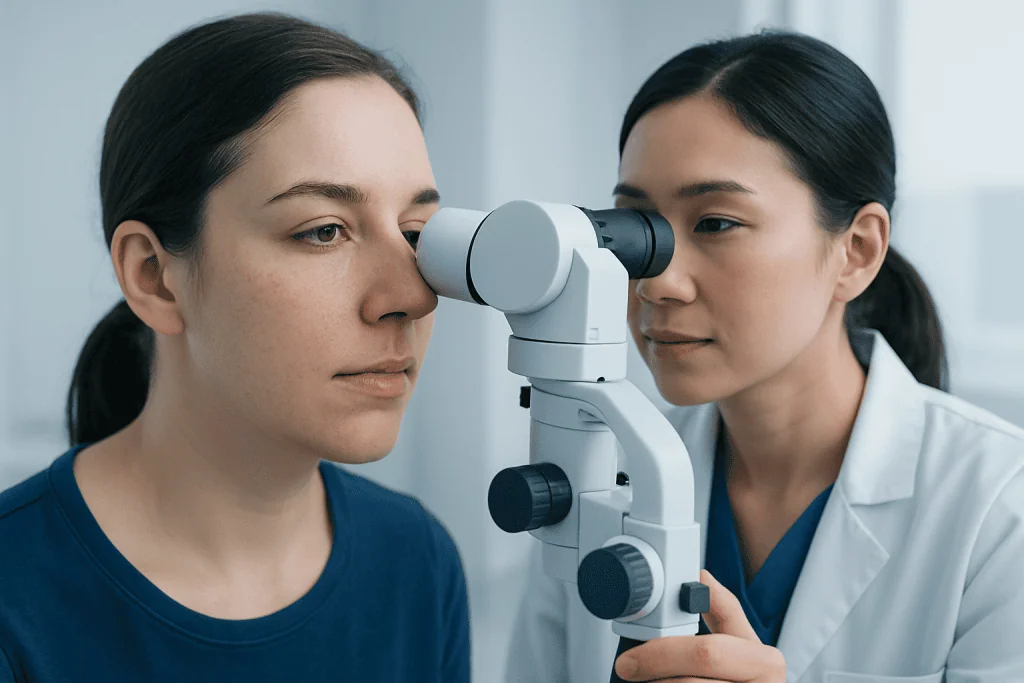
Several factors can make nose pores seem enlarged. Excess sebum can collect inside the follicle opening and stretch it slightly, making the opening more visible. Dead skin cells can mix with oil and create plugs, and surrounding skin may also lose firmness with age and sun exposure, which can make pores stand out more clearly.
Sebaceous filaments are a common reason people notice nose pores. These are normal, tube-like collections of oil and skin cells that line the inside of the pore. They often appear as tiny gray, yellow, or skin-colored dots on the nose. Unlike blackheads, they are not a form of acne and usually return even after extraction because they are part of the skin’s normal oil flow.
Blackheads, by contrast, are clogged pores in which trapped material oxidizes at the surface and turns dark. They may coexist with visible pores and can make the nose look congested. People with oily or acne-prone skin may also have related concerns such as acne, which can further affect texture and pore appearance.
- Higher natural oil production
- Dead skin buildup
- Blackheads or acne
- Sun damage and reduced skin elasticity
- Genetics and skin type
- Use of irritating or pore-clogging products
Common myths about nose pores

A frequent myth is that pores can be opened and closed at will. In reality, pores do not contain muscles that open and shut like a valve. Warm water or steam may soften oil and debris temporarily, making cleansing easier, while cool water may briefly reduce the look of surface swelling. Neither permanently changes pore size.
Another myth is that stronger scrubbing always gives better results. Harsh exfoliation can irritate the skin, disrupt the skin barrier, and stimulate more visible redness or oiliness. This may leave pores looking worse rather than better, especially on sensitive skin.
It is also common to assume that every dark dot on the nose is a blackhead. Many of these dots are actually sebaceous filaments, which are normal and tend to refill after squeezing. Repeated squeezing or aggressive pore strips can lead to irritation, broken capillaries, post-inflammatory marks, or worsening texture over time.
Finally, many people believe pore visibility always reflects poor hygiene. This is not true. Pore size and visibility are influenced by genetics, hormones, age, and oil gland activity as much as by skincare habits.
Skin conditions that may affect the nose area
Sometimes visible nose pores are part of a broader skin issue rather than a cosmetic concern alone. Acne can cause blackheads, whiteheads, inflamed bumps, and lingering texture changes. In these situations, focusing only on pore appearance may miss the underlying condition that needs treatment.
Redness and bumps around the center of the face may suggest rosacea, a chronic inflammatory skin condition that can affect the nose and cheeks. Rosacea does not cause enlarged pores in the same way acne does, but it can change the texture and look of the skin, and harsh home treatments may make it worse.
Less commonly, persistent thickening of the skin on the nose can be associated with a subtype of rosacea called rhinophyma. This requires medical evaluation because it is not the same as everyday visible pores. A dermatologist or other qualified clinician can help distinguish between normal pore prominence, blackheads, acne, rosacea, and other skin disorders.
What can help reduce the appearance of nose pores
The most helpful approach is usually consistent, gentle skincare rather than frequent aggressive treatments. A mild cleanser used regularly can remove surface oil, sunscreen, and debris without stripping the skin. Non-comedogenic moisturizers are also useful because well-hydrated skin often tolerates active ingredients better and may look smoother overall.
Some over-the-counter ingredients may help. Salicylic acid can penetrate oily follicles and reduce buildup. Retinoids may support cell turnover and improve the look of clogged pores and fine texture over time. Niacinamide may help with oil control and barrier support in some people. Because tolerance varies, it is generally best to introduce one new product at a time and use it as directed.
Daily sunscreen is especially important. Ultraviolet exposure contributes to collagen breakdown and loss of skin firmness, which can make pores appear more obvious. Broad-spectrum sun protection helps preserve overall skin quality and may support the benefits of other treatments.
For people with more persistent concerns, professional care may be useful. Depending on the skin type and diagnosis, a clinician may discuss options such as chemical peels or laser treatment to improve texture and pore visibility. These treatments should be selected after an individualized assessment rather than copied from online trends.
Habits that may make nose pores look worse
Over-cleansing, repeated squeezing, and frequent use of abrasive scrubs can all worsen the appearance of pores by irritating the skin. When the skin barrier becomes inflamed, it may look shinier, redder, or rougher, drawing more attention to the nose area. Mechanical trauma can also increase the risk of post-inflammatory discoloration.
Heavy or comedogenic cosmetics and skincare products may contribute to blackheads in some people. Not every oily-feeling product clogs pores, but products labeled non-comedogenic are often a sensible choice for acne-prone or oily skin. Removing makeup and sunscreen at the end of the day also helps limit buildup.
DIY methods promoted online deserve caution. Strong acid combinations, lemon juice, toothpaste, glue masks, or forceful vacuum devices can irritate or damage the skin. A safer plan is to use evidence-based products consistently and seek medical advice if concerns continue.
- Avoid picking or squeezing the nose
- Do not overuse pore strips
- Limit harsh scrubs and strong alcohol-based products
- Choose non-comedogenic skincare and cosmetics
- Wear sunscreen regularly
When to seek medical care
Visible nose pores alone are usually not a medical problem. However, a person should consider professional advice if the nose area is persistently painful, swollen, red, bleeding, crusting, or developing frequent acne lesions. These features can suggest inflammation, infection, rosacea, or another condition that deserves a proper diagnosis.
Medical care is also reasonable when self-care has not helped after several weeks, when irritation develops from skincare products, or when the skin texture changes noticeably over time. A dermatologist or other skin specialist can recommend a diagnosis-based treatment plan rather than trial-and-error routines.
Near the end of the care pathway, some people may benefit from procedural options such as specialist dermatology care for persistent blackheads, acne, or texture concerns. Acibadem International’s multidisciplinary specialists and JCI-accredited hospitals diagnose and treat skin conditions for international patients when further evaluation is needed.
Frequently asked questions
Can nose pores be permanently closed?
No. Nose pores are normal openings in the skin and cannot be permanently closed. Treatments can reduce how visible they look, but they do not remove pores altogether.
Why are pores on the nose more visible than on other parts of the face?
The nose usually has more active oil glands than many other facial areas. This means more sebum, more sebaceous filaments, and a greater tendency for blackheads, all of which can make pores stand out.
Are sebaceous filaments the same as blackheads?
No. Sebaceous filaments are a normal lining of oil and dead skin within the pore, while blackheads are clogged pores that darken at the surface. Sebaceous filaments often return quickly after extraction because they are part of normal skin function.
Do pore strips help nose pores?
Pore strips can remove some surface debris temporarily, so the nose may look clearer for a short time. However, they do not change pore size and can irritate sensitive skin if used too often.
What ingredients may help with the appearance of nose pores?
Ingredients such as salicylic acid, retinoids, and niacinamide may help some people by reducing clogging, improving turnover, or supporting oil balance. Because skin can react differently, it is wise to introduce products gradually and seek advice if irritation occurs.
When should a person see a doctor about nose pores?
A doctor should be consulted if there is persistent redness, pain, swelling, bleeding, crusting, or frequent acne-like breakouts. Medical advice is also helpful when home skincare has not improved the concern or when another skin condition may be present.
This article is for general information only and is not a substitute for professional medical advice. Please consult a qualified doctor about your individual situation.
Explore treatments in Turkey — costs, top hospitals & a free quote
JCI-accredited · board-certified surgeons · reply within 24h
Add us as a Preferred Source to see more of our trusted health content across Google Search, AI Overviews and Discover.

More from the Health Library

Prime Energy Drink — Explained by Medical Evidence, Not Myths

Paraxanthine: An Evidence-Based Guide for Patients

Chair Dips — Explained by Medical Evidence, Not Myths

Perinatologist — Explained by Medical Evidence, Not Myths

Coolest Facts About the Skeletal System: What Patients Need to Know