Numbness and Tingle in Feet: Possible Causes and When to Seek Care

Numbness and tingling in the feet are symptoms, not a diagnosis, and may involve nerves, blood flow, or metabolic causes. Common reasons include pressure on a nerve, peripheral neuropathy, diabetes, vitamin B12 deficiency, alcohol use, and back-related nerve irritation.
Key Takeaways
- Numbness and tingling in the feet are symptoms, not a diagnosis, and may involve nerves, blood flow, or metabolic causes.
- Common reasons include pressure on a nerve, peripheral neuropathy, diabetes, vitamin B12 deficiency, alcohol use, and back-related nerve irritation.
- Warning signs include sudden onset, one-sided weakness, trouble walking, severe pain, or foot wounds that are slow to heal.
- Diagnosis may involve a physical exam, blood tests, nerve studies, and sometimes imaging depending on the pattern of symptoms.
- Treatment focuses on the underlying cause and may include blood sugar management, vitamin replacement, physical therapy, footwear changes, or nerve-focused care.
Numbness and tingle in feet can happen for many reasons, from temporary pressure on a nerve to ongoing conditions such as diabetes, vitamin deficiencies, or circulation problems. Brief episodes may be harmless, but symptoms that persist, worsen, or come with weakness, pain, or balance problems should be assessed by a doctor.
Overview: what numbness and tingling in the feet can mean
Numbness and tingle in feet usually means that the nerves supplying sensation are irritated, compressed, or not working normally. Some people describe it as pins and needles, burning, buzzing, or a feeling that the foot has “fallen asleep.” In other cases, the feet may feel less sensitive to touch, temperature, or pain.
These symptoms are common and do not always signal a serious illness. Sitting cross-legged for too long, wearing tight shoes, or putting pressure on a nerve can cause temporary tingling that goes away quickly. However, symptoms that return often, affect both feet, or continue over time may point to an underlying medical condition that needs evaluation.
A practical way to think about this symptom is to ask three questions: how long it lasts, whether it affects one or both feet, and whether there are other symptoms such as pain, weakness, back pain, balance problems, or skin color changes. The pattern can help doctors decide whether the cause is more likely to be nerve-related, circulation-related, or linked to a general health condition.
How the symptoms may feel
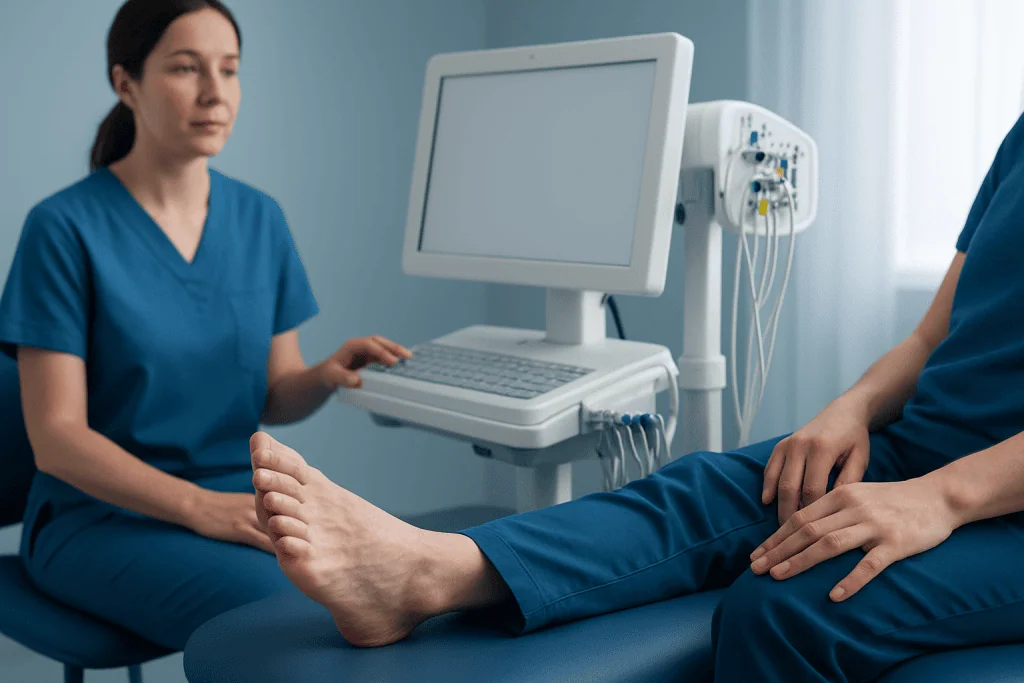
Numbness and tingling do not feel the same for everyone. Some people notice mild pins and needles after standing or sitting in one position, while others feel constant burning, electric-shock sensations, or reduced feeling in the toes and soles. The symptom may begin in the toes and slowly move upward, or it may affect one specific area of the foot.
Associated symptoms can provide important clues. A person with nerve irritation from the lower back may also have pain shooting down the leg. Someone with peripheral nerve damage may notice burning pain at night, increased sensitivity to touch, or trouble sensing the floor when walking. If circulation is involved, the foot may feel cold, pale, or painful with activity.
Symptoms that deserve special attention include:
- Persistent numbness that lasts days or weeks
- Symptoms in both feet that gradually spread upward
- Weakness, foot drop, or frequent tripping
- Loss of balance or falls
- Burning pain, especially at night
- Foot sores, color changes, or reduced ability to feel injuries
Common causes and risk factors

One of the most common explanations for numbness and tingle in feet is nerve compression or irritation. This can happen temporarily from posture or pressure, or more persistently from spinal conditions that affect the nerves traveling to the legs. Lower back problems such as a herniated disc may cause tingling, numbness, or pain that radiates into one leg and foot. In some people, this relates to sciatica, especially when symptoms follow a line from the lower back or buttock down the leg.
Another major cause is peripheral neuropathy, a broad term for damage to the peripheral nerves. Diabetes is one of the best-known reasons for this and may lead to gradual numbness, burning, or reduced sensation in both feet. Other contributors include vitamin deficiencies, especially vitamin B12, alcohol misuse, kidney disease, thyroid disorders, some infections, autoimmune conditions, and certain medicines. People who already have diabetes should mention new foot symptoms early, because reduced sensation can increase the risk of unnoticed injuries.
Circulatory problems can also play a role. Poor blood flow to the legs and feet may cause heaviness, cramping, cool skin, or color changes along with altered sensation. In addition, foot structure issues, injuries, repetitive strain, or nerve entrapment around the ankle may produce tingling in a more localized area. Risk factors overall include older age, diabetes, smoking, excess alcohol use, obesity, nutritional deficiencies, and a history of back or nerve disorders.
Less obvious causes people may overlook
Not all cases come from diabetes or a pinched nerve. Sometimes foot tingling is linked to lifestyle or general health issues that are easy to miss. Long periods of standing, high-impact exercise, poorly fitting footwear, and repetitive ankle or foot movement can irritate nerves. Cold exposure may also temporarily reduce sensation and make the feet feel numb or prickly.
Vitamin and mineral problems are another overlooked category. Low vitamin B12, folate, or other nutritional deficiencies can affect nerve health, particularly in people with restrictive diets, digestive absorption problems, or previous stomach surgery. Some medications, including certain chemotherapy drugs and other nerve-affecting treatments, may contribute as well.
Anxiety and hyperventilation can sometimes cause tingling sensations too, though they do not usually cause true loss of feeling in a consistent foot pattern. Because there are many possibilities, persistent or unexplained symptoms are best interpreted in context rather than self-diagnosed from a single symptom alone.
How doctors diagnose the cause
Evaluation begins with a detailed history and physical examination. A doctor will usually ask when the symptoms started, whether they affect one or both feet, what makes them better or worse, and whether there is pain, weakness, balance difficulty, back symptoms, or changes in bladder or bowel function. The exam may include testing reflexes, muscle strength, skin sensation, vibration sense, and circulation in the feet and legs.
Blood tests are often used to look for common underlying causes such as diabetes or prediabetes, vitamin deficiencies, thyroid problems, kidney disease, or markers of inflammation. If nerve damage is suspected, nerve conduction studies and electromyography may help show how well the nerves and muscles are functioning. These tests can support a diagnosis such as peripheral neuropathy or help distinguish it from nerve root compression coming from the spine.
Imaging is not needed for everyone, but it may be recommended when back pain, one-sided leg symptoms, trauma, or neurologic deficits suggest a spinal cause. In that setting, doctors may consider imaging and, when appropriate, MRI scanning to look for disc disease or other structural problems. If circulation problems are suspected, vascular studies may be used to assess blood flow.
Treatment options and day-to-day management
Treatment depends on the cause rather than the symptom alone. If the problem comes from temporary pressure on a nerve, changing position, stretching, and wearing roomier shoes may be enough. When an underlying condition is found, treatment focuses on addressing it directly. Examples include improving blood sugar control in diabetes, replacing a vitamin deficiency, reviewing medications, reducing alcohol intake, or treating a thyroid or kidney disorder.
Nerve-related symptoms may improve with a combination of medical care and rehabilitation. If a spinal or musculoskeletal issue is contributing, doctors may recommend posture changes, activity modification, and physical therapy and rehabilitation to support strength, mobility, and balance. When foot structure or footwear is part of the problem, supportive shoes and pressure relief can make a meaningful difference.
Foot care is especially important when sensation is reduced. People should check their feet daily for cuts, blisters, redness, swelling, or pressure areas they may not feel. Washing and drying the feet carefully, avoiding barefoot walking, trimming nails safely, and seeking help for any wound that does not heal are simple but important self-care steps. For persistent or unexplained symptoms, referral to neurology evaluation may help clarify the diagnosis and guide treatment.
When to seek medical care
Prompt medical care is important if numbness and tingling start suddenly, especially if they occur with facial drooping, arm weakness, trouble speaking, severe headache, or dizziness, because these can be emergency symptoms. Urgent assessment is also needed for sudden numbness after an injury, rapid worsening weakness, new bladder or bowel problems, or inability to walk safely.
Non-emergency medical review is recommended if the symptoms last more than a few days, keep coming back, affect both feet, or are associated with burning pain, balance trouble, back pain, color changes, or sores that do not heal. People with diabetes should not ignore even mild new numbness in the feet, because changes in sensation can increase the risk of unnoticed injuries and infection.
Near the end of the care pathway, some patients may need coordinated input from neurologists, endocrinologists, rehabilitation specialists, or vascular experts, depending on the cause. Acibadem International’s multidisciplinary specialists and JCI-accredited hospitals diagnose and treat nerve, spine, metabolic, and circulation-related causes of foot numbness for international patients.
Frequently asked questions
Is numbness and tingling in the feet always caused by diabetes?
No. Diabetes is a common cause, but numbness and tingling in the feet can also come from nerve compression, vitamin deficiencies, alcohol use, back problems, thyroid disease, kidney disease, or circulation issues. A medical evaluation helps identify the actual cause.
Can sitting or sleeping in a certain position make the feet tingle?
Yes. Temporary pressure on a nerve or reduced blood flow from posture can cause a foot to feel numb or full of pins and needles. This usually improves within minutes after changing position and moving the foot.
When is tingling in the feet considered serious?
It should be taken more seriously if it is persistent, worsening, or accompanied by weakness, severe pain, falls, or trouble walking. Sudden numbness with speech changes, facial drooping, or one-sided weakness needs emergency care.
How do doctors test for the cause of numb feet?
Doctors usually begin with a history, physical examination, and blood tests to look for common causes such as diabetes or vitamin deficiency. Depending on the pattern of symptoms, they may also order nerve conduction studies, electromyography, or imaging.
Can vitamin deficiency cause numbness in the feet?
Yes. Low vitamin B12 and some other nutritional deficiencies can affect nerve function and lead to numbness or tingling. Treatment depends on confirming the deficiency and correcting the underlying reason it developed.
What can a person do at home while waiting for a medical visit?
It can help to avoid tight shoes, change positions regularly, limit alcohol, and check the feet daily for cuts or blisters. Home care should not replace medical assessment if symptoms are ongoing, painful, or associated with weakness or wounds.
References
- National Institute of Neurological Disorders and Stroke
- National Institute of Diabetes and Digestive and Kidney Diseases
- American Diabetes Association
- Mayo Clinic
- National Health Service
This article is for general information only and is not a substitute for professional medical advice. Please consult a qualified doctor about your individual situation.
Explore treatments in Turkey — costs, top hospitals & a free quote
JCI-accredited · board-certified surgeons · reply within 24h
Add us as a Preferred Source to see more of our trusted health content across Google Search, AI Overviews and Discover.

More from the Health Library



Related Specialists

Dr. Seda Erdoğdu
Radiation Oncology
Prof. Dr. Sevgi Şahin
Internal Medicine
Dr. Sevim Buzkan Ertuğrul
Acibadem Life Clinical Service
Prof. Dr. Çınar Başekim
Radiology