Obstetrics Explained: Pregnancy Care From First Visit to Delivery

Obstetrics covers prenatal care, monitoring during pregnancy, labor and delivery, and postpartum follow-up. Regular prenatal visits help track the health of both the pregnant person and the developing baby.
Key Takeaways
- Obstetrics covers prenatal care, monitoring during pregnancy, labor and delivery, and postpartum follow-up.
- Regular prenatal visits help track the health of both the pregnant person and the developing baby.
- Tests and scans are used to confirm pregnancy progress, estimate due date, and identify possible concerns early.
- Birth planning includes discussing vaginal birth, cesarean delivery, pain relief options, and emergency preparedness.
- Healthy daily habits, vaccinations, and timely medical advice can support a safer pregnancy.
Obstetrics is the area of medicine focused on pregnancy, childbirth, and care after delivery. Understanding how pregnancy care works can help expectant parents feel more prepared, supported, and confident from the first prenatal visit through birth.
Overview: What Obstetrics Means
Obstetrics is the medical specialty that cares for people during pregnancy, labor, childbirth, and the weeks after delivery. An obstetrician is a doctor trained to monitor the health of the pregnant person and baby, recognize changes that may need treatment, and guide decisions about delivery. In many pregnancies, care may also involve midwives, family physicians, nurses, anesthesiologists, neonatologists, and other specialists working together.
Pregnancy care usually begins soon after a positive pregnancy test and continues until after birth. The first goals are to confirm the pregnancy, estimate the due date, review medical history, and look for any factors that could affect the pregnancy. From there, routine prenatal visits help track growth and development, support healthy habits, and identify concerns early when they are often easier to manage.
Obstetric care is not only about medical testing. It also includes education, emotional support, and planning. Common topics include nutrition, exercise, medications, vaccinations, work and travel, common pregnancy symptoms, and what to expect during labor. Questions about previous pregnancy complications, fertility history, or conditions such as high-risk pregnancy may also shape the care plan.
The First Prenatal Visit and Ongoing Checkups
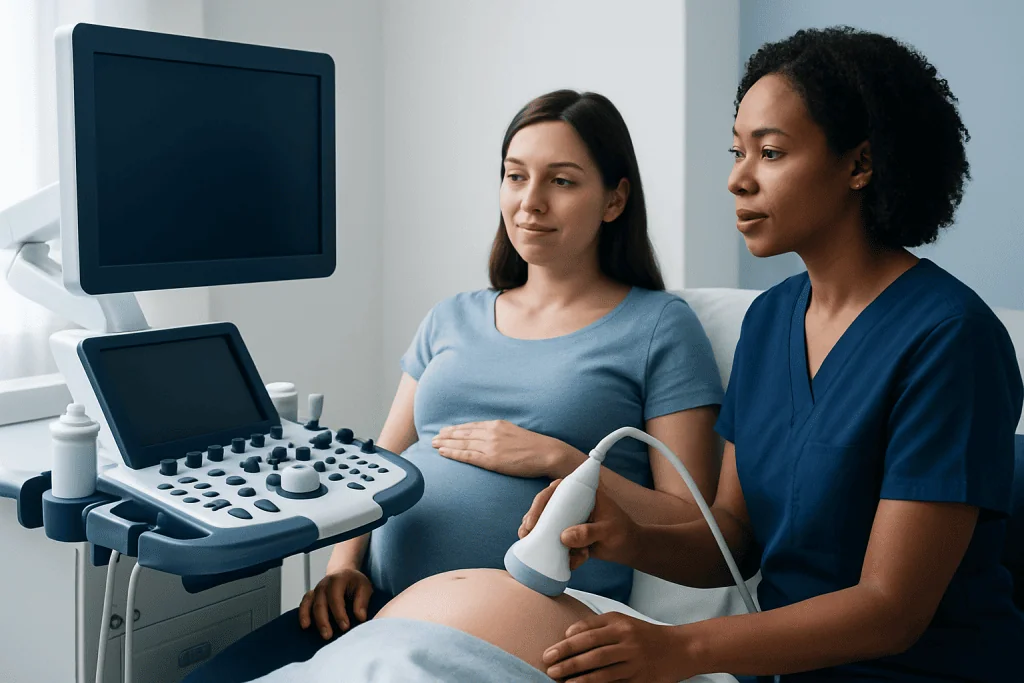
The first prenatal appointment is often one of the longest because it lays the foundation for the months ahead. The clinician typically asks about menstrual dates, previous pregnancies, medical conditions, surgeries, medications, allergies, and family history. Blood pressure, weight, and a physical examination may be done, and early blood and urine tests are commonly ordered.
Dating the pregnancy accurately is important because it helps guide testing, monitor growth, and plan delivery. A due date may be estimated from the last menstrual period and confirmed with ultrasound, especially in early pregnancy. During this stage, the care team may explain warning signs to watch for, such as heavy bleeding, severe pain, or fainting, and discuss lifestyle adjustments that support a healthy pregnancy.
Prenatal visits usually become more frequent as the pregnancy progresses. At routine appointments, the clinician may check blood pressure, weight, urine, the baby’s growth, and fetal heart activity when appropriate. These visits are also a chance to discuss symptoms such as nausea, heartburn, swelling, back pain, sleep changes, or emotional stress.
For some patients, pregnancy care includes more specialized monitoring. This may happen if there is a multiple pregnancy, diabetes, high blood pressure, a history of preterm birth, bleeding, or concerns about fetal growth. In such cases, extra scans or specialist follow-up may be recommended to support safer care throughout the pregnancy.
Common Pregnancy Symptoms and What Is Usually Normal

Pregnancy brings many physical and emotional changes, and many of them are normal. Early symptoms can include missed periods, breast tenderness, fatigue, nausea, vomiting, bloating, and frequent urination. Later in pregnancy, it is common to notice back discomfort, leg cramps, shortness of breath with exertion, constipation, heartburn, and mild swelling in the feet or ankles.
The baby’s movements are another important part of pregnancy awareness. Many people begin to notice movement during the second trimester, though timing varies. As pregnancy advances, understanding the baby’s usual pattern of movement can be reassuring, and any clear decrease should be discussed promptly with a healthcare professional.
Some symptoms need more urgent assessment because they may suggest a complication rather than a routine change. Examples include vaginal bleeding, severe abdominal pain, severe headache, visual changes, fever, fluid leaking from the vagina, painful urination, chest pain, sudden swelling of the face or hands, or reduced fetal movement. These signs do not always mean something serious is happening, but they do deserve timely medical advice.
Emotional symptoms matter too. Mood changes, worries about birth, changes in sleep, or feeling overwhelmed can occur at any stage of pregnancy. Talking openly during prenatal visits can help the care team offer reassurance, practical strategies, or referral for additional support if needed.
Tests, Scans, and How Pregnancy Is Monitored
Testing during pregnancy is designed to monitor health, identify risks, and guide decisions. Blood tests may check blood group, anemia, immunity to certain infections, blood sugar, and other routine health markers. Urine tests may help detect infection, sugar, or protein. Depending on individual circumstances and local guidelines, screening for genetic or chromosomal conditions may also be discussed.
Ultrasound scans are a central part of obstetric care. An early scan may confirm that the pregnancy is in the uterus, estimate gestational age, and check whether there is one baby or more. A later anatomy scan usually looks at fetal development in more detail, while growth scans may be arranged if there are concerns about size, amniotic fluid, placenta location, or other findings.
Additional monitoring may be recommended if there are maternal or fetal concerns. This can include blood pressure tracking, tests for gestational diabetes, cervical assessment, fetal heart monitoring, or non-stress testing later in pregnancy. If a condition such as preeclampsia or gestational diabetes is suspected, care often becomes more individualized and may involve several specialists.
It is natural to feel anxious about tests, especially if a result is unclear or an extra scan is needed. In many cases, follow-up testing is done to clarify a finding rather than confirm a problem. Patients are encouraged to ask what each test is for, what the results may mean, and what the next step would be if anything unusual is found.
Labor, Delivery, and Birth Planning
As the due date approaches, obstetric care focuses more closely on labor and delivery planning. Discussions often include where the birth will take place, who will be present, what pain relief options are available, and what to expect if labor starts naturally or if induction becomes necessary. A birth plan can be helpful, but it is best seen as a flexible guide because labor does not always follow a predictable path.
Labor may begin with regular contractions, rupture of membranes, or both. During labor, the healthcare team monitors the progress of cervical dilation, the baby’s well-being, and the mother’s condition. Supportive care can include movement, hydration, breathing techniques, and pain relief options ranging from non-medication methods to epidural anesthesia, depending on preference and medical needs.
Many pregnancies end in vaginal birth, but some require assisted vaginal delivery or cesarean birth. A cesarean may be planned in advance or recommended during labor if there are concerns such as fetal distress, placenta problems, labor not progressing, or a medical issue affecting safety. When medically indicated, cesarean section can be an important and safe way to deliver a baby.
In some pregnancies, labor needs to start before it begins on its own. This may happen if the pregnancy continues well beyond the due date or if a maternal or fetal condition makes earlier delivery safer. In these situations, the obstetric team may discuss labor induction and explain its benefits, limits, and possible alternatives in a clear, individualized way.
Postpartum Care After Delivery
Obstetric care continues after birth, even though many people expect medical attention to decrease right away. The hours and days following delivery are important for monitoring bleeding, blood pressure, pain, bladder function, recovery from stitches or surgery, and early signs of infection. The baby is also assessed for feeding, temperature, breathing, and general well-being.
Recovery varies widely depending on whether the birth was vaginal or cesarean, whether there were complications, and how the new parent is feeling physically and emotionally. Vaginal bleeding, uterine cramping, fatigue, and breast changes are common in the early postpartum period. If breastfeeding is planned, support with positioning, latch, milk supply, and common challenges can make the first days easier.
Mental health is an important part of postpartum care. Mood changes are common, especially in the first week, but persistent sadness, anxiety, panic, hopelessness, or difficulty bonding with the baby should be discussed with a clinician. Postpartum emotional difficulties are treatable, and early support can make a meaningful difference.
Follow-up after delivery may include conversations about healing, family planning, sexual health, sleep, exercise, and chronic conditions that need ongoing care. If surgery was part of the birth experience, some patients may also benefit from guidance related to postpartum care and incision recovery, mobility, and pain management.
Healthy Habits, Prevention, and Self-care During Pregnancy
While not every pregnancy complication can be prevented, healthy daily habits can support overall well-being. Prenatal vitamins containing folic acid are commonly recommended before conception and during early pregnancy. Balanced meals, adequate fluids, regular gentle activity, and enough rest can help with energy levels, digestion, circulation, and sleep quality.
Medication safety is another key part of self-care. Even common over-the-counter products, herbal supplements, or prescription medicines may need review during pregnancy. Patients should speak with a qualified clinician before starting, stopping, or changing any medicine, and they should avoid smoking, alcohol, and non-prescribed substances.
Vaccinations may also be recommended during pregnancy to protect both parent and baby. Depending on timing and local guidance, this can include vaccines such as influenza or whooping cough protection. Preventive care may also involve managing long-term conditions carefully, attending all scheduled visits, and following advice about blood sugar, blood pressure, or weight gain if needed.
Practical self-care matters too. Comfortable movement, support garments, sleep positioning, pelvic floor awareness, and stress reduction strategies can all help. Near the end of pregnancy, preparing a hospital bag, arranging transport, learning the signs of labor, and knowing whom to call can make the delivery period feel more organized and less stressful.
When to See a Doctor and Getting the Right Support
Routine prenatal care is important even when a pregnancy feels normal. A doctor or midwife should also be contacted sooner if there is heavy bleeding, strong or persistent abdominal pain, fever, painful contractions before term, fluid leakage, severe vomiting, severe headache, or concerns about the baby’s movements. Prompt evaluation helps rule out urgent issues and can provide reassurance when symptoms turn out to be less serious.
Patients with previous pregnancy complications, chronic illness, twins or higher-order multiples, or pregnancies conceived with fertility treatment may need a more individualized follow-up schedule. In these situations, care may include closer observation, more imaging, and consultation with maternal-fetal medicine specialists. The aim is to match monitoring and treatment to the level of need without causing unnecessary worry.
Good obstetric care also relies on communication. Patients are encouraged to ask questions, bring up physical or emotional concerns, and discuss preferences around labor, feeding, and recovery. Understanding the reasons for tests or treatments can make decision-making feel clearer and more collaborative.
For international patients who need pregnancy assessment or birth-related care, Acibadem International’s multidisciplinary specialists and JCI-accredited hospitals provide diagnosis and treatment support across the continuum of obstetric care. The most important step, wherever care is received, is to stay connected with a qualified healthcare team throughout pregnancy and after delivery.
Frequently asked questions
What does an obstetrician do during pregnancy?
An obstetrician monitors the health of the pregnant person and the developing baby throughout pregnancy, birth, and the postpartum period. This includes routine checkups, interpreting tests and scans, managing complications, and planning the safest possible delivery.
When should prenatal care begin?
Prenatal care should begin as soon as pregnancy is suspected or confirmed. Early visits help establish the due date, review medical history, start important testing, and provide guidance on nutrition, medications, and warning signs.
How often are prenatal visits needed?
The schedule varies, but visits are usually more frequent as pregnancy progresses. Some people need extra appointments if they have high blood pressure, diabetes, twins, previous pregnancy complications, or concerns about fetal growth.
Are ultrasounds safe in pregnancy?
Ultrasound is widely used in obstetric care and is considered safe when performed for medical reasons by trained professionals. It helps confirm the pregnancy, estimate gestational age, assess fetal development, and investigate specific concerns.
What is the difference between vaginal birth and cesarean birth?
Vaginal birth occurs through the birth canal, while cesarean birth is a surgical delivery through the abdomen and uterus. The best option depends on the course of labor, the baby's condition, maternal health, and any pregnancy-related complications.
What symptoms in pregnancy should not be ignored?
Symptoms that need prompt medical advice include heavy bleeding, severe pain, fever, leaking fluid, severe headache, visual changes, chest pain, fainting, and a clear decrease in fetal movement. These symptoms do not always signal a serious problem, but they should be assessed without delay.
References
- World Health Organization
- American College of Obstetricians and Gynecologists
- National Institute for Health and Care Excellence
- Centers for Disease Control and Prevention
This article is for general information only and is not a substitute for professional medical advice. Please consult a qualified doctor about your individual situation.
Explore treatments in Turkey — costs, top hospitals & a free quote
JCI-accredited · board-certified surgeons · reply within 24h
Add us as a Preferred Source to see more of our trusted health content across Google Search, AI Overviews and Discover.
Check your numbers in seconds
BMI, calories, due date, blood pressure and 30+ more clinical calculators — free, instant, doctor-reviewed ranges.