Occupational Health: A Complete Medical Overview

Occupational health focuses on preventing work-related injury, illness, and long-term disability. Workplace risks may be physical, chemical, biological, ergonomic, or psychological.
Key Takeaways
- Occupational health focuses on preventing work-related injury, illness, and long-term disability.
- Workplace risks may be physical, chemical, biological, ergonomic, or psychological.
- Early recognition of symptoms can reduce complications and support faster recovery.
- Prevention usually combines safer equipment, training, protective gear, and healthy work practices.
- Medical evaluation is important when symptoms persist, worsen, or affect daily function.
Occupational health is the branch of medicine and public health that helps prevent, recognize, and manage illnesses and injuries linked to work. It includes physical, chemical, biological, ergonomic, and psychosocial risks, with the goal of keeping people safe, healthy, and able to work well.
Overview of occupational health
Occupational health is the field that protects and promotes health in the workplace. It looks at how a person’s job, environment, tools, schedules, and work demands may affect the body and mind. In practice, occupational health brings together prevention, medical assessment, treatment, rehabilitation, and workplace adjustments to reduce harm and support long-term well-being.
This area of health goes beyond emergency injuries. It also covers gradual problems that develop over time, such as repetitive strain, back pain, hearing changes, breathing irritation, skin conditions, sleep disruption, and stress-related symptoms. Some work-related conditions are obvious, while others are harder to connect to a job because they build slowly or resemble common health problems.
A complete medical view of occupational health considers both the worker and the work setting. It asks what hazards are present, who is exposed, how often exposure occurs, and what can be changed. This broader approach is helpful because good occupational health is not only about treating illness after it appears, but also about designing work in a way that lowers risk from the start.
Common workplace hazards and how they affect health
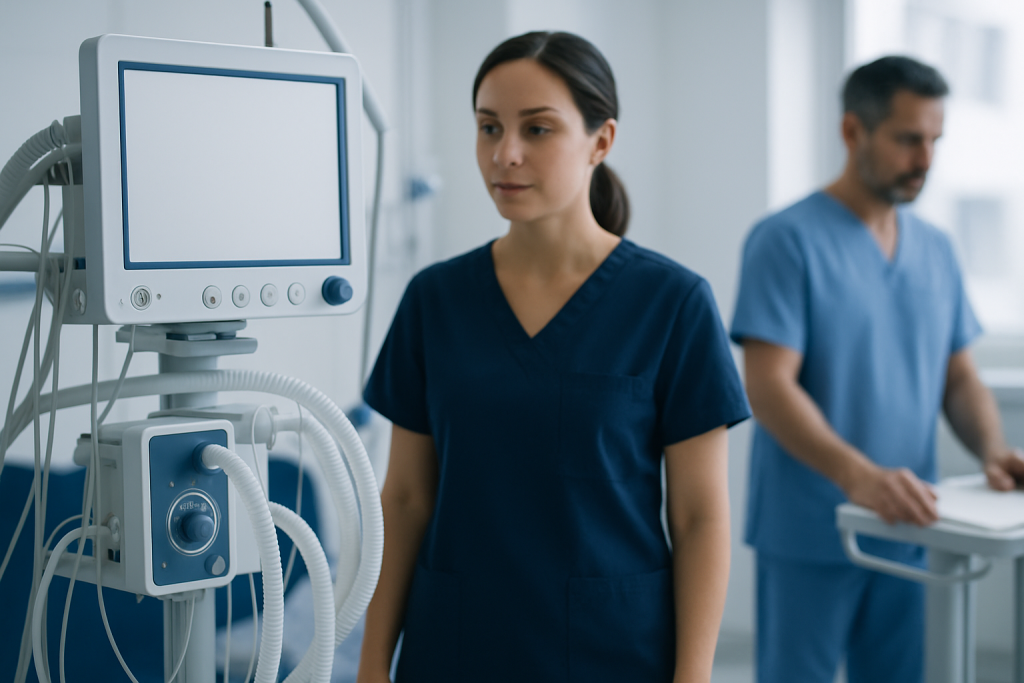
Workplace hazards are often grouped into five main categories: physical, chemical, biological, ergonomic, and psychosocial. Physical hazards include noise, vibration, heat, cold, radiation, poor lighting, and machines that may cause injury. Chemical hazards can involve solvents, dusts, fumes, cleaning products, heavy metals, or gases. Biological hazards may include bacteria, viruses, fungi, or contact with blood and body fluids. Ergonomic hazards relate to lifting, awkward posture, repeated motions, forceful tasks, and prolonged sitting or standing. Psychosocial hazards involve high job strain, bullying, shift work, trauma exposure, or poor work-life balance.
These exposures can affect many body systems. Repeated lifting may strain the back, shoulders, or knees. Constant keyboard or assembly-line work can irritate tendons and nerves. Loud environments may contribute to hearing loss. Dust or fumes may trigger cough, wheeze, or worsening of conditions such as asthma. Skin contact with irritants can lead to rashes, dryness, or allergic reactions. Long or irregular schedules may affect sleep, mood, concentration, and cardiovascular health over time.
Not all workers have the same level of risk. Risk depends on the type of work, intensity and duration of exposure, access to safety measures, training, and individual health factors. Age, pregnancy, chronic disease, disability, medication use, and previous injuries can all influence how the body responds to workplace demands. For this reason, occupational health aims for individualized assessment rather than one-size-fits-all advice.
- Examples of higher-risk settings include construction, manufacturing, mining, agriculture, transport, laboratories, and healthcare.
- Office-based jobs may also carry risks such as neck pain, eye strain, stress, and prolonged inactivity.
- Remote and hybrid work can create ergonomic and mental health challenges when workstations and routines are not well supported.
Symptoms and warning signs of work-related illness or injury

Symptoms linked to occupational exposures can appear suddenly or develop slowly. Acute problems may include cuts, burns, sprains, falls, chemical splashes, breathing difficulty, or sudden headache after exposure. Chronic problems are often more subtle. A person may notice ongoing neck or back pain, tingling in the hands, worsening cough at work, skin irritation that improves on days off, frequent fatigue, poor sleep, concentration problems, or stress that feels tied to job demands.
A useful clue is a pattern related to time and place. Symptoms that begin during work, worsen by the end of a shift, or improve on weekends or vacations may suggest a workplace contribution. For example, hand numbness can be associated with repetitive tasks, while chest tightness or wheeze may occur with dust, mold, or chemical exposure. Persistent joint or muscle pain may indicate strain, while ringing in the ears after noise exposure may point to hearing injury.
Emotional and cognitive symptoms also matter. Anxiety, low mood, irritability, burnout, sleep disruption, and reduced concentration can all be part of occupational health concerns. These symptoms may arise from high demand, low control, traumatic events, harassment, or chronic shift work. Because the signs of work-related illness often overlap with ordinary health conditions, medical assessment is important when symptoms persist or interfere with function.
How doctors assess occupational health concerns
Diagnosis starts with a detailed history. A doctor will ask about the person’s job role, tasks, equipment, schedule, protective measures, and possible exposures. The timing of symptoms is especially important: when they started, whether they change during work or away from work, and whether coworkers have similar concerns. Medical history, medications, hobbies, and home exposures may also be discussed because not all symptoms are caused only by work.
The physical examination is guided by the symptoms. Breathing complaints may lead to lung assessment and tests such as spirometry or chest imaging when needed. Skin problems may require dermatologic evaluation. Pain, weakness, or numbness may be assessed through musculoskeletal and nerve examination. Hearing changes can be checked with audiology testing. In some cases, laboratory tests help evaluate inflammation, infection, toxic exposure, or organ effects.
Occupational health assessment may also include functional evaluation. This means looking at what tasks are difficult, what movements trigger symptoms, and what adjustments may help a safe return to work. For back or joint issues, a clinician may recommend rehabilitation or imaging such as MRI when appropriate. If symptoms suggest nerve compression, spine specialists may investigate related conditions such as herniated disc. The goal is not only to name the condition, but also to understand how work factors contribute and how risk can be reduced going forward.
Treatment and management options
Treatment depends on the condition, severity, and ongoing exposure. In many cases, the first step is reducing or removing the trigger while symptoms are treated. This may involve temporary task modification, better protective equipment, improved ventilation, changes in posture or workflow, and planned rest periods. Medicines or supportive care may be used when needed, but treatment is usually most effective when the workplace cause is addressed at the same time.
Musculoskeletal problems often improve with activity modification, physical therapy, strengthening, and ergonomic correction. People with persistent pain may benefit from a structured rehabilitation plan such as physical therapy and rehabilitation. Breathing problems may require respiratory evaluation and management, especially if a worker has underlying lung disease or possible occupational triggers. Skin conditions may need avoidance strategies, barrier protection, and medical treatment prescribed by a clinician.
Mental health symptoms should be taken seriously. Stress-related problems, sleep disturbance, anxiety, and burnout may improve with a combination of workload review, schedule changes, counseling, and treatment for associated conditions. A multidisciplinary approach can be helpful when symptoms affect more than one body system or when a safe return-to-work plan is needed. Near the end of the care pathway, some people need specialist follow-up, formal rehabilitation, or workplace accommodation to prevent recurrence.
In more complex cases, coordinated care may involve orthopedics, pulmonology, dermatology, neurology, psychiatry, rehabilitation medicine, and occupational medicine. For international patients, Acibadem International’s multidisciplinary specialists and JCI-accredited hospitals diagnose and treat a wide range of work-related conditions, including evaluation with tools such as comprehensive check-up when clinically appropriate.
Prevention and self-care at work
The most effective occupational health strategy is prevention. In workplace safety, the preferred approach is to control hazards at their source whenever possible. This may include replacing harmful substances, improving machine guarding, reducing noise, adjusting workstation design, and organizing tasks to limit repetition or heavy lifting. Personal protective equipment is important, but it works best when combined with safer systems and proper training.
Workers can also support their own health through everyday habits. Good posture, regular movement breaks, safe lifting techniques, hydration, sleep, and early reporting of symptoms all make a difference. People who use computers for long periods may benefit from screen-height adjustment, wrist support, chair positioning, and breaks to reduce neck, shoulder, and eye strain. Those exposed to dust, chemicals, or infectious materials should follow all instructions on protective clothing, hand hygiene, and decontamination.
Psychological well-being is part of prevention too. Reasonable workloads, adequate rest, supportive supervision, and access to mental health resources can lower the risk of burnout and stress-related illness. Workers should feel able to speak up about unsafe conditions, fatigue, or symptoms without delay. Small changes made early are often easier and more effective than trying to correct a long-standing problem later.
- Follow safety training and use equipment as instructed.
- Report near-misses, injuries, and new symptoms promptly.
- Take breaks to stretch, change posture, and rest the eyes.
- Use hearing, respiratory, hand, or skin protection when required.
- Seek ergonomic review if a workstation or task causes discomfort.
When to seek medical care
Medical care is important if symptoms are severe, sudden, or ongoing. A person should seek prompt assessment for breathing difficulty, chest pain, significant eye exposure, serious burns, deep cuts, suspected fractures, head injury, fainting, severe allergic reactions, or heavy chemical exposure. Emergency symptoms should always be treated urgently.
Non-emergency care is also worthwhile when a problem keeps returning or affects daily life. Persistent back pain, repeated headaches during shifts, frequent cough, skin rash, hand numbness, hearing changes, poor sleep, or stress that is interfering with work or home life are all good reasons to speak with a qualified doctor. Early evaluation may prevent a minor issue from becoming a long-term problem.
It can help to bring details to the appointment, such as the type of work performed, substances handled, equipment used, timing of symptoms, and any protective measures already tried. This information supports a more accurate diagnosis and a practical plan for treatment, rehabilitation, and safe work participation.
Frequently asked questions
What does occupational health mean?
Occupational health is the area of medicine and public health focused on preventing and managing health problems caused or worsened by work. It looks at workplace risks, worker well-being, and ways to make jobs safer and healthier.
What are the most common occupational health problems?
Common issues include back and neck pain, repetitive strain injuries, skin irritation, hearing loss, breathing problems, stress, fatigue, and sleep disruption. The exact pattern depends on the job, the work environment, and how long exposures continue.
How can someone tell if symptoms are related to work?
A work-related pattern is one clue, such as symptoms that begin during shifts, worsen by the end of the day, or improve on weekends or vacations. Even so, symptoms can have more than one cause, so medical assessment is the best way to understand the full picture.
Can office work cause occupational health problems?
Yes. Office-based work can contribute to neck and shoulder pain, wrist strain, headaches, eye strain, stress, and the effects of prolonged sitting. Ergonomic changes, movement breaks, and healthy work routines can often help reduce these problems.
What happens during an occupational health evaluation?
The doctor usually asks about job duties, exposures, protective equipment, symptom timing, and medical history. Depending on the concern, the evaluation may include a physical exam and tests such as lung function testing, hearing tests, imaging, or laboratory studies.
How are work-related conditions treated?
Treatment depends on the diagnosis but often includes reducing exposure, treating symptoms, and making workplace adjustments. Some people also need rehabilitation, specialist care, or a gradual return-to-work plan to recover safely.
References
- World Health Organization
- International Labour Organization
- Centers for Disease Control and Prevention
- National Institute for Occupational Safety and Health
- Occupational Safety and Health Administration
This article is for general information only and is not a substitute for professional medical advice. Please consult a qualified doctor about your individual situation.
Explore treatments in Turkey — costs, top hospitals & a free quote
JCI-accredited · board-certified surgeons · reply within 24h
Add us as a Preferred Source to see more of our trusted health content across Google Search, AI Overviews and Discover.

More from the Health Library
Postural Drainage: An Evidence-Based Guide for Patients

Junctional Escape Rhythm: A Complete Medical Overview

Self Ligating Braces: An Evidence-Based Guide for Patients

Pudendal Nerve: An Evidence-Based Guide for Patients

Depersonalization — Explained by Medical Evidence, Not Myths