

Postural Drainage: An Evidence-Based Guide for Patients
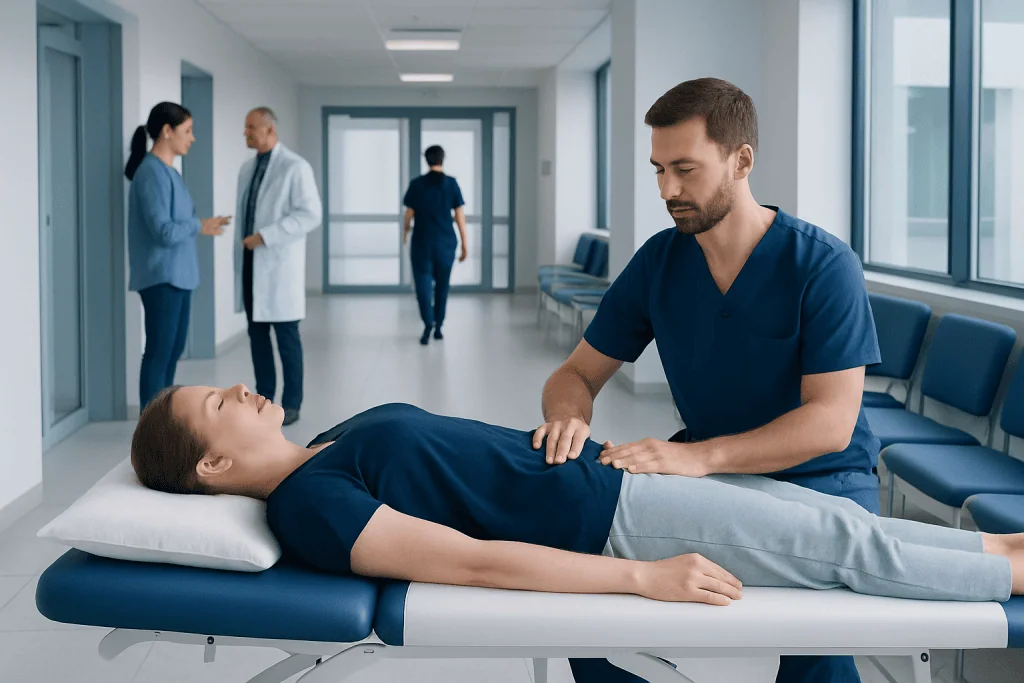
Postural drainage uses specific body positions to help mucus drain from the lungs. It is often combined with coughing techniques, percussion, vibration, or breathing exercises.
Key Takeaways
- Postural drainage uses specific body positions to help mucus drain from the lungs.
- It is often combined with coughing techniques, percussion, vibration, or breathing exercises.
- Not everyone should do postural drainage; some medical conditions make certain positions unsafe.
- A clinician or respiratory therapist can show which positions are appropriate and how often to use them.
- Medical review is important if symptoms worsen, breathing becomes difficult, or mucus changes significantly.
Postural drainage is a chest physiotherapy technique that uses gravity-assisted body positions to help move mucus from different parts of the lungs toward the larger airways, where it can be coughed out more easily. It is not a cure for lung disease, but it can be a useful part of care for some people with excess mucus or impaired airway clearance.
What postural drainage is and how it works
Postural drainage is a method of airway clearance that uses gravity to help move mucus from smaller airways into larger ones. Once the mucus reaches the larger airways, it is easier to clear with huffing, coughing, suctioning, or other chest physiotherapy techniques. For many patients, the goal is practical: make breathing more comfortable and reduce mucus buildup that can interfere with normal lung function.
The technique usually involves lying or sitting in specific positions for a short period so that a targeted area of the lung is higher than the central airway. Depending on the part of the lung being treated, the head may be level, elevated, or in some cases lower than the chest. A clinician may also combine these positions with manual chest percussion, vibration during exhalation, and guided breathing exercises.
Postural drainage is best thought of as one part of a broader airway clearance plan rather than a stand-alone treatment. It may be recommended for people who produce thick or excessive mucus, have difficulty clearing secretions independently, or live with long-term respiratory conditions. A personalized plan matters because the safest and most effective positions depend on the person’s age, diagnosis, symptoms, mobility, and other health conditions.
Who may benefit from postural drainage
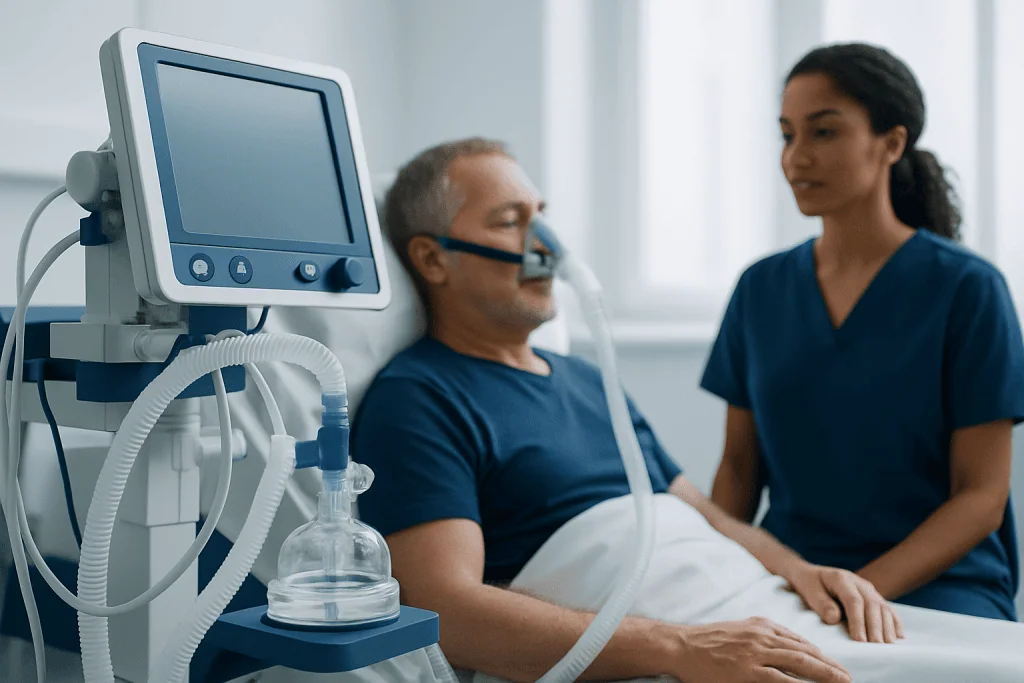
Postural drainage is most often used when mucus clearance is a problem. This can happen in chronic lung diseases, after certain infections, during recovery from illness, or when weakness makes coughing less effective. It may be considered for patients with bronchiectasis, cystic fibrosis, some neuromuscular disorders, or mucus retention after surgery or prolonged bed rest.
It is not needed for every cough or common cold. Many mild, short-lived respiratory infections improve with rest, fluids, and time without formal airway clearance therapy. The technique is usually more relevant when secretions are persistent, thick, difficult to bring up, or associated with repeated chest infections or ongoing breathlessness.
Some people are taught postural drainage for home use, while others receive it in the hospital or a rehabilitation setting. For infants, children, older adults, and medically complex patients, supervision is especially important. A doctor, physiotherapist, or respiratory therapist can help decide whether this method is appropriate and whether another form of chest physiotherapy may be a better fit.
- Chronic mucus-producing lung disease
- Difficulty coughing effectively
- Recovery after illness, surgery, or immobility
- Conditions that impair normal airway clearance
What a session involves
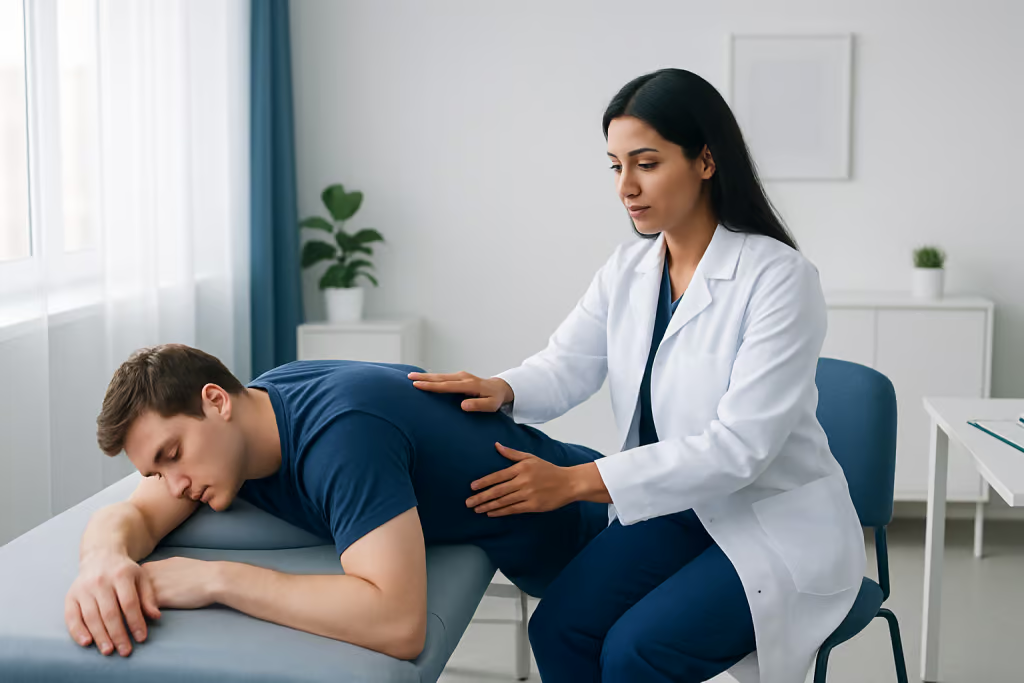
A postural drainage session is usually planned around specific lung segments rather than using a single position for everyone. A healthcare professional may recommend side-lying, lying on the stomach, lying on the back, or sitting upright, depending on where mucus tends to collect. Each position is generally held for several minutes so gravity has time to assist drainage.
Sessions often include other airway clearance methods. Percussion involves gently clapping the chest wall with cupped hands or a device to loosen mucus. Vibration is a manual or mechanical technique applied during breathing out to help move secretions toward larger airways. Many patients are also taught controlled breathing, huff coughing, or active cycle of breathing techniques to improve clearance after each position.
Timing can matter. Some people tolerate therapy better before meals or at least some time after eating, because certain positions may increase nausea or reflux. Hydration, humidified air, and prescribed inhaled medications may also support mucus clearance. The exact routine should be tailored by a clinician and adjusted if symptoms, energy level, or underlying disease change over time.
Benefits, limits, and what the evidence shows
The main benefit of postural drainage is improved mucus mobilization. For the right patient, this can make coughing more productive, reduce the feeling of chest congestion, and support day-to-day symptom control. In chronic airway diseases, regular mucus clearance may also help reduce secretion retention, which can contribute to irritation and recurrent infection.
At the same time, postural drainage is not equally helpful for every respiratory problem. It does not treat the underlying cause of disease, and it may offer little benefit when there is no significant mucus to clear. In some conditions, other airway clearance approaches or medical treatments may be more appropriate, such as bronchodilator therapy, pulmonary rehabilitation, or evaluation of chronic infection. For example, patients with chronic obstructive pulmonary disease (COPD) may need a broader care plan tailored to symptoms, airflow limitation, and exercise tolerance.
Research supports airway clearance techniques in selected populations, especially where mucus retention is a central issue. However, the best approach can vary, and no single method suits everyone. This is why an evidence-based plan usually focuses on individual goals: improving comfort, helping mucus removal, supporting recovery, and choosing a technique the patient can use safely and consistently.
Risks, side effects, and who should use caution
Postural drainage is generally safe when recommended and taught by a qualified professional, but it is not risk-free. Some people feel lightheaded, short of breath, tired, or nauseated during treatment. Certain head-down positions can worsen acid reflux, increase discomfort, or be difficult for people with back pain, obesity, or limited mobility.
Extra caution is needed in people with severe heart disease, uncontrolled high blood pressure, recent surgery, rib fractures, active bleeding, significant osteoporosis, raised pressure inside the skull, severe reflux, or unstable breathing status. In these cases, some positions may need to be modified or avoided. A clinician may recommend gentler alternatives, upright drainage positions, or a different airway clearance technique altogether.
Children, frail older adults, and people who cough up blood or have unexplained chest pain should not start postural drainage on their own. If there is concern about pneumonia, significant wheezing, or worsening lung symptoms, medical assessment comes first. In some cases, imaging, sputum testing, or specialist review is needed to understand why secretions are building up and whether more targeted treatment is required.
Diagnosis and treatment plans that may accompany it
When a patient has persistent mucus production or repeated chest infections, doctors usually look for the cause rather than relying only on symptom management. Evaluation may include a physical examination, pulse oximetry, sputum assessment, chest imaging, and breathing tests. In selected cases, further testing can help diagnose structural lung disease, chronic infection, asthma, aspiration, or immune-related problems.
Postural drainage may then be included in a broader treatment plan. Depending on the diagnosis, that plan can involve inhaled medicines, antibiotics when indicated, hydration strategies, pulmonary rehabilitation, or advanced airway clearance support. Some patients also need specialist assessment with bronchoscopy if doctors need to look inside the airways, remove secretions, or investigate ongoing symptoms.
If imaging is needed to understand chronic cough, infection, or areas of mucus plugging, clinicians may use chest X-ray or more detailed scans. For patients with long-term respiratory disease, structured care may also include pulmonary rehabilitation to improve breathing efficiency, physical endurance, and self-management skills. The best treatment plan depends on the underlying condition, the amount of mucus present, and how much the symptoms affect daily life.
Self-care, practical tips, and when to seek medical care
Patients who are advised to do postural drainage at home usually benefit from a simple routine and clear instructions. It helps to learn the exact positions, how long to hold them, what breathing pattern to use, and what symptoms should prompt stopping the session. Comfortable clothing, a quiet setting, pillows for support, and tissues or a sputum container can make treatment easier and more effective.
General self-care can support mucus clearance. Drinking enough fluids, avoiding smoking and secondhand smoke, taking prescribed medicines correctly, and staying as physically active as possible may all help. If symptoms are triggered by an infection, rest and close follow-up may also be important. A patient should not replace prescribed treatment with home chest physiotherapy unless a clinician has advised that it is appropriate.
Medical care should be sought promptly if breathing becomes harder, chest pain develops, fever is persistent, lips or fingertips look bluish, confusion appears, or mucus contains blood. Review is also important if coughing or wheezing worsens, if oxygen levels fall, or if the technique causes repeated vomiting, dizziness, or severe discomfort. Near the end of a care journey, some international patients may choose centers such as Acibadem International, where multidisciplinary specialists in JCI-accredited hospitals diagnose and treat respiratory conditions and guide airway clearance plans.
Frequently asked questions
Is postural drainage the same as chest physiotherapy?
Postural drainage is one part of chest physiotherapy. Chest physiotherapy is a broader term that may include body positioning, percussion, vibration, breathing exercises, and coughing techniques. A clinician may use several of these methods together.
Can postural drainage be done at home?
Yes, some patients are taught to do it at home, but it should first be recommended by a qualified healthcare professional. The correct positions and timing depend on the person’s lung condition, mobility, and safety considerations. Home treatment works best when the patient knows when to stop and when to seek medical advice.
How long does a postural drainage session usually take?
The length varies depending on how many lung areas need treatment and whether other airway clearance techniques are added. Many sessions involve holding each position for several minutes. A doctor or respiratory therapist can recommend a schedule that matches the patient’s condition and tolerance.
Does postural drainage help with pneumonia?
It may help some patients who have difficulty clearing secretions, but it is not a routine treatment for every case of pneumonia. The main treatment for pneumonia depends on its cause and severity. A doctor can decide whether airway clearance therapy is useful in addition to standard medical care.
Who should avoid head-down postural drainage positions?
Head-down positions may not be suitable for people with severe reflux, certain heart conditions, uncontrolled blood pressure, recent surgery, increased intracranial pressure, or significant breathing instability. Some patients can still do modified drainage in safer positions. Professional assessment is important before starting.
What should a patient do if postural drainage causes coughing?
Some coughing is expected because the goal is to move mucus into the larger airways where it can be cleared. However, severe coughing distress, chest pain, dizziness, vomiting, or coughing up blood are not expected responses and should be medically reviewed. The technique may need adjustment or a different treatment approach.
References
- American Thoracic Society
- European Respiratory Society
- National Heart, Lung, and Blood Institute
- Cystic Fibrosis Foundation
- MedlinePlus
This article is for general information only and is not a substitute for professional medical advice. Please consult a qualified doctor about your individual situation.
Explore treatments in Turkey — costs, top hospitals & a free quote
JCI-accredited · board-certified surgeons · reply within 24h
Add us as a Preferred Source to see more of our trusted health content across Google Search, AI Overviews and Discover.

More from the Health Library



Related Specialists

Dt. Şükrü Efe Aydın
Oral & Dental Health
Assoc. Prof. Dr. Çağrı Örs
Orthopedic Surgery & Traumatology
Assoc. Prof. Dr. A. Enes Arikan
General Surgery
Dr. Abbasgulu Baghirov
Pediatrics