Old Soul: A Complete Medical Overview

“Old soul” is a cultural and personal description, not a medical or psychological diagnosis. People who identify with the term may value reflection, meaningful relationships, creativity, and quiet environments.
Key Takeaways
- “Old soul” is a cultural and personal description, not a medical or psychological diagnosis.
- People who identify with the term may value reflection, meaningful relationships, creativity, and quiet environments.
- Feeling different from peers can be normal, but it may also coexist with loneliness, anxiety, depression, or social withdrawal.
- Personality traits develop through temperament, life experiences, family environment, culture, and relationships.
- Support is available when emotional distress affects daily life, sleep, relationships, school, or work.
An “old soul” is a common, nonmedical term for a person who feels unusually mature, reflective, or drawn to deeper relationships and familiar traditions. It is not a diagnosis or a sign of illness, although persistent loneliness, low mood, anxiety, or difficulty functioning deserve thoughtful medical attention.
What Does “Old Soul” Mean?
The old soul meaning usually refers to a person who seems emotionally mature, thoughtful, calm, or wise beyond what others expect for their age. The phrase is often used affectionately to describe someone who enjoys meaningful conversations, has a strong sense of perspective, prefers familiar or traditional interests, or feels less drawn to fast-paced social trends.
From a medical perspective, being an old soul is not a health condition, psychiatric diagnosis, or personality disorder. It is a subjective label shaped by culture, family beliefs, personal identity, and how a person sees their place among peers. There is no test that can confirm whether someone is an old soul, and there is no need to treat the trait itself.
For some people, the label feels validating. It may provide language for a long-standing sense of being reflective, private, sensitive, or different from others. For others, the phrase may be used casually by family or friends and may not feel especially meaningful. Its usefulness depends on whether it supports self-understanding without limiting a person’s identity or discouraging them from seeking help when they are distressed.
Common Traits People Associate With an Old Soul
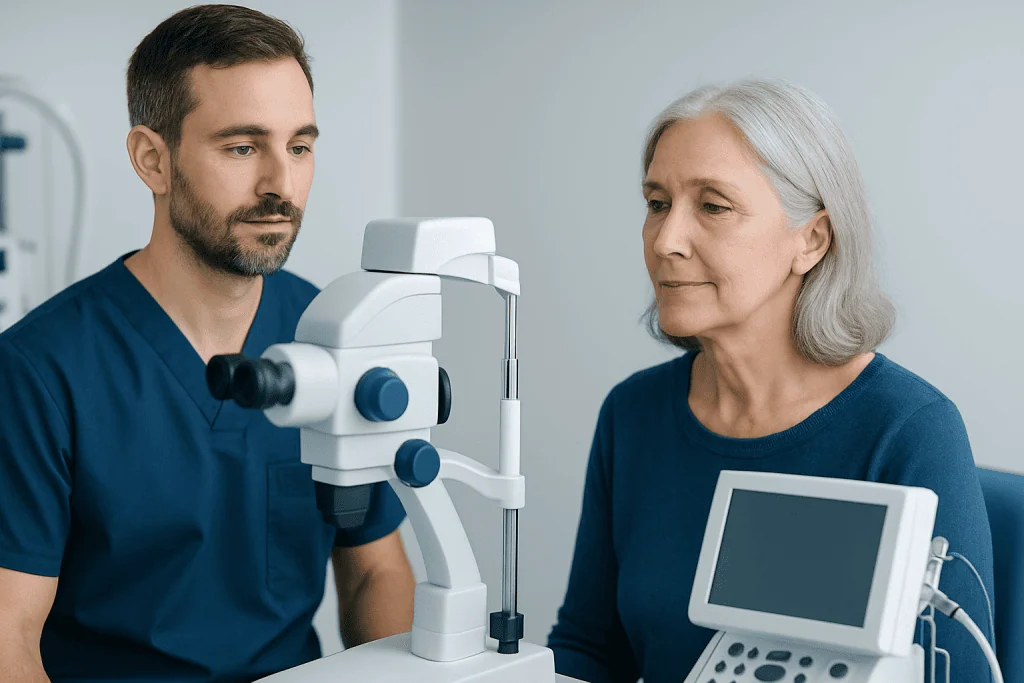
There is no single old soul personality profile. Still, people who identify with the term often describe an interest in depth rather than novelty. They may enjoy reading, music, art, history, nature, spirituality, or one-to-one conversations. Many value authenticity, reliability, and relationships that feel emotionally meaningful.
Some may appear responsible or composed at a young age. They might be good listeners, think carefully before making decisions, or feel comfortable spending time alone. A preference for quiet settings, a small circle of close friends, or hobbies that are not popular within a peer group can also be part of a person’s individual temperament.
- Feeling comfortable with reflection, solitude, or slower-paced activities
- Preferring a few trusted relationships over many casual connections
- Being sensitive to other people’s emotions or needs
- Having strong personal values or an interest in purpose and meaning
- Feeling less interested in trends, competition, or frequent social activity
These characteristics are not automatically signs of emotional maturity, and they do not make one person better than another. Social preferences and ways of expressing personality vary widely. A person can be reflective and still enjoy lively social settings, while someone who seems outgoing can also have a rich inner life.
Why Someone May Feel Older Than Their Age

Feeling older than one’s age can arise from many ordinary influences. Inborn temperament plays a role: some people are naturally more cautious, observant, sensitive, or introspective. Family values, cultural traditions, religious beliefs, education, and early friendships may also shape what a person enjoys and how they relate to others.
Life experiences can influence this feeling as well. Taking on responsibilities early, caring for siblings or relatives, moving frequently, experiencing loss, or growing up around adults more than peers may encourage a person to become observant and self-reliant. These experiences do not automatically harm mental health, but they can affect how safe, connected, or understood someone feels.
Social comparison can make normal differences feel more pronounced. A teenager who does not enjoy large gatherings may conclude that they do not fit in, while an adult who prefers a quiet routine may feel out of step with friends. In many cases, the issue is not the preference itself but the distress that comes from feeling isolated, misunderstood, or pressured to behave differently.
It is also important not to assume that apparent maturity means a person has fewer emotional needs. People who are described as wise, calm, or dependable can still need care, reassurance, play, rest, and age-appropriate support.
Old Soul Traits and Mental Health
Being reflective, private, or mature-seeming is not the same as having depression, anxiety, autism spectrum disorder, attention-deficit/hyperactivity disorder, trauma-related symptoms, or a personality disorder. These conditions are assessed by patterns of symptoms, their duration, their impact on daily functioning, and a qualified clinician’s evaluation—not by a person’s taste in music, social style, or perceived maturity.
However, an old soul label can sometimes overlap with experiences worth exploring. For example, someone who spends a great deal of time alone may be content and restored by solitude, or they may be withdrawing because of sadness, fear, bullying, social anxiety, or exhaustion. The difference often lies in whether the person has a choice, feels connected to supportive people, and can participate in the parts of life that matter to them.
Children and adolescents deserve particular care in this area. Adults may praise a young person for being “so mature” while overlooking stress, grief, caregiving responsibilities, or emotional struggles. Giving young people permission to express needs, set boundaries, have fun, and ask for help supports healthy development.
A mental health professional can help distinguish a stable personality preference from a treatable concern. Assessment is individualized and may include discussion of mood, sleep, energy, relationships, school or work functioning, physical health, and recent life changes.
Supporting Well-Being and Healthy Connection
People who identify as old souls do not need to change their personality. Well-being is usually supported by accepting genuine preferences while maintaining flexibility. A person may enjoy quiet time and still benefit from regular contact with people who respect their interests and values.
Helpful habits include maintaining a consistent sleep routine, eating regularly, moving the body in enjoyable ways, spending time outdoors when possible, and making room for rest. Creative activities, journaling, reading, music, volunteering, and mindful practices may be meaningful outlets for reflective people. These activities should add to life rather than become the only way to avoid difficult situations or emotions.
Healthy connection does not require a large social circle. One or two supportive relationships can be deeply valuable. Joining a class, community group, book club, arts activity, faith community, or volunteer project can help a person meet others with shared interests in lower-pressure settings.
It may also help to use language that is compassionate and specific. Instead of saying, “I am just an old soul, so I cannot connect with people,” a person might say, “I prefer smaller groups, and I would like to find friendships where deeper conversation is welcome.” This approach leaves room for growth and choice.
When to Seek Medical Care
Medical care is appropriate when feeling different from others is accompanied by ongoing distress or reduced daily functioning. A primary care doctor or licensed mental health professional can provide a confidential assessment and discuss practical support. Seeking help does not mean that a person’s personality is a problem; it means their well-being matters.
It is especially important to speak with a clinician if there is persistent sadness, loss of interest in usual activities, intense worry, panic symptoms, marked irritability, changes in sleep or appetite, low energy, difficulty concentrating, or increasing isolation. Parents and caregivers should seek guidance when a child or teenager seems overwhelmed, stops attending school, withdraws from friends, or takes on responsibilities that are too heavy for their age.
Urgent help is needed if a person has thoughts of self-harm or suicide, feels unable to stay safe, or is at immediate risk of harm from another person. They should contact local emergency services, go to the nearest emergency department, or reach a local crisis service without delay. A trusted family member or friend can help them access urgent support.
For international patients seeking coordinated evaluation, Acibadem International’s multidisciplinary specialists and JCI-accredited hospitals can assess emotional and physical health concerns and guide appropriate care.
A Balanced Way to Think About the Label
The term “old soul” can be a positive shorthand for values such as thoughtfulness, empathy, steadiness, and appreciation of meaningful experiences. It can help people recognize that there are many healthy ways to grow, socialize, and find purpose. No one needs to match a particular social trend or personality type to be well.
At the same time, labels should remain flexible. A person is more than being quiet, mature, nostalgic, or introspective. They may change across different settings and stages of life, develop new interests, and need different types of support at different times.
A balanced approach is to respect personal preferences while paying attention to emotional health. If solitude feels peaceful and chosen, it may be a healthy part of life. If it feels painful, forced, or connected to fear and hopelessness, speaking with a qualified professional can be an important next step.
Frequently asked questions
Is being an old soul a medical condition?
No. “Old soul” is not a medical diagnosis, mental health disorder, or formal personality category. It is an informal description people use for someone who seems reflective, mature, or drawn to deeper experiences.
Can a child be an old soul?
A child may be described this way when they appear thoughtful, responsible, or more comfortable with adults and quiet activities. Adults should still remember that children need age-appropriate play, support, emotional expression, and freedom from excessive responsibility.
Does feeling like an old soul mean someone is lonely?
Not necessarily. Some people genuinely enjoy solitude and prefer a small number of close relationships. It is worth seeking support if being alone feels painful, unwanted, or is linked with sadness, anxiety, or withdrawal from everyday life.
Is an old soul the same as being introverted?
No. Introversion generally refers to how a person gains and uses social energy, while “old soul” refers to a perceived style of maturity, interests, or outlook. A person can be introverted, extroverted, or somewhere in between and still identify with the term.
Can trauma make a person seem older than their age?
Difficult experiences or early responsibilities can affect how a person relates to others and may lead them to seem unusually serious or self-reliant. This does not mean trauma is always present, but professional support can be helpful if past experiences continue to cause distress or interfere with daily life.
When should someone talk to a mental health professional?
A mental health professional can help when low mood, anxiety, isolation, sleep changes, loss of interest, or stress interferes with relationships, school, work, or self-care. Support can also be useful for someone who simply wants a better understanding of their emotions, identity, and social needs.
References
- American Psychiatric Association
- National Institute of Mental Health
- American Psychological Association
- World Health Organization
This article is for general information only and is not a substitute for professional medical advice. Please consult a qualified doctor about your individual situation.
Explore treatments in Turkey — costs, top hospitals & a free quote
JCI-accredited · board-certified surgeons · reply within 24h
Add us as a Preferred Source to see more of our trusted health content across Google Search, AI Overviews and Discover.

More from the Health Library

Nihss — Explained by Medical Evidence, Not Myths

Heal All — Explained by Medical Evidence, Not Myths

Tekisin: What Patients Need to Know

Male Body Types — Explained by Medical Evidence, Not Myths
Amrap Workouts: An Evidence-Based Guide for Patients