Oncology: A Complete Medical Overview

Oncology is the medical specialty devoted to cancer prevention, diagnosis, treatment, and supportive care. Cancer care often involves a team that may include medical, surgical, and radiation oncologists.
Key Takeaways
- Oncology is the medical specialty devoted to cancer prevention, diagnosis, treatment, and supportive care.
- Cancer care often involves a team that may include medical, surgical, and radiation oncologists.
- Diagnosis usually combines a medical history, physical examination, imaging, laboratory tests, and often a biopsy.
- Treatment depends on the cancer type and stage and may include surgery, chemotherapy, radiation therapy, targeted therapy, immunotherapy, or hormone therapy.
- Regular follow-up helps monitor treatment response, manage side effects, and check for recurrence.
- Early evaluation of persistent symptoms can improve the chances of timely diagnosis and treatment.
Oncology is the branch of medicine that focuses on cancer prevention, diagnosis, treatment, and long-term follow-up. It brings together specialists, tests, and therapies to create a care plan based on the type of cancer, its stage, and the person’s overall health.
Overview of oncology
Oncology is the area of medicine concerned with cancer. In practical terms, it includes understanding how cancer develops, confirming a diagnosis, determining how far a cancer has spread, choosing appropriate treatment, managing symptoms and side effects, and providing follow-up care after treatment. Because cancer is not a single disease, oncology covers many different conditions that can affect almost any organ or tissue in the body.
Modern oncology is highly team-based. A person may meet a medical oncologist, who oversees drug treatments such as chemotherapy, targeted therapy, immunotherapy, or hormone therapy; a surgical oncologist, who removes tumors or performs biopsies; and a radiation oncologist, who plans and delivers radiation treatment. Pathologists, radiologists, nurses, pharmacists, genetic counselors, nutrition specialists, psycho-oncology professionals, and rehabilitation teams may also be involved.
One useful way to understand oncology is to think of it as a process rather than a single treatment. That process begins with evaluating symptoms or screening results, moves through diagnosis and staging, and then continues into active treatment, recovery, survivorship, or palliative care when needed. The aim is not only to treat the cancer itself, but also to support the person’s quality of life throughout care.
How cancer is classified and why it matters
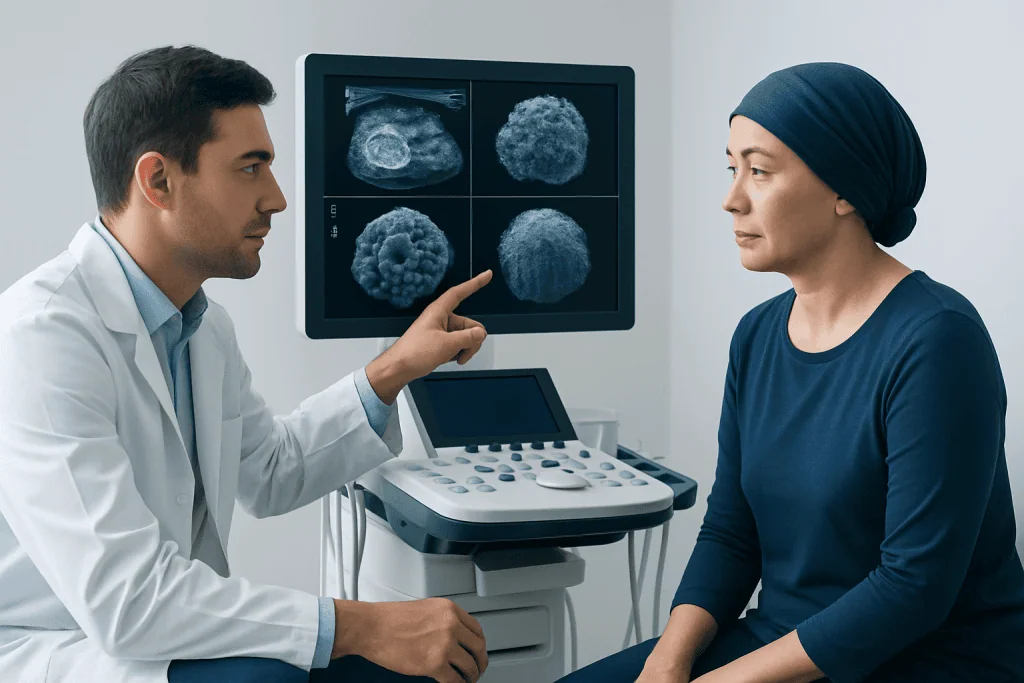
Oncologists classify cancer in several ways because these details guide treatment decisions. One of the most important is the cancer type, such as breast, lung, colon, prostate, blood, skin, or brain cancer. Another key factor is whether the tumor is benign or malignant; oncology mainly focuses on malignant disease, meaning cancer that can invade nearby tissue or spread to other parts of the body.
Stage is another central concept. Staging describes how large the cancer is and whether it has spread to lymph nodes or distant organs. In many solid tumors, staging helps doctors estimate prognosis and select the best combination of therapies. Grade, which refers to how abnormal the cancer cells look under a microscope, can also provide information about how quickly a tumor may grow.
Increasingly, cancer is also classified by its molecular features. Some tumors have specific gene changes, protein markers, or hormone receptors that can help predict which therapies may work best. This is why two people with cancer in the same organ may receive different treatments. Personalized oncology uses pathology and biomarker testing to match treatment to the biology of the tumor whenever possible.
Examples of cancers commonly managed in oncology include breast cancer, lung cancer, and colon cancer. Each has its own patterns of diagnosis, staging, treatment, and follow-up.
Common signs, symptoms, and cancer risk factors
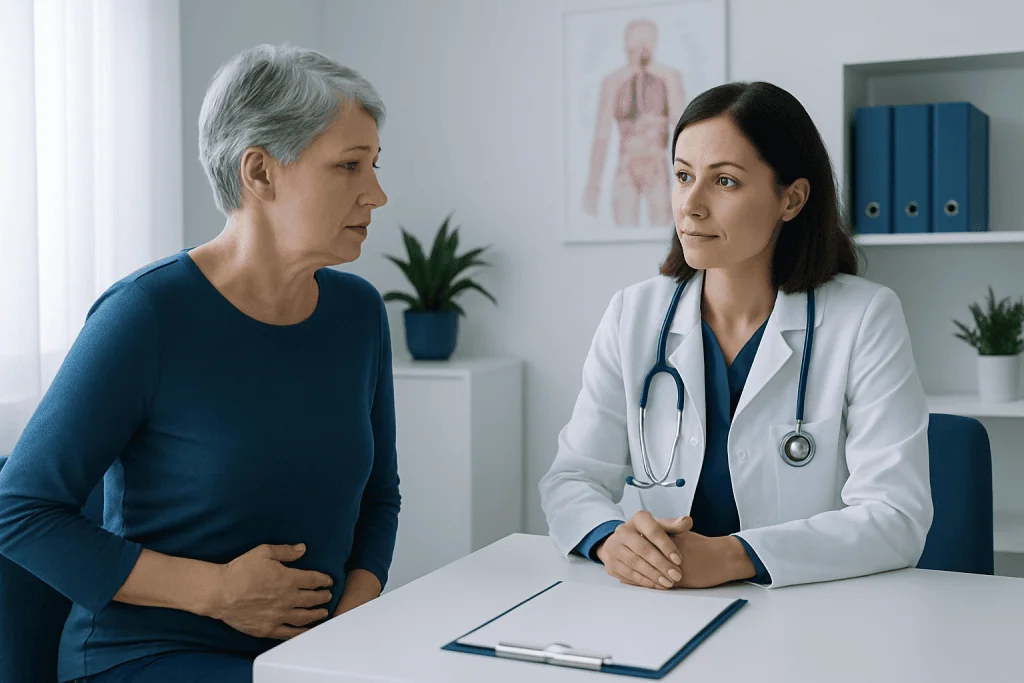
Cancer symptoms vary widely depending on the organ involved, the size of the tumor, and whether the disease has spread. Some cancers cause no symptoms at first and are found through screening tests or imaging done for another reason. Others may lead to persistent pain, a new lump, unexplained weight loss, unusual bleeding, changes in bowel or bladder habits, a lasting cough, difficulty swallowing, ongoing fatigue, or skin changes that do not heal.
These symptoms do not always mean cancer. Many are caused by common, non-cancerous conditions. Still, symptoms that are new, persistent, worsening, or unexplained deserve medical evaluation. A timely check-up can help identify the cause and, if cancer is present, support earlier treatment planning.
Risk factors also differ from one cancer to another. Well-established examples include tobacco use, heavy alcohol use, obesity, lack of physical activity, certain infections, exposure to radiation or some chemicals, long-term sun exposure, family history, inherited gene changes, and increasing age. Having one or more risk factors does not mean a person will definitely develop cancer, but it may influence screening advice and preventive steps.
- Possible warning signs include a lump, unusual bleeding, persistent cough, unexplained weight loss, and lasting fatigue.
- Some cancers are found before symptoms appear through routine screening.
- Family history and inherited mutations can be important in selected cancers.
- Lifestyle factors such as smoking, diet, weight, and activity level may affect risk.
How oncology diagnosis works
Diagnosis in oncology usually begins with a detailed medical history and physical examination. The doctor asks about symptoms, how long they have been present, personal medical history, medication use, occupational or environmental exposures, and family history of cancer. This conversation helps guide the next steps and identify which tests are most likely to be useful.
Imaging tests may include ultrasound, X-ray, mammography, CT, MRI, or PET-CT, depending on the suspected cancer. Blood tests can provide supportive information about organ function, blood counts, inflammation, or certain tumor markers, but blood tests alone usually cannot confirm most cancers. In many cases, the key diagnostic step is a biopsy, where a small tissue sample is examined by a pathologist under a microscope.
Once cancer is confirmed, additional tests may be done for staging and treatment planning. These can include more imaging, endoscopy, bone marrow examination for blood cancers, or molecular and genetic testing of the tumor. This information helps determine whether the disease is localized, regionally advanced, or metastatic and whether it may respond to a specific targeted or immune-based treatment.
At advanced cancer centers, diagnosis may also involve multidisciplinary review, where specialists from different fields discuss the case together. This approach can be especially helpful for complex or rare cancers, second opinions, and situations where several treatment pathways are possible.
Main treatment options in oncology
Oncology treatment is individualized. The best plan depends on the cancer type, stage, tumor biology, age, overall health, symptoms, and personal preferences. Some people need only one treatment, while others benefit from a combination given in a specific order. Treatment may aim to cure the cancer, control it for as long as possible, relieve symptoms, or reduce the chance of recurrence after the main therapy has ended.
Surgery is often used when a tumor can be removed safely and may be the first treatment for many localized cancers. It can also be used to obtain tissue for diagnosis or to relieve symptoms caused by a tumor. In appropriate cases, oncology teams may recommend cancer surgery as part of a broader treatment plan.
Drug therapies include chemotherapy, targeted therapy, immunotherapy, and hormone therapy. Chemotherapy uses medicines that destroy rapidly dividing cells. Targeted therapy acts on specific molecular changes in cancer cells. Immunotherapy helps the immune system recognize and attack cancer. Hormone therapy can be effective in cancers that depend on hormones for growth. Many of these treatments are delivered and monitored within medical oncology services.
Radiation therapy uses carefully planned high-energy beams to destroy cancer cells or shrink tumors. It may be used alone or together with surgery or drug treatment. In some situations, doctors recommend radiation oncology to treat the main tumor, reduce recurrence risk, or ease symptoms. For selected cancers, advanced supportive care, rehabilitation, nutrition guidance, and palliative care are also important parts of treatment, not only for advanced disease but throughout the cancer journey.
Follow-up, survivorship, and living with cancer care
Oncology does not end when active treatment is completed. Follow-up care is an essential part of cancer management. These visits help doctors assess how well treatment worked, watch for recurrence, identify late side effects, and address general health needs such as heart health, bone health, fertility concerns, and emotional well-being.
Survivorship care often includes periodic examinations, imaging or blood tests when appropriate, and practical guidance on physical activity, sleep, nutrition, and returning to work or usual routines. The exact follow-up schedule varies by cancer type and treatment history. A personalized survivorship plan can help a person understand what symptoms to report and which routine screenings should continue.
Living with cancer, or after cancer, can affect more than the body. It may influence mood, relationships, concentration, body image, and daily functioning. Supportive oncology services may include counseling, pain management, lymphedema care, speech or swallowing therapy, rehabilitation, and social work support. Asking for help is a normal part of comprehensive cancer care.
For international patients seeking coordinated evaluation and treatment, Acibadem International offers multidisciplinary oncology care in JCI-accredited hospitals, with specialists involved in diagnosis, treatment planning, and follow-up according to the individual clinical picture.
Prevention, screening, and reducing cancer risk
Not all cancers can be prevented, but many risk-reduction steps are well established. Avoiding tobacco is one of the most important. Limiting alcohol, maintaining a healthy weight, being physically active, eating a balanced diet, protecting the skin from excessive sun exposure, and following workplace safety guidance around chemicals or radiation may also lower risk for some cancers.
Vaccination can prevent certain cancer-related infections. For example, vaccines against human papillomavirus and hepatitis B help reduce the risk of some cancers linked to these viruses. People with strong family histories of certain cancers may benefit from genetic counseling to better understand inherited risk and whether earlier or more frequent screening is appropriate.
Screening aims to detect cancer or pre-cancerous changes before symptoms appear. It is not the same as diagnostic testing for a symptom. Recommended screening depends on age, sex, personal history, family history, and local medical guidance. Common examples include mammography for breast cancer, cervical screening, colorectal screening, and, in some high-risk groups, lung cancer screening. A doctor can help decide which screening tests are suitable and when they should begin.
When to seek medical care
Medical care should be sought if there is a new symptom that lasts, returns repeatedly, or gradually worsens. Examples include a new lump, unexplained bleeding, changes in a mole, persistent cough, unexplained weight loss, ongoing fatigue, trouble swallowing, or lasting changes in bowel or bladder habits. These problems often have causes other than cancer, but they should not be ignored.
People should also contact a doctor if they have a strong family history of cancer, have been told they may carry an inherited cancer-related mutation, or are unsure whether they need screening. A medical review can help clarify risk and guide next steps.
Anyone already receiving cancer treatment should seek prompt advice for fever, dehydration, severe vomiting or diarrhea, unusual bruising or bleeding, breathing difficulty, new confusion, or uncontrolled pain. Treatment teams can advise whether urgent assessment is needed and how to manage symptoms safely.
Frequently asked questions
What does oncology mean?
Oncology is the branch of medicine that focuses on cancer. It includes cancer prevention, diagnosis, staging, treatment, symptom management, and follow-up care after treatment.
What is the difference between a medical oncologist and other oncologists?
A medical oncologist manages drug-based cancer treatments such as chemotherapy, immunotherapy, targeted therapy, and hormone therapy. Surgical oncologists perform cancer-related operations, while radiation oncologists plan and deliver radiation therapy.
Does a cancer diagnosis always require a biopsy?
In many cases, a biopsy is needed to confirm cancer because it allows a pathologist to examine tissue under a microscope. However, the exact tests depend on the suspected cancer, and some blood cancers may be diagnosed with different types of laboratory and bone marrow testing.
Is oncology only about treating advanced cancer?
No. Oncology also includes cancer prevention, early detection, treatment of localized disease, supportive care, and long-term survivorship follow-up. Many people seen in oncology have early-stage cancer or are being monitored after successful treatment.
How do doctors choose the best cancer treatment?
Doctors consider the cancer type, stage, grade, molecular features, location, symptoms, and the person’s overall health. Treatment decisions are often made by a multidisciplinary team and are tailored to individual needs and goals.
Can cancer be prevented?
Not all cancers can be prevented, but risk can often be reduced. Avoiding tobacco, limiting alcohol, staying physically active, maintaining a healthy weight, protecting the skin from the sun, and keeping up with recommended vaccines and screening can all help.
This article is for general information only and is not a substitute for professional medical advice. Please consult a qualified doctor about your individual situation.
Oncology care in Turkey — second opinion and treatment plan
JCI-accredited · board-certified surgeons · reply within 24h
Add us as a Preferred Source to see more of our trusted health content across Google Search, AI Overviews and Discover.

More from the Health Library

Nitrofurantoin: A Complete Medical Overview
Caprylic Acid — Explained by Medical Evidence, Not Myths

Diarrhea Medicine: A Complete Medical Overview

Euthymic: A Complete Medical Overview

Vch Piercing: An Evidence-Based Guide for Patients