

Oncology Nursing: What Cancer Nurses Do for Patients
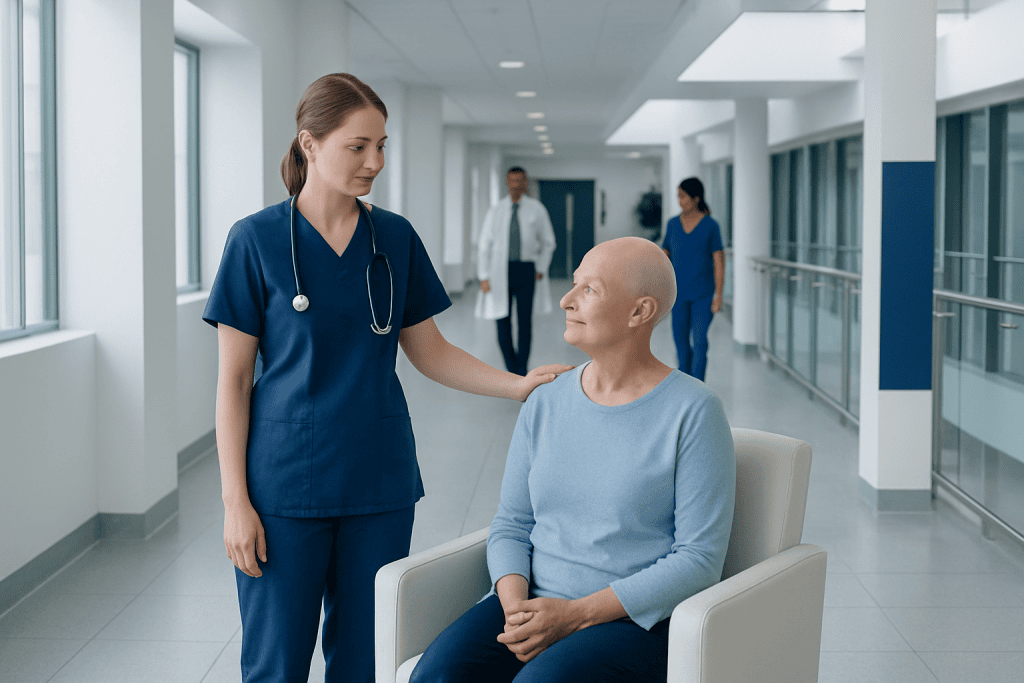
Oncology nurses are specially trained to care for people with cancer across diagnosis, treatment, recovery, and palliative care. They monitor side effects, give treatments safely, educate patients, and help coordinate the wider cancer care team.
Key Takeaways
- Oncology nurses are specially trained to care for people with cancer across diagnosis, treatment, recovery, and palliative care.
- They monitor side effects, give treatments safely, educate patients, and help coordinate the wider cancer care team.
- Cancer nurses support both physical symptoms and emotional well-being for patients and families.
- Their role may include chemotherapy administration, symptom management, wound care, survivorship support, and end-of-life care.
- Patients can ask oncology nurses questions about medications, treatment schedules, nutrition, daily activities, and warning signs to watch for.
Oncology nursing is a specialized area of nursing focused on caring for people with cancer before, during, and after treatment. Cancer nurses help manage symptoms, explain treatments, coordinate care, and provide practical and emotional support for patients and families.
Overview of oncology nursing
Oncology nursing is the nursing specialty dedicated to caring for people with cancer. These nurses work in hospitals, outpatient infusion centers, surgical units, radiation clinics, specialist clinics, and home or community settings. Their role goes far beyond giving medication. They help patients understand a diagnosis, prepare for treatment, cope with side effects, and manage the practical demands of daily life during cancer care.
Cancer treatment often involves more than one specialist, such as medical oncologists, surgeons, radiation oncologists, pharmacists, dietitians, psychologists, and rehabilitation professionals. Oncology nurses help connect these parts of care. They are often the team members patients see most frequently, which means they are well placed to notice changes in symptoms, answer questions, and help patients feel informed and supported.
Because cancer care can continue over many months or years, the relationship between patient and nurse can become very important. Oncology nurses support people at many stages, including diagnosis, active treatment, survivorship, recurrence, and palliative care. Their goal is to promote safety, comfort, dignity, and the best possible quality of life throughout the cancer journey.
What cancer nurses do for patients
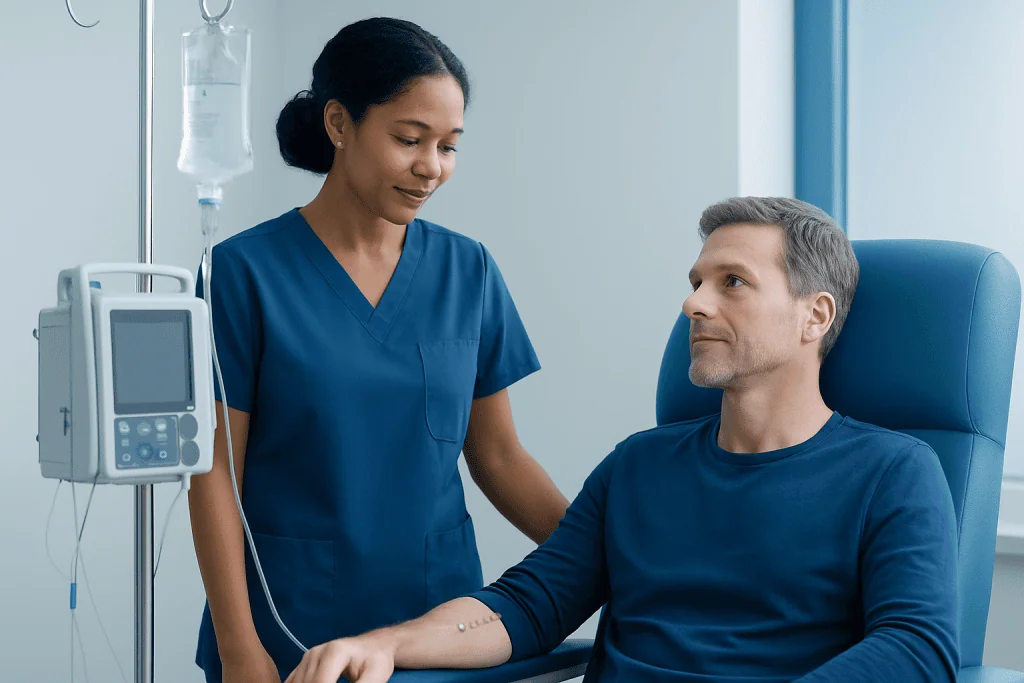
Oncology nurses provide direct clinical care and ongoing guidance. Depending on the setting, they may check vital signs, assess symptoms, review medications, take blood samples, prepare patients for procedures, administer treatment, and monitor for reactions or complications. They also document changes carefully and communicate important updates to the medical team.
Education is a major part of oncology nursing. Cancer nurses explain what a treatment is for, how it is given, what side effects may happen, and which symptoms should be reported promptly. They can help patients understand terms that may feel unfamiliar and turn complex medical information into practical steps that are easier to follow at home.
Many oncology nurses also support decision-making by helping patients prepare questions for appointments and understand care plans. This may include discussing central lines, infection prevention, fatigue, nutrition, skin care, pain control, fertility questions, and returning to work or school. Patients receiving chemotherapy or radiation therapy often rely on oncology nurses for day-to-day treatment guidance and symptom monitoring.
- Assess symptoms and overall well-being
- Administer medicines and cancer treatments safely
- Teach patients and families about treatment and self-care
- Monitor side effects and respond to warning signs
- Coordinate appointments, referrals, and follow-up care
- Provide emotional support and practical advice
Types of oncology nursing roles
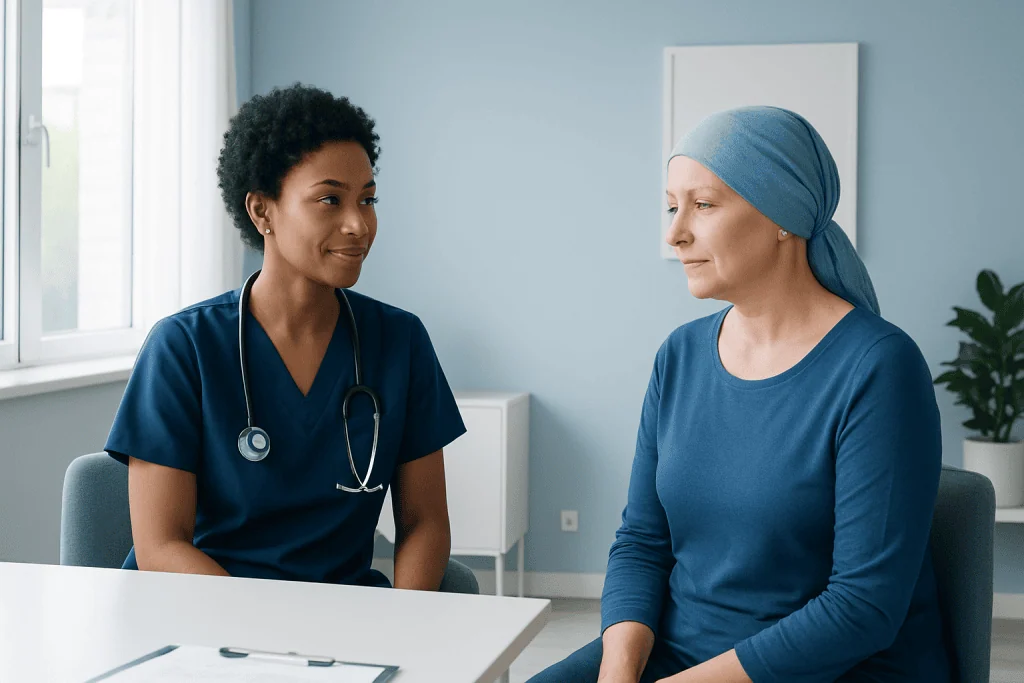
Not all oncology nurses do the same work. Some focus on outpatient treatment, where they monitor patients receiving infusions and teach them how to manage side effects at home. Others work on inpatient units, caring for people who need close monitoring after surgery, during serious illness, or when symptoms become difficult to control.
There are also nurses who specialize in surgery, radiotherapy, stem cell transplant, pediatric oncology, breast care, palliative care, wound care, or survivorship. Nurse navigators help patients move through testing, treatment planning, and referrals. Advanced practice nurses, where available, may assess patients independently, help manage symptoms, and work closely with physicians on treatment plans.
Some oncology nurses care for people with specific cancers, such as breast cancer or lung cancer. Others focus on treatment approaches or supportive care needs rather than one diagnosis. This variety allows patients to receive more personalized support based on their age, cancer type, treatment plan, and overall health.
How oncology nurses support treatment and symptom management
Cancer treatments can affect the body in different ways, and oncology nurses help patients manage these effects as early as possible. Common concerns include fatigue, nausea, vomiting, constipation, diarrhea, mouth sores, appetite changes, pain, skin reactions, sleep problems, nerve symptoms, and emotional distress. Nurses assess when symptoms started, how severe they are, and whether they may be linked to treatment, infection, dehydration, or another cause.
Safe treatment delivery is also central to oncology nursing. Nurses check treatment orders, confirm identity, review blood test results where needed, and watch for allergic reactions or infusion-related problems. They may care for ports, central lines, drains, wounds, or stomas, and they teach patients how to recognize signs of infection or other complications.
Oncology nurses also support recovery after procedures such as cancer surgery. They may help with pain management, mobility, wound care, breathing exercises, and discharge planning. In palliative and supportive care, nurses focus on symptom relief, comfort, communication, and helping patients and families understand what to expect while preserving dignity and quality of life.
Emotional, family, and practical support
Cancer affects more than physical health. It can also influence mood, relationships, work, finances, sleep, body image, and confidence. Oncology nurses are trained to recognize when a patient may be struggling emotionally and to respond with empathy and practical support. They create space for questions and help normalize concerns that many people may find hard to raise.
Family members and caregivers often need support too. Nurses can explain how loved ones can help safely at home, what side effects to watch for, and when to call for advice. They may also help families communicate more clearly with the medical team and understand changes in the care plan.
Practical support may include discussing hydration, meal planning, medication schedules, travel to appointments, activity levels, sleep routines, and ways to reduce infection risk. If a patient needs more specialized help, oncology nurses may refer them to a dietitian, psychologist, social worker, physiotherapist, fertility specialist, or palliative care team. This coordinated approach can make treatment feel more manageable and less overwhelming.
Training, skills, and why specialization matters
Oncology nurses are registered nurses who develop additional knowledge and skills in cancer care. Their training includes how cancers are diagnosed and treated, how anti-cancer medicines are given safely, how to monitor for complications, and how to support patients through complex and sometimes long treatment pathways. In many settings, oncology nurses also complete specialist certification or advanced education.
This specialization matters because cancer treatment can be highly individualized. Nurses need to understand changing blood counts, infection risks, treatment side effects, symptom patterns, and the needs of vulnerable groups such as children, older adults, and people with other medical conditions. Care also requires strong communication skills, attention to detail, and sensitivity to emotional and cultural needs.
Patients may not always notice the technical side of oncology nursing, but it plays an important role in safety and continuity of care. Careful assessment, prompt action when symptoms change, and clear patient education can help reduce complications and support better day-to-day functioning during treatment.
When patients should contact their oncology nurse or doctor
Patients should feel comfortable contacting their oncology nurse whenever something does not seem right or when they are unsure how to manage a symptom. Early advice can be very helpful. A symptom that seems minor at first may need prompt attention, especially during active treatment, when the immune system or blood counts may be affected.
Urgent medical advice is important for fever, shaking chills, shortness of breath, chest pain, confusion, severe weakness, uncontrolled vomiting, inability to keep fluids down, sudden bleeding, signs of dehydration, severe diarrhea, worsening pain, new rash after treatment, or redness and swelling around a central line or wound. Nurses can advise whether a patient should come to the clinic, go to the emergency department, or monitor symptoms at home.
Patients should also ask for help if pain is not well controlled, eating becomes difficult, anxiety feels overwhelming, or daily activities become much harder than usual. Near the end of the care pathway, a multidisciplinary team such as Acibadem International’s specialists at JCI-accredited hospitals may help assess treatment needs and supportive care options for international patients. Reaching out early is not a burden; it is an important part of safe cancer care.
Frequently asked questions
What is oncology nursing?
Oncology nursing is the specialty of nursing that focuses on caring for people with cancer. It includes treatment support, symptom management, patient education, emotional support, and coordination with the wider cancer care team.
What do oncology nurses do during chemotherapy?
During chemotherapy, oncology nurses may prepare patients for treatment, administer medicines, monitor for side effects, and watch for infusion reactions. They also explain home care, review warning signs, and help patients know when to seek urgent advice.
Are oncology nurses involved only in hospital care?
No. Oncology nurses work in many settings, including outpatient clinics, infusion centers, inpatient units, surgical wards, radiation departments, and community or home care services. Their role can continue from diagnosis through recovery, survivorship, or palliative care.
Can oncology nurses help with emotional support?
Yes. Emotional support is an important part of oncology nursing care. Nurses often help patients and families talk through fears, adjust to treatment, and find appropriate support services such as counseling, social work, or palliative care.
When should a patient call their oncology nurse?
A patient should call if they develop fever, chills, shortness of breath, uncontrolled pain, severe vomiting or diarrhea, bleeding, signs of infection, or any sudden worsening of symptoms. It is also reasonable to call when there are questions about medicines, side effects, hydration, eating, or daily self-care.
Do oncology nurses only care for advanced cancer?
No. Oncology nurses care for people at all stages of cancer, from early diagnosis and treatment to survivorship and follow-up. They may also support screening, surgery recovery, symptom control, and palliative care when needed.
References
- World Health Organization
- National Cancer Institute
- Oncology Nursing Society
- American Cancer Society
- European Society for Medical Oncology
This article is for general information only and is not a substitute for professional medical advice. Please consult a qualified doctor about your individual situation.
Oncology care in Turkey — second opinion and treatment plan
JCI-accredited · board-certified surgeons · reply within 24h
Add us as a Preferred Source to see more of our trusted health content across Google Search, AI Overviews and Discover.

Medical Oncology Department
Medical treatment of cancer with chemotherapy, immunotherapy and targeted therapies under a multidisciplinary tumor board.
60 specialists in this unitMore from the Health Library
Related Specialists
Prof. Dr. Canan Ayabakan
Pediatric Cardiology
Dr. Fatma Erbay Apaydın
Infectious Diseases & Clinical Microbiology
Dr. Salih Demir
Internal Medicine
Dr. Zehra Filiz Gündoğan Turan
Anesthesiology