Only Child Syndrome: Early Signs, Risk Factors, and How It Is Treated

Only child syndrome is a social label, not a diagnosable health condition. Only children can develop healthy social skills, independence, empathy, and close relationships.
Key Takeaways
- Only child syndrome is a social label, not a diagnosable health condition.
- Only children can develop healthy social skills, independence, empathy, and close relationships.
- A child's temperament, parenting approach, school environment, and opportunities for connection matter more than sibling status.
- Persistent distress, withdrawal, aggression, or developmental concerns deserve professional assessment regardless of family size.
- Support focuses on the child's individual needs rather than trying to correct presumed only-child traits.
Only child syndrome is not a recognized medical or mental health diagnosis. The term describes stereotypes about children without siblings, but research does not show that being an only child inherently causes social, emotional, or behavioral problems.
Overview: What Is Only Child Syndrome?
Only child syndrome is a popular term used to describe presumed personality traits in children who grow up without siblings. It is often associated with ideas such as being spoiled, lonely, self-focused, overly dependent on adults, perfectionistic, or less able to share. However, it is not a medical condition, psychiatric diagnosis, or developmental disorder, and it does not appear in standard diagnostic manuals used by mental health professionals.
Children who do not have siblings are a diverse group. Some are outgoing and adaptable, while others are quiet or cautious; the same range is seen among children with siblings. Development is influenced by many interacting factors, including a child’s natural temperament, parent-child relationships, financial and social circumstances, cultural expectations, school experiences, and access to friends and community activities.
Concerns can arise when adults interpret ordinary childhood behavior through the lens of only child syndrome. For example, preferring adult company, enjoying solitary play, or having strong routines may be typical for one child and not a sign of a problem. The most helpful approach is to consider whether a behavior is causing meaningful distress or interfering with daily functioning, rather than assuming it is caused by the absence of siblings.
Common Signs People Associate With Being an Only Child

People may use the phrase only child syndrome when a child appears uncomfortable sharing, expects focused attention from adults, struggles after losing a game, or prefers to direct play. These behaviors can happen in any child, especially at younger ages when social and emotional skills are still developing. They may also become more noticeable during transitions such as starting school, moving home, parental separation, or changes in childcare.
An only child may spend more time interacting with adults than with children at home. This can sometimes contribute to advanced vocabulary, comfort in adult conversations, or a preference for organized and quieter activities. It does not mean the child cannot form age-appropriate friendships. Peer skills are learned through repeated opportunities to play, cooperate, negotiate, take turns, manage conflict, and repair relationships.
Some children, whether they have siblings or not, may be sensitive to criticism, highly achievement-focused, or reluctant to make mistakes. These patterns may relate to temperament, anxiety, family expectations, or school pressures. A clinician would not attribute them to sibling status alone. What matters is the pattern over time, its intensity, and whether it affects the child’s happiness, learning, relationships, sleep, or participation in ordinary activities.
- Common but non-diagnostic behaviors include preferring solitary play, seeking adult attention, resisting sharing, or wanting control over games.
- More important concerns include persistent isolation, severe anxiety, marked aggression, loss of skills, or difficulties functioning at home or school.
- Behavior should be assessed in context, including the child’s age, developmental stage, stressors, and strengths.
What Research and Child Development Tell Us
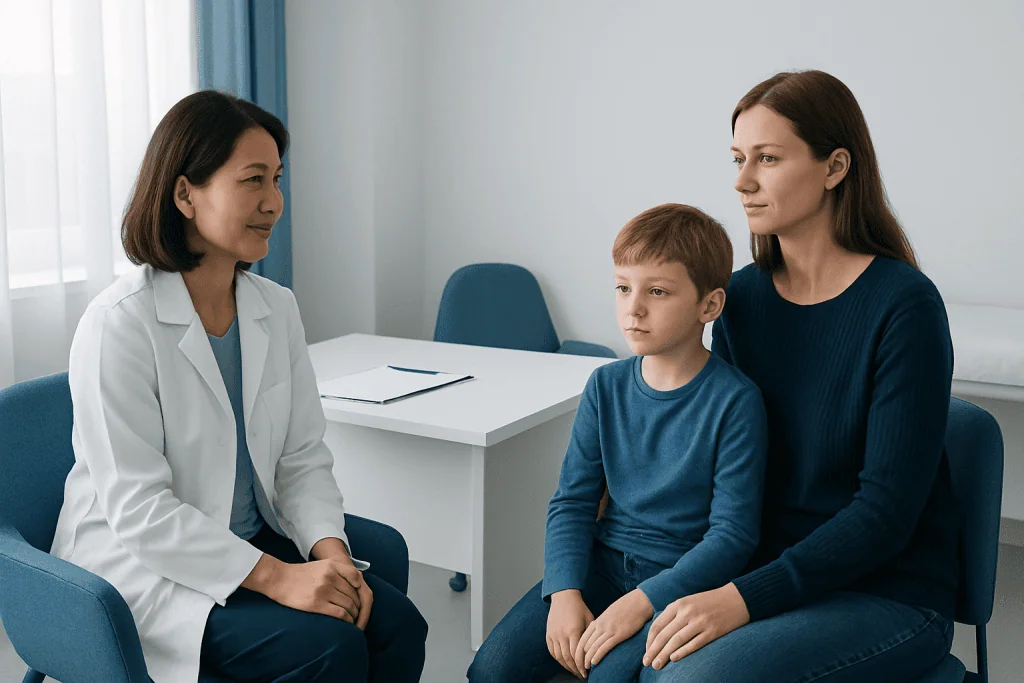
Research on only children does not support the broad claim that they are automatically lonelier, more selfish, less socially capable, or less emotionally healthy than children with siblings. While siblings can provide frequent opportunities to practice cooperation and conflict resolution, they are not the only source of these experiences. Friendships, cousins, classmates, neighbors, sports teams, clubs, and extended family can all support social learning.
Siblings can also bring challenges, including rivalry, conflict, unequal attention, caregiving demands, and household stress. Therefore, having siblings is not automatically protective, just as being an only child is not automatically harmful. Healthy development depends more on whether a child has reliable care, emotional security, appropriate boundaries, and meaningful chances to engage with others.
It is also important to avoid treating one-child families as a single experience. A child may be an only child because of family choice, infertility, bereavement, medical circumstances, divorce, migration, financial considerations, or timing between siblings. Their daily experience may differ greatly depending on whether they have close peers, supportive caregivers, extended family, and stable routines.
Health professionals generally focus on the individual child rather than family size. If a child has emotional, behavioral, learning, or communication difficulties, assessment looks for underlying factors that may be addressed through family support, educational strategies, counseling, or treatment for a specific condition when appropriate.
Factors That Can Affect Social and Emotional Development
Family size alone does not determine a child’s development, but a child’s environment can shape how they learn to relate to others. Children benefit when caregivers provide warmth, predictable limits, and opportunities to make manageable choices. They also benefit from seeing adults handle disappointment, apologize after mistakes, respect boundaries, and solve disagreements calmly.
Overprotection may sometimes be a concern in any family, particularly when caregivers are anxious about a child’s safety, health, or success. If adults routinely intervene in every disagreement or avoid allowing the child to experience ordinary frustration, the child may have fewer chances to develop confidence and coping skills. This is a parenting pattern that can be adjusted; it is not proof of only child syndrome.
Social opportunities are another relevant factor. Regular time with peers can help children practice turn-taking, flexibility, leadership, and empathy. These experiences do not need to be highly structured. Free play, school activities, family gatherings, hobbies, and team-based activities may all be useful, provided they are suited to the child’s interests and energy level.
Stressors such as bullying, grief, parental conflict, academic pressure, chronic illness, neurodevelopmental differences, or major family changes may also influence behavior. If a child seems withdrawn, irritable, worried, or unusually controlling, caregivers should consider these possible contributors rather than assuming that being an only child explains the change.
How Concerns Are Assessed
There is no test for only child syndrome because it is not a clinical diagnosis. When parents or teachers are worried about a child’s behavior, a pediatrician, family doctor, child psychologist, or child and adolescent mental health professional can assess the specific concern. The purpose is not to label the child, but to understand what they are experiencing and what support may help.
An assessment may include questions about developmental history, home life, friendships, school progress, sleep, eating habits, mood, worries, behavior, and recent changes or stressful events. The clinician may also ask caregivers and teachers to describe what they observe in different settings. A behavior that occurs only in one environment may have a different explanation than one seen consistently across settings.
Depending on the concern, professionals may consider whether a child has anxiety, depression, attention difficulties, a learning difference, language or communication needs, autism spectrum disorder, or another developmental or mental health condition. These conditions are not caused simply by having no siblings, but identifying them can help a child receive appropriate support.
Parents can prepare for an appointment by noting when the concern began, what makes it better or worse, how often it occurs, and how it affects daily life. Examples of positive functioning are useful too, such as friendships the child enjoys, activities they look forward to, or situations in which they cope well.
Support and Treatment Options
Because only child syndrome is not a disorder, there is no treatment specifically for it. Support is tailored to the child’s needs. For a child who needs more experience with peers, caregivers may gradually create regular opportunities for play, group activities, clubs, or community events. The aim is not to force sociability, but to help the child build confidence and skills in settings that feel manageable.
At home, caregivers can encourage flexibility by involving the child in shared tasks, family decisions appropriate to their age, and activities with clear rules. Board games, cooperative projects, caring for a pet when suitable, and helping with household routines can create opportunities to practice patience, responsibility, and coping with disappointment. Praise is most helpful when it recognizes effort, kindness, problem-solving, and persistence rather than only achievement.
If a child experiences significant anxiety, low mood, frequent conflicts, behavioral outbursts, or difficulty functioning at school, professional support may be recommended. Approaches can include parent guidance, family therapy, school-based support, social skills work, or talking therapies adapted for children and adolescents. Treatment plans should address the identified difficulty rather than relying on stereotypes about only children.
Acibadem International’s multidisciplinary specialists and JCI-accredited hospitals can assess developmental, behavioral, and emotional concerns and coordinate care for international patients when needed. A qualified clinician can help families distinguish normal developmental variation from concerns that may benefit from targeted support.
Everyday Strategies for Parents and Caregivers
Parents do not need to compensate for the absence of siblings by filling every moment with activities or peer contact. Children also benefit from independent play, private time, imagination, and a calm relationship with caregivers. The goal is a balanced routine that includes connection, autonomy, movement, rest, and opportunities to try new things.
It can be helpful to set consistent expectations around manners, helping at home, respecting others’ possessions, and accepting limits. Caregivers can model how to name feelings and solve problems: for example, acknowledging disappointment while maintaining a boundary. This teaches that emotions are acceptable and manageable, even when a child cannot have what they want.
When arranging social opportunities, it is usually better to focus on quality and regularity than on large numbers of activities. One reliable friendship, a weekly class, or time with trusted relatives may be more meaningful than frequent events that leave the child overwhelmed. Parents can observe without over-directing play, stepping in mainly when safety, repeated exclusion, or escalating conflict requires support.
Caregivers should also be mindful of labels. Describing a child as spoiled, bossy, lonely, or socially awkward can become discouraging and may influence how others treat them. More constructive language identifies a skill that is still developing, such as learning to wait, negotiate, join a group, or recover after disappointment.
When to Seek Medical Care
Parents and caregivers should consider speaking with a pediatrician or qualified mental health professional when a child’s emotions or behavior are persistent, worsening, or interfering with everyday life. This may include ongoing sadness, intense fears, frequent anger that is difficult to manage, strong avoidance of school or peers, major changes in sleep or appetite, or a noticeable decline in learning or self-care.
Professional advice is also appropriate if a child has few or no relationships they enjoy, is being bullied, repeatedly struggles to communicate with peers, or seems distressed by social situations. Early support can help identify practical strategies and, when necessary, evaluate for developmental, learning, or emotional health needs. Seeking help does not mean a parent has failed or that the child has a serious disorder.
Urgent help should be sought if a child talks about wanting to die or hurt themselves, attempts self-harm, threatens serious harm to another person, experiences abuse, or appears unable to stay safe. Local emergency services, an emergency department, or an urgent mental health service can provide immediate assistance in these situations.
Frequently asked questions
Is only child syndrome a real diagnosis?
No. Only child syndrome is not a recognized medical, psychological, or psychiatric diagnosis. It is a popular label based on stereotypes, and a child's individual behavior should be considered in the context of their development and environment.
Are only children more likely to be lonely?
Not necessarily. Some only children enjoy solitude, while others strongly prefer frequent social interaction, just like children with siblings. Meaningful relationships with friends, relatives, classmates, and caregivers are more important than the number of siblings a child has.
Can an only child have good social skills?
Yes. Social skills develop through repeated experiences with peers and supportive adults, not only through sibling relationships. Playdates, school, clubs, sports, family gatherings, and community activities can all offer opportunities to practice cooperation and communication.
Does being an only child make a child spoiled?
No. Entitlement or difficulty accepting limits can occur in children from families of any size. Consistent boundaries, age-appropriate responsibilities, and respectful parenting help children develop gratitude, flexibility, and consideration for others.
How can parents help an only child handle sharing and conflict?
Parents can create low-pressure opportunities to practice turn-taking, cooperation, and problem-solving through games, group activities, and everyday routines. It helps to model calm conflict resolution and allow children to experience manageable frustration rather than solving every problem for them.
When should a parent worry about an only child's behavior?
A parent should seek advice if behavior is persistent, intense, worsening, or affecting school, friendships, family life, sleep, or daily activities. Concerns such as severe anxiety, withdrawal, aggression, developmental regression, or self-harm statements should be evaluated promptly.
References
- American Academy of Pediatrics
- American Psychological Association
- Centers for Disease Control and Prevention
- National Institute of Mental Health
- World Health Organization
This article is for general information only and is not a substitute for professional medical advice. Please consult a qualified doctor about your individual situation.
Explore treatments in Turkey — costs, top hospitals & a free quote
JCI-accredited · board-certified surgeons · reply within 24h
Add us as a Preferred Source to see more of our trusted health content across Google Search, AI Overviews and Discover.