Open Bite: An Evidence-Based Guide for Patients

Open bite means the upper and lower teeth do not meet fully when the mouth closes. It may involve the front teeth, back teeth, or both, and can affect children and adults.
Key Takeaways
- Open bite means the upper and lower teeth do not meet fully when the mouth closes.
- It may involve the front teeth, back teeth, or both, and can affect children and adults.
- Common causes include habits, jaw growth patterns, tongue posture, and airway-related factors.
- Diagnosis usually involves a dental exam, bite assessment, and imaging when needed.
- Treatment may include orthodontics, habit correction, myofunctional therapy, or jaw surgery in selected cases.
- Early assessment can help prevent worsening and improve long-term results.
Open bite is a type of malocclusion in which some upper and lower teeth do not touch when the mouth closes. It can affect chewing, speech, and appearance, but careful evaluation can identify the cause and guide effective treatment.
What Is an Open Bite?
Open bite is a dental and jaw alignment problem in which the upper and lower teeth do not make contact in one area when the mouth closes. Most often, this gap appears between the front teeth, called an anterior open bite, but it can also involve the back teeth, known as a posterior open bite. Because the teeth do not meet normally, the bite may not work as efficiently as it should.
This condition is a form of malocclusion, meaning the teeth and jaws are not aligned ideally. Some people notice it mainly as a cosmetic concern, while others experience practical problems such as difficulty biting into food, chewing unevenly, or certain speech sounds becoming less clear. The impact varies depending on how large the gap is and whether the teeth, jaws, tongue posture, or airway are involved.
Open bite can develop during childhood as the mouth and face grow, but it may also persist into adulthood or become more noticeable over time. In many cases, it is treatable. The most appropriate approach depends on the person’s age, the cause of the problem, and whether the issue is limited to the teeth or also involves the jaw bones and facial growth pattern.
How Open Bite Can Affect Daily Life
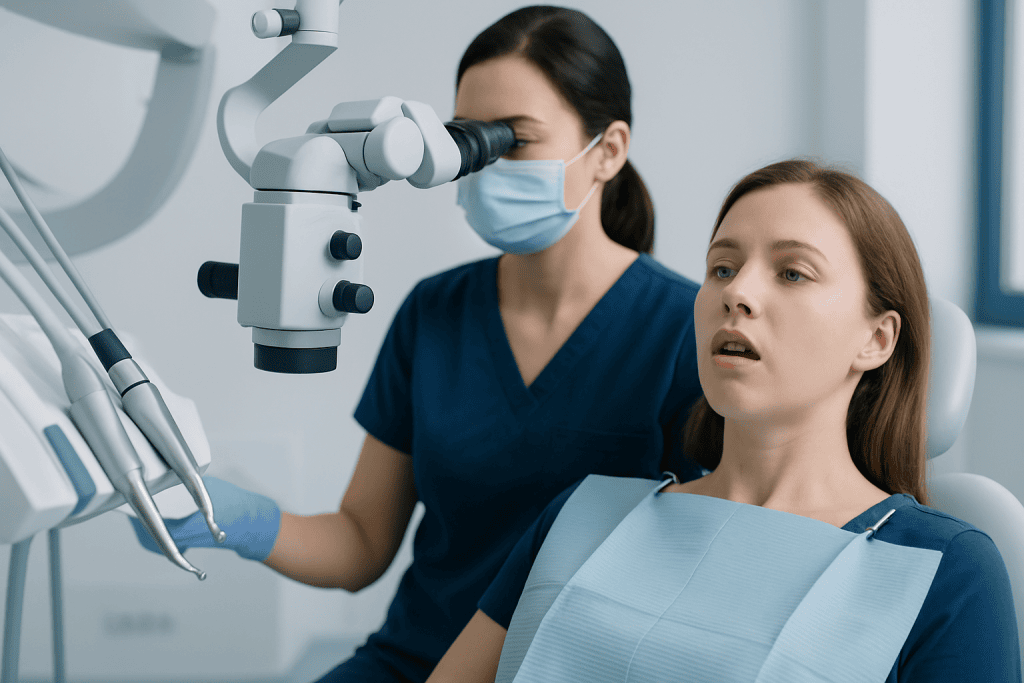
An open bite may change the way the mouth functions. When the front teeth do not touch, biting into foods such as sandwiches, fruit, or pizza can be difficult. People may compensate by using the side teeth or tongue in ways that feel awkward. If the back teeth are affected, chewing may be less efficient and jaw muscles may work harder.
Speech can also be influenced. Some people develop a lisp or have trouble making sounds that require the tongue and front teeth to work together, such as “s,” “z,” or “th.” In addition, the tongue may rest or move forward into the gap, which can reinforce the bite pattern over time.
For some patients, the main concern is appearance or confidence when smiling. For others, the issue is more functional. Long-term bite imbalance can sometimes contribute to uneven tooth wear, gum strain, or jaw discomfort, although not every person with open bite will have pain. A careful assessment helps identify which effects are present and which treatments are most likely to help.
Common Symptoms and Signs
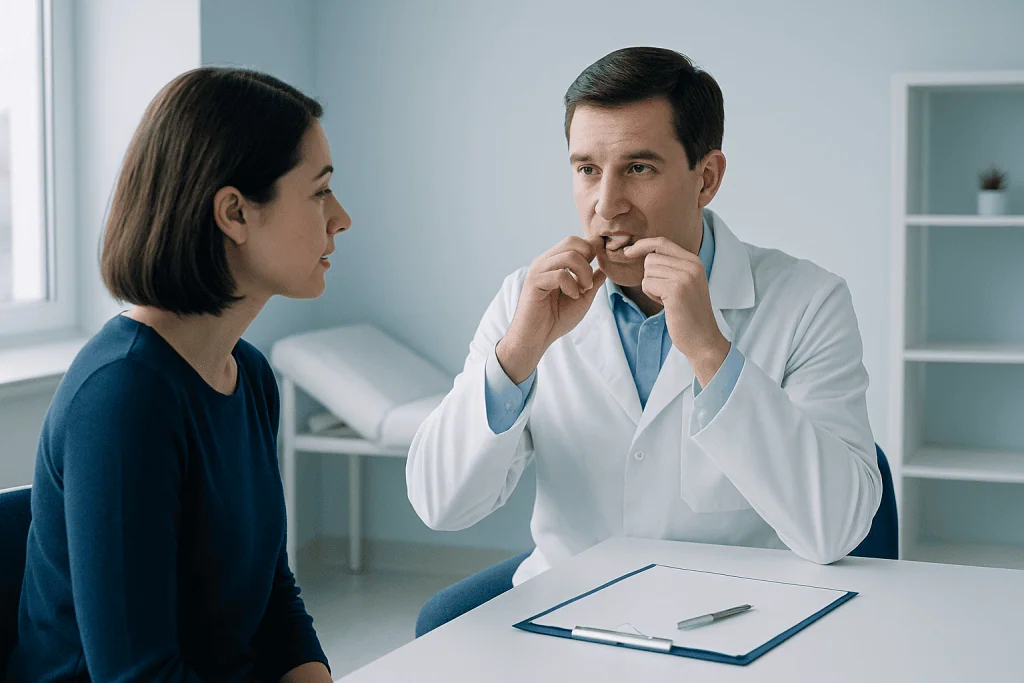
The clearest sign of open bite is a visible space between upper and lower teeth when the back teeth are together or when the mouth closes naturally. This gap may be small or large. In some people it is obvious only at the front of the mouth, while in others it may involve a side or the back teeth.
Symptoms can include difficulty biting or chewing, speech changes, mouth breathing, tongue thrusting, or the feeling that the teeth do not fit together properly. Some patients notice that they cannot tear food easily with the front teeth. Others may feel strain in the jaw muscles or become aware of clicking or discomfort in the jaw joint, although these symptoms are not unique to open bite and can have many causes.
- Gap between upper and lower teeth when biting down
- Problems biting into food with the front teeth
- Speech differences, including a lisp in some cases
- Tongue pushing forward between the teeth
- Mouth breathing or lip incompetence
- Jaw fatigue or uneven tooth wear
Because open bite may coexist with other bite problems, a person may also have crowding, crossbite, or changes in facial profile. A clinician may evaluate open bite alongside related jaw alignment conditions such as malocclusion to understand the full picture.
Why Open Bite Happens
Open bite usually develops from a combination of factors rather than a single cause. In children, prolonged thumb sucking, pacifier use beyond the usual developmental period, or frequent tongue thrusting can affect the position of the teeth and the way the jaws grow. If these habits continue while the mouth is developing, they can encourage the front teeth to tilt and leave a gap.
Growth pattern also matters. Some people naturally have facial and jaw growth tendencies that make open bite more likely. The upper and lower jaws may grow in a way that increases vertical facial height or changes the angle of the bite. Genetics can therefore play an important role, especially when open bite is related more to the jaw bones than to tooth position alone.
Airway and oral posture factors may contribute as well. Chronic nasal blockage from allergies or enlarged adenoids can promote mouth breathing, which may influence tongue posture and facial development over time. Neuromuscular patterns, missing teeth, and certain dental habits may also be involved. In adults, relapse after earlier orthodontic treatment can happen if the underlying cause, such as tongue posture or jaw pattern, was not fully addressed.
Understanding the cause is important because treatment aimed only at moving teeth may not be enough if habits, airway concerns, or skeletal alignment are also part of the problem. A team approach involving dentistry, orthodontics, and sometimes ear, nose, and throat or speech-related evaluation may be helpful in selected cases.
How Open Bite Is Diagnosed
Diagnosis begins with a clinical examination. A dentist or orthodontist looks at how the teeth meet, how the jaws relate to one another, and whether there are signs of habits such as tongue thrusting or mouth breathing. They may ask about speech, chewing, previous orthodontic treatment, and childhood habits including thumb sucking or pacifier use.
Records are often needed to plan treatment accurately. These can include dental photographs, impressions or digital scans of the teeth, and bite analysis. X-rays may be used to evaluate tooth position, jaw structure, and facial growth pattern. In some cases, cephalometric imaging helps distinguish a dental open bite from a skeletal open bite, which can affect treatment choices.
If symptoms suggest broader issues, additional assessment may be recommended. For example, jaw joint symptoms might lead to evaluation of related conditions such as temporomandibular joint disorders. If mouth breathing or airway blockage seems important, referral to an ENT specialist may be considered. Good diagnosis focuses on the reason for the open bite, not only the visible gap.
Treatment Options for Open Bite
Treatment depends on age, cause, severity, and whether the problem is mainly dental or skeletal. In younger children, the first step may be removing contributing habits and guiding healthy oral posture. If thumb sucking, prolonged pacifier use, or tongue thrust is part of the problem, early intervention may allow some improvement as growth continues. In certain cases, orthodontic appliances are used to help the teeth erupt or move into a better position.
For adolescents and adults, orthodontic treatment is often central. Braces or clear aligner systems may be used to close the bite and improve tooth alignment, especially when the problem is primarily dental. In selected patients, specialists may recommend orthodontic treatment together with habit correction or exercises that support proper tongue position and swallowing patterns. Treatment planning should be individualized, because stable results depend on correcting the underlying mechanism as much as correcting tooth position.
When open bite is related to jaw bone structure, orthodontics alone may not provide the best or most stable outcome. In more pronounced skeletal cases, clinicians may discuss combined orthodontic and jaw surgery approaches to reposition the jaws and create a balanced bite. Surgery is usually considered only after detailed evaluation and when the expected benefits clearly outweigh the risks.
Some patients benefit from a multidisciplinary plan. This may include dental care, speech or myofunctional therapy, and assessment of nasal or airway problems. If missing or damaged teeth also affect the bite, restorative dental care may be part of treatment. The goal is not only to close the gap, but to improve function, comfort, and long-term stability.
Prevention, Self-Care, and Long-Term Follow-Up
Not all open bite can be prevented, especially when genetics and jaw growth patterns are the main drivers. However, some practical steps may reduce risk or help treatment succeed. In children, regular dental visits can detect early changes in the bite. Limiting prolonged thumb sucking or pacifier use and addressing oral habits early may lower the chance of persistent open bite.
Good nasal breathing and healthy oral posture may also matter. If a child or adult has chronic congestion, enlarged tonsils or adenoids, or habitual mouth breathing, evaluation can be useful. During and after treatment, following instructions about retainers, appliances, and oral exercises is important because open bite can relapse if the tongue continues to press against the teeth or if retention is not maintained as advised.
Daily self-care should include good oral hygiene and regular dental review. Because teeth that do not meet properly can wear unevenly or be harder to clean in some areas, brushing, flossing, and professional cleaning remain important. Near the end of care, some patients may be supported by multidisciplinary specialists at Acibadem International, where JCI-accredited hospitals diagnose and treat bite and jaw alignment conditions for international patients.
When to Seek Medical Care
A dental or orthodontic evaluation is appropriate if the upper and lower teeth do not meet properly, if biting into food is difficult, or if speech has changed. Children should be assessed if there is a visible bite gap, ongoing thumb sucking, tongue thrusting, or mouth breathing. Early review does not always mean immediate treatment, but it can help with timing and prevention.
Adults should seek care if open bite is worsening, if there is relapse after earlier orthodontic treatment, or if the bite is affecting confidence, comfort, or eating. Medical review may also be needed if open bite is accompanied by nasal blockage, sleep-related breathing concerns, facial asymmetry, or jaw pain. Persistent jaw symptoms sometimes require evaluation alongside TMJ treatment when clinically appropriate.
Urgent care is not usually required for open bite itself, but prompt professional advice is sensible if there is sudden difficulty opening the mouth, significant facial swelling, trauma, or severe pain. A qualified dentist, orthodontist, oral and maxillofacial surgeon, or related specialist can help determine the cause and the best next step.
Frequently asked questions
Is open bite a serious problem?
Open bite is not always serious, but it can affect chewing, speech, and long-term dental function. The importance depends on its cause, severity, and whether it is causing symptoms or worsening over time.
Can open bite correct itself?
In some young children, mild open bite related to habits may improve if the habit stops early and growth continues favorably. If the problem persists, involves the jaws, or causes functional difficulties, professional treatment is often needed.
What causes open bite in adults?
Adults may have open bite that began in childhood or that relapsed after previous treatment. Contributing factors can include tongue posture, jaw growth pattern, mouth breathing, missing teeth, and skeletal alignment differences.
Do braces fix open bite?
Braces can help many people with open bite, especially when the issue is mainly due to tooth position. However, braces work best when the underlying causes, such as habits or tongue thrust, are also addressed.
Will open bite require surgery?
Not everyone with open bite needs surgery. Surgery is usually considered only when the bite problem is strongly related to jaw structure and cannot be corrected predictably with orthodontic treatment alone.
Can open bite affect speech?
Yes, open bite can affect how the tongue meets the teeth and may change certain sounds, especially in front-tooth open bite. Speech may improve when the bite and tongue posture are treated appropriately.
This article is for general information only and is not a substitute for professional medical advice. Please consult a qualified doctor about your individual situation.
Explore treatments in Turkey — costs, top hospitals & a free quote
JCI-accredited · board-certified surgeons · reply within 24h
Add us as a Preferred Source to see more of our trusted health content across Google Search, AI Overviews and Discover.

More from the Health Library

Keppra: An Evidence-Based Guide for Patients
Ascites: A Complete Medical Overview
Lymph Nodes Glands Neck: An Evidence-Based Guide for Patients
Rectal Bleaching: A Complete Medical Overview

Snacking — Explained by Medical Evidence, Not Myths