Orthodontics: What Patients Need to Know

Orthodontics treats tooth alignment and bite problems such as crowding, spacing, overbite, underbite, and crossbite. Treatment options may include braces, clear aligners, retainers, and in some cases other dental or jaw-related procedures.
Key Takeaways
- Orthodontics treats tooth alignment and bite problems such as crowding, spacing, overbite, underbite, and crossbite.
- Treatment options may include braces, clear aligners, retainers, and in some cases other dental or jaw-related procedures.
- Children, teenagers, and adults can all benefit from orthodontic care depending on their needs and oral health.
- Good oral hygiene and regular follow-up visits are important throughout treatment to protect teeth and gums.
- A dental or orthodontic evaluation can help determine the safest and most effective plan for each patient.
Orthodontics is the area of dental care that corrects crowded, crooked, or spaced teeth and problems with how the upper and lower teeth fit together. For many patients, orthodontic treatment improves not only appearance, but also cleaning, chewing comfort, speech, and long-term oral health.
Overview: What orthodontics does
Orthodontics is a branch of dentistry that focuses on moving teeth into better positions and improving the way the upper and lower jaws meet. In practical terms, it helps correct issues such as crowding, spacing, protruding teeth, and bite imbalances. Treatment is designed around function as well as appearance, so the goal is not only a straighter smile but also healthier tooth wear, easier cleaning, and a more balanced bite.
Many people think orthodontics is mainly cosmetic, but that is only part of the picture. Teeth that are difficult to clean because they overlap or twist may be harder to care for over time. Bite problems can also contribute to uneven wear, gum strain, or chewing discomfort in some patients. Orthodontic care aims to improve these underlying issues in a gradual, controlled way.
Orthodontic treatment can be suitable for children, teens, and adults. In children, the focus may be on guiding growth and identifying developing bite problems early. In teenagers and adults, treatment often centers on aligning the teeth and improving the bite with braces or clear aligners. The best option depends on the person’s age, dental development, gum health, and treatment goals.
Signs that orthodontic treatment may help
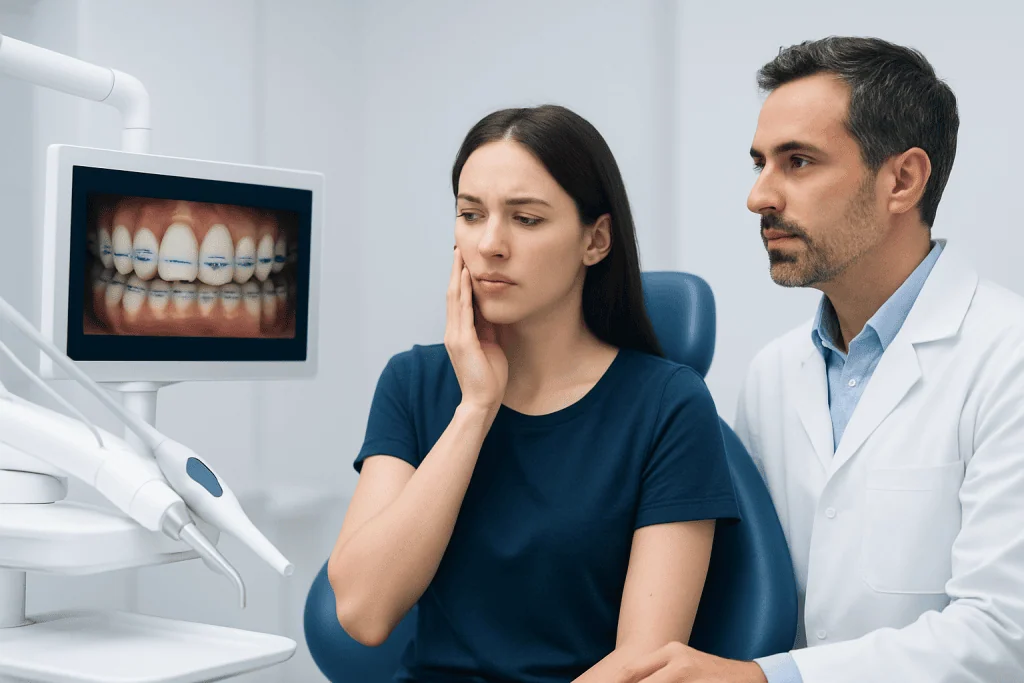
A person may benefit from orthodontics if the teeth look crowded, widely spaced, rotated, or uneven. Another common reason is that the upper and lower teeth do not fit together properly when biting down. These patterns are known as malocclusions and may include overbite, underbite, crossbite, open bite, or deep bite.
Symptoms are not always obvious. Some patients notice frequent cheek biting, jaw fatigue when chewing, or difficulty flossing between crowded teeth. Others may feel self-conscious about the position of their teeth even if they do not have pain. In some cases, speech can be affected, especially if the bite is significantly altered.
Children may show clues such as early or late loss of baby teeth, mouth breathing, thumb-sucking habits that persist, or teeth erupting in unusual positions. A dentist may recommend monitoring growth or arranging an orthodontic assessment if these signs are present. Even when treatment is not needed right away, early evaluation can help plan the right timing.
- Crooked, crowded, or gapped teeth
- Upper and lower teeth that do not meet comfortably
- Difficulty biting, chewing, or cleaning teeth
- Jaw strain or uneven tooth wear
- Concerns about smile alignment or facial balance
Why bite and tooth alignment problems happen

Orthodontic problems can develop for several reasons. Genetics often plays a major role, including inherited jaw size, tooth size, and facial growth patterns. For example, a child may inherit larger teeth and a smaller jaw, which can lead to crowding as permanent teeth come in. The way the jaws grow can also affect whether the bite becomes too deep, too far forward, or not well matched.
Habits and early-life factors may contribute as well. Long-term thumb sucking, prolonged pacifier use, mouth breathing, or tongue thrusting can influence how teeth and jaws develop. Early loss of baby teeth from injury or decay may allow nearby teeth to shift, reducing space for permanent teeth.
Some patients also have dental or jaw conditions that overlap with orthodontic concerns. Impacted teeth, especially canines, may require careful planning. Severe jaw mismatch may need combined orthodontic and surgical evaluation. If treatment involves broader dental restoration or bite rehabilitation, coordination with specialists in dental treatment can be helpful.
How orthodontists assess the problem
An orthodontic assessment usually begins with a detailed dental history and examination. The clinician looks at tooth position, spacing, crowding, bite relationship, jaw movement, gum health, and facial balance. This helps identify whether the issue is mainly tooth alignment, jaw growth, or a combination of both.
Records are commonly taken to guide planning. These may include dental photographs, digital scans or impressions, and X-rays. Imaging can show the roots of the teeth, bone support, impacted teeth, and the stage of development in younger patients. The information is used to design a treatment plan that is tailored to the patient’s mouth rather than based on appearance alone.
A careful diagnosis is especially important when there are related conditions such as gum disease, extensive restorations, missing teeth, or jaw joint symptoms. Some people with significant jaw discrepancy may also be assessed for wider corrective approaches that can include maxillofacial surgery alongside orthodontic care. In adults, overall gum and bone health should be stable before teeth are moved.
Treatment options in orthodontics
Orthodontic treatment is individualized. Traditional braces use brackets and wires to move teeth gradually and precisely. They can be very effective for simple or complex tooth movements. Clear aligners are removable trays that apply controlled pressure in stages and may be preferred by patients who want a less noticeable option. However, they are not ideal for every case, and success depends on wearing them as instructed.
Other tools may be used as part of a plan, including space maintainers, expanders, elastics, and retainers. In growing children, appliances may sometimes help guide jaw development. For adults, treatment may involve preparing the bite for restorations such as crowns or implants, or improving access for better cleaning around crowded teeth.
When the teeth are severely crowded or the jaws are not well aligned, treatment can become more complex. Some patients need teeth removed to create space, while others may need management of impacted teeth. In selected cases, orthodontics is coordinated with broader oral and dental health care or with treatment of related conditions such as jaw cyst if an underlying abnormality affects tooth position or eruption.
After active treatment, most patients need retainers. Retainers help keep teeth in their new positions because teeth can shift over time. Wearing retainers as advised is an important part of long-term success and not a minor afterthought.
Daily care during treatment and how to support results
Good home care is essential during orthodontic treatment. Braces and aligners can trap plaque around teeth and gums, so brushing and flossing need extra attention. Patients with aligners should remove them for eating and clean the trays regularly. Those with braces may benefit from interdental brushes, floss aids, or a water flosser, depending on their dentist’s guidance.
Food choices matter too. Hard, sticky, or very chewy foods can damage braces and prolong treatment. Sugary drinks and frequent snacking can raise the risk of tooth decay, especially if cleaning is difficult. A balanced diet and regular dental checkups support healthy gums and enamel throughout treatment.
It is also important to attend adjustment or review appointments. Orthodontic tooth movement happens in steps, and missed visits can slow progress or lead to avoidable problems. Mild tenderness after adjustments is common and usually settles, but ongoing pain or a broken appliance should be reported.
- Brush carefully around every tooth and appliance
- Keep regular dental cleanings and checkups
- Follow instructions on elastics, aligner wear, or retainer use
- Avoid foods that can bend wires or loosen brackets
- Contact the clinic if an appliance breaks or causes persistent irritation
When to seek medical care
Many orthodontic concerns are not emergencies, but some symptoms should prompt timely evaluation. A patient should seek professional advice if there is persistent tooth or jaw pain, swelling, bleeding gums, loose teeth, difficulty chewing, or sudden changes in how the bite fits together. These symptoms may not be caused by orthodontics alone and should be assessed properly.
Patients already in treatment should contact their dental team if a wire is causing injury, a bracket comes off, an aligner no longer fits, or a retainer breaks. These issues are usually manageable, but early attention can prevent delays and reduce discomfort. If there is facial swelling, fever, trauma, or signs of infection, urgent dental or medical care is appropriate.
Orthodontics works best when it is part of comprehensive oral care. Patients may first speak with a general dentist, who can identify whether referral to an orthodontist or another specialist is needed. Near the end of the treatment journey, some patients may also benefit from coordinated multidisciplinary care; Acibadem International’s specialists in JCI-accredited hospitals diagnose and treat dental and jaw conditions for international patients when this is appropriate.
Frequently asked questions
What is orthodontics used for?
Orthodontics is used to correct tooth alignment and bite problems. It can help with crowded teeth, gaps, overbite, underbite, crossbite, and other issues that affect oral function or appearance.
Is orthodontic treatment only for children and teenagers?
No. Adults can also have orthodontic treatment, and many do so successfully. The right approach depends on tooth position, gum health, bone support, and the patient’s overall dental needs.
Are braces better than clear aligners?
Neither option is universally better; each has strengths and limitations. Braces can be especially useful for more complex movements, while clear aligners may be convenient and less visible for suitable cases.
How long does orthodontic treatment usually take?
Treatment length varies from person to person. It depends on how complex the alignment problem is, the type of treatment used, growth stage, and how consistently the patient follows instructions such as aligner wear or elastic use.
Does orthodontic treatment hurt?
Orthodontic treatment can cause mild soreness or pressure, especially after adjustments or when starting a new aligner tray. This discomfort is usually temporary and often improves within a few days.
Why are retainers needed after braces or aligners?
Retainers help keep teeth from drifting back toward their previous positions. Teeth naturally tend to shift over time, so wearing retainers as advised is an important part of maintaining results.
References
- American Association of Orthodontists
- American Dental Association
- National Institute of Dental and Craniofacial Research
- Mayo Clinic
- NHS
This article is for general information only and is not a substitute for professional medical advice. Please consult a qualified doctor about your individual situation.
Orthodontics in Turkey — costs, top hospitals & a free quote
JCI-accredited · board-certified surgeons · reply within 24h
Add us as a Preferred Source to see more of our trusted health content across Google Search, AI Overviews and Discover.

More from the Health Library

Arginine and: An Evidence-Based Guide for Patients

GERD: A Complete Medical Overview

Fluoxetine Interactions With Medicines and Supplements

High Sugar Fruits: A Complete Medical Overview

Potatoes: An Evidence-Based Guide for Patients