Orthopedic Recovery Timeline: Healing, Rehab, and Return to Activity
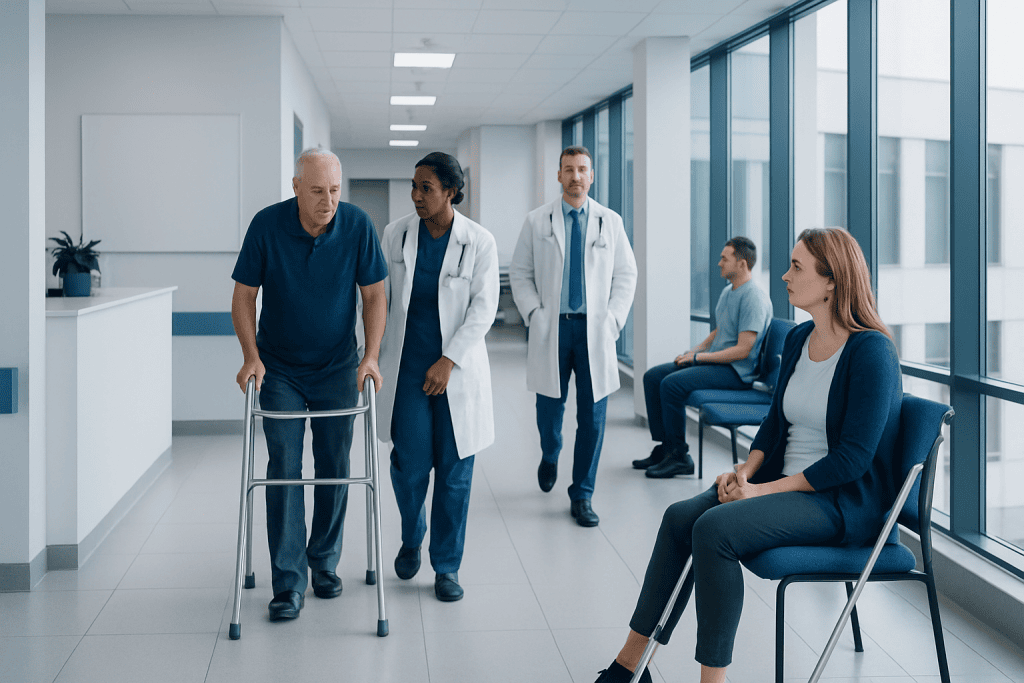
Recovery speed depends on the type of injury or surgery, age, general health, and adherence to rehabilitation. Pain and swelling usually improve before strength, balance, and endurance fully return.
Key Takeaways
- Recovery speed depends on the type of injury or surgery, age, general health, and adherence to rehabilitation.
- Pain and swelling usually improve before strength, balance, and endurance fully return.
- Physical therapy and home exercises are often essential parts of safe orthopedic recovery.
- Returning to activity too soon can increase the risk of setbacks, reinjury, or delayed healing.
- Regular follow-up helps doctors monitor healing and adjust treatment or rehabilitation plans.
An orthopedic recovery timeline describes the stages of healing after a bone, joint, muscle, tendon, or ligament injury or surgery. While every person heals at a different pace, most recoveries follow a predictable pattern that includes early protection, gradual rehabilitation, and a careful return to daily activities and exercise.
Overview of the Orthopedic Recovery Timeline
The orthopedic recovery timeline is the period of healing and rehabilitation after an injury to the bones, joints, ligaments, tendons, muscles, or spine, or after orthopedic surgery. It may include recovery from fractures, joint replacements, sports injuries, tendon repairs, or procedures such as arthroscopy. Although each condition is different, recovery usually follows stages rather than happening all at once.
In the earliest phase, the main goals are to protect the affected area, control pain and swelling, and allow tissues to begin healing. This may involve rest, splints, casts, braces, crutches, or temporary activity restrictions. Some people also need early gentle movement to prevent stiffness and support circulation.
As healing progresses, rehabilitation becomes more important. This stage often focuses on restoring range of motion, rebuilding strength, improving balance and coordination, and returning to everyday function. For some patients, this may include formal physical therapy, occupational therapy, or a structured home exercise plan.
The final stage is a gradual return to work, sports, travel, and other regular activities. Even when pain is much better, tissues may still be remodeling and regaining strength. For that reason, the recovery timeline is not only about feeling better, but also about returning safely and reducing the risk of reinjury.
Typical Stages of Healing
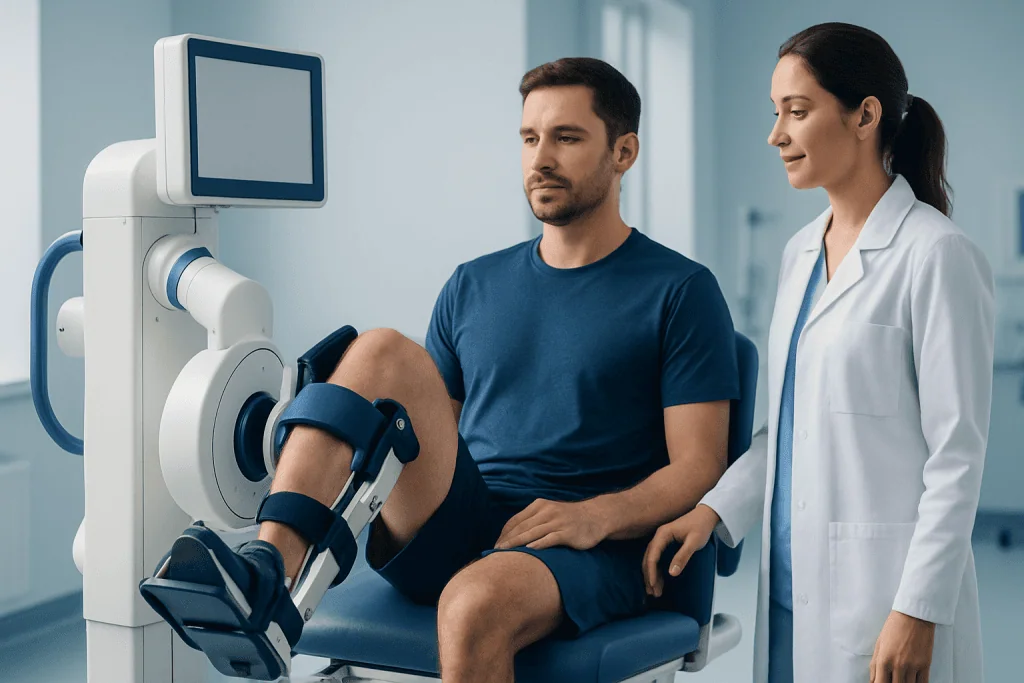
Orthopedic healing generally happens in overlapping stages. The first is the inflammatory phase, when the body responds to injury or surgery with swelling, warmth, and discomfort. This is a normal part of repair, even though it can be unpleasant. During this time, rest, elevation, appropriate pain relief, and following medical instructions are especially important.
The next stage is tissue repair. Bone begins forming new structure, soft tissues start reconnecting, and surgical wounds continue closing and strengthening. Depending on the problem, this phase can last several weeks or longer. Many people notice gradual improvements in pain, but they may still have stiffness, weakness, or limited mobility.
The later stage is remodeling and functional recovery. In this phase, tissues continue maturing and adapting to movement and load. Bone becomes stronger, muscles regain endurance, and joints may become more flexible with guided exercise. This process can continue for months after the initial injury or operation, especially after major procedures such as knee replacement or ligament reconstruction.
A few broad patterns are common:
- Minor sprains or strains: often improve over days to several weeks.
- Uncomplicated fractures: commonly need several weeks for basic healing, with longer rehabilitation for full function.
- Tendon or ligament repairs: may require a protected period followed by months of rehabilitation.
- Joint replacement or spine surgery: often involves steady recovery over several months.
What Affects Recovery Time?
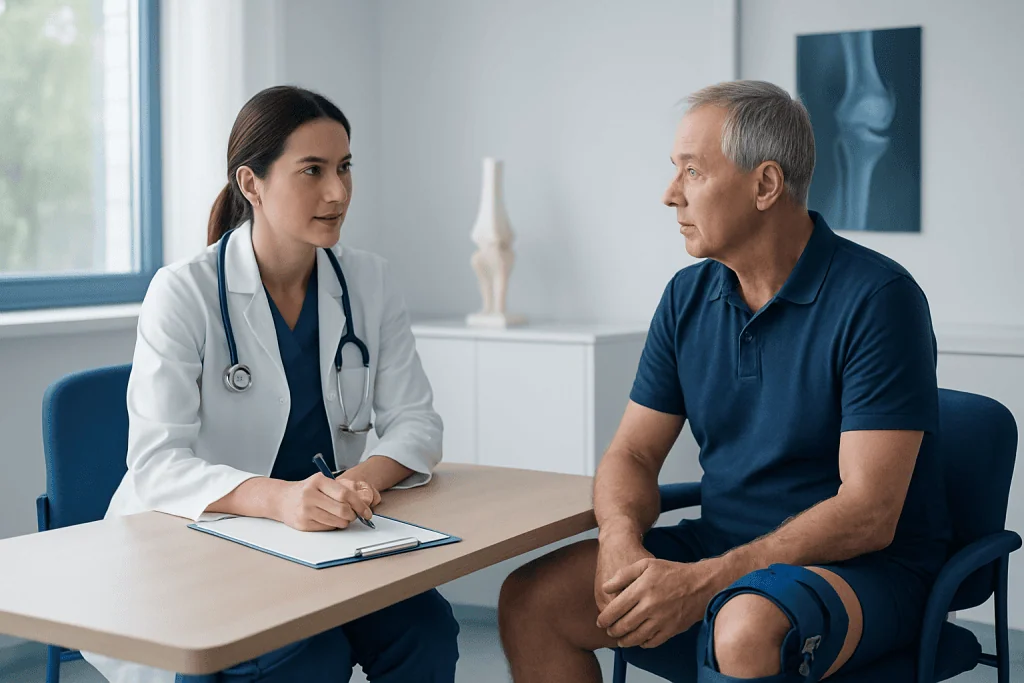
No single timeline fits everyone. Recovery can be influenced by the exact diagnosis, the severity of the injury, whether surgery was needed, and which body part is involved. For example, a small ankle sprain heals differently from a complex fracture or from recovery after hip replacement. Weight-bearing joints such as the knee, hip, and ankle may also need more structured progression because they are constantly used in daily life.
Personal health factors matter as well. Age, bone quality, muscle strength, circulation, nutrition, sleep, and chronic conditions such as diabetes can all affect healing. Smoking and nicotine use are especially important because they can slow bone and soft-tissue repair. Some medications and previous injuries may also influence the speed of recovery.
Rehabilitation habits often make a meaningful difference. Patients who follow instructions about bracing, wound care, protected movement, and physical therapy are more likely to regain function efficiently. On the other hand, doing too much too soon or avoiding movement for too long can both delay progress. Recovery usually works best when activity is increased gradually and purposefully.
Emotional and practical factors also play a role. Pain, fear of movement, work demands, family responsibilities, and limited access to rehabilitation can affect how someone progresses. A realistic plan and regular communication with the care team can help patients understand what is normal and what may need extra attention.
Symptoms and Milestones During Recovery
Many symptoms are expected during orthopedic recovery, especially early on. Pain, swelling, bruising, stiffness, fatigue, and temporary weakness are common after injury or surgery. These symptoms usually improve gradually rather than disappearing overnight. Some days may feel better than others, and mild ups and downs are often part of the process.
Useful recovery milestones include reduced swelling, improved sleep, less need for pain medication, easier walking or daily tasks, and better joint movement. Later milestones may include climbing stairs more comfortably, returning to driving if medically permitted, performing work duties, or progressing back to exercise. In sports medicine, the goal is not only symptom relief but also safe restoration of strength, balance, and movement quality.
After some procedures, there may be specific milestones that doctors track. These can include wound healing, bone alignment on imaging, the ability to bear weight, or recovery of muscle control. For example, after treatment for an ACL tear, a patient may progress through guided phases before running, pivoting, or returning to competitive sport.
It is also important to know that the absence of pain does not always mean complete healing. A person may feel much better before bone or repaired tissue is fully ready for heavy loads. That is why medical follow-up and rehabilitation testing are often just as important as symptom improvement when deciding on a return to activity.
Diagnosis, Monitoring, and Follow-Up
Orthopedic recovery begins with an accurate diagnosis. Doctors usually assess the patient through medical history, physical examination, and sometimes imaging such as X-rays, ultrasound, CT scans, or MRI. These tests help identify the type of injury, the extent of damage, and whether surgery, immobilization, or rehabilitation is the best next step.
After treatment starts, follow-up visits help monitor progress. A doctor may check pain levels, swelling, range of motion, walking pattern, strength, and wound healing. If a fracture or surgical repair is involved, repeat imaging may be used to confirm that healing is progressing as expected. These appointments are also a good time to ask questions about work, travel, exercise, and activity restrictions.
Rehabilitation professionals play a key role in monitoring function. Physical therapists may measure flexibility, muscle activation, balance, and movement patterns. This helps tailor the program to the patient’s needs and can show whether they are ready to advance safely. In more complex cases, recovery may involve coordinated care between orthopedic surgeons, physiatrists, pain specialists, and therapists.
If recovery is slower than expected, doctors may investigate possible reasons such as persistent inflammation, joint stiffness, infection, hardware problems, delayed bone union, or another hidden injury. Early reassessment can help prevent a temporary delay from turning into a long-term problem.
Treatment, Rehabilitation, and Return to Activity
Treatment during orthopedic recovery depends on the underlying injury or procedure. Common approaches include rest, ice, compression, elevation, bracing, casts, walking aids, pain management, wound care, and guided exercise. Some patients recover without surgery, while others need procedures such as fracture fixation, tendon repair, arthroscopy, or joint replacement. In selected cases, arthroscopy may allow diagnosis and treatment through smaller incisions, followed by a structured rehabilitation plan.
Physical therapy is often one of the most important parts of recovery. Early therapy may focus on swelling control, gentle movement, and safe transfers or walking. Later, exercises usually target flexibility, strength, core stability, endurance, and functional tasks such as stair climbing or getting up from a chair. Sports-specific drills may be added for athletes when basic strength and control have returned.
Returning to activity should happen in stages. Daily living tasks usually come first, followed by work duties, low-impact exercise, and eventually more demanding activities if appropriate. Patients often benefit from clear guidance on when to increase walking distance, carry weight, drive, swim, cycle, or return to sport. Advancing too quickly can overload healing tissues, while advancing too slowly can contribute to stiffness and weakness.
For people with chronic or severe joint conditions, the recovery process may also include learning how to protect the joint long term. This can be relevant in conditions such as osteoarthritis, where treatment aims not only to reduce symptoms but also to improve function, movement confidence, and quality of life over time.
Self-Care, Prevention, and When to See a Doctor
Good self-care can support orthopedic healing. Patients are usually advised to follow weight-bearing instructions carefully, attend follow-up visits, and complete prescribed home exercises. Getting enough sleep, eating a balanced diet with adequate protein and key nutrients, and staying hydrated may also help the body repair tissue. Avoiding tobacco and nicotine is especially important because they can slow recovery.
In day-to-day life, prevention matters both during and after recovery. Supportive footwear, safe home environments, proper lifting technique, and gradual exercise progression can reduce strain on healing structures. Warming up before activity, strengthening surrounding muscles, and improving balance may also help lower the risk of future injuries. People returning to sport should follow a sport-specific progression rather than jumping back to full intensity at once.
Patients should contact a doctor promptly if they notice severe or worsening pain, rapidly increasing swelling, fever, wound drainage, redness spreading around an incision, numbness, new weakness, calf pain, chest symptoms, or sudden loss of function. These signs do not always mean a serious complication, but they should be assessed without delay.
Persistent stiffness, pain that is not improving, or difficulty returning to daily activities are also good reasons to seek review. Near the end of recovery, some patients may choose care at specialized centers; Acibadem International’s multidisciplinary specialists and JCI-accredited hospitals diagnose and treat orthopedic conditions for international patients when coordinated evaluation and rehabilitation are needed.
Frequently asked questions
How long does orthopedic recovery usually take?
The orthopedic recovery timeline varies widely depending on the injury, surgery, and the person's overall health. Minor soft-tissue injuries may improve within weeks, while fractures, tendon repairs, and joint replacements often require several months for fuller recovery.
Is it normal to still have pain and swelling during recovery?
Yes, some pain, swelling, and stiffness are common during orthopedic healing, especially in the early stages. These symptoms should generally improve over time, even if progress is gradual and not perfectly steady from day to day.
When can someone return to exercise after an orthopedic injury or surgery?
Return to exercise should be guided by a doctor or physical therapist rather than by pain alone. Light activity may begin earlier, but higher-impact exercise or sports usually requires adequate healing, strength, balance, and movement control.
Does physical therapy really make a difference?
In many cases, yes. Physical therapy can help restore movement, rebuild strength, improve function, and reduce the risk of stiffness or reinjury. A structured home program is often important even when formal therapy sessions are limited.
What can slow down orthopedic healing?
Recovery may be slower with smoking, poor nutrition, inadequate sleep, chronic illnesses, more severe injuries, or not following rehabilitation instructions. Returning to activity too quickly can also lead to setbacks and delayed progress.
How does someone know if recovery is off track?
Warning signs include worsening pain, increasing swelling, fever, wound problems, new numbness, weakness, or loss of function. Recovery may also need reassessment if progress has stopped for a prolonged period or daily activities remain very difficult.
References
- American Academy of Orthopaedic Surgeons
- National Institute of Arthritis and Musculoskeletal and Skin Diseases
- MedlinePlus
- National Health Service
- OrthoInfo
This article is for general information only and is not a substitute for professional medical advice. Please consult a qualified doctor about your individual situation.
Joint and spine care in Turkey — expert assessment & treatment
JCI-accredited · board-certified surgeons · reply within 24h
Add us as a Preferred Source to see more of our trusted health content across Google Search, AI Overviews and Discover.

Orthopedics & Spine
Care for bones, joints and the musculoskeletal system, including joint replacement, sports injuries and trauma.
125 specialists in this unitMore from the Health Library



Related Specialists
Prof. Dr. H. Armağan Arıcan
Radiation Oncology
Assoc. Prof. Dr. Umut Karabulut
Cardiology
Dr. Suat Sevgen
Emergency Service
Dt. Emrah Özmutlu
Oral Dental & Maxillofacial Surgery