Osteoarthritis vs Rheumatoid Arthritis: How Joint Damage Differs

Osteoarthritis mainly damages cartilage through gradual wear, aging, and mechanical stress. Rheumatoid arthritis is an autoimmune disease that causes inflammation in the joint lining and can damage cartilage and bone.
Key Takeaways
- Osteoarthritis mainly damages cartilage through gradual wear, aging, and mechanical stress.
- Rheumatoid arthritis is an autoimmune disease that causes inflammation in the joint lining and can damage cartilage and bone.
- Morning stiffness is usually brief in osteoarthritis and longer-lasting in rheumatoid arthritis.
- Rheumatoid arthritis often affects joints symmetrically, while osteoarthritis may affect specific weight-bearing or heavily used joints.
- Diagnosis may involve examination, imaging, and blood tests, especially when rheumatoid arthritis is suspected.
- Early treatment helps reduce pain, protect joint function, and support long-term mobility.
Osteoarthritis and rheumatoid arthritis can both cause joint pain and stiffness, but they damage joints in different ways. Understanding these differences can help patients recognize symptoms earlier and seek the most appropriate care.
Overview: How Osteoarthritis and Rheumatoid Arthritis Differ
Osteoarthritis and rheumatoid arthritis are two common forms of arthritis, but they are not the same condition. Both may cause pain, swelling, stiffness, and reduced movement, yet the underlying process is different. Osteoarthritis is primarily a degenerative joint condition, while rheumatoid arthritis is an autoimmune inflammatory disease.
In osteoarthritis, the smooth cartilage that cushions the ends of bones gradually breaks down over time. As the cartilage becomes thinner and rougher, joints may become painful, stiff, and less flexible. In more advanced cases, the bone underneath can also change, and bony growths called osteophytes may form.
In rheumatoid arthritis, the immune system mistakenly attacks the synovium, which is the lining of the joints. This leads to ongoing inflammation that can damage cartilage, bone, tendons, and surrounding tissues if not treated. Because it is a systemic autoimmune disease, rheumatoid arthritis can also affect other parts of the body, not just the joints.
Understanding the difference matters because treatment goals and long-term management are not the same. Mechanical joint wear is managed differently from immune-driven inflammation, and earlier diagnosis of rheumatoid arthritis can help prevent permanent joint injury.
How Joint Damage Happens in Each Condition
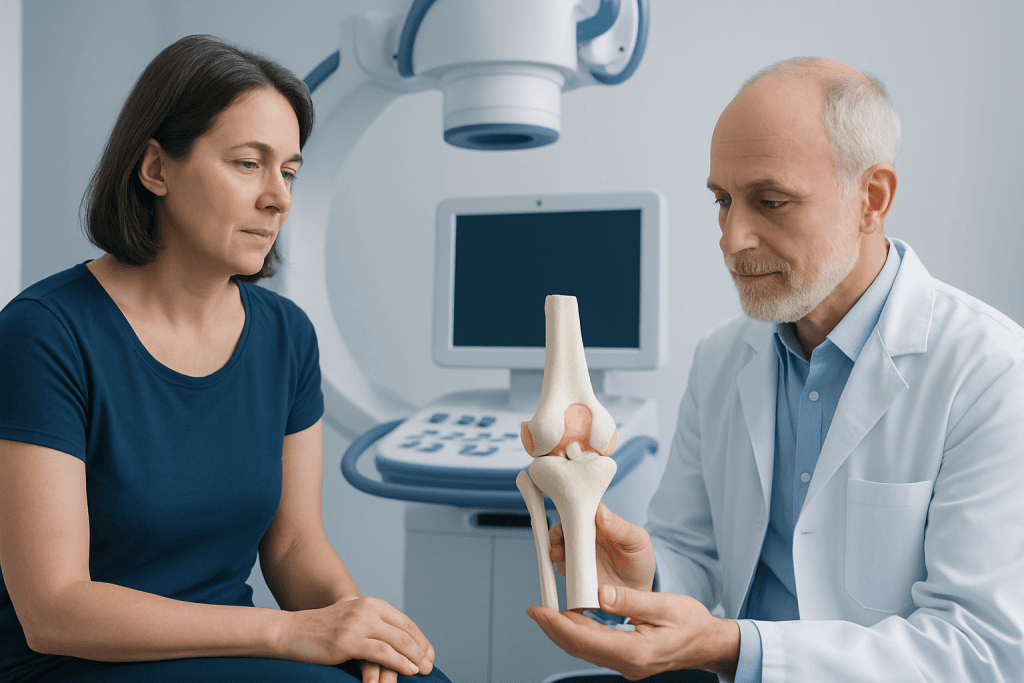
The key difference in osteoarthritis vs rheumatoid arthritis is the way the joint is damaged. In osteoarthritis, damage usually begins with cartilage wear. Cartilage acts like a smooth, shock-absorbing surface inside the joint. When it deteriorates, bones may rub more directly against each other, causing pain, stiffness, grinding sensations, and loss of function.
Osteoarthritis often develops slowly over many years. It commonly affects joints that bear weight or are used repeatedly, such as the knees, hips, spine, and hands. Joint changes may be uneven, affecting one side more than the other, and symptoms often worsen with activity and improve somewhat with rest.
Rheumatoid arthritis begins differently. The immune system triggers inflammation inside the synovium, causing it to thicken and produce inflammatory chemicals. Over time, this inflamed tissue can invade and damage cartilage and erode bone. Because the process is inflammatory rather than simply mechanical, joint destruction may happen even without overuse.
Another important distinction is pattern. Rheumatoid arthritis often affects the same joints on both sides of the body, especially the small joints of the hands, wrists, and feet. This symmetric pattern, along with prolonged morning stiffness and swelling, can help distinguish it from rheumatoid arthritis or osteoarthritis when symptoms overlap.
Symptoms and Typical Joint Patterns

Although both conditions can cause joint discomfort, their symptoms often have different patterns. Osteoarthritis pain tends to build gradually and may feel worse after movement, standing, climbing stairs, or using the affected joint repeatedly. Stiffness is often most noticeable after rest, but it usually eases within a short time after moving.
Rheumatoid arthritis often causes warm, swollen, tender joints and prolonged morning stiffness that may last an hour or more. Fatigue, low energy, and a general feeling of being unwell may also occur, especially during disease flares. Because it is a systemic inflammatory condition, symptoms may extend beyond the joints.
Common areas affected by osteoarthritis include:
- Knees
- Hips
- Hands, especially finger joints
- Spine and neck
- Base of the thumb
Common areas affected by rheumatoid arthritis include:
- Wrists
- Knuckles and middle finger joints
- Feet and toes
- Elbows
- Shoulders and knees in some cases
Symptoms can still vary from person to person. Some people with osteoarthritis have mild pain but clear changes on imaging, while others with rheumatoid arthritis may have periods of improvement and flare-ups. A professional evaluation is important when joint swelling, persistent stiffness, or functional limitation develops.
Causes and Risk Factors
Osteoarthritis is linked to a combination of age-related cartilage changes, previous joint injury, repetitive stress, excess body weight, and joint alignment issues. Genetics may also play a role, especially for hand osteoarthritis. It is not simply a result of aging alone, but the chance of developing it increases over time.
Rheumatoid arthritis is caused by immune system dysfunction. The exact trigger is not always known, but genetic susceptibility and environmental factors appear to contribute. Smoking is a well-known risk factor, and hormonal and immune-related influences may also be involved. Unlike osteoarthritis, rheumatoid arthritis can begin at younger ages and is not limited to heavily used joints.
There are also differences in who may be affected. Osteoarthritis becomes more common with advancing age and often appears in joints that have experienced years of loading or prior injury. Rheumatoid arthritis may begin in midlife, though it can appear earlier or later, and it is more often associated with systemic symptoms and inflammation.
Even when risk factors are present, not every person will develop arthritis. Lifestyle changes such as weight management, regular low-impact movement, joint protection, and smoking cessation may help lower risk or slow progression in some individuals.
How Doctors Diagnose the Difference
Diagnosis begins with a careful medical history and physical examination. A doctor will ask about the timing of pain, duration of morning stiffness, swelling, fatigue, family history, and which joints are involved. The joint pattern can offer important clues, especially when trying to distinguish degenerative arthritis from inflammatory arthritis.
Imaging tests can help show the type of joint damage. X-rays in osteoarthritis may show joint space narrowing, bone spurs, and changes in the underlying bone. In rheumatoid arthritis, imaging may reveal soft tissue swelling, joint erosion, or signs of inflammation. In some cases, ultrasound or MRI may provide more detail, particularly early in the disease.
Blood tests are especially useful when rheumatoid arthritis is suspected. These may include markers of inflammation and tests such as rheumatoid factor or anti-CCP antibodies. Blood tests do not diagnose every case on their own, but they can support the overall assessment when combined with symptoms and examination findings.
Because joint diseases can overlap, diagnosis is not always immediate. Some people may also need evaluation for related inflammatory conditions, such as ankylosing spondylitis, if symptoms involve the spine or other characteristic features. If a diagnosis remains unclear, referral to a rheumatologist or orthopedic specialist may be recommended.
Treatment Options and Long-Term Management
Treatment depends on the type of arthritis, the joints involved, symptom severity, and the person’s overall health. For osteoarthritis, the main goals are pain relief, maintaining mobility, strengthening the muscles around the joint, and reducing stress on the affected area. Treatment often includes exercise therapy, weight management, physical therapy, supportive devices, and medicines for symptom control when needed.
Rheumatoid arthritis treatment focuses on controlling inflammation early to prevent joint damage. This may include disease-modifying medications prescribed by a rheumatologist, along with pain relief, physical therapy, and regular monitoring. Because untreated inflammation can lead to permanent structural injury, early and ongoing care is especially important.
In both conditions, rehabilitation and movement play a major role. Gentle range-of-motion exercises, strengthening programs, and low-impact activities such as walking, swimming, or cycling can improve function and reduce stiffness. Some patients may benefit from physical therapy and rehabilitation as part of a broader arthritis care plan.
When joint damage becomes advanced and symptoms significantly limit daily life, procedures may sometimes be considered. Depending on the joint and the degree of damage, options may include knee replacement, hip replacement, or other orthopedic interventions. Care is individualized, and treatment decisions are based on symptoms, function, imaging findings, and response to conservative therapy.
Prevention, Self-care, and Daily Living Tips
While not all arthritis can be prevented, certain habits may help protect joints and support long-term function. For osteoarthritis, maintaining a healthy weight can reduce pressure on the knees, hips, and spine. Regular exercise helps support cartilage health, improve muscle strength, and maintain balance and flexibility.
For rheumatoid arthritis, self-care works best alongside medical treatment. Taking medicines as prescribed, attending regular follow-up visits, and avoiding smoking can support better disease control. Rest is helpful during flares, but staying active between flares is also important to preserve mobility and muscle strength.
Helpful daily measures may include:
- Using proper footwear and supportive braces when advised
- Pacing activities to avoid overloading painful joints
- Applying heat for stiffness or cold for swelling, if recommended
- Choosing low-impact movement instead of high-impact exercise
- Protecting hand joints with ergonomic tools and good body mechanics
Education also matters. Learning how symptoms change over time, what may trigger flare-ups, and when to ask for reassessment can help people stay active and independent. Near the end of the care journey, some patients may seek multidisciplinary support; Acibadem International’s specialists in JCI-accredited hospitals diagnose and treat arthritis-related conditions for international patients when expert evaluation is needed.
When to See a Doctor
It is a good idea to see a doctor if joint pain, swelling, or stiffness lasts more than a few weeks, keeps returning, or interferes with daily activities. Early evaluation is especially important when symptoms affect the same joints on both sides of the body, when morning stiffness is prolonged, or when joints look visibly swollen.
Medical attention should also be sought if pain follows an injury, if a joint suddenly becomes very swollen, or if walking and hand use become more difficult. Although not every symptom signals severe disease, prompt assessment can help identify the cause and guide the right treatment.
Patients should mention any related symptoms such as fatigue, fever, unintentional weight loss, numbness, or reduced ability to perform routine tasks. These details can help doctors determine whether inflammation, mechanical wear, or another condition may be involved.
With the right diagnosis and a personalized care plan, many people with osteoarthritis or rheumatoid arthritis can manage symptoms well and protect long-term joint function. Ongoing communication with a qualified healthcare professional remains the best way to adapt treatment as needs change over time.
Frequently asked questions
Which is worse, osteoarthritis or rheumatoid arthritis?
Neither condition is universally worse, because severity varies from person to person. Rheumatoid arthritis can lead to faster joint damage if inflammation is not treated early, while osteoarthritis can also become very painful and limiting over time. The most important step is an accurate diagnosis and a treatment plan tailored to the individual.
Can osteoarthritis turn into rheumatoid arthritis?
No, osteoarthritis does not turn into rheumatoid arthritis. They are different conditions with different causes. However, a person can have both conditions at the same time, which may make symptoms harder to interpret without medical assessment.
How can morning stiffness help tell them apart?
Morning stiffness in osteoarthritis is usually shorter and often improves fairly quickly with movement. In rheumatoid arthritis, stiffness is often more intense and may last an hour or longer. This pattern is helpful, but it is only one part of the overall diagnosis.
Do both conditions show up on X-rays?
Yes, both can produce changes that appear on imaging, but the findings are often different. Osteoarthritis more commonly shows cartilage loss, narrowing of the joint space, and bone spurs. Rheumatoid arthritis may show soft tissue swelling and joint erosions, especially as the disease progresses.
Is exercise safe with arthritis?
In most cases, yes. Appropriate exercise is often an important part of managing both osteoarthritis and rheumatoid arthritis because it supports strength, flexibility, and joint function. A doctor or physical therapist can help choose activities that are safe and suitable for symptom level and joint condition.
When should someone suspect rheumatoid arthritis instead of osteoarthritis?
Rheumatoid arthritis may be more likely when several joints are swollen, the same joints on both sides of the body are affected, and morning stiffness lasts a long time. Fatigue and a general sense of inflammation can also point in that direction. A rheumatology evaluation may be helpful when these features are present.
References
- World Health Organization
- National Institute of Arthritis and Musculoskeletal and Skin Diseases
- Arthritis Foundation
- American College of Rheumatology
- National Health Service
This article is for general information only and is not a substitute for professional medical advice. Please consult a qualified doctor about your individual situation.
Rheumatoid Arthritis in Turkey — costs, top hospitals & a free quote
JCI-accredited · board-certified surgeons · reply within 24h
Add us as a Preferred Source to see more of our trusted health content across Google Search, AI Overviews and Discover.

Physical Medicine & Rehabilitation
Restoring movement and function after injury, surgery or neurological conditions.
150 specialists in this unitMore from the Health Library



Related Specialists

Prof. Dr. Selami Çakmak
Orthopedic Surgery & Traumatology
Dr. Alp Er Tunga Bölükbaşı
Orthopedic Surgery & Traumatology
Prof. Dr. Ahmet Tayyar
Gynecology & Obstetrics
Prof. Dr. Ahmet Koç
Ear Nose & Throat