Osteoarthrosis: Symptoms, Causes, and Treatment Options

Osteoarthrosis most often affects the knees, hips, hands, and spine. Common symptoms include joint pain with activity, stiffness after rest, and reduced range of motion.
Key Takeaways
- Osteoarthrosis most often affects the knees, hips, hands, and spine.
- Common symptoms include joint pain with activity, stiffness after rest, and reduced range of motion.
- Age, previous joint injury, excess body weight, and repetitive strain can increase risk.
- Diagnosis is based on symptoms, physical examination, and sometimes imaging such as X-rays.
- Treatment usually combines exercise, weight management, pain relief strategies, and physical therapy.
- Medical assessment is important if pain is persistent, swelling increases, or daily activities become difficult.
Osteoarthrosis is a degenerative joint condition in which cartilage gradually wears down, leading to pain, stiffness, and reduced mobility. Treatment focuses on symptom relief, maintaining movement, and protecting joint function through lifestyle measures, medicines, therapy, and sometimes surgery.
Overview
Osteoarthrosis is a chronic joint condition caused by gradual breakdown of cartilage, the smooth tissue that helps bones move easily against each other. As cartilage thins, the joint may become painful, stiff, and less flexible. The condition is often called osteoarthritis, and both terms are commonly used to describe the same process of joint degeneration.
It most often develops in joints that carry weight or are used repeatedly, such as the knees, hips, hands, and spine. Symptoms usually appear gradually rather than suddenly. Many people notice discomfort during activity at first, then more frequent stiffness or pain over time.
Although osteoarthrosis cannot usually be reversed, many people manage it well with a combination of lifestyle changes, rehabilitation, and medical treatment. The main goals are to reduce pain, support movement, and help the person stay active and independent for as long as possible.
How osteoarthrosis affects the joints
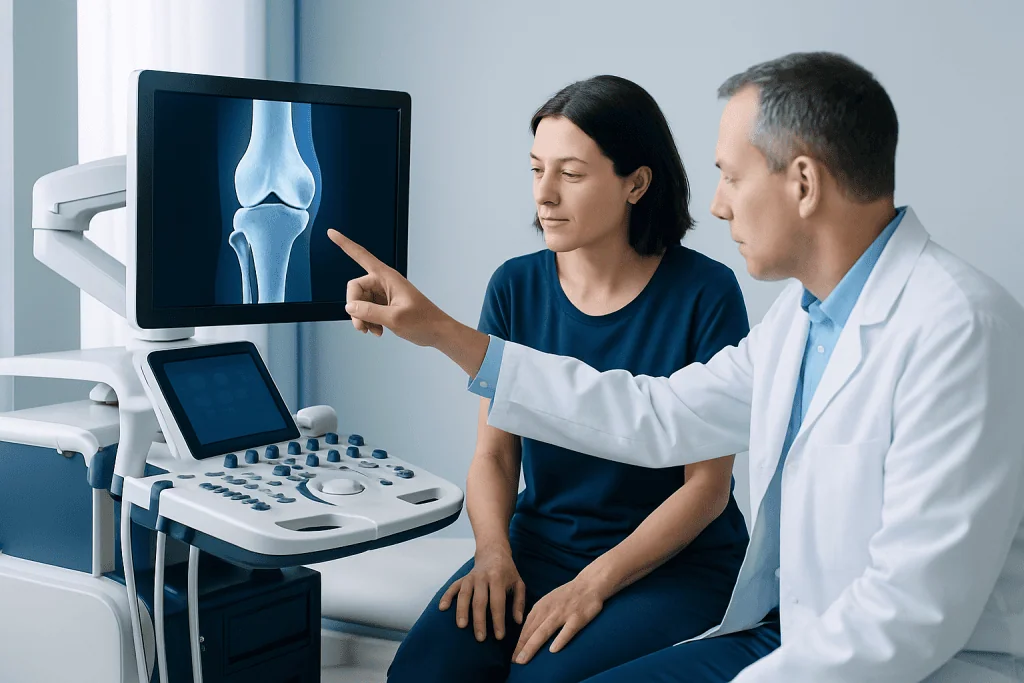
Healthy joints contain cartilage that cushions the ends of bones and helps movement stay smooth. In osteoarthrosis, this cartilage becomes worn, rough, and thinner over time. The joint may also develop changes in the underlying bone, and the surrounding tissues can become irritated.
This process can lead to pain during movement, tenderness, stiffness after inactivity, and a sensation of grinding or clicking. In some people, the joint shape may change gradually, especially in the fingers or knees. Symptoms often vary from day to day and may flare after heavy use.
Osteoarthrosis is not simply a result of aging alone. It develops through a combination of mechanical stress, previous damage, inflammation at a low level, muscle weakness, and individual risk factors. That is why two people of the same age may have very different joint health.
Symptoms and signs

The most common symptom of osteoarthrosis is joint pain that tends to worsen with use and improve with rest. Early in the condition, pain may appear only after long walks, climbing stairs, kneeling, or carrying weight. As the condition progresses, symptoms may become more frequent and begin to affect sleep or routine activities.
Stiffness is also typical, especially after waking up or sitting for a long time. This stiffness often improves within a short period after the joint starts moving. Many people also notice reduced flexibility, difficulty bending or straightening the joint fully, or a feeling that the joint is weaker or less stable.
Other signs can include:
- Swelling around the joint
- Tenderness when pressing on the area
- Cracking, grinding, or clicking sensations
- Reduced grip strength in hand involvement
- Changes in walking pattern with hip or knee involvement
- Bony enlargements around finger joints
Symptoms depend partly on which joint is affected. Knee osteoarthrosis often causes pain with stairs or standing up from a chair. Hip involvement may cause groin, buttock, or thigh pain. Hand osteoarthrosis can make gripping, buttoning clothes, or opening jars more difficult. When the spine is involved, there may be neck or lower back stiffness and discomfort.
Causes and risk factors
Osteoarthrosis develops when the natural balance between joint wear and repair changes over time. Cartilage has limited ability to heal, so repeated stress or earlier damage can gradually lead to degeneration. In many people, there is no single cause; instead, several risk factors work together.
Important risk factors include older age, family history, excess body weight, past joint injury, and repetitive physical strain from work or sports. Body weight is especially relevant for the knees and hips because greater load increases pressure on the joint surfaces. Injuries such as ligament tears or fractures can also raise the chance of earlier joint degeneration.
Other contributing factors may include weak surrounding muscles, reduced physical activity, misalignment of the joint, and some metabolic or inflammatory conditions. For example, a person with a history of knee injury may later develop knee arthritis symptoms sooner than expected. Not everyone with risk factors will develop osteoarthrosis, but understanding them can help guide prevention and early care.
Diagnosis
Diagnosis begins with a medical history and physical examination. The doctor asks about the location of pain, what makes it worse or better, how long stiffness lasts, and whether daily activities have become harder. During the exam, the joint may be checked for swelling, tenderness, range of motion, alignment, stability, and signs of muscle weakness.
In many cases, the pattern of symptoms and the examination strongly suggest osteoarthrosis. X-rays may be used to look for joint space narrowing, bone spurs, or other structural changes. Imaging can help confirm the diagnosis, assess severity, and rule out other causes of joint pain.
Additional tests are not always needed, but they may be helpful if symptoms are unusual, severe, or suggest another condition such as inflammatory arthritis, infection, or fracture. Blood tests do not diagnose osteoarthrosis itself, but they may help exclude other causes. In selected cases, MRI or ultrasound can provide more detail about cartilage, soft tissues, or early joint changes.
Treatment options
Treatment is tailored to the joint involved, symptom severity, age, activity level, and overall health. Most people benefit from a stepwise plan that starts with non-surgical approaches. Regular exercise is one of the most effective measures because it strengthens muscles, improves joint support, reduces stiffness, and helps preserve mobility. Low-impact activities such as walking, cycling, swimming, and structured strengthening programs are often recommended.
Weight management can significantly reduce stress on weight-bearing joints. Physical therapy may improve posture, gait, balance, flexibility, and muscle control. Some people also benefit from supportive footwear, braces, walking aids, heat or cold therapy, and adjustments to daily activities that reduce unnecessary joint strain.
Medicines may be used to relieve pain and support participation in exercise and daily tasks. A doctor may advise topical or oral pain relievers depending on the person’s symptoms and medical history. In some cases, injections may be considered for short-term symptom control. If symptoms affect the knee, evaluation by an orthopedic specialist may be useful, and treatment planning may involve options related to knee replacement when joint damage is advanced.
Surgery is generally considered when pain remains significant despite appropriate non-surgical care, mobility is greatly limited, or quality of life is clearly affected. Depending on the joint and extent of damage, surgical options may include joint-preserving procedures or joint replacement. For example, severe hip disease may eventually require assessment for hip replacement. Care can also overlap with broader management of osteoarthritis in multiple joints.
Prevention and self-care
Not every case of osteoarthrosis can be prevented, but several habits may lower the risk or slow symptom progression. Maintaining a healthy body weight reduces pressure on the knees, hips, and spine. Regular physical activity helps keep cartilage nourished through movement and supports the muscles that stabilize joints.
Joint-friendly exercise is usually better than long periods of inactivity. Rest can help during a temporary flare, but avoiding movement for too long may increase stiffness and weakness. A balanced routine often includes strengthening, flexibility, and aerobic activity, guided by a healthcare professional when needed.
Simple self-care measures can also make daily life easier:
- Use proper lifting and body mechanics
- Warm up before sports or repetitive tasks
- Choose supportive shoes
- Take breaks during activities that strain the same joint
- Use assistive devices if recommended
- Seek early care after a joint injury
People who have persistent symptoms should avoid self-treating with long-term medicines without medical advice. A doctor or therapist can help create a safer long-term plan that protects both joint health and overall health.
When to seek medical care
Medical care is appropriate when joint pain or stiffness lasts for several weeks, keeps returning, or starts to limit work, exercise, walking, sleep, or self-care. A prompt evaluation is also important if the joint becomes visibly swollen, unstable, or difficult to move, or if there is concern about another cause of pain.
Urgent assessment is needed if joint pain follows a significant injury, if the joint suddenly becomes hot and very swollen, or if symptoms occur with fever, marked redness, or inability to bear weight. These features can suggest a problem other than routine osteoarthrosis and should not be ignored.
For people with complex symptoms, advanced joint damage, or uncertainty about the best next step, specialist care may help clarify the diagnosis and treatment plan. Near the end of the care pathway, some patients may also be evaluated for robotic orthopedic surgery techniques when appropriate. Acibadem International’s multidisciplinary specialists and JCI-accredited hospitals diagnose and treat osteoarthrosis for international patients.
Frequently asked questions
Is osteoarthrosis the same as osteoarthritis?
Yes. In everyday medical use, osteoarthrosis and osteoarthritis usually refer to the same degenerative joint condition. The term osteoarthrosis emphasizes joint wear and structural change, while osteoarthritis is the more commonly used name.
What is the first sign of osteoarthrosis?
For many people, the first sign is joint pain during or after activity. Mild stiffness after resting, especially in the morning or after sitting, is also common. Early symptoms may come and go before becoming more persistent.
Can osteoarthrosis be cured?
Osteoarthrosis usually cannot be fully reversed because damaged cartilage does not easily regrow. However, symptoms can often be managed effectively. Exercise, weight control, physical therapy, and medical treatment can help reduce pain and maintain daily function.
Which joints are most often affected by osteoarthrosis?
The knees, hips, hands, and spine are the most commonly affected joints. These areas either bear body weight or are used repeatedly over time. Symptoms depend on the joint involved and the degree of wear.
Does exercise help or worsen osteoarthrosis?
Appropriate exercise usually helps rather than harms. Low-impact activity and strengthening can reduce stiffness, improve support around the joint, and ease pain over time. The key is choosing a program suited to the person's symptoms and health status.
When is surgery considered for osteoarthrosis?
Surgery may be considered when pain remains significant despite non-surgical treatment and daily activities are clearly limited. The decision depends on symptoms, imaging findings, the affected joint, and overall health. A specialist can explain whether joint-preserving procedures or joint replacement may be appropriate.
References
- World Health Organization
- National Institute of Arthritis and Musculoskeletal and Skin Diseases
- American Academy of Orthopaedic Surgeons
- Arthritis Foundation
- Mayo Clinic
This article is for general information only and is not a substitute for professional medical advice. Please consult a qualified doctor about your individual situation.
Joint and spine care in Turkey — expert assessment & treatment
JCI-accredited · board-certified surgeons · reply within 24h
Add us as a Preferred Source to see more of our trusted health content across Google Search, AI Overviews and Discover.