Osteogenesis Imperfecta: What Patients Need to Know
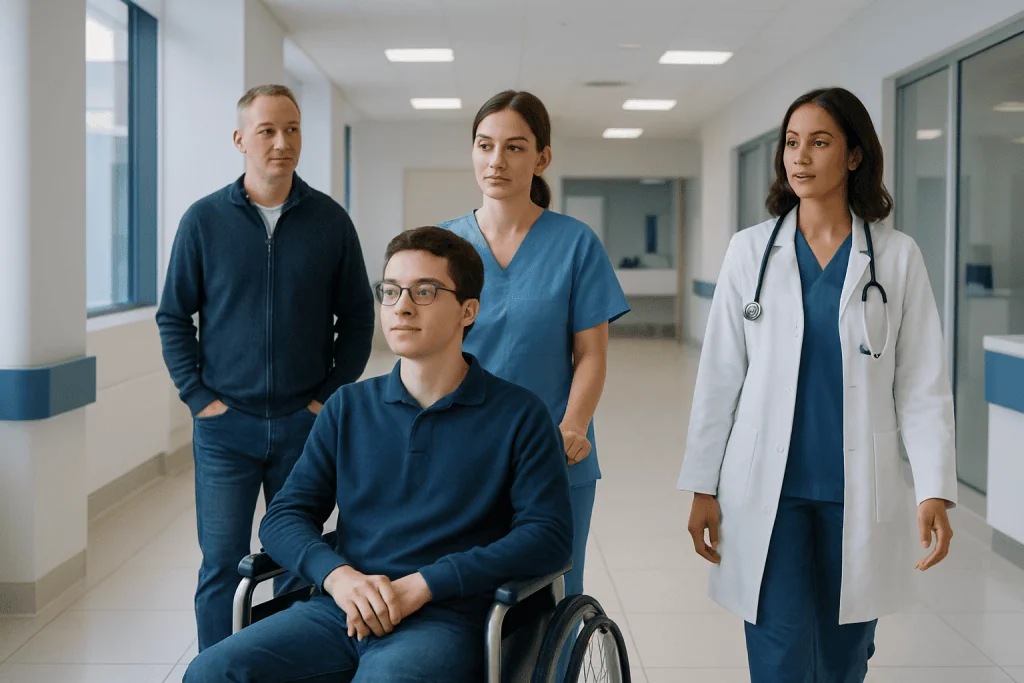
Osteogenesis imperfecta is a genetic condition that causes fragile bones and frequent fractures. Symptoms vary widely, from mild bone fragility to more severe growth, spine, hearing, and dental problems.
Key Takeaways
- Osteogenesis imperfecta is a genetic condition that causes fragile bones and frequent fractures.
- Symptoms vary widely, from mild bone fragility to more severe growth, spine, hearing, and dental problems.
- Diagnosis often combines medical history, imaging, and genetic testing.
- Treatment focuses on fracture care, physical therapy, bone-strengthening strategies, and long-term monitoring.
- Children and adults with osteogenesis imperfecta benefit from multidisciplinary care tailored to their symptoms and daily needs.
Osteogenesis imperfecta is an inherited condition that makes bones fragile because the body cannot make healthy connective tissue, usually type 1 collagen, in the usual way. Patients need timely diagnosis, fracture prevention, and coordinated care to support growth, mobility, hearing, dental health, and quality of life.
What osteogenesis imperfecta means for patients
Osteogenesis imperfecta is a lifelong genetic disorder that makes bones break more easily than expected. It is sometimes called brittle bone disease, but the condition affects more than bones alone because the same connective tissue problem can also involve teeth, hearing, joints, muscles, and the spine.
Most cases happen because of changes in genes involved in making type 1 collagen, an important building block for bone and other tissues. The result may be bones that are less dense, less resilient, or formed in an abnormal way. Symptoms can begin before birth, in childhood, or later in life, and severity can vary greatly even within the same family.
For many patients, the most helpful way to think about osteogenesis imperfecta is not as a single pattern, but as a spectrum. Some people have only a few fractures over a lifetime and remain very active, while others need ongoing support for mobility, growth, breathing, or repeated bone injuries. Early recognition helps families understand what to expect and how to reduce complications.
Common signs and how the condition can affect the body
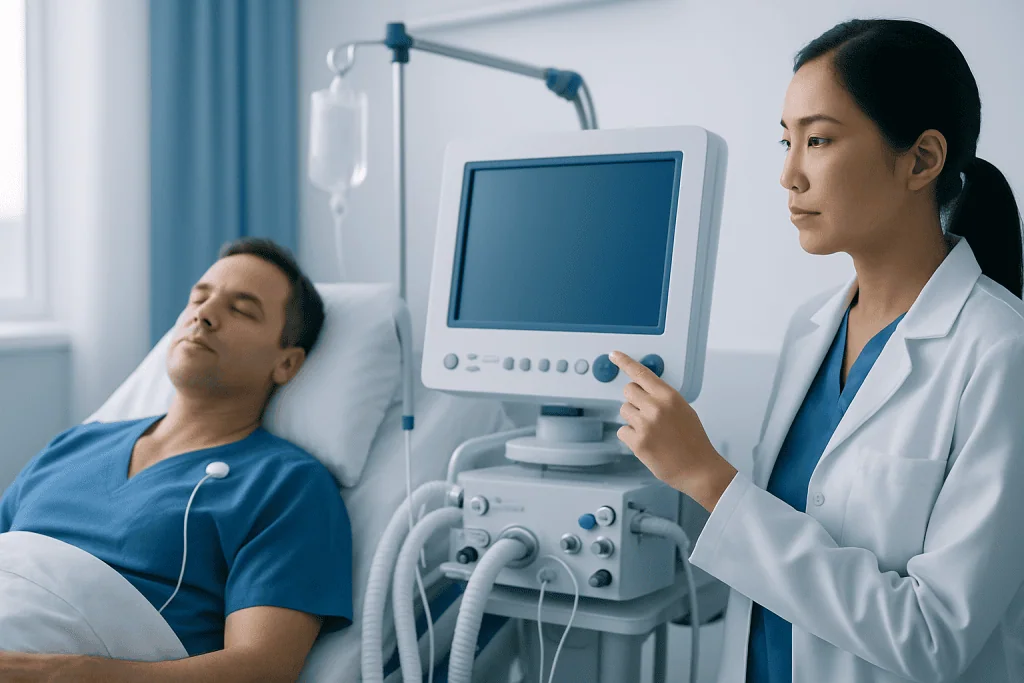
The best-known sign of osteogenesis imperfecta is fractures that happen after minor falls or with little force. In infants and children, breaks may occur during routine handling, learning to walk, or play. In milder cases, repeated fractures may not appear until school age or adulthood.
Other features can help doctors recognize the condition. These may include short stature, bowed legs, a curved spine, loose joints, muscle weakness, easy bruising, and blue or gray tinting of the whites of the eyes. Some patients also develop hearing loss over time, especially in adolescence or adulthood.
Dental changes are also possible. Teeth may look discolored, wear down easily, chip, or break because the tooth structure is affected. This may resemble dentinogenesis imperfecta, which can occur along with osteogenesis imperfecta in some patients.
- Frequent fractures or bone pain
- Reduced height or slower growth
- Spinal curvature or chest wall changes
- Loose joints and reduced muscle strength
- Hearing changes
- Tooth fragility or discoloration
Why it happens and who may be at risk
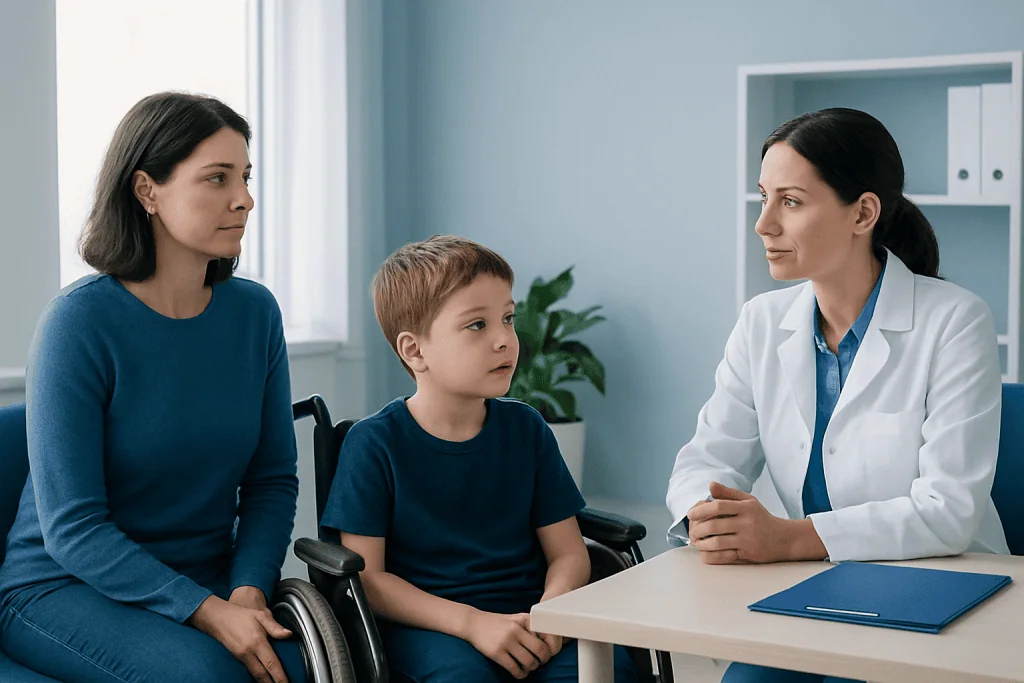
Osteogenesis imperfecta is usually caused by inherited genetic changes that affect collagen production or collagen quality. In many patients, the condition follows an autosomal dominant inheritance pattern, meaning a child can inherit it from one affected parent. In other families, the genetic change happens for the first time in the child, with no previous family history.
There are several recognized types and many genes linked to osteogenesis imperfecta. These genetic differences help explain why one person may have a mild form with occasional fractures while another has more severe skeletal changes. Doctors now often describe the condition by genetic findings and clinical severity rather than relying only on older type labels.
Risk is higher when there is a known family history of brittle bones, repeated fractures, or confirmed osteogenesis imperfecta. However, a family history is not required. When a baby or child has unexplained fractures, poor growth, or bone deformities, doctors consider osteogenesis imperfecta among several possible causes and may recommend a fuller evaluation.
How doctors confirm the diagnosis
Diagnosis begins with a careful history and physical examination. Doctors ask about fractures, growth, mobility, hearing, dental issues, and family history. In children, they also review pregnancy and birth history and look at the pattern of injuries over time.
Imaging tests such as X-rays can show fractures, bone shape changes, reduced bone density, or spine curvature. A bone density scan may be used in some patients to assess bone strength. Depending on age and symptoms, the care team may also check hearing, teeth, lung function, and mobility.
Genetic testing is often an important part of diagnosis because it can confirm the underlying cause and guide family counseling. If imaging is needed to evaluate fractures, deformities, or spine changes, doctors may use MRI or CT scans in selected situations, although plain X-rays are often the first step. A genetics specialist, pediatrician, orthopedist, endocrinologist, rehabilitation physician, or other clinicians may work together to build the full picture.
Treatment goals and long-term care
There is no single cure for osteogenesis imperfecta, so treatment focuses on reducing fractures, supporting safe movement, and managing complications early. Care plans are individualized and may change with age. A child who needs support for growth and walking will not have the same needs as an adult focused on pain control, work, and hearing preservation.
Fractures are treated promptly, often with splints, casts, or surgery depending on the injury. Some patients benefit from medicines that help improve bone density, though the decision depends on age, fracture pattern, and overall health. Physical therapy is central to care because stronger muscles and safer movement patterns can lower injury risk and improve independence.
Orthopedic procedures may be considered when bones are significantly bowed, repeated fractures affect the same area, or walking becomes more difficult. Some patients may need orthopedic rehabilitation after fractures or surgery to rebuild strength and function. Monitoring for spine curvature, hearing loss, dental problems, and lung or chest wall issues is also part of long-term management.
Because osteogenesis imperfecta can affect several body systems, multidisciplinary follow-up is especially valuable. Near the end of the care journey, some international patients choose centers such as Acibadem International, where multidisciplinary specialists in JCI-accredited hospitals evaluate and treat complex bone conditions in children and adults.
Daily living, prevention, and self-care
Self-care in osteogenesis imperfecta is less about avoiding all activity and more about choosing safe, supportive movement. Regular exercise guided by a clinician or therapist can improve muscle tone, balance, endurance, and confidence. Low-impact activities such as swimming or tailored strengthening programs are often encouraged.
Families may also need practical strategies at home, school, or work. Examples include safe lifting methods for infants, fall prevention, adaptive equipment, and seating or mobility supports when needed. Protecting bone health also involves adequate nutrition, especially sufficient calcium and vitamin D intake as advised by a clinician.
Smoking avoidance, moderation of alcohol, and maintaining a healthy body weight can support bone and overall health in adults. Patients should also keep regular follow-up visits, because hearing, dental, and spine problems may develop gradually. If persistent back pain or spinal changes are present, doctors may assess for related conditions such as scoliosis.
When to seek medical care
Medical attention is important whenever a patient with osteogenesis imperfecta has sudden pain, swelling, reduced limb movement, or difficulty putting weight on an arm or leg, as these can suggest a fracture. New breathing difficulty, chest pain after trauma, or a major fall should be assessed urgently.
Patients should also see a doctor if they notice worsening back shape, repeated falls, hearing changes, frequent tooth breakage, or increasing trouble with walking and daily activities. In babies and young children, any concern about unexplained pain, unusual crying with handling, or delayed movement deserves prompt evaluation.
Even when symptoms are not urgent, planned follow-up matters. Regular reviews help the care team monitor growth, bone health, mobility, spinal alignment, and treatment response, and can help families prepare for school, sports, pregnancy, or adult life with greater confidence.
Frequently asked questions
Is osteogenesis imperfecta the same in every patient?
No. Osteogenesis imperfecta is a spectrum disorder, so symptoms and severity can differ widely from one person to another. Some patients have mild bone fragility, while others may have frequent fractures, short stature, spine changes, or hearing and dental problems.
Can adults be diagnosed with osteogenesis imperfecta?
Yes. Although many cases are recognized in infancy or childhood, milder forms may not be diagnosed until adulthood. Adults may seek care because of repeated fractures, early hearing loss, family history, or long-standing bone fragility that was never fully explained.
Does every fracture mean the condition is getting worse?
Not necessarily. Fractures can still happen even with good care, especially during growth or increased activity. What matters most is whether the overall pattern is changing and whether treatment, rehabilitation, or daily supports need to be adjusted.
Can children with osteogenesis imperfecta exercise or play sports?
Many children can and should stay active, but activities need to be chosen carefully. A doctor or physical therapist can recommend safer options that build strength and coordination while reducing the chance of injury. Low-impact, supervised exercise is often helpful.
Is osteogenesis imperfecta curable?
There is currently no cure that completely reverses the genetic cause. However, many treatments and supportive strategies can reduce fractures, improve mobility, and help patients participate more fully in daily life.
Can osteogenesis imperfecta affect teeth and hearing?
Yes. Some patients develop fragile or discolored teeth, and others may experience hearing loss over time. Regular dental and hearing evaluations are an important part of long-term care, even if these problems are not present at first.
References
- National Institute of Arthritis and Musculoskeletal and Skin Diseases
- MedlinePlus
- National Organization for Rare Disorders
- American Academy of Orthopaedic Surgeons
- GeneReviews
This article is for general information only and is not a substitute for professional medical advice. Please consult a qualified doctor about your individual situation.
Joint and spine care in Turkey — expert assessment & treatment
JCI-accredited · board-certified surgeons · reply within 24h
Add us as a Preferred Source to see more of our trusted health content across Google Search, AI Overviews and Discover.

More from the Health Library

Nodular: A Complete Medical Overview

Healthy Carbs: A Complete Medical Overview

Frenulum in Tongue: An Evidence-Based Guide for Patients

115 pounds kilo: Symptoms, Causes, and Treatment — Complete Patient Guide
Neuroleptics and Atypical Antipsychotics: An Evidence-Based Guide for Patients