Osteomalacia — Explained by Medical Evidence, Not Myths
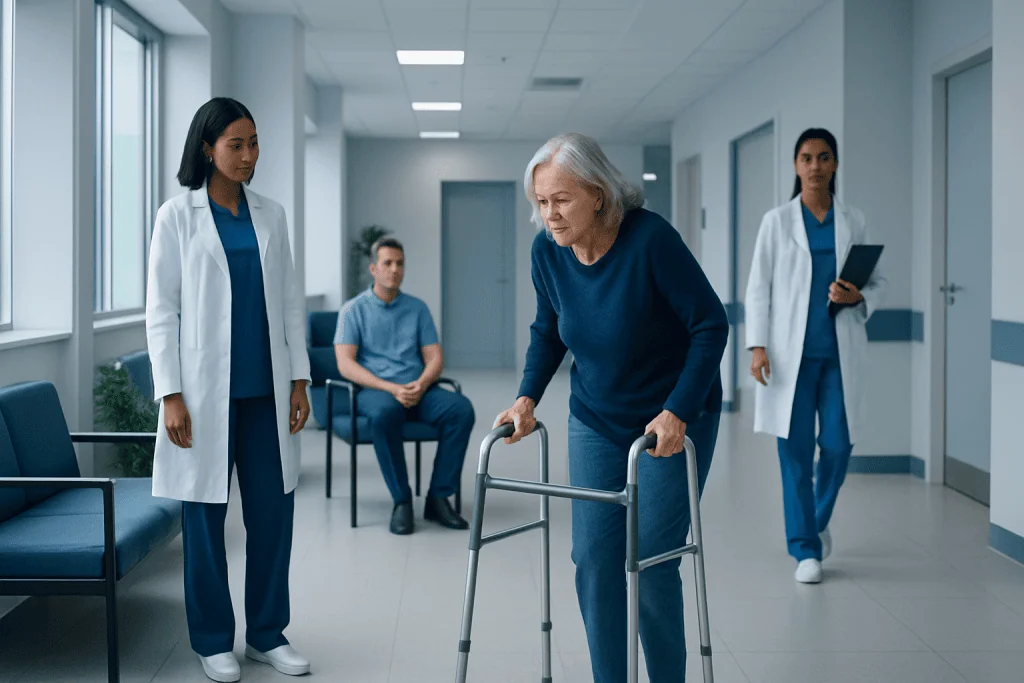
Osteomalacia means softened bones in adults due to poor bone mineralization, not simply bone loss. Vitamin D deficiency is the most common cause, but kidney, liver, gut, and medication-related problems can also contribute.
Key Takeaways
- Osteomalacia means softened bones in adults due to poor bone mineralization, not simply bone loss.
- Vitamin D deficiency is the most common cause, but kidney, liver, gut, and medication-related problems can also contribute.
- Common symptoms include bone pain, muscle weakness, difficulty walking, and increased fracture risk.
- Diagnosis usually combines a medical history, blood tests, and imaging to find both the condition and its cause.
- Treatment focuses on correcting the underlying problem, such as replacing vitamin D and calcium when appropriate.
- Persistent bone pain, weakness, or suspected fractures should be assessed by a qualified doctor.
Osteomalacia is a condition in which adult bones become softer because they do not mineralize properly, most often due to vitamin D deficiency. It can cause deep bone pain, muscle weakness, and fractures, but the underlying cause can often be identified and treated effectively.
Overview: what osteomalacia really means
Osteomalacia is a disorder in which bones become soft because the body cannot properly mineralize new bone tissue. In practical terms, this usually happens when there is not enough vitamin D, calcium, or phosphate available for normal bone hardening. The result is bone discomfort, reduced strength, and a higher chance of fractures.
A common source of confusion is the difference between osteomalacia and osteoporosis. Osteoporosis mainly involves a loss of bone mass, while osteomalacia involves defective bone mineralization. A person can have one condition or both at the same time, and the symptoms may overlap. Related conditions such as osteoporosis are therefore sometimes considered during evaluation.
Osteomalacia occurs in adults. In children, a similar problem affecting growing bones is called rickets. Although the condition can sound concerning, it is often treatable once the underlying cause is identified, especially when the problem is due to nutritional deficiency or reduced vitamin D production.
Symptoms and how the condition may feel
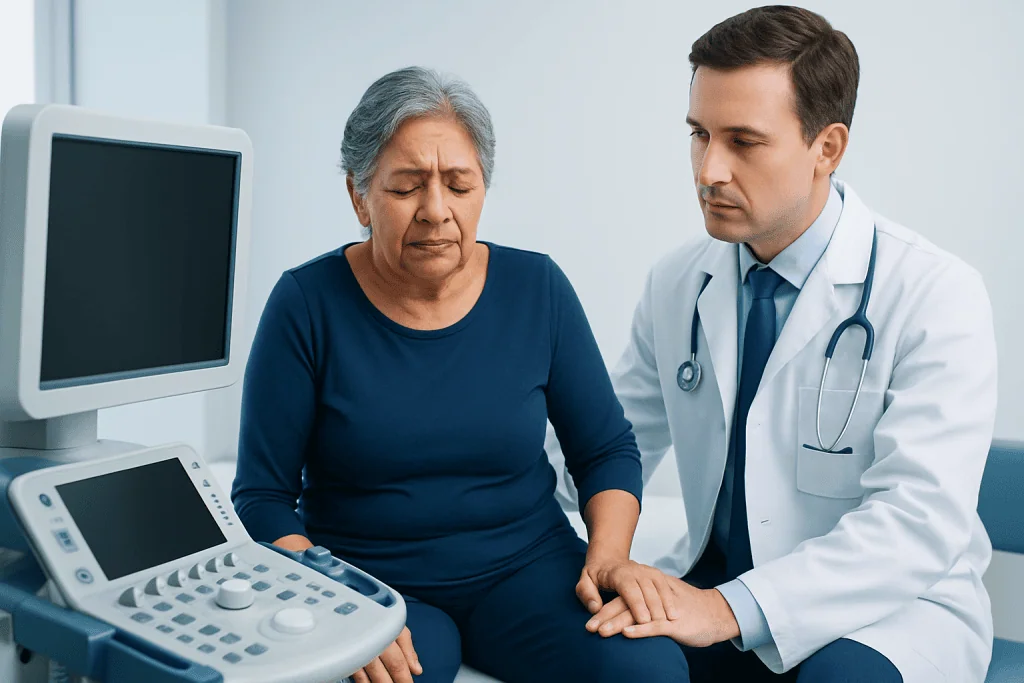
Osteomalacia may develop gradually, so symptoms can be subtle at first. Some people notice a vague, aching pain in the bones, especially in the hips, pelvis, lower back, ribs, or legs. Unlike joint pain, this discomfort often feels deep and diffuse rather than sharply localized to one small area.
Muscle weakness is also common, particularly in the muscles closest to the trunk, such as the thighs and shoulders. A person may find it harder to climb stairs, rise from a chair, or walk steadily. In more advanced cases, the gait can become slow or waddling because weakened muscles and softened bones affect posture and balance.
Some people have no obvious symptoms until a fracture occurs. Tiny stress injuries or more complete fractures may happen more easily than expected, especially in weight-bearing bones. Possible symptoms include:
- Deep or persistent bone pain
- Muscle weakness or fatigue with movement
- Difficulty standing, walking, or climbing stairs
- Tenderness over bones
- Fractures after minor trauma
Because these symptoms can overlap with other bone, muscle, and nerve disorders, medical assessment is important. Conditions such as bone fragility disorders or inflammatory and metabolic problems may need to be ruled out.
Causes and risk factors
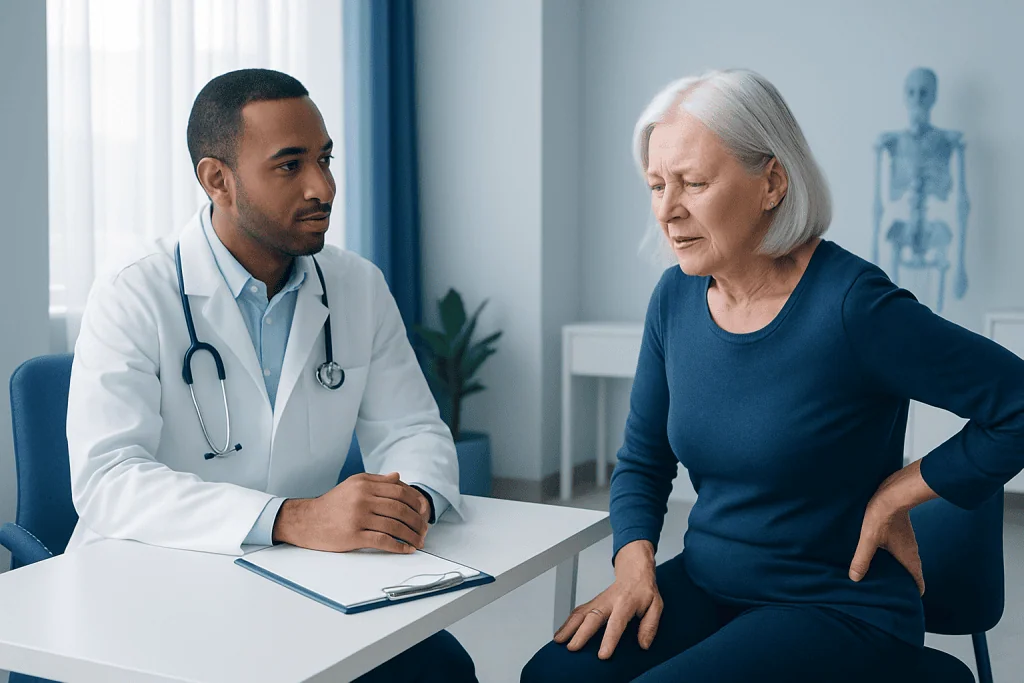
The most common cause of osteomalacia is vitamin D deficiency. Vitamin D helps the body absorb calcium and phosphate from food, and both minerals are essential for building and maintaining strong bone. Deficiency may result from limited sun exposure, poor dietary intake, darker skin in low-sunlight settings, older age, or conditions that affect the body’s ability to process vitamin D.
Digestive disorders can also lead to osteomalacia by reducing nutrient absorption. Conditions affecting the stomach or intestines, previous gastrointestinal surgery, or chronic disorders that interfere with absorption may prevent enough vitamin D or calcium from entering the bloodstream. Liver and kidney diseases are also important because these organs help activate vitamin D into the form the body can use.
Some cases are related to low phosphate rather than vitamin D deficiency. This can happen in certain inherited disorders, kidney-related phosphate loss, or rare tumor-related conditions. In addition, some medications, including certain anti-seizure drugs or long-term use of medicines that affect mineral balance, may contribute. Risk factors include:
- Low vitamin D intake or little sunlight exposure
- Older age or frailty
- Digestive disorders or prior intestinal surgery
- Chronic kidney or liver disease
- Poor calcium intake
- Medications that alter vitamin D metabolism
- Inherited or acquired phosphate-wasting disorders
How doctors diagnose osteomalacia
Diagnosis begins with a careful medical history and physical examination. The doctor will ask about symptoms, diet, sun exposure, medications, digestive symptoms, kidney or liver disease, and any history of fractures. They may look for muscle weakness, tenderness over bones, and changes in walking pattern.
Blood tests are central to diagnosis because they help identify both bone mineralization problems and the cause behind them. These tests may include vitamin D levels, calcium, phosphate, alkaline phosphatase, parathyroid hormone, and kidney and liver function tests. In many cases, these patterns strongly suggest osteomalacia and guide the next steps in treatment.
Imaging may also be used. X-rays can show fractures or characteristic changes in bone, while bone density testing may help assess overall bone health when osteoporosis is also a concern. In selected cases, doctors may use bone density measurement (DEXA) as part of a broader evaluation, although DEXA alone does not confirm osteomalacia. If symptoms are significant or the diagnosis is complex, additional assessment in orthopedics and traumatology or metabolic bone care may be appropriate.
Because osteomalacia can have several causes, the goal is not only to label the condition but also to identify what is driving it. Treating the underlying deficiency, absorption problem, or organ disorder is essential for recovery.
Treatment options and expected recovery
Treatment depends on the cause. If osteomalacia is due to vitamin D deficiency, doctors usually recommend vitamin D replacement and, when needed, calcium supplementation. If low phosphate is contributing, treatment may involve phosphate replacement or therapies tailored to the underlying reason for phosphate loss. The exact plan should be individualized by a qualified clinician.
When a digestive, kidney, or liver condition is responsible, treatment focuses on the underlying disorder as well as correcting the bone mineral problem. Medication-related osteomalacia may improve when a doctor adjusts the treatment plan, but medicines should never be stopped without professional advice. In complex cases, referral to endocrinology may help guide investigation and long-term management.
Pain and weakness usually improve gradually rather than overnight. Bone healing and restoration of muscle strength can take time, especially if deficiency has been present for months. Follow-up blood tests are often used to monitor response and to make sure mineral levels return to a healthy range safely.
If fractures are present, additional care may be needed. This may include activity modification, pain management, physical rehabilitation, and orthopedic support. For some patients, coordinated care involving physical therapy and rehabilitation can help improve mobility, balance, and confidence during recovery.
Prevention and self-care
Prevention is mainly about maintaining healthy vitamin D and mineral levels and addressing health conditions that interfere with bone metabolism. Safe sun exposure, a balanced diet, and regular medical follow-up for chronic diseases can all help reduce risk. People with known malabsorption, kidney disease, or long-term use of medicines that affect vitamin D may need closer monitoring.
Dietary sources of vitamin D and calcium can support bone health, although food alone may not be enough for everyone. Fatty fish, fortified dairy products or alternatives, and egg yolks can provide vitamin D, while dairy foods, fortified products, leafy greens, and other calcium-containing foods can contribute calcium. A doctor may recommend supplements if diet and lifestyle are not sufficient.
Gentle weight-bearing activity, when medically appropriate, can help maintain strength and balance. However, people with significant pain or suspected fractures should avoid pushing through symptoms. Self-care measures that may help include:
- Following medical advice on vitamin D and calcium intake
- Eating a varied, nutrient-rich diet
- Attending follow-up appointments and blood tests
- Using fall-prevention strategies at home if weakness is present
- Seeking evaluation for ongoing digestive, kidney, or liver symptoms
Near the end of a patient’s care journey, some may prefer evaluation in a center where bone, endocrine, rehabilitation, and orthopedic expertise are available together. Acibadem International’s multidisciplinary specialists in JCI-accredited hospitals diagnose and treat osteomalacia and related bone-health conditions for international patients.
When to seek medical care
Medical review is appropriate if a person has persistent bone pain, unexplained muscle weakness, frequent falls, or increasing difficulty walking. These symptoms are not specific to osteomalacia, but they do warrant assessment, especially when they affect daily activities or continue despite rest.
Prompt medical care is important if there is sudden severe pain after a minor injury, suspected fracture, or inability to bear weight. Evaluation is also advisable for people with risk factors such as kidney disease, liver disease, malabsorption, prior bariatric or intestinal surgery, or known vitamin D deficiency.
A doctor can determine whether symptoms are related to osteomalacia, osteoporosis, another metabolic bone disease, or a different cause entirely. Early assessment can help relieve symptoms sooner and reduce the risk of complications.
Frequently asked questions
Is osteomalacia the same as osteoporosis?
No. Osteomalacia refers to poor mineralization that softens bones, while osteoporosis refers mainly to reduced bone mass and weaker bone structure. A person can have both conditions, which is why proper testing is important.
What is the most common cause of osteomalacia?
The most common cause is vitamin D deficiency. Without enough vitamin D, the body cannot absorb calcium and phosphate effectively, so bones cannot harden normally.
Can osteomalacia be reversed?
In many cases, yes. If the underlying cause is identified and treated, such as correcting vitamin D deficiency or addressing malabsorption, symptoms and bone health often improve over time.
How long does recovery take?
Recovery varies depending on the cause, the severity of deficiency, and whether fractures are present. Blood test results may improve within weeks to months, while pain, strength, and bone healing can take longer.
Who is at higher risk for osteomalacia?
People at higher risk include those with limited sun exposure, poor dietary intake, digestive absorption problems, chronic kidney or liver disease, and some medication exposures. Older adults may also be more vulnerable.
Can diet alone treat osteomalacia?
Sometimes diet helps, but it is not always enough. Many people need medical evaluation and targeted treatment, especially if the cause involves significant vitamin D deficiency, phosphate loss, or an underlying medical condition.
References
- National Institutes of Health
- National Institute of Arthritis and Musculoskeletal and Skin Diseases
- Office of Dietary Supplements
- Mayo Clinic
- National Health Service
This article is for general information only and is not a substitute for professional medical advice. Please consult a qualified doctor about your individual situation.
Joint and spine care in Turkey — expert assessment & treatment
JCI-accredited · board-certified surgeons · reply within 24h
Add us as a Preferred Source to see more of our trusted health content across Google Search, AI Overviews and Discover.

More from the Health Library



Related Specialists

Dr. Atiye Ayral
Physical Medicine & Rehabilitation
Prof. Dr. Altay Bedük
Neurosurgery
Prof. Dr. Hatem Hakan Selçuk
Radiology
Prof. Dr. Ahmet Keskinoğlu
Pediatric Nephrology