Otc prostate meds: Uses, Types, and Side Effects — A Clinical Overview

OTC prostate meds are usually supplements rather than prescription-grade treatments. They may help mild urinary symptoms, but evidence varies widely between products.
Key Takeaways
- OTC prostate meds are usually supplements rather than prescription-grade treatments.
- They may help mild urinary symptoms, but evidence varies widely between products.
- Urinary problems are not always caused by benign prostate enlargement, so diagnosis matters.
- Some supplements can interact with blood thinners, blood pressure medicines, and other drugs.
- Medical care is important if symptoms are new, worsening, painful, or associated with blood in the urine or fever.
OTC prostate meds usually refer to nonprescription supplements marketed to support urinary or prostate health, especially in men with mild symptoms linked to an enlarged prostate. They may offer symptom relief for some people, but they are not a substitute for medical evaluation because urinary symptoms can also be caused by infection, inflammation, or more serious prostate conditions.
Overview: what OTC prostate meds are
OTC prostate meds are usually nonprescription products sold to support prostate or urinary health. In practice, most are dietary supplements made from plant extracts, vitamins, minerals, or mixed herbal formulas. They are commonly used by men who notice mild urinary symptoms such as getting up at night to urinate, a weaker stream, or a feeling that the bladder does not empty fully.
These products are often marketed for symptoms linked to benign prostatic hyperplasia, or BPH, which is noncancerous enlargement of the prostate. However, nonprescription products do not diagnose the cause of symptoms, and they do not replace prescription treatment when symptoms are moderate, bothersome, or progressing. For many people, the safest first step is to confirm whether symptoms are related to benign prostatic hyperplasia or another condition.
It is also important to understand that “natural” does not always mean effective, safe for everyone, or free from side effects. Product quality can vary, ingredient lists may differ between brands, and the scientific evidence for benefit is often mixed. A patient-friendly approach is to view OTC prostate meds as possible supportive options for selected adults with mild symptoms, not as universal treatment.
Common uses and what symptoms they may target
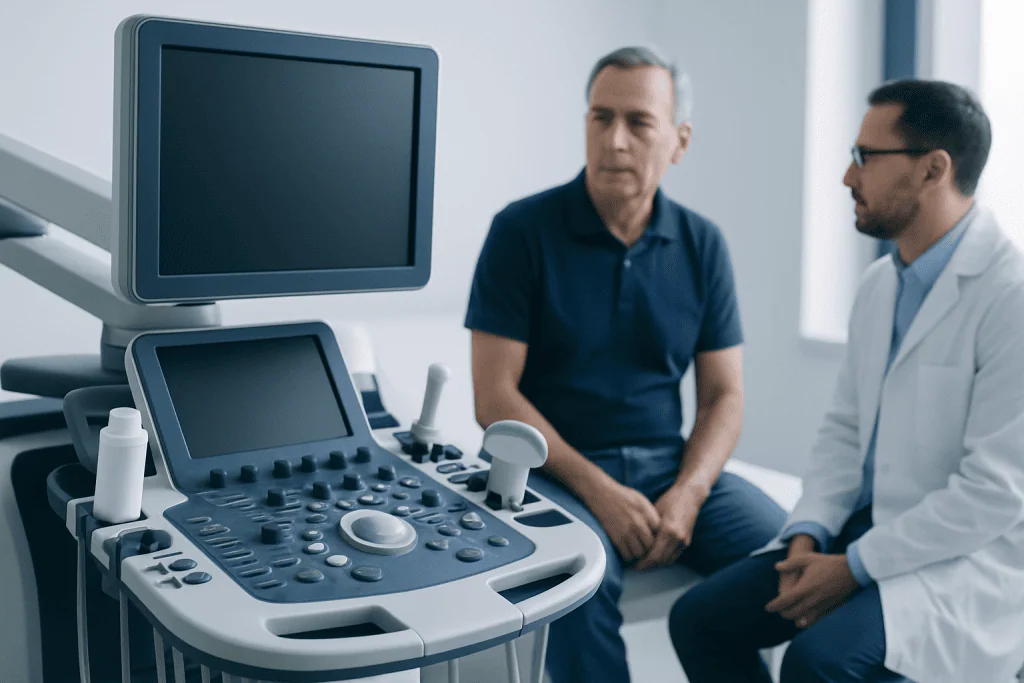
People most often use OTC prostate meds to try to relieve lower urinary tract symptoms. These may include urinary frequency, urgency, nighttime urination, hesitancy, dribbling, and a weak urine stream. Some men also take them for general “prostate support” even if they have not received a specific diagnosis.
These products are not designed to treat prostate cancer, acute urinary retention, or bacterial infections. They also do not reliably shrink a significantly enlarged prostate. Symptoms such as burning during urination, pelvic pain, fever, or sudden inability to urinate need medical attention rather than self-treatment.
Because several prostate and urinary conditions can overlap, a person may need assessment for prostatitis or other causes of urinary symptoms. In some cases, symptoms that seem prostate-related can come from bladder problems, certain medicines, nerve conditions, or high fluid intake in the evening.
- Mild urinary frequency or urgency
- Nocturia, or waking at night to pass urine
- Weak stream or delayed start
- Sense of incomplete bladder emptying
- General urinary comfort support
Main types of OTC prostate meds

The best-known OTC prostate products are herbal or plant-based supplements. Saw palmetto is one of the most commonly used ingredients. It has been studied for urinary symptoms associated with BPH, but results have been inconsistent, and not all studies show meaningful benefit. Beta-sitosterol, pygeum africanum, rye grass pollen extract, and stinging nettle are other ingredients sometimes included in prostate formulas.
Some products also contain minerals and vitamins such as zinc, selenium, or vitamin D, although these are not standard treatments for urinary symptoms. Pumpkin seed extract and combinations of multiple botanicals are also widely marketed. Combination products may seem convenient, but they can make it harder to know which ingredient is helping or causing side effects.
Prescription treatment is different from OTC supplementation. Men with persistent or moderate symptoms may be evaluated for therapies such as holmium laser enucleation of the prostate or other evidence-based approaches if BPH is confirmed and symptoms are affecting daily life. OTC products may have a role in some cases, but they should be chosen carefully and discussed with a clinician, especially in older adults or those taking multiple medications.
How well do they work?
The effectiveness of OTC prostate meds depends on the ingredient, the quality of the product, and the cause of the symptoms. Some men report subjective improvement in urinary comfort or nighttime frequency, especially with mild symptoms. However, research findings are mixed, and benefits are generally less predictable than with prescription therapies that have been studied more rigorously.
One challenge is that supplements are not all manufactured to the same standards worldwide. Two products with the same headline ingredient may differ in concentration, purity, and additional components. This makes it difficult to compare results and can lead to unrealistic expectations.
If symptoms continue, worsen, or interfere with sleep, work, or travel, medical review is important. A doctor may assess whether lifestyle changes, prescription medication, or procedures such as Rezūm therapy are more appropriate. The goal is not only symptom relief but also identifying any underlying problem early and safely.
Side effects, interactions, and safety considerations
Although OTC prostate meds are often well tolerated, side effects can occur. Depending on the ingredient, these may include stomach upset, nausea, diarrhea, constipation, headache, dizziness, or allergic reactions. Some men also notice changes in sexual function, although this is less consistently reported with supplements than with certain prescription medications.
Drug interactions are an important concern. Some herbal ingredients may affect blood clotting, blood pressure, blood sugar, or liver metabolism of medicines. This matters for people taking anticoagulants, antiplatelet drugs, blood pressure treatments, diabetes medicines, or multiple supplements at the same time. A supplement should always be disclosed before surgery or a planned procedure.
Another safety issue is delayed diagnosis. Symptoms attributed to “the prostate” may actually be caused by infection, urinary stones, bladder dysfunction, or, less commonly, cancer. Men who have persistent symptoms may need prostate assessment and sometimes formal prostate biopsy if a clinician identifies concerning findings. Self-treatment should not postpone appropriate testing.
Diagnosis before self-treatment: why it matters
Urinary symptoms are common with aging, but they are not specific to one disease. A medical evaluation often begins with a symptom review, medication history, physical examination, and simple tests such as urinalysis. Depending on the situation, clinicians may also check kidney function, prostate-specific antigen, bladder emptying, or ultrasound findings.
This matters because enlarged prostate, inflammation, infection, and bladder conditions can all look similar at first. A person with mild symptoms may be a candidate for observation and lifestyle measures, while another may need targeted treatment. Accurate diagnosis also helps avoid spending months on products that are unlikely to help.
If a structural problem or significant obstruction is found, a urologist may discuss procedural options including transurethral resection of the prostate for selected patients. At the end of the care pathway, Acibadem International’s multidisciplinary specialists and JCI-accredited hospitals evaluate and treat prostate and urinary conditions for international patients when specialist assessment is needed.
Self-care measures that may help alongside OTC options
For men with mild symptoms, self-care can be as important as any supplement. Useful steps include reducing evening fluids, limiting alcohol and caffeine, avoiding bladder irritants if they worsen symptoms, and planning toilet access during travel or long meetings. Bladder training strategies and double voiding may also help some people feel they empty better.
Medication review can be helpful as well. Some cold and allergy medicines, especially decongestants, may worsen urinary retention in susceptible men. Certain antihistamines and other medicines with anticholinergic effects can also make it harder to empty the bladder. A clinician or pharmacist can review whether current medicines are contributing to symptoms.
General health measures support urinary health too. Maintaining a healthy weight, staying physically active, managing constipation, and treating sleep problems can reduce symptom burden in some men. Supplements should fit into this broader plan rather than serving as the only strategy.
When to seek medical care
Medical care is important if urinary symptoms are new, worsening, or affecting quality of life. A doctor should also be consulted if nonprescription products are being considered by someone who has chronic illness, takes prescription medicines, or has had previous prostate treatment. Professional review helps confirm the diagnosis and lowers the risk of side effects or interactions.
Urgent evaluation is needed for blood in the urine, fever, chills, severe pain, inability to pass urine, back pain with urinary symptoms, or signs of infection. These problems are not appropriate for self-treatment with OTC prostate meds. They may require timely testing and targeted treatment.
Even when symptoms seem mild, persistence matters. If frequency, urgency, weak stream, or repeated nighttime urination continues for several weeks, a urology assessment is reasonable. Early review can clarify whether watchful waiting, lifestyle changes, prescription treatment, or further investigation is the safest next step.
Frequently asked questions
Do OTC prostate meds really work?
They may help some men with mild urinary symptoms, but results are inconsistent and depend on the product and the true cause of symptoms. They are usually supplements, not proven substitutes for prescription therapies. A medical review is the best way to decide whether they are appropriate.
What is the most common OTC ingredient for prostate symptoms?
Saw palmetto is one of the most widely used nonprescription ingredients for prostate-related urinary symptoms. Other common ingredients include beta-sitosterol, pygeum, rye grass pollen extract, and stinging nettle. Evidence for benefit varies, and product quality is not always consistent.
Are OTC prostate meds safe to take with prescription medicines?
Not always. Some supplements may interact with blood thinners, diabetes medicines, blood pressure drugs, or other herbal products. Anyone taking regular medication should check with a doctor or pharmacist before starting an OTC prostate product.
Can OTC prostate meds shrink an enlarged prostate?
They are not generally considered reliable prostate-shrinking treatments. Some may improve symptom perception in mild cases, but they do not replace established medical therapies for significant enlargement or obstruction. Persistent symptoms should be evaluated by a urologist.
When should someone avoid self-treating with OTC prostate meds?
Self-treatment is not appropriate for fever, pain, blood in the urine, sudden inability to urinate, or rapidly worsening symptoms. It should also be approached cautiously in older adults with multiple health conditions or complex medication use. In these situations, medical assessment is more important than trial-and-error supplementation.
Are urinary symptoms always caused by the prostate?
No. Urinary symptoms can also come from infection, bladder disorders, nerve-related conditions, medication side effects, or stones. That is why new or persistent symptoms should not automatically be assumed to be a prostate problem.
This article is for general information only and is not a substitute for professional medical advice. Please consult a qualified doctor about your individual situation.
Explore treatments in Turkey — costs, top hospitals & a free quote
JCI-accredited · board-certified surgeons · reply within 24h
Add us as a Preferred Source to see more of our trusted health content across Google Search, AI Overviews and Discover.

More from the Health Library

Prozac Side Effects: What It Treats, How It Works, and What to Watch For

Zyn Side Effects: What It Treats, How It Works, and What to Watch For

Methylprednisolone 4 MG: What It Treats, How It Works, and What to Watch For

Latuda Side Effects: A Doctor-Reviewed Guide to Uses and Safety

Tpa Medication: What It Treats, How It Works, and What to Watch For