Outie Belly Button — Explained by Medical Evidence, Not Myths

Most outie belly buttons are harmless and simply reflect individual anatomy. A new or enlarging bulge, especially with pain, redness, or tenderness, may suggest an umbilical hernia.
Key Takeaways
- Most outie belly buttons are harmless and simply reflect individual anatomy.
- A new or enlarging bulge, especially with pain, redness, or tenderness, may suggest an umbilical hernia.
- Doctors diagnose the cause mainly through a physical examination and sometimes imaging.
- Treatment depends on the reason for the bulge and may range from observation to surgery.
- Urgent care is needed if a belly button bulge becomes very painful, hard, discolored, or cannot be pushed back in.
An outie belly button is often a normal variation in the way the navel heals and looks. In some people, however, a bulging belly button can be linked to an umbilical hernia or other change that deserves medical assessment.
What an Outie Belly Button Usually Means
An outie belly button is a navel that protrudes outward instead of lying inward. In many people, this is simply a normal body variation caused by the way the umbilical cord area healed after birth. It is not usually related to how the cord was cut, and it does not automatically mean there is a medical problem.
Medical evidence does not support common myths that an outie develops because someone tied the cord incorrectly, pulled on the navel, or failed to care for it in a certain way. The shape of the belly button depends more on natural healing, scar formation, body structure, and, in some cases, a small weakness in the abdominal wall.
The important distinction is whether the belly button has always looked this way or whether it has recently changed. A lifelong outie without symptoms is often harmless. A new bulge, pain, swelling, or a navel that becomes more prominent with coughing or straining may point to an underlying issue such as an umbilical hernia.
How Belly Button Shape Develops
Before birth, the umbilical cord connects the baby to the placenta. After birth, the cord is clamped and the remaining stump dries and falls off. As the skin and tissues heal, the umbilical ring and nearby scar tissue form the visible navel.
Whether a person has an innie or an outie mostly comes down to anatomy and the way the tissues close and scar. Small differences in connective tissue, skin attachment, and the contour of the abdominal wall can all affect the final appearance. In many cases, an outie is just a cosmetic difference rather than a disease.
In infants and children, a small belly button bulge may also reflect a temporary weakness in the abdominal wall. This can improve as the child grows. In adults, a protruding navel is more likely to be associated with pressure inside the abdomen, stretching of tissues, prior surgery, pregnancy, weight changes, or a hernia.
Possible Causes of an Outie Belly Button
The most common explanation is simply normal anatomy. Some people are born with a navel that naturally projects outward, and it remains stable over time. If it is soft, painless, and unchanged, it is often no cause for concern.
Another important cause is an umbilical hernia. This happens when tissue, fat, or part of the intestine pushes through a weak spot near the belly button. Umbilical hernias are common in babies and also occur in adults, especially during or after pregnancy, with obesity, chronic coughing, repeated heavy lifting, or fluid buildup in the abdomen.
Less commonly, an outie appearance can be related to scar tissue, a growth under the skin, or swelling from inflammation. After abdominal procedures, some people notice changes in the shape of the navel as healing progresses. Conditions involving the abdominal wall may sometimes be assessed with imaging such as MRI imaging or CT scanning when the diagnosis is not clear from examination alone.
- Normal variation in healing and scar formation
- Umbilical hernia in children or adults
- Changes after pregnancy or weight fluctuation
- Scar tissue after surgery or piercing
- Localized infection, inflammation, or a skin lesion
Symptoms That Suggest More Than a Normal Variant
A harmless outie belly button usually stays the same over time and does not hurt. The skin looks normal, and there is no fever, drainage, or tenderness. It may become slightly more noticeable when standing or straining, but it does not cause discomfort or digestive symptoms.
Features that deserve closer attention include pain, tenderness, redness, warmth, swelling, or a sudden increase in size. A bulge that appears after lifting, coughing, or pregnancy may suggest a hernia. Nausea, vomiting, constipation, or abdominal bloating together with a painful belly button bulge should be taken seriously because they can indicate that tissue is trapped.
In babies, an umbilical bulge often becomes more visible during crying but may still be harmless if soft and easily reducible. In adults, a bulge that is firm, cannot be pushed back in, or changes color needs prompt medical review. Symptoms should always be interpreted in context, ideally by a qualified doctor.
How Doctors Diagnose the Cause
Diagnosis usually begins with a medical history and physical examination. A doctor will ask when the outie belly button first appeared, whether it has changed, and whether there are symptoms such as pain, drainage, digestive complaints, or a visible bulge during coughing or straining.
During the exam, the doctor may gently feel the area while the patient is standing and lying down. This helps assess whether a hernia is present, whether the bulge is reducible, and whether there are signs of infection, scar tissue, or another abdominal wall issue. In many cases, this examination is enough to identify the likely cause.
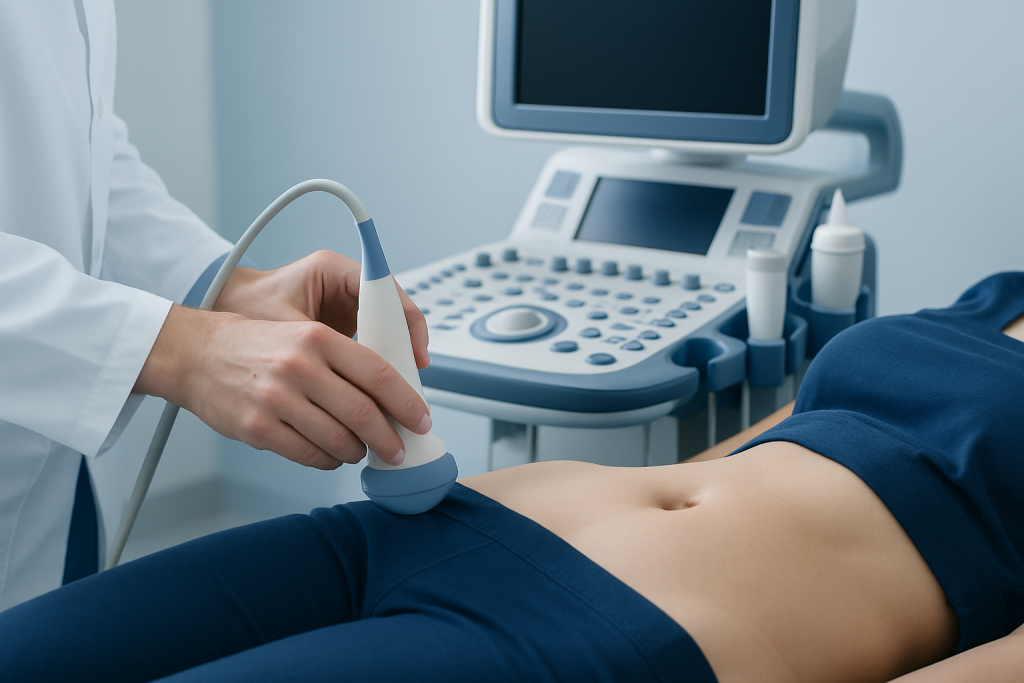
If the findings are uncertain, imaging may be recommended. Ultrasound is commonly used first because it is simple and does not involve radiation. CT or MRI may be considered for more complex cases, recurrent hernias, or unclear abdominal wall changes. If treatment is needed, referral for general surgery evaluation may be appropriate.
Treatment Options and What to Expect
Treatment depends on the cause. If the outie belly button is simply a stable anatomical variation without symptoms, no medical treatment is usually required. Reassurance and routine observation are often enough.
When an umbilical hernia is present, management varies by age and symptoms. In infants, small umbilical hernias often close on their own over time, so doctors may monitor them. In adults, hernias are less likely to resolve spontaneously and may need surgical repair if they are painful, enlarging, or at risk of complications.
If there is infection, inflammation, or another skin-related problem, treatment may involve local care and medication as advised by a clinician. Surgery may also be considered for selected structural issues or cosmetic concerns, but this should follow a proper medical assessment. Near the end of the care pathway, patients seeking coordinated evaluation may find that Acibadem International’s multidisciplinary specialists in JCI-accredited hospitals diagnose and treat abdominal wall and navel-related conditions for international patients.
Self-Care, Myths, and Everyday Precautions
Good daily care for the belly button is simple: keep the area clean, dry, and free from irritation. Gentle washing during bathing is usually enough. There is no proven benefit to taping down an outie, placing coins over it, or using pressure devices; these common myths do not correct the underlying anatomy and may irritate the skin.
People who have a known hernia or a bulging navel that worsens with pressure should be careful with activities that sharply increase abdominal strain. Managing constipation, treating chronic cough, using safe lifting technique, and maintaining a healthy weight may help reduce stress on the abdominal wall, although these steps do not guarantee that an existing hernia will disappear.
If a piercing, surgery, or pregnancy has changed the navel’s appearance, it is best not to assume the cause without an examination. Any persistent discharge, foul odor, bleeding, or skin breakdown should be reviewed by a doctor. Self-diagnosis is especially unreliable when the bulge is new or associated with pain.
When to Seek Medical Care
Medical care is advisable if an outie belly button is new, growing, painful, or associated with redness, warmth, fever, or drainage. These features can point to a hernia, infection, or another condition that should be assessed rather than watched at home.
Urgent medical attention is needed if the bulge becomes hard, very tender, discolored, or cannot be pushed back in. The same is true if there is nausea, vomiting, severe abdominal pain, or inability to pass stool or gas, because these symptoms may suggest a trapped or obstructed hernia.
Parents should seek pediatric advice if a child’s navel bulge is large, painful, discolored, or still clearly persists beyond the timeframe their doctor considers expected. Adults should not ignore a protruding belly button that changes after pregnancy, heavy lifting, or abdominal surgery. A timely medical review helps confirm whether the finding is harmless or needs treatment.
Frequently asked questions
Is an outie belly button normal?
Yes. In many people, an outie belly button is simply a normal variation in how the navel healed after birth. If it has always looked that way and causes no symptoms, it is often harmless.
Does the way the umbilical cord was cut cause an outie belly button?
No. This is a common myth, but medical evidence does not show that cord-cutting technique determines whether someone has an innie or outie. Belly button shape mainly reflects natural healing and anatomy.
Can an outie belly button mean a hernia?
Sometimes. A protruding belly button can be caused by an umbilical hernia, especially if the bulge is new, changes size, or becomes more obvious with coughing or straining. A doctor can usually tell by examination and, if needed, imaging.
Do outie belly buttons go away on their own?
A natural outie that reflects normal anatomy usually does not change much over time. In babies, some umbilical hernias close on their own as the abdominal wall strengthens, but adult hernias are less likely to resolve without treatment.
When is a belly button bulge an emergency?
It may be urgent if the bulge becomes very painful, hard, red, purple, or impossible to push back in. Nausea, vomiting, abdominal swelling, or trouble passing stool or gas are also warning signs that need prompt medical care.
Can exercise or taping flatten an outie belly button?
No home method has been proven to change the basic shape of a normal outie belly button. Taping, pressure, or placing objects over the navel can irritate the skin and is not recommended without medical advice.
This article is for general information only and is not a substitute for professional medical advice. Please consult a qualified doctor about your individual situation.
Explore treatments in Turkey — costs, top hospitals & a free quote
JCI-accredited · board-certified surgeons · reply within 24h
Add us as a Preferred Source to see more of our trusted health content across Google Search, AI Overviews and Discover.

More from the Health Library

Benzodiazepines: A Complete Medical Overview

Eye Test Fees — Explained by Medical Evidence, Not Myths

Torsemide: An Evidence-Based Guide for Patients

Blood clot arm photos: Symptoms, Causes, and Treatment — Complete Patient Guide

Preventive Health Screenings by Age: What Adults Should Consider and When