Eye Test Fees — Explained by Medical Evidence, Not Myths

Eye test fees vary mainly by the type and depth of the examination. A vision screening is not the same as a comprehensive eye exam.
Key Takeaways
- Eye test fees vary mainly by the type and depth of the examination.
- A vision screening is not the same as a comprehensive eye exam.
- Extra tests may be needed based on age, symptoms, family history, or long-term conditions such as diabetes.
- Asking what is included can help patients understand eye test fees more clearly.
- Sudden vision changes, pain, flashes, or eye injury should prompt urgent medical care.
Eye test fees usually reflect what is included in the visit, such as vision measurement, eye health checks, and any extra tests needed for symptoms or risk factors. In most cases, the fee varies because not all eye exams are the same, and a medically necessary assessment may be more detailed than a routine vision check.
Overview: what eye test fees really reflect
Eye test fees are best understood as a reflection of the clinical work involved, not as a simple fixed charge for reading letters on a chart. A routine visit may include checking visual acuity, assessing whether glasses are needed, and examining the front and back of the eye. If a person has symptoms, long-term health conditions, or a higher risk of eye disease, the examination often becomes more detailed.
This is why eye test fees can differ from one visit to another. The fee may depend on whether the appointment is a basic refractive assessment, a comprehensive eye health exam, or a medically focused visit for pain, blurred vision, double vision, headaches, or follow-up of a known condition. Tests such as retinal imaging, visual field analysis, pressure measurement, or corneal mapping may be added when clinically appropriate.
Understanding this distinction helps patients make informed decisions. Rather than focusing only on the lowest price, it is often more useful to ask what is included, who performs the examination, whether dilation or imaging may be needed, and whether the visit is intended to check eyesight alone or also evaluate eye health.
What an eye test may include
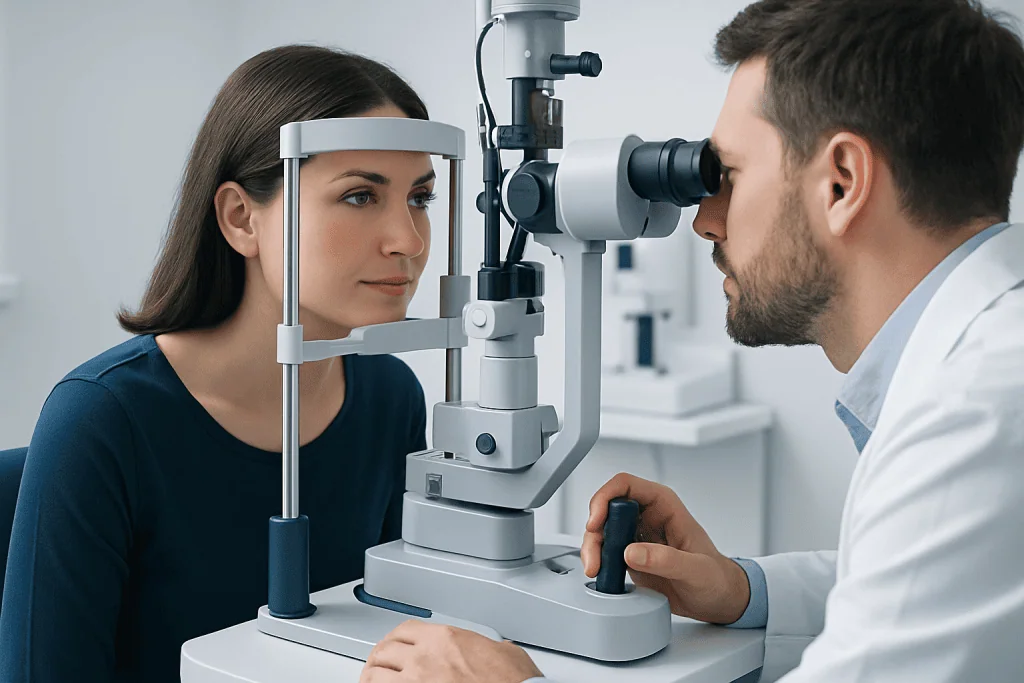
An eye test can mean different things in different settings. Some appointments are mainly designed to measure vision and update a glasses or contact lens prescription. Others are comprehensive medical evaluations that also look for early signs of eye disease, even before symptoms appear.
A standard comprehensive eye examination may include a history of symptoms and medications, vision testing, refraction, assessment of eye movements, pupil responses, and a slit-lamp examination of the front of the eye. The clinician may also check eye pressure and examine the retina and optic nerve, sometimes after using dilating drops.
Depending on the reason for the visit, additional tests may be recommended. These may include:
- Retinal photography or optical imaging of the back of the eye
- Visual field testing
- Corneal thickness or topography measurements
- Tear film assessment for dry eye
- Color vision or contrast sensitivity testing
- Contact lens fitting and follow-up
Because each of these steps requires different equipment, time, and clinical interpretation, they can affect eye test fees. A person with no symptoms may need only a routine exam, while someone with glaucoma risk, diabetes, or reduced vision may need more extensive testing.
Why eye test fees vary from person to person
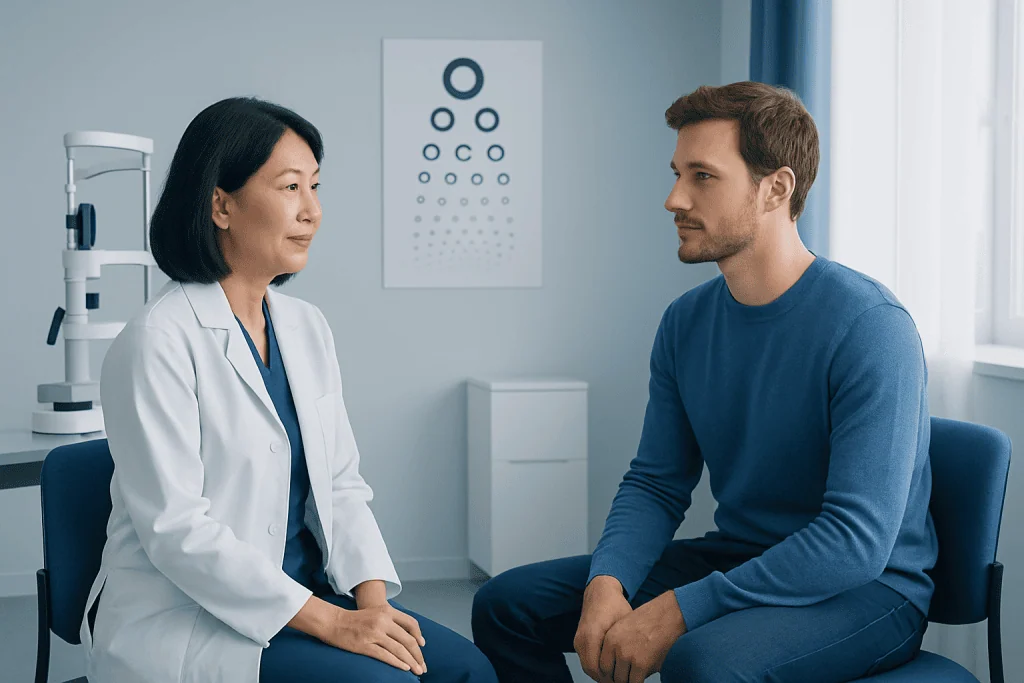
The most evidence-based explanation for differences in eye test fees is variation in clinical need. Age is one factor. Children may need evaluations tailored to visual development and eye alignment, while older adults may need careful assessment for cataracts, macular disease, or glaucoma. A person with stable vision may require less testing than someone reporting sudden blurring or difficulty seeing at night.
Medical history also matters. Diabetes, high blood pressure, autoimmune disease, and some medications can affect the eyes. In these situations, the examination may need to assess not only prescription changes but also the health of the retina, optic nerve, and blood vessels. This can turn a routine visit into a broader diagnostic evaluation.
The care setting can influence fees as well. A screening performed in a school, workplace, or optical retail setting is usually more limited than a specialist evaluation in a clinic or hospital. The credentials of the examining professional, the technology used, and whether the visit includes a treatment plan or referral pathway may also affect what is charged.
Patients can often reduce confusion by asking a few simple questions before booking: Is this a screening or a full eye exam? Does it include refraction? Are imaging tests included or billed separately? Will dilation be needed? These questions help clarify what eye test fees cover without relying on myths or assumptions.
Vision screening versus a comprehensive eye exam
One common source of misunderstanding is the difference between a vision screening and a full eye examination. A vision screening is a quick check, often designed to identify people who may need further assessment. It may detect reduced visual acuity, but it does not rule out many eye diseases and does not replace a complete evaluation by an eye care professional.
A comprehensive eye exam is more thorough. It aims not only to determine how clearly a person sees but also to assess the health of the eyes and related structures. This is important because some conditions, including glaucoma and retinal disease, can develop gradually with few early symptoms.
For this reason, eye test fees for a comprehensive exam are not directly comparable to the cost of a simple screening. They serve different purposes. A screening may be appropriate for public health checks, but a person with symptoms, risk factors, or known eye problems usually benefits from a fuller assessment.
When additional testing may be medically necessary
Not every patient needs the same tests, but some situations justify more detailed evaluation. Blurred vision that does not improve with a new prescription, eye pain, light sensitivity, headaches related to visual tasks, or sudden floaters may require more than a standard refraction. Likewise, people with a family history of glaucoma, previous eye surgery, or chronic conditions such as diabetes may need ongoing monitoring.
Additional testing can help detect or follow conditions such as cataract, macular disease, corneal disorders, and optic nerve problems. In some cases, imaging of the retina or optic nerve helps the clinician compare changes over time. Pressure checks and visual field testing are often important when glaucoma is suspected or already diagnosed.
If treatment is needed, the next steps depend on the findings. Management may range from glasses or dry eye care to specialist treatment such as laser eye surgery for selected refractive needs, cataract surgery when lens clouding affects daily life, or corneal transplantation for advanced corneal disease. The key point is that testing is usually chosen for medical reasons, not added routinely without purpose.
How to prepare for an eye exam and ask useful questions
Preparing well for an appointment can make the visit more efficient and more meaningful. Patients should bring their current glasses or contact lenses, a list of medications, details of any eye symptoms, and information about family history of eye disease if known. Writing down when symptoms started and what makes them better or worse can help the clinician decide which parts of the exam are most important.
It is also reasonable to ask what the appointment includes. Patients may want to know whether the visit is aimed at checking a prescription, assessing eye health, or both. If they wear contact lenses, they can ask whether fitting, lens measurements, or follow-up are separate parts of care. If dilation may be used, it helps to ask how long blurred near vision or light sensitivity might last afterward.
Helpful questions include:
- What is the purpose of this eye test?
- Will it include a glasses prescription?
- Are any imaging or specialist tests likely to be needed?
- Do my medical conditions change the type of exam I need?
- How often should I have my eyes checked?
These questions support informed decision-making and can help patients understand eye test fees in a practical, medically grounded way.
When to seek medical care
Some eye problems should not wait for a routine appointment. Urgent medical assessment is important if there is sudden loss of vision, new flashes of light, a sudden increase in floaters, a curtain-like shadow in vision, severe eye pain, marked redness, chemical exposure, or eye injury. Double vision, sudden distortion, or a painful eye with nausea can also need prompt attention.
Children should be assessed if parents notice a wandering eye, persistent squinting, unusual head posture, white reflection in the pupil, or developmental concerns related to vision. Adults should seek care if headaches are accompanied by visual symptoms, if contact lenses become painful to wear, or if an eye infection does not improve as expected.
For non-urgent concerns such as gradual blurring, eyestrain, dryness, or trouble seeing at night, arranging a timely eye examination is still important. Early evaluation can help identify whether the issue is a simple refractive change or a condition that needs monitoring or treatment. Near the end of the care pathway, Acibadem International’s multidisciplinary specialists and JCI-accredited hospitals diagnose and treat eye conditions for international patients when more advanced evaluation is needed.
Frequently asked questions
What do eye test fees usually include?
Eye test fees often include the clinician’s assessment, vision testing, and a check of whether a prescription is needed. Depending on the type of appointment, they may also include an eye health examination, pressure measurement, or retinal assessment. Extra tests may be recommended if symptoms or risk factors are present.
Why are eye test fees different for different people?
The main reason is that eye exams are tailored to clinical needs. A person having a routine prescription check may need fewer tests than someone with diabetes, eye pain, or possible glaucoma. Age, symptoms, medical history, and the technology used can all affect the depth of the examination.
Is a vision screening enough?
A vision screening can help identify people who may need further evaluation, but it does not replace a comprehensive eye exam. Many eye diseases can be present even when a person reads an eye chart well. A full exam is more appropriate when there are symptoms, risk factors, or concerns about eye health.
How often should someone have an eye exam?
The right interval depends on age, symptoms, existing eye conditions, and general health. People with diabetes, a family history of eye disease, previous eye surgery, or changing vision may need more frequent checks. A qualified eye care professional can recommend the most suitable schedule.
Do people without symptoms still need eye exams?
Yes, in many cases they do. Some important eye conditions develop gradually and may not cause symptoms at first. Regular examinations can help detect problems early, when monitoring or treatment may be more effective.
When should an eye problem be treated as urgent?
Urgent care is needed for sudden vision loss, severe pain, flashes, a sudden shower of floaters, injury, or chemical exposure. A red painful eye, double vision, or a shadow over part of vision should also be assessed promptly. These symptoms can signal problems that should not wait for a routine appointment.
References
- American Academy of Ophthalmology
- National Eye Institute
- Centers for Disease Control and Prevention
- World Health Organization
This article is for general information only and is not a substitute for professional medical advice. Please consult a qualified doctor about your individual situation.
Explore treatments in Turkey — costs, top hospitals & a free quote
JCI-accredited · board-certified surgeons · reply within 24h
Add us as a Preferred Source to see more of our trusted health content across Google Search, AI Overviews and Discover.
Check your numbers in seconds
BMI, calories, due date, blood pressure and 30+ more clinical calculators — free, instant, doctor-reviewed ranges.

More from the Health Library
Co2 Laser: A Complete Medical Overview

How many miles is 10k steps? The Numbers, Explained by Clinicians
Sternotomy — Explained by Medical Evidence, Not Myths

Iodine Deficiency — Explained by Medical Evidence, Not Myths

Counterforce Brace for Golfer’s Elbow — Explained by Medical Evidence, Not Myths