Ovarian Cancer Chemo: How It Works, Results and What to Expect
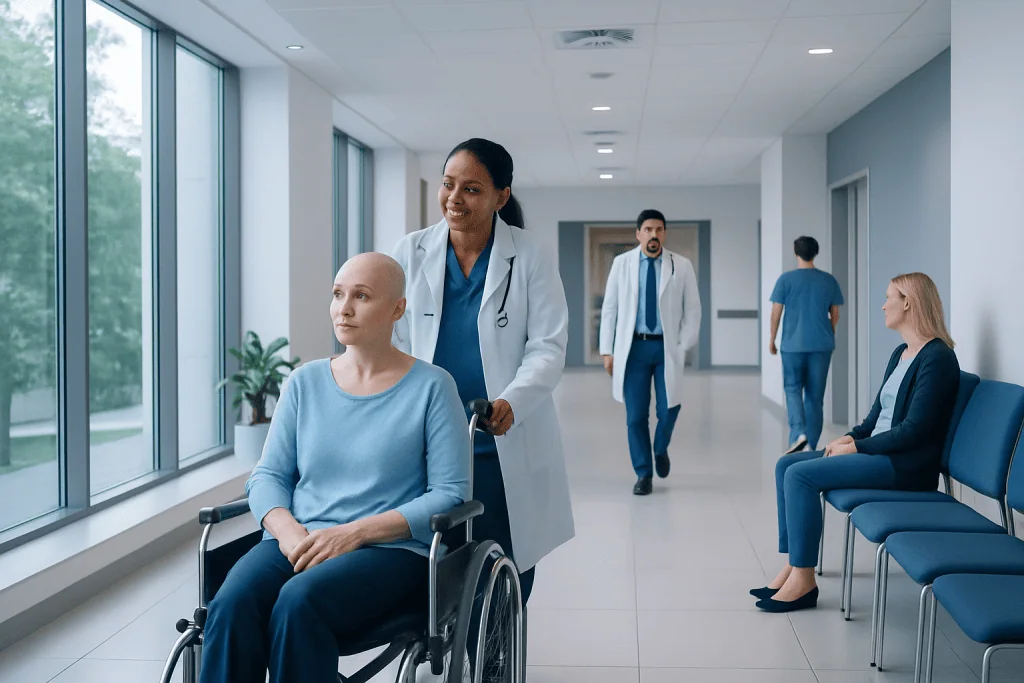
Chemotherapy is often a central part of treatment for epithelial ovarian cancer, usually alongside surgery. Many people receive chemotherapy in cycles, allowing time between treatments for the body to recover.
Key Takeaways
- Chemotherapy is often a central part of treatment for epithelial ovarian cancer, usually alongside surgery.
- Many people receive chemotherapy in cycles, allowing time between treatments for the body to recover.
- Blood tests, imaging, symptoms, and sometimes CA-125 trends help the oncology team assess response.
- Side effects are common but vary widely and can often be prevented, monitored, or treated.
- New or worsening symptoms during treatment should be reported promptly to the oncology team.
Ovarian cancer chemo is a systemic treatment that uses anti-cancer medicines to destroy cancer cells or slow their growth. It is commonly given after surgery, before surgery, or when ovarian cancer has returned, with the treatment plan tailored to the cancer type, stage, overall health, and treatment goals.
Ovarian cancer chemo: how it works
Ovarian cancer chemo uses medicines that circulate through the bloodstream to damage or kill rapidly dividing cancer cells. It can treat cancer cells that remain after an operation, shrink cancer before surgery, or control cancer that has spread or returned. For many people with epithelial ovarian cancer, the most common form of ovarian cancer, chemotherapy is an important part of care.
Doctors often use a combination of chemotherapy medicines because medicines with different actions can work better together than one medicine alone. Treatment is most commonly delivered into a vein through an intravenous line. In selected situations, chemotherapy may also be delivered into the abdomen, called intraperitoneal chemotherapy, although this approach is not suitable for everyone.
Chemotherapy affects some healthy fast-growing cells as well as cancer cells. This is why it can cause temporary effects involving the bone marrow, hair follicles, digestive tract, and nerves. The oncology team plans treatment carefully and provides supportive care to help reduce side effects while maintaining effective treatment.
Who may benefit and how treatment is planned
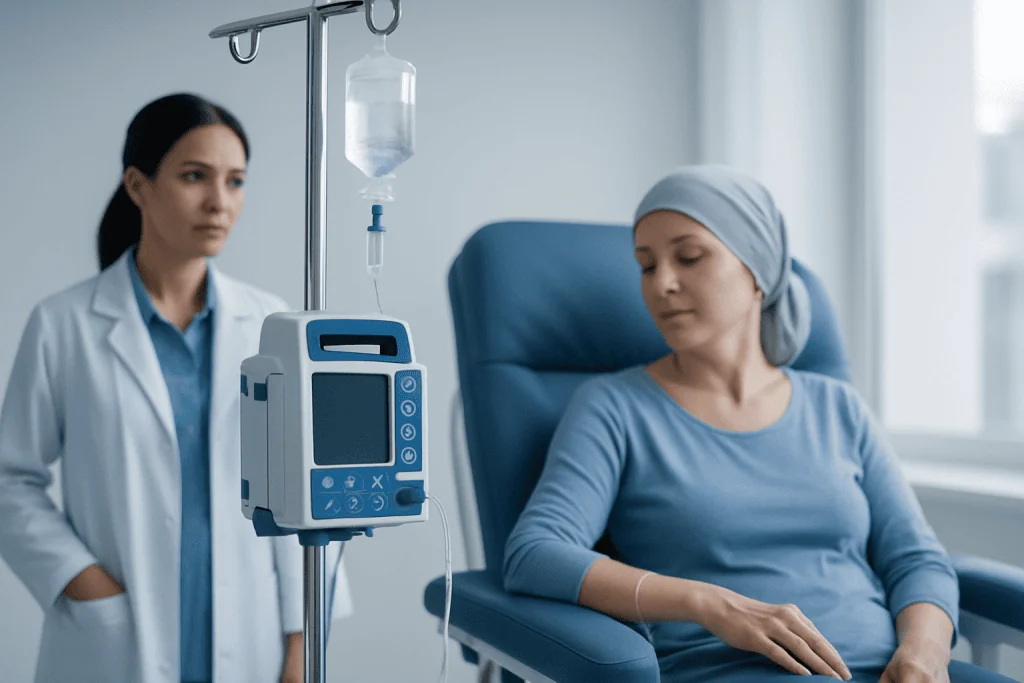
Chemotherapy may be recommended before surgery, after surgery, or both. When cancer is extensive or a person is not well enough for a major operation immediately, doctors may suggest chemotherapy first. This is known as neoadjuvant chemotherapy. Surgery may then be performed after several cycles if the cancer has responded and the person is fit for the procedure.
After surgery, chemotherapy is often used as adjuvant treatment. Its purpose is to target microscopic cancer cells that cannot be seen or removed during surgery. In recurrent ovarian cancer, the choice of chemotherapy depends on factors including previous treatments, how long the cancer remained controlled after platinum-based treatment, symptoms, tumour features, and personal priorities.
Planning usually involves a gynecologic oncologist, medical oncologist, radiologist, pathologist, specialist nurses, and supportive-care professionals. The team reviews pathology findings, imaging results, blood tests, medical history, and any relevant genetic or tumour testing. These results can also help determine whether targeted therapy or maintenance treatment should be considered alongside or after chemotherapy.
Ovarian cancer is not one single disease. High-grade serous, endometrioid, clear cell, mucinous, and germ cell tumours may have different treatment approaches. A personalized discussion with an experienced oncology team is therefore essential.
What happens during ovarian cancer chemotherapy
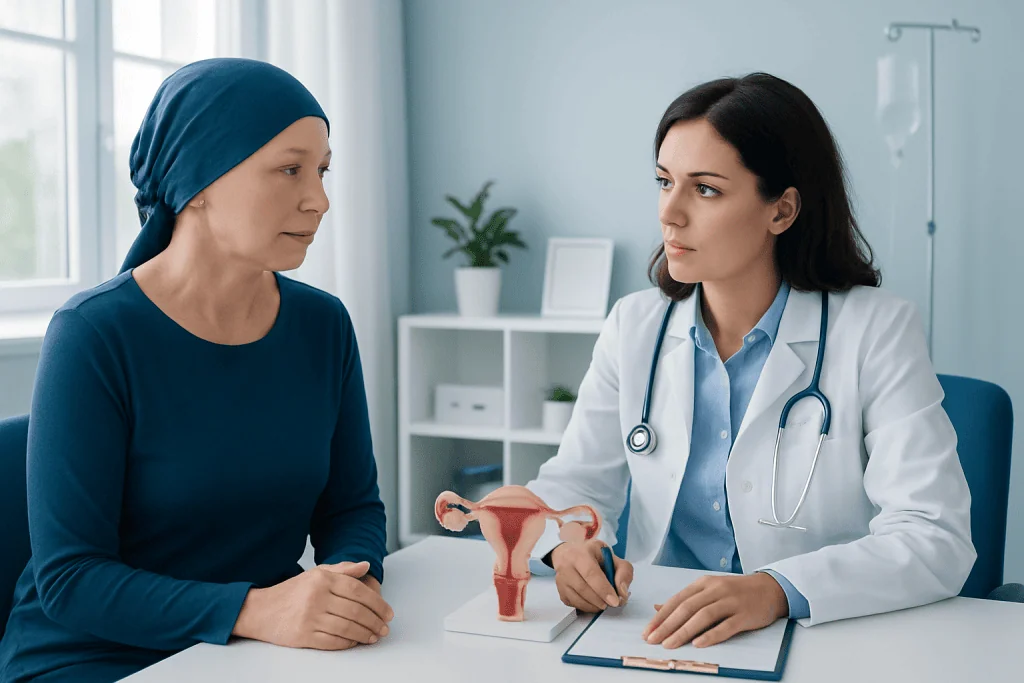
Before treatment begins, the person usually has a consultation, physical assessment, and blood tests to check blood counts, kidney function, liver function, and general fitness for treatment. Scans and tumour-marker blood tests may be used as a baseline. The team explains the proposed medicines, possible benefits, likely side effects, and practical arrangements before consent is obtained.
On treatment days, chemotherapy is generally given in an outpatient infusion unit. A nurse checks vital signs and reviews symptoms. Medicines to reduce nausea or allergic reactions may be given first, followed by the chemotherapy infusion. Some people have a temporary intravenous line; others may have a port placed under the skin for repeated access to veins.
A chemotherapy cycle includes the treatment day or days plus a recovery period. The interval allows healthy tissues, especially blood-forming cells in the bone marrow, time to recover. Blood tests are usually repeated before each cycle. If blood counts are low or side effects are significant, treatment may be delayed or adjusted to protect safety.
The exact schedule differs between regimens. A common initial plan involves several cycles given about every three weeks, but the number and timing can change according to the diagnosis, response, surgery plan, and tolerance of treatment. Patients should ask their oncology team what schedule applies to their individual plan.
Benefits, risks and common side effects
The potential benefit of ovarian cancer chemo is to reduce the amount of cancer, improve the chance of long-term disease control after surgery, relieve symptoms caused by cancer, or slow progression when cure is not possible. The expected benefit depends on the cancer subtype and stage, the success of surgery where applicable, and how the tumour responds to medicines.
Common side effects can include tiredness, nausea, appetite changes, altered taste, constipation or diarrhea, hair loss, mouth soreness, and temporary lowering of blood cell counts. Low white blood cells can increase infection risk, while low red blood cells may contribute to fatigue or breathlessness. Some medicines can cause numbness, tingling, or pain in the fingers and toes, known as peripheral neuropathy.
Not everyone develops every side effect, and their severity varies. Anti-sickness medicines, nutrition support, activity adjustments, and other supportive treatments can make treatment more manageable. It is helpful to keep a record of symptoms, their timing, and what improves or worsens them, so the care team can respond early.
Urgent symptoms include a fever, chills, shortness of breath, chest pain, severe or persistent vomiting, inability to keep fluids down, confusion, uncontrolled pain, sudden swelling, or signs of an allergic reaction during infusion. The oncology team provides specific contact instructions, including whom to call outside normal clinic hours.
How do you know if chemo is working for ovarian cancer?
Doctors assess whether chemotherapy is working using several sources of information rather than relying on one test alone. They consider changes in symptoms, physical examination findings, blood tests, and imaging such as CT scans. In some people, improvement in abdominal swelling, pain, appetite, or breathing can be an early sign that treatment is helping.
CA-125 is a blood marker that can be useful for many, but not all, people with ovarian cancer. If CA-125 was elevated before treatment, a falling level may support evidence of response. However, CA-125 results do not tell the whole story and should be interpreted alongside scans and the person’s clinical condition.
Imaging is often performed after a planned number of cycles or when symptoms suggest a change. A scan may show that tumours have shrunk, remained stable, or grown. Stable disease can still be a meaningful treatment outcome in some recurrent-cancer situations. The oncology team explains what the findings mean and whether the plan should continue, change, or move toward surgery or maintenance therapy.
How many rounds of chemo is normal for ovarian cancer?
There is no single number of chemotherapy rounds that is right for every person. For many people receiving first-line treatment for epithelial ovarian cancer, a plan of about six cycles is common. Each cycle is often spaced roughly three weeks apart, although schedules vary by regimen and individual circumstances.
When chemotherapy is used before surgery, a person may receive several cycles first and then have an interval operation if appropriate. Additional cycles may be recommended after surgery. In recurrent ovarian cancer, the number of cycles may depend on response, side effects, prior therapies, and the purpose of treatment.
Treatment plans can change safely when needed. A delay, dose adjustment, or switch in medicines does not automatically mean treatment has failed. These decisions are made to balance cancer control with blood counts, organ function, side effects, and quality of life.
What is life like after chemotherapy?
Life after chemotherapy is different for each person. Many side effects gradually improve in the weeks after the final treatment, but tiredness may last longer than expected. It can be helpful to return to normal routines gradually, prioritize sleep, accept practical support, and discuss a safe activity plan with the care team.
Hair usually begins to grow back after treatment ends, although its texture or color may temporarily differ. Appetite, taste, and digestion commonly recover over time. Numbness or tingling in the hands and feet can take longer to improve and should be discussed, especially if it affects balance, walking, buttoning clothes, or daily tasks.
Follow-up care generally includes regular appointments, symptom review, examination, and tests when clinically appropriate. Follow-up also addresses emotional wellbeing, menopausal symptoms, fertility concerns where relevant, sexual health, nutrition, and fears about recurrence. Counselling, patient support groups, and rehabilitation services can be valuable parts of recovery.
At Acibadem International, multidisciplinary specialists in JCI-accredited hospitals support international patients with individualized ovarian cancer assessment, chemotherapy planning, surgery coordination, and follow-up care.
How long after chemo can you eat normally?
Many people can eat on the day of chemotherapy, although appetite and food preferences may change for a few days afterward. There is no required waiting period before eating normally; the appropriate diet depends on nausea, mouth soreness, bowel changes, infection risk, and other individual side effects. Small, frequent meals and regular fluids are often easier than large meals during treatment days.
When nausea, vomiting, diarrhea, constipation, or taste changes occur, the oncology team can suggest practical changes and prescribe supportive medicines when needed. Bland foods, cool foods, protein-rich snacks, and avoiding strong smells may help some people. A dietitian can provide tailored advice if weight loss, poor intake, or other nutrition concerns develop.
People should contact their care team if they cannot drink enough fluids, have repeated vomiting, develop severe diarrhea, have painful swallowing, or are losing weight unintentionally. Food safety is also important when immunity is low: careful hand hygiene, safe food storage, and avoiding undercooked high-risk foods may be advised by the treating team.
When to seek medical care
Anyone with symptoms that could be related to ovarian cancer should arrange medical assessment, particularly when symptoms are new, frequent, and persistent. These may include ongoing bloating or increased abdominal size, pelvic or abdominal pain, feeling full quickly, difficulty eating, urinary urgency or frequency, unexplained weight change, or unusual tiredness. These symptoms are common and often have non-cancer causes, but persistent changes deserve review.
During ovarian cancer chemo, prompt medical advice is important for fever or feeling unwell, especially if a temperature reaches the threshold provided by the oncology team. A person should also seek urgent care for severe abdominal pain, shortness of breath, chest pain, uncontrolled vomiting, dehydration, heavy bleeding, sudden confusion, or a new widespread rash or facial swelling.
Regular communication with the cancer team helps identify complications early and allows symptoms to be managed effectively. People should not wait for their next scheduled appointment if they are concerned about a new or rapidly worsening symptom.
Frequently asked questions
Is chemotherapy always needed for ovarian cancer?
Chemotherapy is commonly recommended for many epithelial ovarian cancers, particularly when disease is beyond the earliest stages. However, the need for treatment depends on the cancer type, stage, surgical findings, pathology results, and individual health factors. Some early-stage tumours may have a different approach.
Can ovarian cancer chemotherapy be given before surgery?
Yes. Chemotherapy before surgery, called neoadjuvant chemotherapy, may be considered when cancer is extensive or surgery is unlikely to be safe or effective as the first step. The response to treatment can help make later surgery more feasible for selected patients.
Does hair loss happen with ovarian cancer chemo?
Hair loss is common with some chemotherapy regimens used for ovarian cancer, but not every medicine causes it. When it occurs, it is usually temporary, and regrowth often starts after chemotherapy finishes. The care team can discuss wigs, head coverings, scalp care, and other practical support.
Can chemotherapy cure ovarian cancer?
For some people, chemotherapy combined with appropriate surgery can lead to long periods without detectable cancer and may be part of treatment with curative intent. Outcomes vary greatly depending on cancer type, stage, response to treatment, and other factors. The oncology team is best placed to explain the goals of care in an individual situation.
Can I work during ovarian cancer chemotherapy?
Some people continue working during treatment, often with reduced hours or flexibility, while others need time away from work. Energy levels, treatment schedules, infection exposure, physical demands, and side effects all affect what is manageable. Discussing workplace adjustments with the oncology team can help support safe decisions.
What happens after the last chemotherapy cycle?
After the final cycle, the oncology team usually reviews symptoms, performs blood tests, and arranges scans or other assessments when appropriate. They discuss treatment response and whether follow-up alone, maintenance therapy, further surgery, or another treatment is recommended. Recovery and supportive care continue after active chemotherapy ends.
References
- National Cancer Institute
- American Cancer Society
- European Society for Medical Oncology
- National Comprehensive Cancer Network
- World Health Organization
This article is for general information only and is not a substitute for professional medical advice. Please consult a qualified doctor about your individual situation.
Ovarian Cancer in Turkey — costs, top hospitals & a free quote
JCI-accredited · board-certified surgeons · reply within 24h
Add us as a Preferred Source to see more of our trusted health content across Google Search, AI Overviews and Discover.