Ozempic Foods to Avoid: Evidence-Based Benefits, Risks, and Practical Guidance

There is no universal Ozempic diet, but some foods commonly worsen nausea, bloating, reflux, and diarrhea. High-fat fried foods, very sugary foods, large meals, and heavy alcohol use are often the least well tolerated.
Key Takeaways
- There is no universal Ozempic diet, but some foods commonly worsen nausea, bloating, reflux, and diarrhea.
- High-fat fried foods, very sugary foods, large meals, and heavy alcohol use are often the least well tolerated.
- Eating smaller meals, choosing lean protein, fiber, and simple foods during dose changes may help reduce stomach side effects.
- Ozempic can affect blood sugar, appetite, and digestion, so meal choices should match a person's medical conditions and treatment plan.
- Persistent vomiting, severe abdominal pain, dehydration, or signs of low blood sugar need prompt medical advice.
Ozempic foods to avoid are not part of a strict forbidden list, but certain foods commonly make side effects worse. In practice, greasy meals, very sugary foods, alcohol, and large portions are often the hardest to tolerate while taking semaglutide.
Overview
People searching for ozempic foods to avoid are usually trying to prevent stomach side effects and make treatment easier to follow. The short answer is that there is no single banned-food list for everyone, but foods that are greasy, very sweet, highly processed, or eaten in large portions often trigger more nausea, fullness, bloating, reflux, or diarrhea while taking Ozempic.
Ozempic is the brand name for semaglutide, a medicine in the GLP-1 receptor agonist family. It is used mainly for type 2 diabetes and may also affect appetite and body weight. Because it slows stomach emptying and changes hunger signals, the way a person eats can make a noticeable difference in comfort and tolerance.
This topic is best understood as a practical nutrition question rather than a strict rulebook. Foods do not usually “interact” with Ozempic in the way some medicines interact with grapefruit or alcohol, but some choices can worsen predictable digestive effects. Individual tolerance varies, so food guidance should be personalized, especially for people with diabetes, reflux, gallbladder problems, or other digestive conditions.
How Ozempic Affects Digestion and Appetite
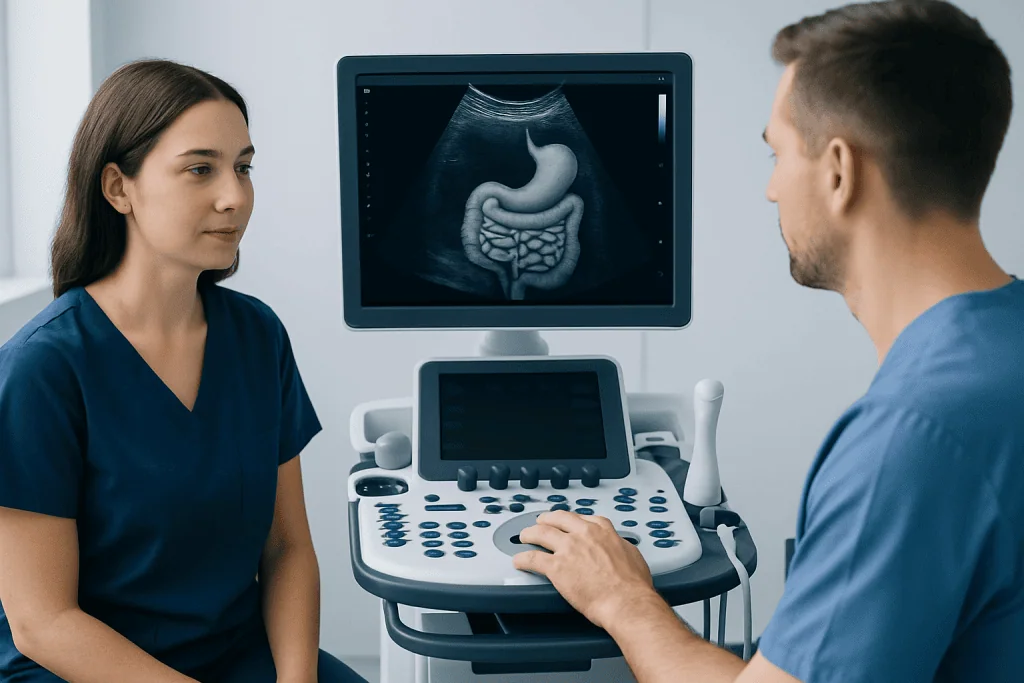
Semaglutide works partly by helping the body release insulin in a glucose-dependent way, lowering glucagon, and slowing gastric emptying. In simple terms, food may stay in the stomach longer, and hunger may feel less intense. These effects can support blood sugar management, but they also explain why some meals suddenly feel too heavy or uncomfortable.
Clinical evidence supports that nausea, vomiting, diarrhea, constipation, abdominal discomfort, and reduced appetite are among the more common side effects of GLP-1 medicines. These effects are often more noticeable when treatment is first started or when the dose is increased. They are not caused by one specific food alone, but by the combination of the medication’s effect and the meal’s size, fat content, sweetness, and digestibility.
It is also important to understand what the evidence does not support. Ozempic does not require a detox, a liquid-only diet, or a trendy supplement plan. There is also no strong evidence that one “magic food” cancels side effects or that every person must avoid the same ingredients. A balanced eating pattern, slower eating, and portion awareness are usually more helpful than rigid food rules.
Foods That Commonly Worsen Side Effects

Many people tolerate Ozempic better when they limit foods that are slow to digest or easy to overeat. The most commonly troublesome foods are those high in fat, highly sugary foods, and very large meals. These can intensify fullness, nausea, burping, reflux, cramping, or loose stools.
Foods often limited while taking Ozempic include:
- Fried foods such as fries, fried chicken, and heavily breaded fast food
- Very fatty meals, including large amounts of cream sauces, fatty cuts of meat, and rich takeout dishes
- Very sugary foods and drinks, including pastries, candy, sweetened coffee drinks, soda, and large desserts
- Large portions, buffet-style meals, or eating very quickly
- Spicy or acidic foods if they trigger reflux or heartburn
- Alcohol, especially in larger amounts or on an empty stomach
- Carbonated beverages if they worsen bloating or belching
These foods are not equally problematic for everyone. Some people mainly struggle with greasy foods, while others find that sweets or carbonated drinks are the bigger issue. Keeping a simple symptom-and-food diary for a few weeks can help identify patterns.
People with diabetes should also be mindful that highly refined carbohydrates may make blood sugar control less predictable. Nutrition planning works best when it supports both comfort and glucose goals, especially for those also receiving diabetes treatment.
What to Eat Instead and How to Build Tolerable Meals
Rather than focusing only on restriction, it helps to know what is often easier to tolerate. Many people do better with smaller, simpler meals built around lean protein, modest portions of complex carbohydrates, and foods that are not heavily fried or overly rich. Eating slowly and stopping before feeling overly full can be just as important as food choice.
Commonly better-tolerated options include eggs, yogurt, oatmeal, soups, rice, toast, bananas, applesauce, soft fruits, cooked vegetables, beans in moderate amounts, chicken, fish, tofu, and other lean proteins. If nausea is more noticeable, bland foods and cool or room-temperature meals may feel easier than hot, greasy, or strongly scented foods.
Helpful meal habits may include:
- Choosing 3 smaller meals or smaller meals with planned snacks instead of one or two very large meals
- Including protein regularly to help satiety and blood sugar stability
- Drinking water consistently between meals rather than forcing large amounts during meals
- Limiting late-night heavy eating if reflux is a problem
- Reintroducing richer foods slowly after a dose increase
There is no need for a special branded diet. A clinician or dietitian may recommend a medically tailored meal plan if a person is also living with obesity, digestive symptoms, or obesity-related health concerns.
Risks, Interactions, and Who May Need Extra Caution
Food choices matter, but they are only one part of safe Ozempic use. People taking insulin or certain oral diabetes medicines may have a higher risk of hypoglycemia, especially if food intake drops sharply because of nausea or reduced appetite. This is why skipping meals entirely is not usually a good strategy unless a clinician has given specific instructions.
Alcohol deserves special mention. It may worsen nausea, dehydration, reflux, or dizziness, and in some people it can complicate blood sugar management. This does not mean every person must avoid alcohol completely, but using caution and discussing safe limits with a doctor is sensible.
Some people may need closer medical review before or during semaglutide treatment, including those with severe gastrointestinal symptoms, dehydration, a history of pancreatitis, gallbladder disease, kidney problems, or significant difficulty maintaining nutrition. Because GLP-1 medicines slow stomach emptying, clinicians also consider other digestive disorders and the timing of procedures or anesthesia when relevant.
Ozempic is not a substitute for individualized metabolic care. When symptoms are difficult to manage or treatment goals are unclear, structured support through obesity treatment or endocrinology follow-up may help guide food choices, side-effect management, and overall medication use.
What Clinical Evidence Supports and Does Not Support
Available clinical evidence supports that semaglutide can improve glycemic control in type 2 diabetes and that gastrointestinal side effects are common, especially early in treatment. It also supports practical measures such as slower dose escalation under medical supervision, portion control, and symptom-based food adjustment. In day-to-day use, this is why many clinicians advise limiting greasy foods, large meals, and very sweet foods when side effects are active.
At the same time, evidence does not support exaggerated claims that Ozempic users must eliminate all carbohydrates, avoid fruit, or follow internet detox regimens. There is also no high-quality evidence showing that a single food category is universally dangerous for every patient. Tolerance is individual, and nutrition plans should reflect the person’s diabetes status, kidney health, digestive symptoms, and overall calorie and protein needs.
Another important point is that reduced appetite can sometimes lead to under-eating. While weight loss may occur in some patients, the goal should still be adequate hydration, sufficient protein, and steady nutrient intake. Unintentional malnutrition, persistent vomiting, and recurring dehydration are not expected or desirable effects and should be discussed with a clinician.
Practical Self-Care and When to Seek Medical Care
Self-care during Ozempic treatment usually starts with meal timing and portion size. Smaller meals, gentle foods during dose changes, hydration, and limiting high-fat or highly sweet foods can make treatment easier. It can also help to avoid lying down right after eating, especially if reflux or nausea is bothersome.
Patients should seek medical advice sooner rather than later if symptoms are persistent or worsening. Concerning signs include repeated vomiting, inability to keep fluids down, signs of dehydration, severe or ongoing abdominal pain, faintness, blood sugar readings that are too low or too high, or rapid decline in food intake. Sudden severe symptoms should not be explained away as “just part of the medicine.”
People who are unsure whether symptoms are medication-related, food-related, or caused by another condition may benefit from professional review. In appropriate cases, evaluation may include digestive assessment, medication adjustment, or support from endocrinology and nutrition specialists such as gastroenterology care. Acibadem International’s multidisciplinary specialists and JCI-accredited hospitals diagnose and treat related metabolic and digestive concerns for international patients.
Frequently asked questions
What foods should be avoided on Ozempic?
There is no single forbidden list, but many people feel worse after fried foods, very fatty meals, sugary foods, large portions, and heavy alcohol use. These choices can increase nausea, bloating, reflux, and diarrhea while taking semaglutide.
Can a person eat sweets while taking Ozempic?
Some people can tolerate small amounts, but very sugary foods may worsen nausea or feel overly heavy. For people with diabetes, sweets may also make blood sugar harder to manage, so moderation and individualized advice are important.
Why do greasy foods feel worse on Ozempic?
Ozempic slows stomach emptying, so high-fat foods may sit in the stomach longer and feel harder to digest. This can increase fullness, burping, reflux, and nausea, especially early in treatment or after a dose increase.
Is alcohol allowed with Ozempic?
Alcohol is not always absolutely prohibited, but it can worsen stomach upset, dehydration, and blood sugar swings. A doctor can advise whether alcohol is appropriate based on the person's diabetes treatment, symptoms, and overall health.
What should someone eat if Ozempic causes nausea?
Smaller meals and bland, lower-fat foods are often easier to tolerate. Examples include toast, rice, soup, oatmeal, yogurt, bananas, applesauce, and lean proteins in modest portions.
Should a person skip meals to reduce side effects?
Usually not. Skipping meals may worsen weakness, dehydration, or blood sugar problems, especially in people also taking other diabetes medicines. Smaller, simpler meals are generally safer than not eating at all.
When should someone call a doctor about Ozempic side effects?
Medical advice is important if there is repeated vomiting, inability to drink enough fluids, severe abdominal pain, dizziness, signs of dehydration, or very low blood sugar symptoms. Symptoms that are persistent, intense, or interfering with normal eating should also be reviewed.
References
- American Diabetes Association
- U.S. Food and Drug Administration
- National Institute of Diabetes and Digestive and Kidney Diseases
- Mayo Clinic
- National Health Service
This article is for general information only and is not a substitute for professional medical advice. Please consult a qualified doctor about your individual situation.
Persistent digestive symptoms? Get evaluated in Turkey
JCI-accredited · board-certified surgeons · reply within 24h
Add us as a Preferred Source to see more of our trusted health content across Google Search, AI Overviews and Discover.