Paclitaxel Chemo: How It Works, Results and What to Expect

Paclitaxel interferes with cancer cell division and may be used before surgery, after surgery, with other medicines or for advanced cancer. Treatment is usually delivered through a vein in planned cycles, with blood tests and clinical checks before doses.
Key Takeaways
- Paclitaxel interferes with cancer cell division and may be used before surgery, after surgery, with other medicines or for advanced cancer.
- Treatment is usually delivered through a vein in planned cycles, with blood tests and clinical checks before doses.
- Common effects include tiredness, hair loss, low blood cell counts, nausea, muscle or joint aches and numbness or tingling in the hands or feet.
- Response is assessed through symptoms, examinations, blood tests and imaging; side effects alone do not show whether treatment is working.
- Fever, chills, breathing difficulty, severe allergic symptoms or signs of infection during treatment need urgent medical assessment.
Paclitaxel chemo is a taxane medicine used to treat several cancers, often as part of a wider treatment plan that may include surgery, radiation therapy, targeted therapy or immunotherapy. It is given by intravenous infusion and requires regular monitoring to support safety, manage side effects and assess response.
Paclitaxel chemo overview
Paclitaxel chemo is an anticancer medicine in the taxane group. It is used for cancers such as breast, ovarian, endometrial, lung, pancreatic, head and neck, and certain other cancers. The exact role of paclitaxel depends on the cancer type, stage, tumour biology, previous treatment and a person’s general health.
Some people receive paclitaxel before surgery to shrink a tumour or make an operation more effective. Others receive it after surgery to reduce the risk of cancer returning, alongside radiation therapy in selected situations, or to control cancer that has spread. It may be prescribed alone or combined with other anticancer medicines.
Paclitaxel is a systemic treatment, meaning it travels through the bloodstream. This enables it to reach cancer cells beyond the original tumour site, but it can also affect some healthy rapidly dividing cells. Careful planning, monitoring and early management of side effects help make treatment as safe and manageable as possible.
How paclitaxel works
Cells normally divide through an organized process that relies on structures called microtubules. Paclitaxel stabilizes these structures and prevents them from functioning normally during cell division. As a result, affected cancer cells may be unable to divide and can die.
Cancer cells are often more vulnerable to this effect because they may divide more frequently than many healthy cells. However, cells in the hair follicles, bone marrow and lining of the digestive tract also divide regularly. This explains why hair loss, low blood counts and digestive symptoms can occur during treatment.
Paclitaxel is not a single identical plan for every person. Oncologists select the dose schedule, number of cycles and partner treatments according to the treatment goal. A person’s care team can explain whether the aim is cure, reducing recurrence risk, shrinking cancer before a local treatment, or controlling cancer and symptoms over time.
Who may be offered paclitaxel chemo

Suitability for paclitaxel chemo is based on an individualized oncology assessment. The team considers the cancer diagnosis and pathology results, imaging findings, extent of disease, treatment history, current medicines, liver function, blood counts, nerve symptoms and daily functioning.
Paclitaxel is frequently used in breast cancer care, including in early-stage disease and in some metastatic settings. It is also used in treatment plans for gynecologic cancers and non-small cell lung cancer, among others. The medicine may be an option when a tumour is known to be responsive to taxanes or when it fits a recommended combination regimen.
People with pre-existing peripheral neuropathy, substantially low blood counts, active infection, significant liver impairment or a prior serious reaction to paclitaxel need especially careful review. These factors do not always rule out treatment, but they may affect the schedule, supportive medicines or choice of therapy. Decisions should be made with a qualified medical oncology team.
- Pathology and molecular test results can help guide the broader treatment plan.
- Pregnancy, fertility wishes and breastfeeding should be discussed before treatment begins.
- All prescribed medicines, supplements and allergies should be reviewed to reduce interaction and reaction risks.
What happens during paclitaxel treatment
Before starting, a person usually has a consultation, baseline blood tests and, when appropriate, scans or other tests to establish the extent of cancer. The oncology team explains the intended schedule, likely benefits, possible side effects and supportive care plan. Some people have a peripheral intravenous line for each visit, while others receive treatment through a central venous access device.
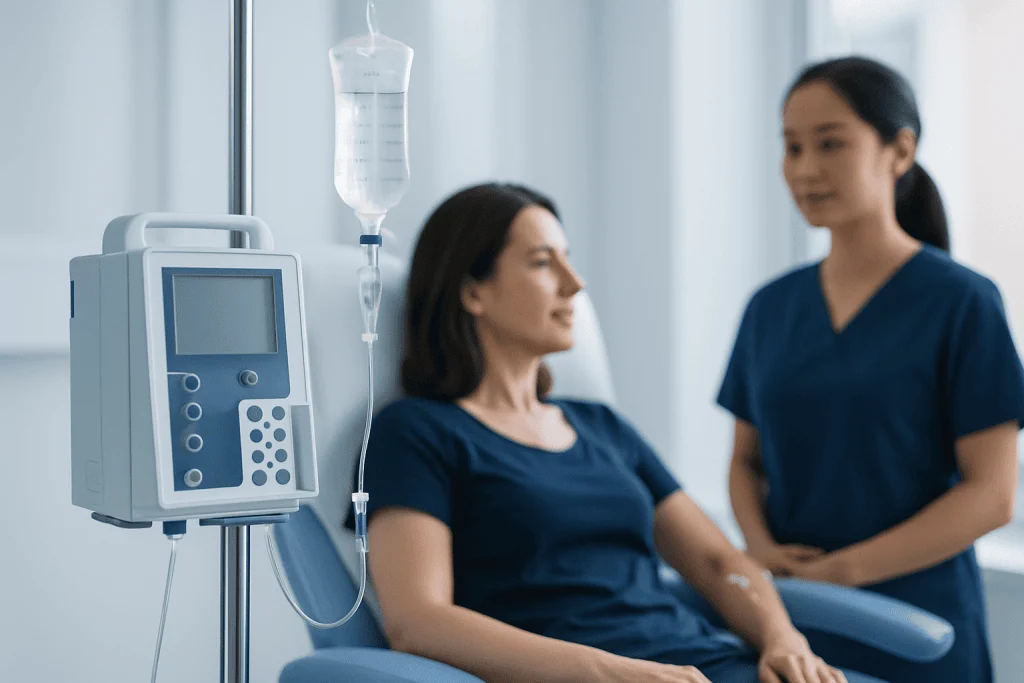
Paclitaxel is given as an intravenous infusion in an outpatient chemotherapy unit or hospital setting. Before the infusion, medicines are commonly provided to reduce the risk of an infusion-related allergic reaction. These may include corticosteroids, antihistamines and medicines that block stomach acid. The infusion time and frequency vary by regimen; weekly schedules and schedules every few weeks are both used.
Nurses monitor the person closely during the first infusions, particularly for rash, flushing, chest discomfort, wheezing, dizziness, back pain or changes in blood pressure. If a reaction occurs, the infusion can be paused and treated promptly. Before later doses, blood counts and symptoms are reviewed to determine whether treatment can proceed as planned or needs adjustment.
For people seeking coordinated oncology care, chemotherapy treatment can include treatment planning, infusion support and monitoring through each cycle. Acibadem International’s multidisciplinary specialists and JCI-accredited hospitals also support diagnosis and treatment planning for international patients.
Benefits, expected results and how response is measured
The potential benefit of paclitaxel depends on why it is being used. In curative-intent care, it may lower the chance of recurrence when included in an evidence-based regimen. Before surgery, it may reduce tumour size or treat cancer cells that cannot be seen on scans. In advanced cancer, it may slow growth, reduce tumour burden, relieve cancer-related symptoms or help maintain quality of life.
There is no single success rate for paclitaxel. Results differ greatly by cancer type, stage, tumour characteristics, whether other therapies are used, and how the cancer responds to treatment. Published response rates from one setting cannot reliably predict an individual person’s outcome. The treating oncologist is best placed to discuss likely benefit using the person’s diagnosis and treatment goal.
Response is monitored using a combination of clinical assessment, symptom review, physical examinations, blood tests and imaging scans at appropriate intervals. For some cancers, tumour markers may contribute useful information, although they are rarely interpreted on their own. A scan may show that a tumour has shrunk, remained stable or grown, and this helps guide whether the plan should continue or change.
How does paclitaxel make you feel?
How a person feels on paclitaxel varies considerably. Some feel relatively well on infusion day and notice tiredness, body aches or changes in energy over the following days. Others experience more persistent fatigue, altered taste, reduced appetite, mild nausea, constipation or diarrhea. The care team can suggest medicines and practical strategies for individual symptoms.
Hair loss is common with standard paclitaxel regimens, and it may include scalp hair as well as eyebrows, eyelashes and body hair. Hair usually begins to grow back after treatment finishes, though texture or colour can temporarily differ. Some treatment centres offer scalp cooling for selected people, but its suitability and effectiveness vary by regimen.
Paclitaxel can also cause peripheral neuropathy, which may feel like tingling, numbness, burning or sensitivity in the fingers and toes. New or worsening nerve symptoms should be reported early because changes to the schedule or dose may help prevent symptoms becoming more severe. Fatigue often builds across cycles and usually improves gradually after treatment ends, although recovery timing differs from person to person.
Do you lose your hair with weekly paclitaxel?
Yes, hair loss can occur with weekly paclitaxel. Although the intensity and timing differ among individuals, many people experience noticeable thinning or complete scalp hair loss over the course of treatment. Weekly dosing does not reliably prevent this side effect.
Hair loss often starts two to four weeks after treatment begins, but the timing can vary. The oncology team can discuss preparing for hair loss, including wigs, head coverings, eyebrow support and scalp care. Hair usually regrows after paclitaxel is completed, though it may take several months to regain previous thickness.
Scalp cooling may reduce hair loss for some people receiving certain chemotherapy schedules. It is not suitable for everyone, and its use depends on the cancer type, treatment plan and local clinical guidance. A person should ask their oncology team whether this option is appropriate before the first infusion.
When to seek medical care
People receiving paclitaxel should contact their oncology team promptly for a temperature at or above the threshold they have been given, chills, feeling suddenly unwell, a sore throat, cough, painful urination or other possible signs of infection. Chemotherapy can lower infection-fighting white blood cells, and infections may need urgent treatment even when symptoms initially seem mild.
Urgent medical assessment is also needed for difficulty breathing, chest pain, swelling of the face or throat, widespread rash, severe dizziness, fainting, uncontrolled vomiting or diarrhea, unexpected bleeding, black stools, confusion or severe weakness. These symptoms may have several causes and should not be managed alone at home.
Between appointments, people should report new numbness or weakness, severe constipation, mouth sores that limit drinking, painful redness at an infusion site, or side effects that interfere with normal activities. The oncology team may provide a 24-hour contact number and individualized instructions for emergencies.
Frequently asked questions
What are some signs that chemotherapy is working?
The most reliable signs come from scheduled medical assessments, such as imaging scans, physical examinations and, for some cancers, blood tests or tumour markers. Symptoms may improve when treatment is helping, but symptoms can also change for reasons unrelated to tumour response. Side effects, including hair loss or fatigue, do not indicate whether chemotherapy is working.
What is the success rate of paclitaxel?
Paclitaxel does not have one overall success rate because it is used for different cancers, stages and treatment goals. It may be given to cure cancer, reduce recurrence risk, shrink a tumour before surgery or control advanced disease. An oncologist can explain expected benefit using the specific diagnosis, pathology findings and planned regimen.
How long does paclitaxel stay in the body?
Paclitaxel is processed and cleared over time after an infusion, but its biological effects on cells and blood counts can last longer. The exact timing varies with the dose, schedule, liver function and other medicines. Side effects may occur days after treatment and can accumulate over repeated cycles.
Can paclitaxel cause permanent nerve damage?
Paclitaxel-related neuropathy often improves after treatment, but recovery may take months and some people can have long-lasting symptoms. The risk can increase with higher cumulative exposure and existing nerve problems. Reporting tingling, numbness, burning or balance changes early allows the oncology team to consider adjustments.
Can I work while receiving paclitaxel chemo?
Some people are able to work during paclitaxel treatment, while others need reduced hours or time away because of fatigue, appointments, infection risk or other side effects. Energy levels may vary during each cycle. A flexible plan and discussion with the oncology team can help a person make safer practical decisions.
What should I avoid while taking paclitaxel?
People should avoid starting new medicines, vitamins, herbal products or supplements without checking with their oncology team, as interactions may occur. It is also important to reduce infection exposure through hand hygiene and to follow food safety advice provided by the treatment centre. Alcohol, driving and activity recommendations should be individualized, particularly if fatigue, dizziness or neuropathy is present.
References
- National Cancer Institute
- American Cancer Society
- National Comprehensive Cancer Network
- Macmillan Cancer Support
- European Society for Medical Oncology
This article is for general information only and is not a substitute for professional medical advice. Please consult a qualified doctor about your individual situation.
Oncology care in Turkey — second opinion and treatment plan
JCI-accredited · board-certified surgeons · reply within 24h
Add us as a Preferred Source to see more of our trusted health content across Google Search, AI Overviews and Discover.
Check your numbers in seconds
BMI, calories, due date, blood pressure and 30+ more clinical calculators — free, instant, doctor-reviewed ranges.