Pain Therapy for Cancer Patients: How It Works, Results and What to Expect

Cancer pain can arise from the tumour, treatments, nerve injury, inflammation or an unrelated health problem. A pain plan is individual and may include non-opioid medicines, opioids, treatments for nerve pain, rehabilitation and emotional support.
Key Takeaways
- Cancer pain can arise from the tumour, treatments, nerve injury, inflammation or an unrelated health problem.
- A pain plan is individual and may include non-opioid medicines, opioids, treatments for nerve pain, rehabilitation and emotional support.
- Interventional options, including nerve blocks, may be considered when pain remains difficult to control or medicine causes troublesome side effects.
- New, severe or rapidly worsening pain should be assessed promptly, especially when it occurs with weakness, fever, confusion or loss of bladder or bowel control.
- Pain relief is an important part of cancer care at every stage, including during treatment, recovery and advanced illness.
Pain therapy for cancer patients is a personalised approach that may combine pain medicines, rehabilitation, psychological support and image-guided procedures to reduce suffering and support daily life. Effective pain control is possible for many people, and symptoms should be reviewed regularly as cancer and treatment needs change.
Overview: how pain therapy for cancer patients works
Pain therapy for cancer patients uses a coordinated, stepwise plan to identify the source of pain and reduce its effect on sleep, movement, mood and everyday activities. It can include medicines, treatment directed at the cancer itself, physical rehabilitation, psychological support and procedures that interrupt pain signals. The aim is not simply to lower a pain score, but to help the person function as comfortably and independently as possible.
Cancer pain is not the same for everyone. It may be aching or pressure-like pain from a tumour, sharp pain after surgery, burning or electric-shock sensations from nerve injury, or pain related to bone involvement. A new symptom should not automatically be assumed to be cancer pain; infection, blood clots, fractures and other treatable conditions may also need assessment.
Care is commonly shared by an oncologist, pain medicine specialist, palliative care clinician, surgeon, radiation oncologist, nurse, pharmacist, physiotherapist and mental health professional. Palliative care focuses on symptom relief and quality of life and can be provided alongside cancer-directed treatment; it is not limited to end-of-life care.
How cancer pain is assessed and who may benefit
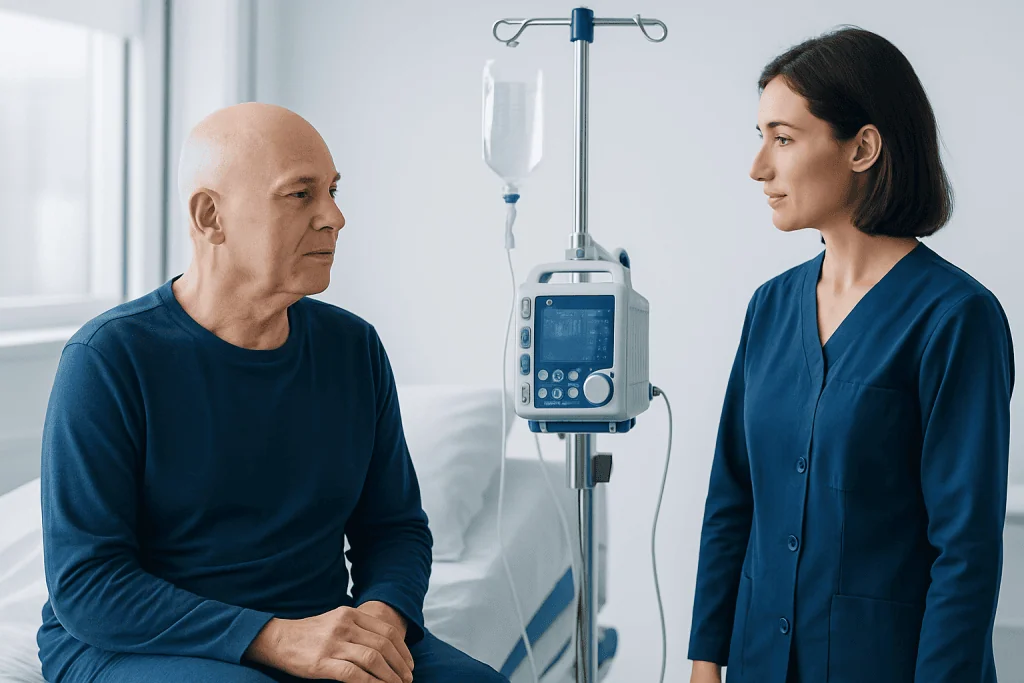
A clinician will ask where the pain is felt, how it began, what it feels like, how intense it is, whether it changes with movement or eating, and how it affects daily life. They will also review current medicines, previous cancer treatments, sleep, mood and side effects such as constipation, nausea, drowsiness or confusion. A physical examination and, when appropriate, blood tests or imaging can help identify the cause.
People may be candidates for additional pain therapy when pain interrupts normal activities, persists despite an initial treatment plan, causes unacceptable medicine side effects, or has a clearly localised source that may respond to a procedure. Pain from bone metastases, abdominal or pelvic tumours, chest-wall disease, surgery and treatment-related nerve damage may each require different approaches.
The patient’s goals guide decisions. For one person, the priority may be sleeping through the night; for another, walking more easily, attending treatment appointments or reducing medication-related drowsiness. A pain diary recording timing, triggers, relief and side effects can make follow-up discussions more useful.
Treatment options and a step-by-step approach

Most plans begin with treating the underlying cause where possible. Surgery, systemic cancer treatment or radiation therapy may reduce pain by shrinking or stabilising a tumour. Depending on the pain type, clinicians may recommend non-opioid pain relievers, anti-inflammatory medicines when safe, opioid medicines, drugs for nerve pain, medicines for muscle spasm, or topical treatments. Medicines are selected and adjusted carefully according to kidney and liver function, other medicines and individual risks.
Supportive measures are also part of treatment. Physiotherapy can preserve movement and strength, occupational therapy can make daily tasks safer, and counselling or relaxation-based approaches can help with the stress and sleep disruption that often amplify pain. These methods do not imply that pain is “all in the mind”; they address real physical symptoms and their wider effects.
If medicines do not provide adequate relief, a specialist may discuss an interventional option. This may include pain management procedures such as an injection around a nerve, a catheter-based technique or, in selected situations, neuromodulation. The choice depends on the pain location, cancer type, anatomy, bleeding risk, infection risk and overall health.
A typical procedure pathway includes consultation and consent, review of scans and medicines, preparation instructions, image guidance with ultrasound, fluoroscopy or CT when needed, and monitoring afterward. Some procedures use local anaesthetic alone, while others may involve sedation. The clinical team explains whether medicines such as blood thinners need temporary adjustment; patients should never stop prescribed medicines without specific medical advice.
What is a nerve block used for in the treatment of cancer pain?
A nerve block is an injection of local anaesthetic, sometimes combined with other medicines, near a nerve or group of nerves that carries pain signals. In cancer care, it can help clarify whether a particular nerve pathway is responsible for pain and may provide temporary or longer-lasting relief. In selected cases, a longer-acting nerve-targeting procedure may be considered when the expected benefits outweigh the risks.
Nerve blocks may be used for pain in the upper abdomen, pelvis, chest wall or an arm or leg, among other locations. For example, some people with severe upper abdominal cancer pain may be assessed for a celiac plexus block, while other patterns may require a different target. The exact procedure is determined by anatomy and the source of pain, not by diagnosis alone.
Potential benefits include lower pain intensity, improved ability to move or rest, and reduced reliance on systemic pain medicines for some patients. Relief varies: it may be partial, temporary or substantial, and not every person responds. The clinician will discuss alternatives and establish a plan for reassessment.
Risks depend on the procedure but can include temporary soreness, bruising, low blood pressure, bleeding, infection, allergic reaction, numbness or weakness. Rarely, more serious injury can occur. Image guidance, careful screening and post-procedure monitoring are used to improve safety, but no procedure is risk-free.
Why is recovery after cancer treatment so brutal?
Recovery after cancer treatment can feel especially difficult because the body may be healing from more than one physical stress at the same time. Surgery can cause tissue injury and reduced mobility, chemotherapy can affect blood counts and energy, radiation can inflame treated tissues, and some therapies can affect nerves, hormones, appetite or sleep. The cancer itself, pain and emotional strain may add further burden.
Recovery is also rarely linear. Fatigue can persist even after treatment sessions end, and a person may have good days followed by days with less energy. Nutrition, sleep, activity level, infection, anaemia, medication side effects and pre-existing conditions can all influence how quickly strength returns.
Supportive care can make recovery more manageable. A clinician may recommend rehabilitation, nutrition guidance, symptom-directed medicines and a gradual activity plan. It is important to report symptoms rather than trying to endure them alone, especially worsening pain, breathlessness, fever, persistent vomiting, new swelling or a major change in function.
Recovery timeline, benefits and self-care
The timeline after a pain procedure depends on the treatment used. Local injection-site tenderness may last a day or two, while the effect of a local anaesthetic block may be noticed quickly. If a steroid or another medication is used, benefit may take longer to become clear. Sedation can affect alertness for the rest of the day, so patients may need a responsible adult to accompany them home and should follow the facility’s safety instructions.
After any intervention, the team may ask the patient to track pain relief, activity, numbness, weakness and medicine use. This information helps determine whether the procedure was helpful and whether the broader pain plan should be adjusted. Continuing prescribed pain medicines exactly as directed is important unless the treating team advises otherwise.
At home, practical measures may include gentle activity within advised limits, regular meals and fluids, pacing tasks, comfortable positioning, heat or cold only when medically appropriate, and support for sleep. Constipation prevention is particularly important for people taking opioid medicines and should be discussed with the clinical team.
Acibadem International’s multidisciplinary specialists and JCI-accredited hospitals provide assessment and treatment planning for international patients with cancer-related pain. Care should always be coordinated with the person’s oncology team so that symptom relief and cancer treatment work together.
Can cancer survivors live a normal life after treatment of cancer?
Many cancer survivors return to meaningful routines, relationships, work, exercise and activities they value after treatment. However, “normal” may look different from before cancer, particularly when there are lasting effects such as fatigue, neuropathy, hormone changes, changes in body image or fear of recurrence. Recovery often involves adapting over time rather than returning immediately to a previous baseline.
Follow-up care supports long-term health by monitoring for recurrence where appropriate, managing late effects, addressing emotional wellbeing and promoting healthy habits. Survivorship plans may include screening advice, vaccination review, physical activity guidance, nutritional support and rehabilitation. People should ask their care team which symptoms should prompt contact between scheduled visits.
Persistent pain deserves attention even after treatment has ended. It may be related to surgery, radiation, nerve injury or another condition that can be treated. A pain specialist can help distinguish ongoing cancer-related pain from treatment-related or unrelated causes and create a plan that supports long-term wellbeing.
How long can you live with stage 4 cancer untreated?
There is no single answer because stage 4 cancer includes many different cancer types and patterns of spread. Life expectancy without treatment can vary widely according to the cancer’s biology, where it has spread, the person’s general health and the availability of supportive care. An individual estimate cannot be made reliably from stage alone.
Some people choose not to have cancer-directed treatment, or may be unable to receive it because of other health concerns. They can still receive active supportive and palliative care for pain, breathlessness, nausea, anxiety and other symptoms. This care also helps patients and families make informed decisions based on personal goals and values.
The oncologist is the best person to discuss prognosis in the context of scans, pathology, treatment options and overall health. It can be helpful to ask what may happen with and without treatment, which symptoms can be relieved, and what support services are available. Honest conversations allow care to remain focused on what matters most to the individual.
When to seek medical care
Patients should contact their cancer team promptly for pain that is new, worsening, wakes them from sleep, is no longer relieved by the prescribed plan, or creates new difficulty walking, eating, breathing or caring for themselves. A timely review can identify a treatable cause and avoid unnecessary suffering.
Urgent medical assessment is needed for sudden severe pain, chest pain, new shortness of breath, fever or chills during cancer treatment, uncontrolled vomiting, confusion, a severe headache with neurological changes, new weakness or numbness, or loss of bladder or bowel control. These symptoms may have causes that require rapid evaluation.
Patients should not change, share or abruptly stop opioid or other prescribed pain medicines without advice from a clinician. Regular follow-up makes it possible to balance pain relief with safety and to adjust care as needs change.
Frequently asked questions
Can cancer pain be controlled?
For many people, cancer pain can be substantially reduced with an individualised plan. The most effective approach may combine treatment of the cancer, medicines, rehabilitation, emotional support and, when appropriate, interventional procedures. Pain should be reassessed regularly because its cause and severity can change.
Are opioid medicines always needed for cancer pain?
No. The need for opioids depends on the cause and severity of pain and the person’s medical situation. Some people benefit from non-opioid medicines, treatments for nerve pain, local procedures or cancer-directed treatment, while others need opioids as part of a carefully monitored plan.
Is palliative care only for people near the end of life?
No. Palliative care can be introduced at any point after a serious diagnosis and can be provided alongside chemotherapy, radiation therapy, surgery or other cancer treatment. It focuses on symptom relief, communication, practical support and quality of life.
How quickly does a nerve block work for cancer pain?
A local anaesthetic component may provide early relief, while the timing of other medications used in a procedure can vary. Some people have meaningful improvement and others have partial or no benefit. The treating specialist will explain what to expect for the specific block being considered.
What should a patient tell their doctor about cancer pain?
They should describe the pain location, severity, quality, timing, triggers and effects on sleep and activity. It is also useful to report all medicines and supplements, side effects, recent treatments and any new symptoms such as weakness, fever or shortness of breath. A pain diary can help provide this information clearly.
Can pain therapy continue while a person receives cancer treatment?
Yes. Symptom management is commonly provided alongside cancer-directed treatment. The pain and oncology teams coordinate care so that medicines and procedures are appropriate for the treatment schedule, blood counts, infection risk and other health considerations.
References
- World Health Organization
- National Cancer Institute
- American Cancer Society
- European Society for Medical Oncology
- American Society of Clinical Oncology
This article is for general information only and is not a substitute for professional medical advice. Please consult a qualified doctor about your individual situation.
Oncology care in Turkey — second opinion and treatment plan
JCI-accredited · board-certified surgeons · reply within 24h
Add us as a Preferred Source to see more of our trusted health content across Google Search, AI Overviews and Discover.

More from the Health Library



Related Specialists

Dr. Seda Erdoğdu
Radiation Oncology
Prof. Dr. Cihan Aksoy
Physical Medicine & Rehabilitation
Fzt. Aslı Hacıoğlu
Physical Medicine & Rehabilitation
Dr. Nazrın Yusıflı
Pediatrics