Pancreatic Cancer: Warning Signs, Diagnosis, and Care Options

Pancreatic cancer may cause vague symptoms such as abdominal or back pain, weight loss, jaundice, nausea, or changes in stool. Risk factors include smoking, chronic pancreatitis, certain inherited syndromes, diabetes, obesity, and a family history of pancreatic cancer.
Key Takeaways
- Pancreatic cancer may cause vague symptoms such as abdominal or back pain, weight loss, jaundice, nausea, or changes in stool.
- Risk factors include smoking, chronic pancreatitis, certain inherited syndromes, diabetes, obesity, and a family history of pancreatic cancer.
- Diagnosis commonly involves CT or MRI imaging, endoscopic ultrasound, blood tests, and biopsy when needed.
- Treatment options may include surgery, chemotherapy, radiation therapy, targeted therapy, immunotherapy for selected cases, and supportive care.
- Any new jaundice, unexplained weight loss, persistent upper abdominal pain, or sudden diabetes in later adulthood should be evaluated by a doctor.
Pancreatic cancer often develops quietly, but recognizing possible warning signs and seeking timely medical evaluation can help patients receive appropriate care. Diagnosis usually combines imaging, laboratory tests, and tissue sampling, while treatment is planned according to the cancer type, stage, and the patient’s overall health.
Overview
Pancreatic cancer is a disease in which abnormal cells grow in the pancreas, a gland located deep in the upper abdomen behind the stomach. The pancreas has two important roles: it produces digestive enzymes that help break down food, and it makes hormones such as insulin that help regulate blood sugar. Because the pancreas sits deep inside the body, early tumors may not cause clear symptoms.
The most common type is pancreatic ductal adenocarcinoma, which begins in the ducts that carry digestive enzymes. Less commonly, tumors may start in the hormone-producing cells of the pancreas; these are called pancreatic neuroendocrine tumors and may behave differently. Treatment decisions depend on the exact tumor type, its location, whether it has spread, and the person’s overall health.
Pancreatic cancer can feel overwhelming for patients and families, but care has become increasingly multidisciplinary. Gastroenterologists, radiologists, surgeons, medical oncologists, radiation oncologists, pathologists, dietitians, pain specialists, and palliative care teams may all contribute to an individualized plan. The goal is to treat the cancer when possible, control symptoms, support nutrition, and preserve quality of life.
Warning Signs and Symptoms
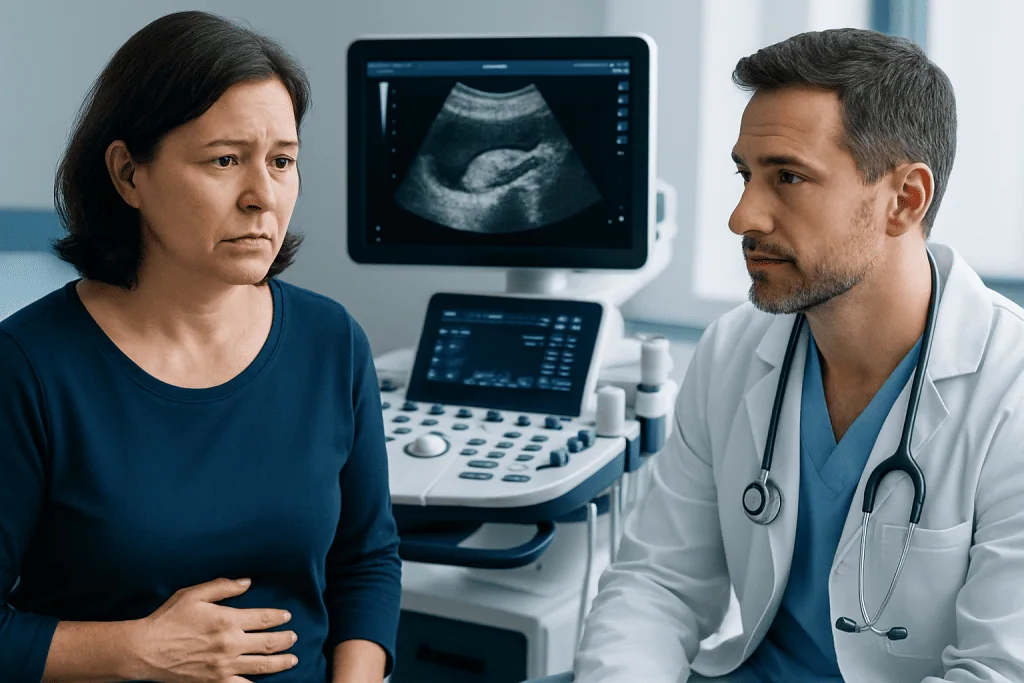
Pancreatic cancer symptoms can be subtle at first and may resemble more common digestive conditions. Some people have no symptoms until the tumor grows or affects nearby structures such as the bile duct, stomach, nerves, or blood vessels. Persistent or unexplained symptoms deserve medical evaluation, especially when several occur together.
Possible warning signs include:
- Yellowing of the skin or eyes, called jaundice
- Dark urine, pale or greasy stools, or itching
- Pain or discomfort in the upper abdomen that may spread to the back
- Unexplained weight loss or loss of appetite
- Nausea, vomiting, bloating, or feeling full quickly
- New or worsening diabetes, especially in later adulthood
- Fatigue, weakness, or a general feeling of being unwell
- Blood clots in the leg or lung in some cases
Jaundice can occur when a tumor in the head of the pancreas blocks the bile duct, preventing bile from draining normally. Back pain may occur when the tumor affects nearby nerves. Greasy, floating, or foul-smelling stools can happen when the pancreas is not releasing enough digestive enzymes. These symptoms do not always mean cancer, but they are important reasons to speak with a qualified doctor.
Causes and Risk Factors

Pancreatic cancer develops when genetic changes allow pancreatic cells to grow and divide in an uncontrolled way. In many people, the exact cause is not known. Some risk factors are related to lifestyle or medical history, while others are inherited. Having a risk factor does not mean someone will develop pancreatic cancer, and some patients have no obvious risk factors.
Known risk factors include cigarette smoking, long-term inflammation of the pancreas called chronic pancreatitis, obesity, older age, and a family history of pancreatic cancer. Diabetes is also associated with pancreatic cancer; in some people, long-standing diabetes may increase risk, while in others, newly developing diabetes may be an early sign of pancreatic disease. Heavy alcohol use can contribute indirectly by increasing the risk of chronic pancreatitis.
Inherited factors are important in a minority of cases. Certain gene changes and hereditary syndromes, including mutations involving BRCA1, BRCA2, PALB2, CDKN2A, STK11, and Lynch syndrome-related genes, may increase risk. People with multiple close relatives affected by pancreatic cancer or a known hereditary cancer syndrome may benefit from genetic counseling. In selected high-risk individuals, specialists may recommend surveillance with imaging or endoscopic tests.
Diagnosis and Staging
Diagnosis usually begins with a medical history, physical examination, and blood tests. A doctor may check liver function tests if jaundice is present and may measure tumor markers such as CA 19-9. CA 19-9 can be helpful for monitoring some patients, but it is not reliable enough to diagnose pancreatic cancer on its own because levels can rise for other reasons or remain normal in some patients.
Imaging is central to diagnosis. A pancreas-protocol CT scan is often used to look for a tumor, assess nearby blood vessels, and check for spread to the liver, lymph nodes, or other organs. MRI and MRCP may provide additional detail about the pancreas and bile ducts. Endoscopic ultrasound, in which a thin flexible tube with an ultrasound probe is passed through the mouth into the stomach and small intestine, can help view the pancreas closely and guide a biopsy.
A biopsy may be needed to confirm the diagnosis, particularly before chemotherapy or radiation therapy. Tissue may be obtained during endoscopic ultrasound or another image-guided procedure. Staging describes how far the cancer has spread and helps guide treatment. Pancreatic cancer may be described as resectable, borderline resectable, locally advanced, or metastatic, depending on whether surgery is possible and whether the disease has spread beyond the pancreas.
Treatment Options
Treatment is personalized and depends on tumor stage, tumor biology, symptoms, and the patient’s goals and fitness for treatment. When pancreatic cancer appears removable, surgery may offer the best chance for long-term control. Operations may include the Whipple procedure for tumors in the head of the pancreas, distal pancreatectomy for tumors in the body or tail, or rarely total pancreatectomy. These are complex surgeries best performed by experienced pancreatic surgery teams.
Chemotherapy is commonly used before surgery, after surgery, or when surgery is not possible. It can help shrink or control the cancer, reduce the risk of recurrence, and relieve symptoms. Radiation therapy may be considered in selected cases, especially for locally advanced disease or when local control is needed. Treatment plans are reviewed carefully because the pancreas is close to important organs and blood vessels.
For some patients, molecular testing of the tumor and inherited genetic testing may identify specific treatment opportunities. Targeted therapies may be useful for tumors with certain genetic changes, and immunotherapy may be considered for rare pancreatic cancers with specific biomarkers such as mismatch repair deficiency or high microsatellite instability. Clinical trials may also be an option and can provide access to carefully monitored new approaches.
Supportive and palliative care are important at every stage, not only near the end of life. This care may include pain control, treatment of nausea, pancreatic enzyme replacement when digestion is impaired, bile duct stenting for jaundice, diabetes management, nutritional support, and emotional counseling. These measures can improve comfort and help patients tolerate cancer treatment more safely.
Nutrition, Self-Care, and Daily Support
Pancreatic cancer and its treatments can affect appetite, digestion, blood sugar, and body weight. Many patients benefit from working with a dietitian experienced in oncology and pancreatic conditions. The aim is to maintain strength, prevent unnecessary weight loss, and reduce symptoms such as diarrhea, bloating, or early fullness.
Helpful self-care strategies may include eating smaller, more frequent meals; choosing protein-rich foods; drinking enough fluids; and reporting oily or floating stools to the care team. Some patients need pancreatic enzyme capsules with meals and snacks, prescribed by a doctor, to help digest fat and protein. If diabetes is present or develops during treatment, blood sugar should be monitored and managed with professional guidance.
Physical activity can be beneficial when tailored to the patient’s energy level and medical condition. Gentle walking, stretching, or supervised rehabilitation may help reduce fatigue and preserve function. Emotional support is also part of care. Patients may find it helpful to speak with a counselor, join a support group, involve family members in appointments, or ask the care team for help with practical issues such as travel, medication schedules, and symptom tracking.
When to See a Doctor
A person should seek medical advice if they develop persistent upper abdominal pain, unexplained weight loss, ongoing loss of appetite, pale or greasy stools, dark urine, or new digestive symptoms that do not improve. New yellowing of the skin or eyes should be evaluated promptly because it may indicate bile duct blockage, which can require treatment even before a full cancer plan is finalized.
People with a strong family history of pancreatic cancer, known hereditary cancer syndrome, or repeated episodes of pancreatitis should discuss their risk with a doctor. Genetic counseling may be appropriate for some individuals and families. Those already diagnosed should ask whether their case has been reviewed by a multidisciplinary tumor board and whether genetic or molecular testing is recommended.
International patients may also consider coordinated care when diagnosis and treatment require several specialties. Acibadem International’s multidisciplinary specialists and JCI-accredited hospitals diagnose and treat pancreatic cancer for international patients, supporting evaluation, treatment planning, and follow-up coordination. Patients should always choose a care team that can explain options clearly, answer questions, and tailor recommendations to their medical needs.
Frequently asked questions
What are the first signs of pancreatic cancer?
Early pancreatic cancer may cause no symptoms or only vague symptoms such as indigestion, appetite loss, fatigue, or mild abdominal discomfort. More noticeable signs can include jaundice, dark urine, pale stools, weight loss, or pain that spreads to the back. Because these symptoms can have many causes, a doctor should evaluate persistent or unexplained changes.
Can pancreatic cancer be found with a blood test?
No single blood test can reliably diagnose pancreatic cancer. Blood tests may show liver or bile duct problems, and CA 19-9 may help monitor some patients, but it can be normal in pancreatic cancer or elevated in non-cancer conditions. Imaging and, when needed, biopsy are usually required for diagnosis.
Is pancreatic cancer always treated with surgery?
Surgery is used when the cancer can be safely removed and the patient is fit for an operation. Many pancreatic cancers are diagnosed when they are close to major blood vessels or have spread, so chemotherapy, radiation therapy, stenting, symptom control, or clinical trials may be recommended instead. The treatment plan depends on careful staging.
What is a Whipple procedure?
A Whipple procedure, also called pancreaticoduodenectomy, is an operation often used for tumors in the head of the pancreas. It removes part of the pancreas along with nearby structures such as the duodenum, gallbladder, and part of the bile duct, then reconnects the digestive tract. It is a major surgery that requires an experienced team and close recovery support.
Can lifestyle changes prevent pancreatic cancer?
Not all pancreatic cancers can be prevented, but some healthy choices may reduce risk. Avoiding smoking, maintaining a healthy weight, limiting alcohol, managing diabetes, and seeking care for chronic pancreatitis are sensible steps. People with inherited risk should ask a doctor whether genetic counseling or surveillance is appropriate.
Why is pancreatic cancer often diagnosed late?
The pancreas is located deep in the abdomen, and small tumors may not be felt or seen without specialized imaging. Early symptoms are often mild and similar to common digestive problems. This is why persistent jaundice, unexplained weight loss, or ongoing upper abdominal and back pain should not be ignored.
References
- World Health Organization
- National Cancer Institute
- American Cancer Society
- European Society for Medical Oncology
- National Comprehensive Cancer Network
This article is for general information only and is not a substitute for professional medical advice. Please consult a qualified doctor about your individual situation.
Pancreatic Cancer in Turkey — costs, top hospitals & a free quote
JCI-accredited · board-certified surgeons · reply within 24h
Add us as a Preferred Source to see more of our trusted health content across Google Search, AI Overviews and Discover.

Medical Oncology Department
Medical treatment of cancer with chemotherapy, immunotherapy and targeted therapies under a multidisciplinary tumor board.
60 specialists in this unitMore from the Health Library



Related Specialists

Prof. Dr. Süda Tekin
Infectious Diseases & Clinical Microbiology
Assoc. Prof. Dr. Barış Görgün
Orthopedic Surgery & Traumatology
Dr. Erkan Kaya
Intensive Care
Dr. Türker Kundak
Internal Medicine