Panniculitis: Diagnosis, Outlook, and Modern Treatment Approaches

Panniculitis is not one single disease but a group of conditions that inflame the fat under the skin. Symptoms often include tender nodules, skin color changes, and areas that may bruise or harden as they heal.
Key Takeaways
- Panniculitis is not one single disease but a group of conditions that inflame the fat under the skin.
- Symptoms often include tender nodules, skin color changes, and areas that may bruise or harden as they heal.
- A skin biopsy is often important to confirm the diagnosis and identify the panniculitis pattern.
- Treatment is guided by the cause and may include rest, pain relief, anti-inflammatory medicine, or treatment of an underlying condition.
- Many cases improve with proper care, but recurrent or unexplained panniculitis needs medical evaluation.
Panniculitis is inflammation in the layer of fat beneath the skin, usually causing tender or painful lumps, discoloration, and sometimes swelling. The outlook depends largely on the underlying cause, so diagnosis focuses not only on confirming panniculitis but also on identifying triggers such as infection, autoimmune disease, medication effects, or trauma.
Overview: what panniculitis is and why diagnosis matters
Panniculitis is a term for inflammation of the subcutaneous fat, the layer of fatty tissue just beneath the skin. It most often appears as tender, red, purple, or brownish lumps or plaques, especially on the legs, but it can affect other areas of the body as well. Some people also develop warmth, swelling, fatigue, fever, or joint aches depending on the cause.
Rather than being one single disorder, panniculitis includes several patterns and causes. It may be linked to infections, autoimmune or inflammatory diseases, certain medicines, injury, problems with circulation, pancreatic disease, or sometimes no clear trigger at all. Because of this, the main goal is not only to recognize the skin changes but also to understand what is driving them.
The outlook for panniculitis varies. In some people it settles with supportive care and time, while in others it can recur or signal an underlying condition that needs treatment. A careful diagnosis helps doctors choose the right approach, avoid unnecessary treatments, and monitor for complications such as ulceration, scarring, or repeated flares.
Symptoms and how panniculitis may look
The most common symptom of panniculitis is the appearance of painful or tender lumps under the skin. These nodules may feel firm, deep, and warm, and the skin over them can become red, purple, or bruise-like. They are often found on the shins, thighs, arms, or trunk, and there may be one lesion or several at the same time.
As the inflammation evolves, the lumps may flatten, darken, or leave an area that looks bruised for some time. In some forms, the skin can become thicker, dimpled, or scarred after healing. Certain types can also drain oily material or ulcerate, though this is less common and usually deserves prompt medical assessment.
Symptoms are not limited to the skin. Some people experience fever, tiredness, weight loss, joint pain, or a general feeling of being unwell. When panniculitis is associated with another illness, symptoms of that illness may be present too, such as digestive complaints, respiratory symptoms, or signs of systemic inflammation.
- Tender or painful nodules under the skin
- Red, violet, or brown skin discoloration
- Swelling and warmth in affected areas
- Bruise-like healing or skin hardening
- Occasional fever, fatigue, or joint aches
Causes, patterns, and risk factors

Panniculitis can develop for many reasons, and doctors often divide it by cause and by what the biopsy shows under the microscope. One of the better-known forms is erythema nodosum, which often causes tender nodules on the shins and may be triggered by infections, inflammatory bowel disease, medications, pregnancy, or other inflammatory conditions. In clinical practice, differentiating erythema nodosum from other forms of panniculitis is important because treatment and follow-up may differ; readers exploring erythema nodosum may notice some overlap in appearance.
Other causes include bacterial, fungal, or mycobacterial infections; connective tissue diseases such as lupus; disorders affecting blood vessels; trauma or repeated pressure; cold exposure; enzyme-related inflammation linked to pancreatic disease; and rare inherited conditions such as alpha-1 antitrypsin deficiency. Some cases are associated with conditions that also affect the skin and connective tissues more broadly, including lupus.
Risk factors depend on the underlying type. They can include recent infection, certain medications, autoimmune disease, pregnancy, obesity, poor circulation, and a history of inflammatory conditions. Sometimes, despite appropriate testing, no single cause is found. Even then, confirming the diagnosis is still useful because it helps rule out other causes of painful lumps under the skin, including cellulitis, vasculitis, or skin infections that require different treatment.
How panniculitis is diagnosed
Diagnosis starts with a detailed medical history and skin examination. The clinician will ask when the lumps appeared, whether they are painful, whether there was a recent infection or new medication, and whether there are symptoms such as fever, cough, abdominal pain, bowel changes, or joint swelling. The location and appearance of the lesions can provide useful clues, but appearance alone is usually not enough to determine the exact type.
A skin biopsy is often the key test. In panniculitis, pathology can show whether inflammation mainly affects the septa between fat lobules, the lobules themselves, or nearby blood vessels. This pattern helps narrow the diagnosis and can guide the search for a cause. Blood tests may also be used to look for infection, inflammation, autoimmune disease, liver or pancreatic abnormalities, and other systemic triggers.
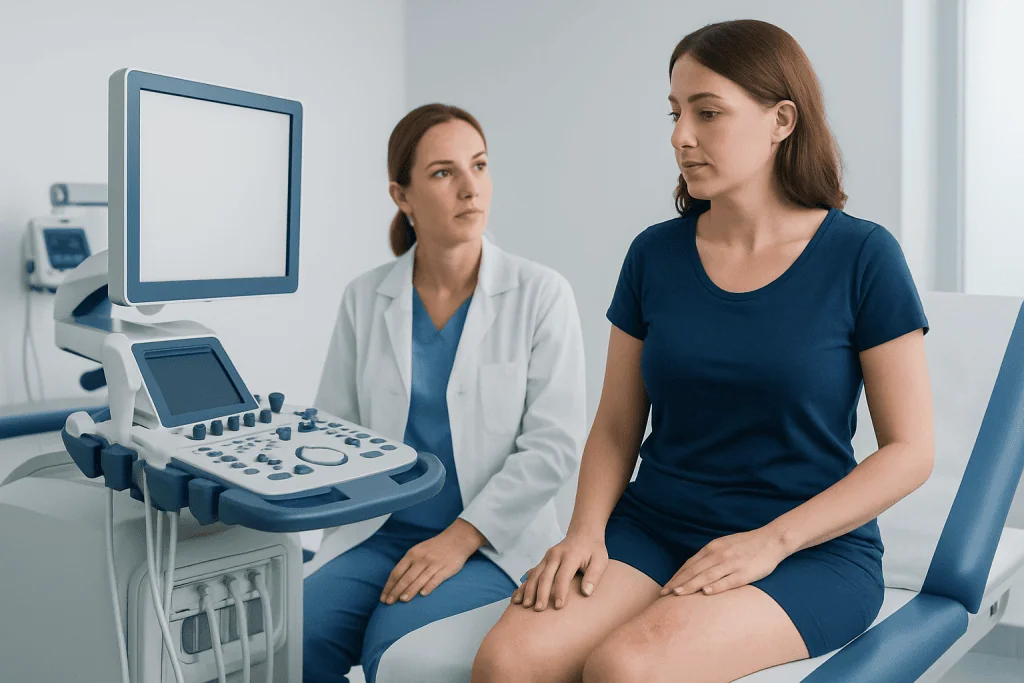
Additional tests are chosen according to the person’s symptoms and medical history. These may include throat or other cultures, chest imaging, ultrasound, or targeted autoimmune testing. In some situations, clinicians may also recommend MRI or ultrasound imaging to assess deeper tissue involvement or to help distinguish panniculitis from other soft tissue problems, although imaging does not replace biopsy when tissue confirmation is needed.
Treatment options and modern care approaches
Treatment for panniculitis depends on the cause, severity, and whether the condition is limited to the skin or linked to a broader illness. Supportive care is often important in all cases. This may include rest, reducing pressure on the affected area, elevating the legs if the lower limbs are involved, wearing compression garments when appropriate, and using general pain-relief or anti-inflammatory medication under medical guidance.
When an underlying trigger is found, treatment focuses on that problem. Infections may need antimicrobial therapy; medication-related panniculitis may improve after the suspected drug is reviewed; autoimmune or inflammatory causes may need treatments that calm the immune system. Depending on the type and overall health picture, doctors may consider medicines such as nonsteroidal anti-inflammatory drugs, corticosteroids, potassium iodide in selected cases, or other immune-modifying therapies. Some people with recurrent or systemic disease benefit from coordinated care involving dermatology, rheumatology, internal medicine, or gastroenterology.
Modern management emphasizes precision rather than a one-size-fits-all approach. Biopsy results, lab findings, and the person’s symptoms are considered together to tailor treatment and follow-up. If a deeper tissue process or another diagnosis is suspected, image-guided assessment or specialist procedures may be appropriate, and in selected complex cases clinicians may use skin biopsy or further evaluation with dermatology care. Near the end of the care pathway, some international patients may choose centers such as Acibadem International, where multidisciplinary specialists in JCI-accredited hospitals evaluate and treat complex inflammatory skin conditions.
Outlook, recovery, and possible complications
The outlook for panniculitis is often good when the cause is identified and managed appropriately. Some forms, especially those linked to short-term triggers such as a recent infection, may resolve over weeks to months. Others can recur, come in flares, or persist if the underlying condition remains active.
Recovery is not always immediate, even after treatment begins. Skin nodules may take time to soften and fade, and residual discoloration can linger after the inflammation has settled. In deeper or more severe cases, there may be scarring, dimpling, or areas of fat loss beneath the skin.
Complications depend on the type of panniculitis. These may include skin breakdown, ulceration, repeated pain, mobility discomfort when the legs are affected, or complications related to the underlying disease rather than the skin inflammation itself. Follow-up is especially important if symptoms are widespread, recurrent, associated with fever or weight loss, or not improving as expected.
Prevention and self-care
There is no single way to prevent all forms of panniculitis because the condition has many possible causes. Still, some steps can reduce the chance of irritation or recurrence. These include seeking care for infections, reviewing medications with a doctor if a rash appears after starting a new treatment, protecting the skin from trauma or prolonged pressure, and managing long-term inflammatory conditions carefully.
Self-care can support comfort while medical evaluation is underway. Resting the affected area, using supportive garments if advised, and avoiding activities that worsen pain may help. People should not try to squeeze, puncture, or aggressively massage the nodules, as this can increase irritation and make the skin more vulnerable.
Healthy general habits can also support recovery. Staying hydrated, maintaining balanced nutrition, and keeping follow-up appointments are sensible steps. Because panniculitis can resemble other skin and soft tissue conditions, self-diagnosis is not reliable; persistent or unexplained painful lumps should be assessed by a qualified doctor.
When to seek medical care
Medical advice is recommended if painful lumps under the skin appear without a clear explanation, especially if they are spreading, returning, or not improving. Evaluation is also important when panniculitis is accompanied by fever, significant fatigue, joint pain, weight loss, abdominal symptoms, or other signs of a broader illness.
Prompt care is needed if the skin becomes very hot, rapidly swollen, ulcerated, or drains fluid, or if there is severe pain, shortness of breath, or signs of infection. These symptoms do not always mean panniculitis is dangerous, but they may point to infection, vascular inflammation, or another condition needing timely treatment.
A dermatologist or other specialist may coordinate the work-up when the diagnosis is uncertain or symptoms are recurrent. Early assessment can help confirm whether panniculitis is present, identify the underlying trigger, and guide the most appropriate treatment plan.
Frequently asked questions
Is panniculitis serious?
Panniculitis can range from mild and self-limited to more persistent forms linked to another medical condition. The seriousness usually depends on the underlying cause rather than the skin lumps alone. That is why medical evaluation is important, especially if symptoms recur or are accompanied by fever, weight loss, or other systemic symptoms.
Can panniculitis go away on its own?
Some cases do improve with time, particularly when they are triggered by a short-term problem such as a recent infection. However, not all forms resolve without treatment, and some return in flares. A doctor can help determine whether observation is appropriate or whether tests and treatment are needed.
What does panniculitis feel like?
It often feels like deep, tender, firm lumps beneath the skin. The area may be sore, warm, swollen, or bruise-like, and walking can be uncomfortable if the legs are involved. Some people also feel generally unwell or have joint aches.
How is panniculitis different from cellulitis?
Panniculitis is inflammation of the fat under the skin, while cellulitis is usually a bacterial infection of the skin and deeper soft tissues. The two can look similar because both may cause redness, pain, and swelling. Doctors may use the medical history, examination, tests, and sometimes biopsy to tell them apart.
Is a biopsy always needed for panniculitis?
Not always, but biopsy is often very helpful and in many cases important for confirming the diagnosis. It can show the exact pattern of inflammation in the fat and help narrow the cause. This information can make treatment more accurate and reduce the chance of misdiagnosis.
Can panniculitis come back?
Yes, panniculitis can recur, especially if the underlying trigger is still present or if it is linked to a chronic inflammatory condition. Recurrent episodes should be reassessed because the cause may become clearer over time. Ongoing follow-up can help adjust treatment and monitor recovery.
References
- American Academy of Dermatology
- DermNet
- Merck Manual Professional Edition
- National Organization for Rare Disorders
- Mayo Clinic
This article is for general information only and is not a substitute for professional medical advice. Please consult a qualified doctor about your individual situation.
Joint and spine care in Turkey — expert assessment & treatment
JCI-accredited · board-certified surgeons · reply within 24h
Add us as a Preferred Source to see more of our trusted health content across Google Search, AI Overviews and Discover.

More from the Health Library



Related Specialists

Dr. Mazlum Batu
Emergency Service
Dr. Habibe Seyisoğlu
Gynecology & Obstetrics
Dr. Murat Yıldar
Kidney Transplant Center
Prof. Dr. Seyit Ali Gümüştaş
Orthopedic Surgery & Traumatology