Parasomnias: Sleepwalking, Night Terrors, and Neurological Sleep Evaluation

Parasomnias include sleepwalking, night terrors, confusional arousals, nightmares, and REM sleep behavior disorder. Children often outgrow many NREM parasomnias, but frequent, injurious, or adult-onset events need medical assessment.
Key Takeaways
- Parasomnias include sleepwalking, night terrors, confusional arousals, nightmares, and REM sleep behavior disorder.
- Children often outgrow many NREM parasomnias, but frequent, injurious, or adult-onset events need medical assessment.
- Sleep deprivation, stress, fever, alcohol, certain medications, and untreated sleep apnea can trigger or worsen episodes.
- Diagnosis usually begins with a detailed sleep history and may include video polysomnography and neurological testing when needed.
- Treatment focuses on safety, regular sleep habits, managing triggers, treating related sleep disorders, and selected medicines only when appropriate.
Parasomnias are sleep disorders in which unusual movements, behaviors, emotions, or dreams occur during sleep or while waking from sleep. Most are manageable, and a structured sleep and neurological evaluation can help identify triggers, improve safety, and guide treatment.
Overview
Parasomnias are a group of sleep disorders that involve unusual behaviors, movements, sensations, emotions, or perceptions during sleep, while falling asleep, or while waking up. They can look dramatic to family members, but many are not dangerous when the sleep environment is made safe and contributing factors are addressed.
Parasomnias are commonly divided by the sleep stage in which they occur. Non-rapid eye movement, or NREM, parasomnias usually arise from deep sleep and include sleepwalking, sleep terrors, and confusional arousals. Rapid eye movement, or REM, parasomnias include REM sleep behavior disorder and some nightmare-related conditions.
Because parasomnias can sometimes resemble epileptic seizures, fainting, panic attacks, or medication effects, careful evaluation is important when episodes are frequent, unusual, or associated with injury. A neurological sleep evaluation aims to understand what is happening, why it is happening, and how to protect healthy sleep.
Common Types of Parasomnias
Sleepwalking, also called somnambulism, usually occurs during deep NREM sleep, often in the first third of the night. A person may sit up, walk, open doors, move objects, or perform simple routines while not fully aware. The person is often difficult to wake and may have little or no memory of the event in the morning.
Night terrors, or sleep terrors, are also NREM parasomnias. They may involve sudden screaming, intense fear, rapid heartbeat, sweating, and sitting up in bed. Unlike nightmares, sleep terrors usually occur without a clear dream story, and the person often does not remember the episode after fully waking.
REM sleep behavior disorder occurs when the normal muscle relaxation of REM sleep is reduced or absent, allowing a person to act out dreams. This may include talking, shouting, punching, kicking, or falling out of bed. In adults, especially older adults, REM sleep behavior disorder deserves medical attention because it may be associated with neurological conditions and requires tailored management.
Other parasomnias include confusional arousals, sleep-related eating disorder, recurrent nightmares, sleep paralysis, and exploding head syndrome. Each condition has a different pattern, so the timing of events, level of awareness, recall, movements, and triggers help clinicians make the right diagnosis.
Symptoms and What Episodes May Look Like

Parasomnia symptoms vary widely. Some people only mumble or sit up briefly, while others may leave the bed, appear frightened, or move forcefully during sleep. Episodes can last seconds to several minutes, and the person may seem awake but be confused, unresponsive, or unable to explain what is happening.
Features that help distinguish NREM parasomnias include partial awakening, confusion, limited memory, and occurrence in the early part of the night. Sleepwalking and sleep terrors are more common in children and adolescents, although adults may also experience them. Nightmares, in contrast, are more often remembered and tend to occur in the later part of the night when REM sleep is more common.
- Walking, wandering, or performing routine actions while asleep
- Screaming, crying, sitting up suddenly, or appearing intensely frightened
- Talking, shouting, or acting out dream content
- Confusion or disorientation after being awakened
- Injury to the sleeper or bed partner, or damage to objects nearby
- Daytime sleepiness, fatigue, or anxiety about going to sleep
Not every unusual nighttime event is a parasomnia. Repeated stereotyped movements, tongue biting, loss of bladder control, unexplained injuries, or events that occur many times a night may suggest another condition, such as nocturnal seizures, and should be reviewed by a qualified doctor.
Causes and Risk Factors
Parasomnias often occur when the brain is caught between sleep and wakefulness. In NREM parasomnias, parts of the brain may remain in deep sleep while other parts partially awaken, producing confused behavior. This mixed state explains why the person may move or speak but not be fully aware.
Several factors can increase the likelihood of episodes. Sleep deprivation is one of the most common triggers because deeper recovery sleep may make partial arousals more likely. Fever, stress, irregular sleep schedules, alcohol, recreational substances, and some medicines may also contribute in susceptible people.
Other sleep disorders can trigger parasomnias by repeatedly disrupting sleep. Obstructive sleep apnea, restless legs syndrome, periodic limb movements, and chronic insomnia may cause repeated arousals during the night. Treating these underlying problems can reduce parasomnia episodes for many patients.
Family history is common in sleepwalking and sleep terrors, suggesting a genetic tendency. In adults, new or worsening parasomnias should be evaluated carefully, especially when there are violent movements, neurological symptoms, medication changes, or signs of REM sleep behavior disorder.
Diagnosis and Neurological Sleep Evaluation
The first step is a detailed clinical history. The doctor may ask when episodes occur, how often they happen, what the person does during them, whether there is dream recall, and whether injuries or daytime sleepiness are present. A bed partner or family member can provide important observations, and video recordings from home may be helpful when safe and respectful of privacy.
A sleep diary for one to two weeks may show patterns related to bedtime, wake time, naps, stress, caffeine, alcohol, and medications. The clinician will also review medical history, neurological symptoms, mental health concerns, and family history. In children, growth, development, fever, and sleep routines may be discussed.
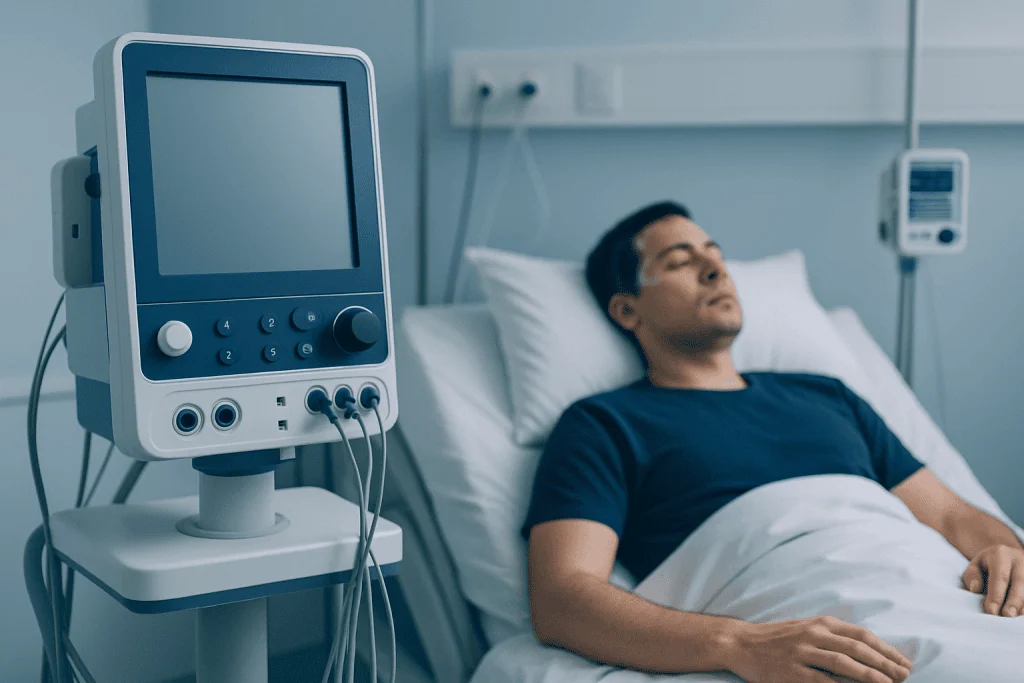
When events are frequent, injurious, unusual, or difficult to classify, an overnight sleep study may be recommended. Video polysomnography records breathing, oxygen levels, heart rhythm, muscle tone, limb movements, eye movements, and brain wave activity during sleep. This helps distinguish parasomnias from seizures, sleep apnea, movement disorders, and other conditions.
In selected cases, a neurological evaluation may include an electroencephalogram, or EEG, brain imaging, or additional laboratory tests. These are not needed for every patient, but they can be important when episodes are new in adulthood, highly stereotyped, associated with neurological signs, or not responding to standard measures.
Treatment Options
Treatment depends on the type of parasomnia, the person’s age, the risk of injury, and any underlying triggers. Many children with occasional sleepwalking or sleep terrors need reassurance, safety measures, and healthy sleep routines rather than medication. Families are usually advised to keep interactions calm and avoid forceful attempts to wake the child during an episode.
For NREM parasomnias, the core approach is to reduce triggers and protect sleep. This may include maintaining a consistent sleep schedule, preventing sleep deprivation, treating fever or illness, limiting alcohol, and reviewing medications with a doctor. If episodes happen at a predictable time, scheduled awakenings may help some children; this involves gently waking the child shortly before the usual episode time under medical guidance.
If another sleep disorder is present, treating it can be the most effective step. For example, managing obstructive sleep apnea or restless legs syndrome may reduce nighttime arousals. Stress management, cognitive behavioral strategies for insomnia, and relaxation routines can also support more stable sleep.
Medication is considered only when episodes are frequent, dangerous, or significantly disruptive and when non-drug measures are not enough. Options vary by diagnosis and may include medicines that reduce arousals or improve REM sleep control, but they must be individualized by a physician because benefits and side effects differ from person to person.
Prevention, Safety, and When to See a Doctor
Safety is a central part of parasomnia care. The bedroom should be arranged to reduce injury risk: remove sharp or breakable objects, secure windows and balcony doors, consider door alarms if wandering is a concern, and avoid top bunk beds for children who sleepwalk. A bed partner may need temporary protection or separate sleeping arrangements if movements are forceful.
Good sleep habits can reduce many episodes. Regular bed and wake times, adequate sleep duration, a calming pre-sleep routine, limited evening alcohol, and careful use of sedating medicines can all help. People should avoid driving or operating machinery if parasomnias cause significant sleep loss or daytime sleepiness until they have been medically assessed.
Medical evaluation is recommended when episodes cause injury, involve leaving the home, begin for the first time in adulthood, occur many times per week, include violent dream enactment, or are accompanied by daytime sleepiness, snoring, pauses in breathing, or neurological symptoms. Evaluation is also important if events are highly repetitive, brief, or seizure-like.
Acibadem International’s multidisciplinary specialists and JCI-accredited hospitals can diagnose and treat parasomnias and related neurological sleep disorders for international patients. A sleep medicine specialist, neurologist, psychiatrist, pediatrician, or ear, nose and throat specialist may be involved depending on the suspected cause.
Frequently asked questions
Are parasomnias dangerous?
Many parasomnias are not dangerous, especially occasional childhood sleepwalking or sleep terrors. The main concern is injury during an episode, so safety measures are important. A doctor should assess events that are frequent, violent, new in adulthood, or associated with daytime sleepiness.
Should someone be woken during sleepwalking or a night terror?
It is usually best to stay calm and gently guide the person back to bed rather than shake or startle them. They may be confused and not fully awake, so firm waking attempts can increase agitation. If there is immediate danger, the priority is to protect the person and call for help if needed.
Do children outgrow sleepwalking and night terrors?
Many children improve as their nervous system matures, and episodes often become less frequent with age. Regular sleep, management of fever or stress, and a safe environment can help. Persistent, injurious, or very frequent episodes should be discussed with a pediatrician or sleep specialist.
How are parasomnias different from nightmares?
Nightmares usually occur during REM sleep and are often remembered as frightening dreams after waking. Sleep terrors usually arise from deep NREM sleep, and the person may appear terrified but later remember little or nothing. The timing of the episode and the level of recall help doctors tell them apart.
When is a sleep study needed for parasomnias?
A sleep study may be recommended if episodes are injurious, unusual, adult-onset, or difficult to distinguish from seizures or other sleep disorders. Video polysomnography can record sleep stages, breathing, movements, muscle tone, and brain activity. Not every patient needs this test, but it is useful when the diagnosis is uncertain.
Can stress or lack of sleep trigger parasomnias?
Yes. Sleep deprivation, stress, irregular sleep schedules, fever, alcohol, and certain medications can increase the chance of episodes in people who are susceptible. Improving sleep routines and addressing triggers often reduces the frequency of events.
References
- American Academy of Sleep Medicine
- National Institute of Neurological Disorders and Stroke
- Mayo Clinic
- Sleep Foundation
- International Classification of Sleep Disorders
This article is for general information only and is not a substitute for professional medical advice. Please consult a qualified doctor about your individual situation.
Explore treatments in Turkey — costs, top hospitals & a free quote
JCI-accredited · board-certified surgeons · reply within 24h
Add us as a Preferred Source to see more of our trusted health content across Google Search, AI Overviews and Discover.