Paresthesia: A Complete Medical Overview

Paresthesia describes abnormal sensations such as tingling, prickling, numbness, or burning. Brief paresthesia is commonly caused by pressure on a nerve, such as sitting or sleeping in one position.
Key Takeaways
- Paresthesia describes abnormal sensations such as tingling, prickling, numbness, or burning.
- Brief paresthesia is commonly caused by pressure on a nerve, such as sitting or sleeping in one position.
- Ongoing or repeated symptoms can be linked to nerve disorders, vitamin deficiencies, diabetes, circulation problems, or spine conditions.
- Diagnosis focuses on symptom pattern, neurological examination, blood tests, and sometimes nerve or imaging studies.
- Treatment depends on the cause and may include correcting deficiencies, managing chronic disease, medication changes, or specialist care.
- Urgent medical attention is important if paresthesia starts suddenly or occurs with weakness, facial droop, speech trouble, or loss of bladder or bowel control.
Paresthesia is the sensation of tingling, numbness, burning, or “pins and needles,” usually caused by temporary pressure on a nerve or by an underlying nerve-related condition. It is often short-lived and harmless, but persistent, recurring, or one-sided symptoms may need medical evaluation to identify the cause and guide treatment.
Overview: what paresthesia means
Paresthesia is the medical term for unusual skin sensations such as tingling, prickling, numbness, crawling, buzzing, or burning. Many people describe it as “pins and needles.” These sensations most often affect the hands, arms, feet, or legs, but they can occur anywhere on the body.
In many cases, paresthesia happens when a nerve is temporarily compressed. For example, an arm may “fall asleep” after being bent under the body during sleep. Once the pressure is relieved and normal nerve function returns, the sensation usually fades within minutes.
Paresthesia can also become chronic or recurrent. When symptoms last longer, happen often, or appear without an obvious reason, they may reflect a problem involving the nerves, spinal cord, brain, blood flow, metabolism, or vitamin levels. The symptom itself is not a diagnosis, so medical assessment is aimed at finding and treating the underlying cause.
How paresthesia feels and where it occurs
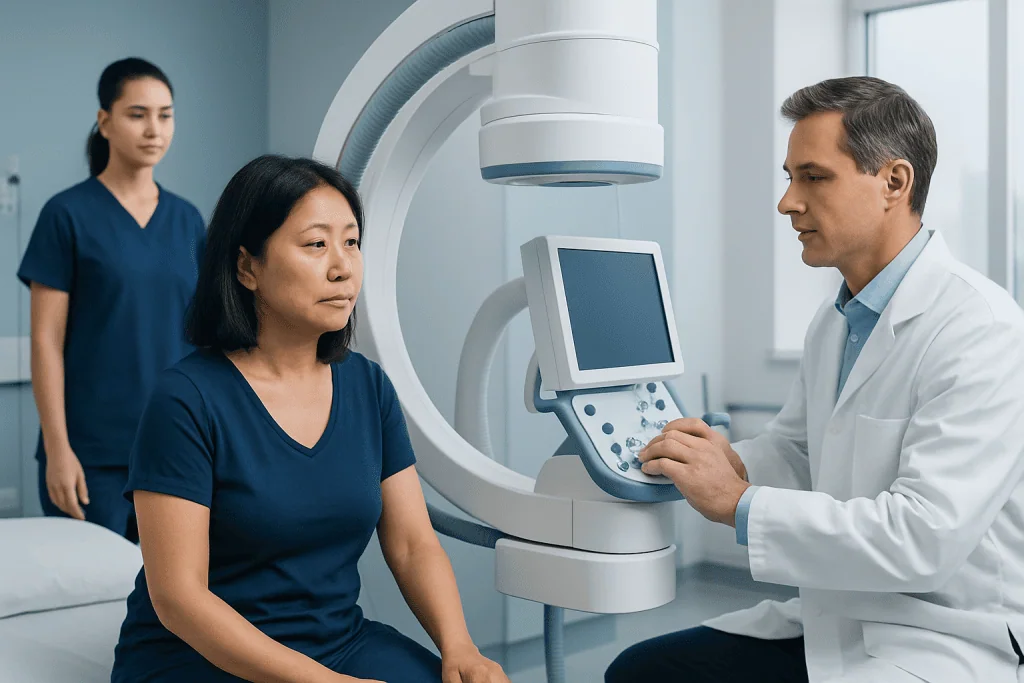
The feeling of paresthesia varies from person to person. Some notice light tingling, while others feel numbness, a stinging sensation, burning, or a sense that the skin is crawling. Symptoms may be mild and brief, or they may interfere with walking, sleeping, typing, or other daily activities.
Paresthesia may affect one small area, such as a fingertip, or a broader region, such as both feet. The pattern can offer clues. Symptoms in both feet may suggest a peripheral nerve problem, while tingling in one arm or one side of the face may need more urgent evaluation. Some people also notice weakness, clumsiness, pain, balance problems, or reduced sensitivity to temperature and touch.
Common descriptions include:
- Pins and needles after sitting cross-legged
- Numb fingertips at night
- Burning or tingling in the feet
- Electric shock-like sensations down an arm or leg
- Facial tingling with or without headache
Because paresthesia can result from conditions affecting nerves at different levels, the exact location and timing of symptoms are important details to share with a doctor.
Common causes and risk factors

The most common cause of short-term paresthesia is pressure on a nerve. This may happen after leaning on an elbow, crossing the legs, wearing tight footwear, or sleeping in an awkward position. Repetitive movements can also irritate nerves, especially in the wrist, elbow, shoulder, or neck.
Longer-lasting paresthesia can be linked to nerve injury or disease. Causes include diabetes, vitamin B12 deficiency, thyroid disease, alcohol-related nerve damage, infections, autoimmune conditions, and side effects from certain medicines. Disorders that compress nerves, such as carpal tunnel syndrome or spinal disc problems, are also common reasons for numbness and tingling.
Circulation problems may sometimes contribute, although paresthesia itself more often reflects nerve involvement than blood vessel disease. Conditions affecting the brain or spinal cord, such as multiple sclerosis or stroke, may also cause abnormal sensation, particularly when symptoms begin suddenly or affect one side of the body.
Risk factors include older age, diabetes, poor nutrition, heavy alcohol use, repetitive hand work, long-standing back or neck problems, and exposure to toxins. People with chronic kidney disease, autoimmune disease, or a history of nerve compression may also be more likely to develop ongoing symptoms.
How doctors evaluate paresthesia
Evaluation begins with a careful history. Doctors usually ask when the tingling started, whether it is constant or comes and goes, which body areas are involved, and whether there are associated symptoms such as weakness, pain, dizziness, or changes in vision. Recent injuries, medical conditions, medications, alcohol use, and family history can also help identify the cause.
A physical and neurological examination often follows. This may include testing reflexes, muscle strength, coordination, sensation, balance, and circulation. The goal is to determine whether the symptom likely comes from a peripheral nerve, a nerve root in the spine, the spinal cord, or the brain.
Further tests depend on the clinical picture. Blood tests may check glucose levels, vitamin deficiencies, thyroid function, inflammation, kidney function, or infection. In some cases, doctors may recommend nerve conduction studies and electromyography to assess nerve and muscle function. If symptoms suggest a spine or brain-related cause, imaging such as MRI scanning may be used. When vascular causes are being considered, a doctor may also request CT scanning or other imaging as appropriate.
Treatment options and symptom relief
Treatment for paresthesia depends on what is causing it. Temporary symptoms caused by posture or pressure usually improve on their own after changing position, stretching gently, and avoiding prolonged compression. If a medication is suspected, a doctor may review whether an alternative is appropriate. It is important not to stop prescribed medicine without medical guidance.
When an underlying condition is identified, treatment focuses on that problem. Better blood sugar control may reduce symptoms linked to diabetes. Vitamin replacement can help when deficiency is present. Conditions involving nerve compression may improve with splints, ergonomic changes, physical therapy, or treatment of inflammation. Persistent symptoms related to nerve or spine disorders may need specialist assessment, including neurology evaluation and, in selected cases, rehabilitation support.
Some people benefit from pain-relieving or nerve-calming medicines if paresthesia is accompanied by neuropathic pain, burning, or sleep disruption. If the cause is a structural problem such as severe spinal compression, targeted procedures or surgery may occasionally be considered. The best approach depends on the exact diagnosis, symptom severity, and the person’s overall health.
Self-care can still play a useful role during treatment. Protecting numb areas from heat or injury, wearing supportive footwear, reducing repetitive strain, and maintaining healthy sleep and activity habits may all help reduce discomfort and prevent complications.
Prevention and everyday self-care
Not all paresthesia can be prevented, but daily habits can reduce risk. Good posture, regular movement breaks, and ergonomic support for computer or manual work may help limit nerve compression. Avoiding prolonged pressure on elbows, wrists, knees, or ankles is especially helpful for people who often notice numbness after certain positions.
Managing long-term health conditions is another important step. Keeping diabetes, thyroid disease, and kidney disease under medical control can help protect nerve health over time. A balanced diet with enough vitamin B12 and other essential nutrients supports normal nerve function, especially in older adults and people with restrictive diets.
Other practical measures include limiting alcohol, staying physically active, maintaining a healthy weight, and using well-fitting shoes. People with reduced sensation in the feet should inspect their skin regularly for cuts, blisters, or burns, because numbness can make injuries easier to miss. These measures are supportive, but persistent or unexplained paresthesia should still be checked by a qualified doctor.
When to seek medical care
Medical care is advisable if paresthesia lasts more than a short time, keeps coming back, spreads, or affects daily activities. It is also worth discussing with a doctor if the symptom appears together with weakness, pain, balance problems, muscle wasting, or trouble using the hands or feet. These patterns may suggest an underlying nerve or spine condition that needs proper diagnosis.
Urgent medical attention is needed if paresthesia begins suddenly, especially on one side of the body, or occurs with facial drooping, confusion, vision changes, severe headache, trouble speaking, or sudden weakness. These can be warning signs of a neurological emergency such as stroke. Emergency care is also important if numbness follows a major injury or occurs with loss of bladder or bowel control.
For ongoing symptoms, coordinated care can be helpful. At Acibadem International, multidisciplinary specialists in JCI-accredited hospitals evaluate and treat paresthesia for international patients, particularly when symptoms may relate to nerve, spine, or brain conditions.
Frequently asked questions
Is paresthesia always a sign of nerve damage?
No. Paresthesia is often temporary and may happen when a nerve is briefly compressed, such as after sitting in one position for too long. However, if it is persistent, frequent, or unexplained, it may reflect nerve irritation or an underlying medical condition that should be assessed.
What is the difference between temporary and chronic paresthesia?
Temporary paresthesia usually appears suddenly after pressure on a nerve and goes away soon after position changes. Chronic paresthesia lasts longer, comes back repeatedly, or occurs without a clear trigger, which can point to conditions such as neuropathy, vitamin deficiency, or nerve compression.
Can anxiety cause tingling sensations?
Yes. Anxiety and hyperventilation can sometimes cause tingling, especially around the face, hands, or feet. Even so, recurring or persistent symptoms should not automatically be blamed on stress without a medical review, because physical causes can look similar.
Can paresthesia happen in the face?
Yes, paresthesia can affect the face as well as the hands, arms, legs, or feet. Facial tingling may have harmless causes, but sudden facial numbness or tingling with weakness, speech difficulty, or asymmetry requires urgent medical attention.
Which doctor treats paresthesia?
A primary care doctor often starts the evaluation and may order initial tests. Depending on the pattern and suspected cause, care may involve a neurologist, endocrinologist, spine specialist, rehabilitation physician, or another specialist.
Can vitamin deficiency cause paresthesia?
Yes. Low vitamin B12 is a well-known cause of numbness and tingling, especially in the hands and feet. Other nutritional deficiencies may also affect nerve function, which is why blood tests are sometimes part of the evaluation.
When is paresthesia an emergency?
Paresthesia is an emergency if it starts suddenly or occurs with weakness, facial droop, trouble speaking, loss of balance, severe headache, or vision changes. It also needs urgent care after major trauma or if there is numbness with loss of bladder or bowel control.
References
- National Institute of Neurological Disorders and Stroke
- National Institute of Diabetes and Digestive and Kidney Diseases
- Mayo Clinic
- Merck Manual Consumer Version
- American Academy of Neurology
This article is for general information only and is not a substitute for professional medical advice. Please consult a qualified doctor about your individual situation.
Explore treatments in Turkey — costs, top hospitals & a free quote
JCI-accredited · board-certified surgeons · reply within 24h
Add us as a Preferred Source to see more of our trusted health content across Google Search, AI Overviews and Discover.