Parosmia — Explained by Medical Evidence, Not Myths

Parosmia changes how odors are perceived, even when the source smell is normal. It commonly appears after viral infections, including illnesses that affect the upper airway.
Key Takeaways
- Parosmia changes how odors are perceived, even when the source smell is normal.
- It commonly appears after viral infections, including illnesses that affect the upper airway.
- Nasal inflammation, sinus disease, head trauma, and some neurological conditions can also contribute.
- Evaluation may involve an ENT examination, smell testing, and sometimes imaging or other tests.
- Treatment focuses on the cause, symptom support, and smell training over time.
Parosmia is a smell disorder in which familiar odors are perceived differently, often as unpleasant, burnt, or foul. It is a real medical symptom rather than a myth, and it can develop after viral infections, nasal disease, head injury, or other conditions affecting the smell pathway.
What parosmia is and why it happens
Parosmia is a distortion of smell. Instead of recognizing an odor in its usual way, a person may notice that coffee smells burnt, onions smell rotten, or personal care products smell strangely chemical. The odor is real, but the brain interprets it differently from before.
This symptom usually reflects a problem somewhere along the smell pathway. That pathway begins in the nose, where odor molecules stimulate specialized nerve cells, and continues through the olfactory nerve to brain regions that identify and process smell. If those signals are disrupted during infection, inflammation, injury, or recovery, smells may return in a distorted way rather than normally.
Parosmia is different from anosmia, which means loss of smell, and from phantosmia, which means smelling something that is not actually present. Some people move from reduced smell to parosmia as the olfactory system begins to recover. This can be frustrating, but it may also suggest that smell pathways are active rather than permanently absent.
Common symptoms and daily effects
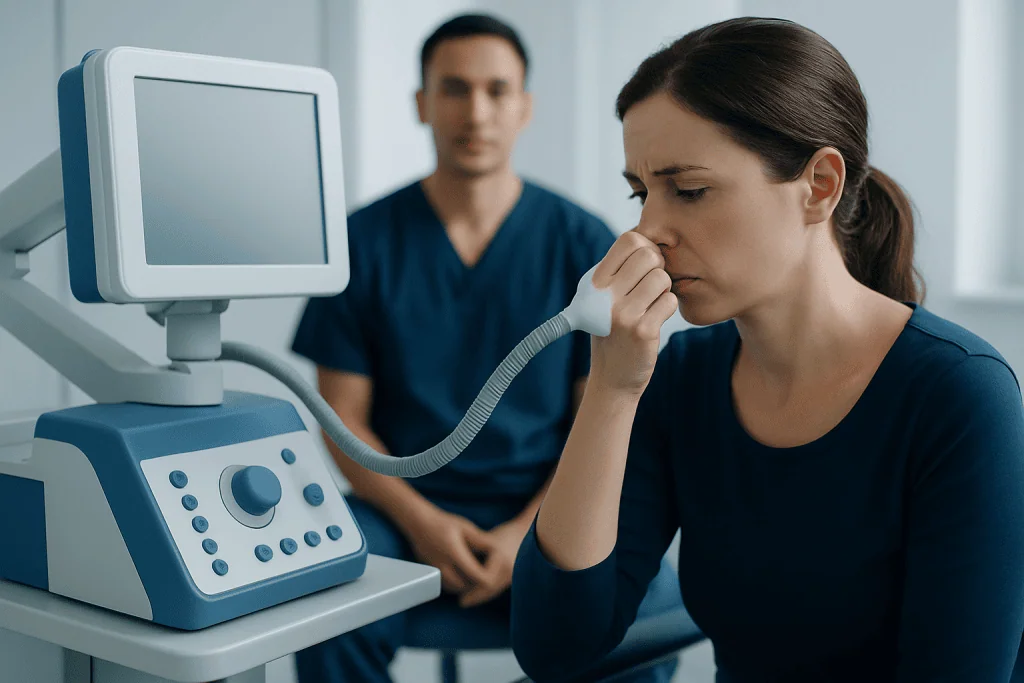
The main symptom of parosmia is that familiar smells seem altered. Many people describe odors as smoky, metallic, rancid, sour, or sewage-like. Foods and drinks are common triggers, especially coffee, eggs, meat, onions, garlic, chocolate, and toothpaste, but the pattern is different for each person.
Because smell strongly influences taste, eating may become difficult. Foods that were once enjoyable may become intolerable, leading to poor appetite, nausea, weight changes, or reduced interest in social meals. Even household smells such as soap, perfume, cleaning products, or body odor may become unpleasant and distressing.
Parosmia can also affect emotional well-being. Smell is linked to memory, comfort, and safety, so distortion may cause anxiety, frustration, or low mood. Some people worry that symptoms are imagined, but parosmia is a recognized medical condition. If smell changes are ongoing, an ear, nose, and throat specialist can help assess whether there is an underlying sinus condition or another cause.
Causes and risk factors
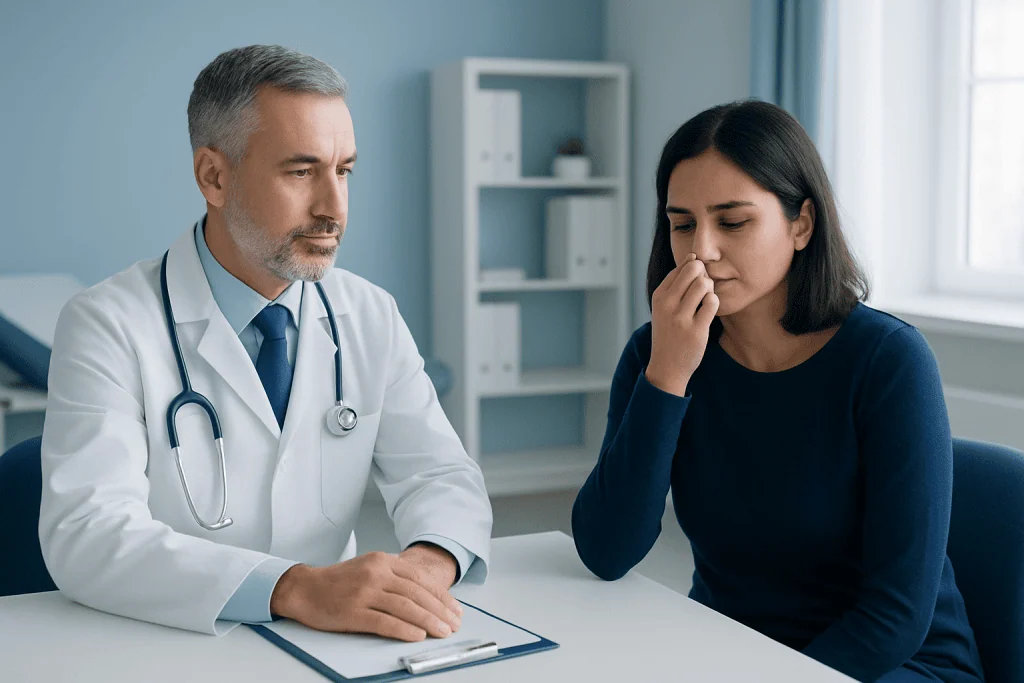
Parosmia most often develops after a viral upper respiratory infection. This includes common viral illnesses and infections that affect the nose and throat. In many cases, smell loss occurs first, followed later by distorted smell during recovery. The likely explanation is that the olfactory nerve cells are healing or reconnecting in an imperfect way.
Inflammation inside the nose is another important cause. Chronic rhinosinusitis, nasal polyps, allergies, and ongoing swelling of the nasal lining can interfere with how odor molecules reach smell receptors. Structural problems and infections in the nasal passages may also contribute. In these situations, treating the local nasal problem may improve smell function.
Less commonly, parosmia can occur after head injury, exposure to certain chemicals, or neurological disease that affects the smell pathways. Some medications may alter smell perception, although they are a less common explanation. Aging can also reduce smell accuracy, but sudden or marked distortion should not simply be dismissed as normal aging.
Risk factors depend on the cause but may include a recent viral illness, chronic sinus disease, a history of head trauma, smoking, or repeated exposure to irritant fumes. When smell distortion persists or is accompanied by nasal blockage, facial pressure, headaches, or neurological symptoms, a medical review is important.
How parosmia is diagnosed
Diagnosis begins with a careful history. A clinician will ask when the smell change started, whether there was a recent infection or injury, which odors trigger symptoms, and whether there are related problems such as nasal congestion, taste changes, headache, or memory symptoms. This history helps distinguish parosmia from other smell disorders and points toward likely causes.
An examination of the nose, throat, and ears is usually part of the assessment. In ENT practice, a doctor may use nasal endoscopy to look for inflammation, infection, structural narrowing, or polyps. If chronic nasal disease is suspected, further evaluation may be recommended, especially when symptoms suggest nasal polyps or persistent sinus inflammation.
Smell testing may also be used. Standardized smell identification or threshold tests help measure how much smell is reduced and whether the pattern fits a true olfactory disorder. These tests can be helpful over time to monitor recovery.
Some people need additional investigations. Imaging such as MRI or CT may be considered when there is a history of trauma, one-sided symptoms, neurological concerns, or suspicion of deeper sinus disease. Blood tests are not routinely needed for everyone, but they may be ordered if the history suggests a broader medical condition.
Treatment options and recovery
Treatment depends on the cause. When parosmia follows a viral illness, there is often no single quick fix, and recovery may take time. Supportive care and follow-up are important because many people improve gradually over months. If there is an underlying nasal or sinus problem, treatment is aimed at reducing inflammation and restoring airflow to the smell area.
Doctors may recommend therapies such as saline rinses, medications for nasal inflammation, or treatment of allergy or infection when appropriate. If structural nasal disease is significant, management may involve ENT procedures or surgery in selected cases. For people with persistent obstruction or chronic sinus disease, treatment for sinusitis or care for nasal polyps may be relevant as part of the broader plan.
Smell training is one of the best-supported noninvasive strategies. This usually involves regularly smelling a small set of distinct scents over time in a structured way, often twice daily for several months. The goal is to help retrain smell pathways and improve recognition. It is simple, low risk, and commonly recommended by specialists.
Self-care during recovery also matters. Many people find it useful to identify trigger foods, choose cooler or blander meals, improve kitchen ventilation, and maintain good nutrition with tolerated foods. In complex cases, an ENT doctor, neurologist, or other specialist may be involved. Near the end of the care pathway, patients seeking international evaluation may also consider Acibadem International, where multidisciplinary specialists in JCI-accredited hospitals assess and treat smell-related conditions.
Prevention and practical self-care
Not every case of parosmia can be prevented, but some steps may reduce risk or support recovery. Prompt treatment of ongoing nasal inflammation, allergies, and chronic sinus symptoms can help protect smell function. Avoiding smoking and limiting exposure to strong chemical irritants may also be beneficial.
At home, practical adjustments can make daily life easier. People often tolerate foods better when they are served cold or at room temperature, because less aroma is released. Choosing simple meals, using unscented personal care products, and opening windows or using exhaust fans can reduce unpleasant triggers.
Nutrition deserves special attention if many foods become aversive. Eating smaller meals, focusing on tolerated protein sources, and speaking with a clinician or dietitian can help prevent unintended weight loss. It is also wise to maintain home safety, because smell distortion can make it harder to recognize smoke, gas, or spoiled food.
When to seek medical care
Medical advice is recommended if parosmia lasts more than a few weeks, follows a head injury, or begins without a clear explanation. Assessment is also important when smell distortion is accompanied by persistent nasal blockage, facial pain, nosebleeds, severe headache, dizziness, weakness, memory changes, or other neurological symptoms.
Urgent care may be needed if there are signs of a serious head injury, sudden neurological symptoms, or concerns about exposure to smoke, gas, or toxic fumes that cannot be recognized reliably. A doctor can decide whether ENT evaluation, imaging, or other tests are needed.
Specialist review may also help when parosmia significantly affects eating, weight, sleep, or mental well-being. In some situations, an ENT team may evaluate whether further procedures such as endoscopic sinus surgery have a role, although this depends on the underlying diagnosis rather than the smell symptom alone.
Frequently asked questions
Is parosmia the same as losing the sense of smell?
No. Parosmia means odors are distorted, while loss of smell is called anosmia. Some people have both at different times, especially during recovery after a viral illness.
Can parosmia happen after a cold or COVID-like illness?
Yes. Viral infections are one of the most common causes of parosmia. Smell may first decrease or disappear, then return in a distorted form as the olfactory system recovers.
How long does parosmia last?
The duration varies widely. Some people improve within weeks, while others recover more gradually over months. The timeline often depends on the cause and whether there is ongoing nasal inflammation or another underlying condition.
Does parosmia mean there is a brain problem?
Not usually. Many cases are related to the nose and olfactory nerve after infection or inflammation. However, if there are neurological symptoms such as weakness, confusion, severe headache, or changes after head trauma, medical assessment is important.
What is smell training, and does it help?
Smell training is a structured exercise that involves repeatedly smelling a set of distinct scents over time. It is commonly recommended because it is safe and may help the brain and smell pathways relearn odor recognition, especially after post-viral smell disorders.
Should a person see a doctor for parosmia?
Yes, especially if symptoms persist, interfere with eating, or begin after a head injury. Medical review is also appropriate when there is nasal blockage, facial pain, nosebleeds, or other symptoms that suggest sinus or neurological disease.
References
- American Academy of Otolaryngology–Head and Neck Surgery
- National Institute on Deafness and Other Communication Disorders
- Mayo Clinic
- National Health Service
- Cleveland Clinic
This article is for general information only and is not a substitute for professional medical advice. Please consult a qualified doctor about your individual situation.
Explore treatments in Turkey — costs, top hospitals & a free quote
JCI-accredited · board-certified surgeons · reply within 24h
Add us as a Preferred Source to see more of our trusted health content across Google Search, AI Overviews and Discover.

More from the Health Library

Baby Walker: What Patients Need to Know

Gestation — Explained by Medical Evidence, Not Myths

Triglycerides High: What Patients Need to Know
Nipple: An Evidence-Based Guide for Patients

Cedar Oil: A Complete Medical Overview