Parsonage Turner Syndrome: Early Signs, Risk Factors, and How It Is Treated
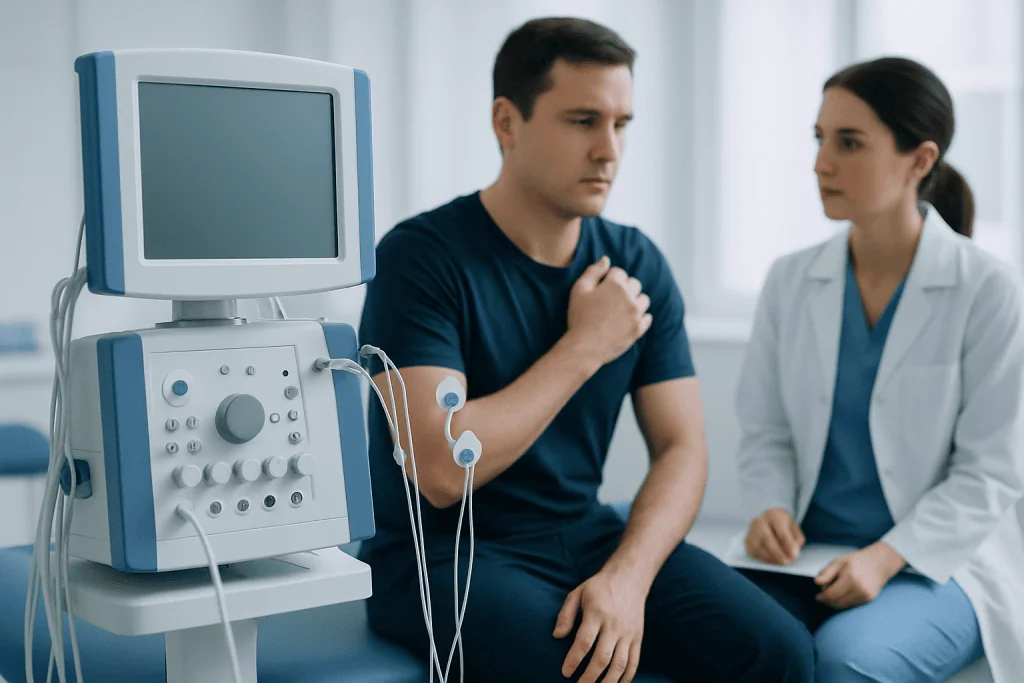
Parsonage Turner syndrome typically starts with sudden intense shoulder or arm pain, followed days to weeks later by weakness. It affects the brachial plexus, a network of nerves that controls the shoulder, arm, and hand.
Key Takeaways
- Parsonage Turner syndrome typically starts with sudden intense shoulder or arm pain, followed days to weeks later by weakness.
- It affects the brachial plexus, a network of nerves that controls the shoulder, arm, and hand.
- Diagnosis is based on symptoms, examination, and tests such as EMG, nerve studies, and imaging to exclude other problems.
- Treatment usually includes pain control, physical therapy, and time, since nerve recovery can be gradual.
- Early medical assessment is important if there is marked weakness, severe pain, or uncertainty about the cause.
Parsonage Turner syndrome is an uncommon nerve condition that usually begins with sudden, severe shoulder or upper arm pain and is often followed by weakness, muscle wasting, or changes in sensation. Treatment is aimed at easing pain, protecting function, and supporting recovery with rehabilitation, while doctors also rule out other causes of shoulder and arm symptoms.
Overview
Parsonage Turner syndrome is a neurological condition that affects the brachial plexus, the group of nerves that carries signals from the neck to the shoulder, arm, and hand. It is also called neuralgic amyotrophy or brachial neuritis. The condition often begins suddenly, usually with intense pain in one shoulder or upper arm, and then weakness appears after the pain starts to settle.
What makes parsonage turner syndrome different from many common shoulder problems is the pattern: severe pain comes first, then difficulty lifting the arm, moving the shoulder, or using certain muscles follows. Some people also notice numbness, tingling, or visible muscle shrinking over time. Symptoms can affect one side more often than both, although the exact pattern varies.
The course of the condition can be unsettling, but many people improve gradually with supportive care and rehabilitation. Recovery may take months and, in some cases, longer because nerves heal slowly. A careful diagnosis matters, since symptoms can overlap with other conditions such as a herniated disc in the neck, rotator cuff injury, or other nerve disorders.
Early Signs and Symptoms
The earliest sign of parsonage turner syndrome is usually sudden, sharp, or burning pain in the shoulder, upper arm, or around the shoulder blade. The pain can begin during rest or at night and may feel out of proportion to any recent activity. For some people, it is severe enough to disturb sleep and make simple arm movements difficult.
After several days or weeks, weakness often becomes more noticeable than pain. A person may find it hard to lift the arm overhead, bend the elbow, grip objects firmly, or perform tasks such as dressing, combing hair, or carrying a bag. Certain muscles may become visibly smaller if the nerve supply has been affected for a while.
Not everyone has the same symptom pattern. Some people develop changes in sensation, such as numbness or tingling, while others mainly notice weakness and poor coordination. Common features include:
- sudden shoulder or upper arm pain
- pain followed by weakness
- reduced range of motion due to pain or muscle dysfunction
- muscle wasting in the shoulder or arm
- sometimes altered sensation or winging of the shoulder blade
Because these symptoms can look similar to shoulder joint disease or a compressed nerve in the neck, a medical evaluation helps identify the source and guide treatment.
Causes and Risk Factors

The exact cause of parsonage turner syndrome is not always clear. Specialists believe it often involves inflammation affecting the brachial plexus nerves. In some people, symptoms appear after a trigger such as a recent viral illness, vaccination, surgery, strenuous exercise, physical stress, or, less commonly, injury. However, a trigger is not found in every case.
There may also be an immune-related component, meaning the body’s defense system may react in a way that temporarily damages or irritates the nerves. A hereditary form exists as well, though it is much less common than the typical sporadic form. When there is a strong family history of repeated episodes, doctors may consider this possibility.
Risk factors are not the same as direct causes, but factors associated with episodes can include:
- recent infection or immune stimulation
- recent surgery or major physical stress
- intense upper-body exertion
- male sex, in some reported series
- personal or family history of previous similar nerve attacks
Even when a likely trigger is identified, it does not mean the person did anything wrong. This condition is uncommon and unpredictable, which is why diagnosis often depends more on the symptom pattern and examination than on any single known cause.
How Doctors Diagnose It
Diagnosis starts with a detailed history and neurological examination. Doctors ask when the pain began, whether weakness appeared later, which movements are affected, and whether there has been recent illness, vaccination, surgery, or heavy exertion. The examination may show weakness in specific shoulder or arm muscles, changes in reflexes, altered sensation, or abnormal shoulder blade movement.
There is no single test that confirms parsonage turner syndrome in every person, so the goal is to support the diagnosis and exclude other causes. Tests may include electromyography and nerve conduction studies, which help show how well the affected nerves and muscles are working. These studies can also help distinguish brachial plexus injury from conditions affecting the spinal cord, nerve roots, or peripheral nerves.
Imaging is often used to rule out structural problems. A doctor may recommend MRI scanning of the neck, shoulder, or brachial plexus to look for disc disease, inflammation, or other abnormalities. In selected cases, EMG testing and ultrasound of muscles or nerves may also help clarify the pattern of involvement. Blood tests are sometimes ordered if another inflammatory, infectious, or systemic condition is suspected.
Because shoulder pain has many possible causes, diagnosis can take time. A structured assessment helps avoid unnecessary treatment for the wrong problem and makes it easier to plan pain management and rehabilitation early.
Treatment Options and Recovery
Treatment for parsonage turner syndrome focuses on controlling pain, preserving movement, and supporting nerve recovery. In the early phase, pain relief is often the most urgent need. Doctors may recommend medications appropriate to the type and severity of pain, along with gentle positioning strategies and activity modification. In some cases, clinicians may consider anti-inflammatory treatment, depending on the person’s medical history and timing of symptoms.
As pain improves, rehabilitation becomes central. Physical therapy and rehabilitation can help maintain joint mobility, reduce stiffness, strengthen recovering muscles, and improve day-to-day function. Therapy is usually tailored carefully, since overloading weak muscles too early may worsen discomfort. Home exercises may also be advised, but they should be guided by a qualified professional.
Recovery is often gradual because injured nerves regenerate slowly. Some people improve substantially over months, while others continue to have weakness, fatigue, pain, or reduced endurance for longer. Follow-up visits help doctors track progress and decide whether additional testing or specialist referral is needed.
If symptoms are severe, prolonged, or difficult to explain, evaluation by a neurology team can be helpful. At the end of the care pathway, some international patients may also seek multidisciplinary assessment at centers such as Acibadem International, where JCI-accredited hospitals and specialists evaluate complex nerve and muscle conditions.
Prevention and Self-care
There is no guaranteed way to prevent parsonage turner syndrome, especially when no clear trigger is identified. Still, practical self-care can reduce strain and support recovery once symptoms begin. During the painful stage, many people benefit from avoiding heavy lifting, repetitive overhead activity, or sudden movements that aggravate symptoms.
Protecting shoulder mobility is important, but self-directed exercise should be cautious. Gentle range-of-motion work may help prevent stiffness, while more demanding strengthening usually belongs later in recovery and should be supervised. If pain or weakness changes suddenly, it is wise to stop and seek professional advice.
General health measures may also support healing:
- get adequate sleep and rest
- follow the rehabilitation plan consistently
- use good posture and ergonomic positioning during work or study
- attend follow-up appointments to monitor recovery
- ask about evaluation if symptoms suggest another nerve problem such as peripheral neuropathy
Self-care should not replace diagnosis. Because persistent shoulder pain and weakness can come from several causes, including nerve compression and musculoskeletal injury, a clear medical plan remains important.
When to Seek Medical Care
Medical care should be sought promptly for sudden severe shoulder or arm pain that is followed by weakness, especially if daily activities become difficult. Early assessment is helpful when a person cannot lift the arm normally, notices muscle wasting, or develops numbness that does not improve. These symptoms do not always mean parsonage turner syndrome, so a clinician needs to check for other causes.
Urgent evaluation is especially important if symptoms involve both arms, spread rapidly, follow significant trauma, or occur with neck pain, fever, chest pain, shortness of breath, or signs of stroke. Those features may point to another condition requiring immediate attention. A specialist may also be needed if pain remains severe, weakness progresses, or recovery is slower than expected.
Many people start with a primary care doctor, neurologist, or orthopedics specialist, depending on their symptoms. If diagnosis remains uncertain, neurology evaluation can help clarify whether the problem is coming from the brachial plexus, the cervical spine, or another part of the nervous system.
Frequently asked questions
What is parsonage turner syndrome?
Parsonage Turner syndrome is a nerve disorder that affects the brachial plexus, the network of nerves serving the shoulder and arm. It usually causes sudden severe pain followed by weakness in affected muscles.
Is parsonage turner syndrome the same as a pinched nerve?
Not exactly. A pinched nerve usually refers to nerve compression, often in the neck or spine, while parsonage Turner syndrome is more often linked to inflammation or irritation of the brachial plexus. The symptoms can overlap, which is why medical evaluation is important.
How long does recovery take?
Recovery varies from person to person and can take months because nerves heal slowly. Some people improve steadily over time, while others may have lingering weakness, pain, or fatigue that needs longer rehabilitation and follow-up.
Can parsonage turner syndrome go away on its own?
Many cases improve gradually with time, but the condition should still be assessed by a doctor. Treatment can help manage pain, protect movement, and guide rehabilitation while other causes of shoulder and arm symptoms are ruled out.
Does parsonage turner syndrome cause permanent damage?
Some people recover very well, while others may have lasting weakness, muscle loss, or discomfort. The long-term outlook depends on which nerves are involved, how severe the injury is, and how well function returns during rehabilitation.
What tests are used to diagnose parsonage turner syndrome?
Doctors often use a combination of medical history, physical examination, EMG, nerve conduction studies, and imaging such as MRI. These tests help support the diagnosis and exclude other problems like cervical disc disease or shoulder injury.
References
- National Institute of Neurological Disorders and Stroke
- National Organization for Rare Disorders
- American Academy of Neurology
- Mayo Clinic
- Cleveland Clinic
This article is for general information only and is not a substitute for professional medical advice. Please consult a qualified doctor about your individual situation.
Joint and spine care in Turkey — expert assessment & treatment
JCI-accredited · board-certified surgeons · reply within 24h
Add us as a Preferred Source to see more of our trusted health content across Google Search, AI Overviews and Discover.