Parts of the Brain: A Simple Guide to Brain Anatomy
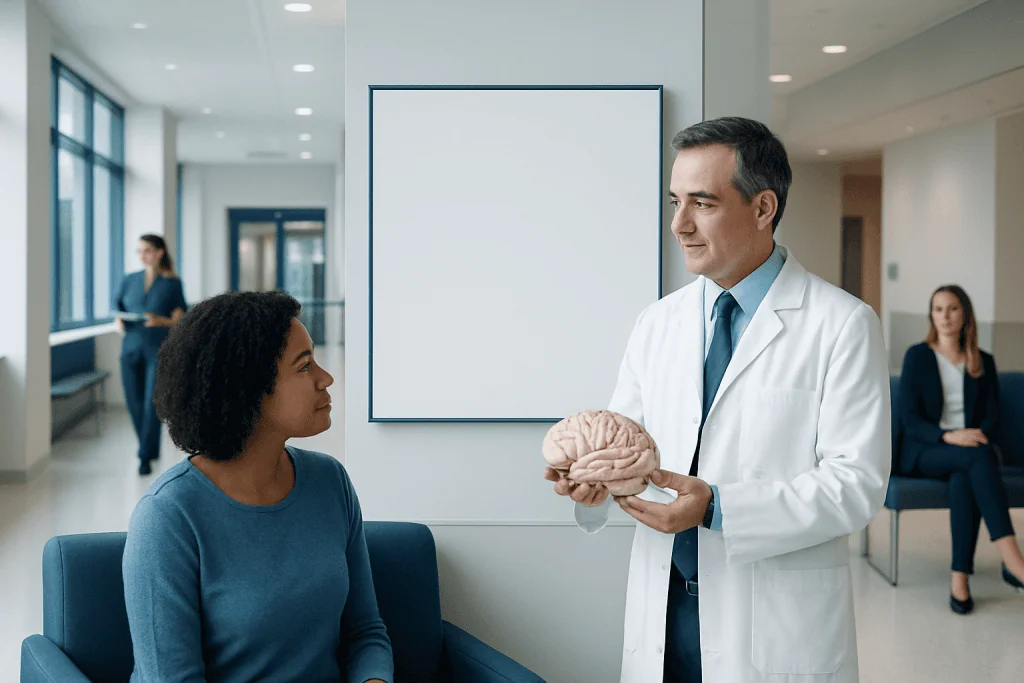
The brain is organized into major regions, each with specific but interconnected roles. The cerebrum, cerebellum, brainstem, and diencephalon are the main parts usually discussed in basic brain anatomy.
Key Takeaways
- The brain is organized into major regions, each with specific but interconnected roles.
- The cerebrum, cerebellum, brainstem, and diencephalon are the main parts usually discussed in basic brain anatomy.
- Different brain regions support movement, balance, sensation, memory, language, and emotions.
- Symptoms depend on which area is affected and may include weakness, confusion, speech changes, or balance problems.
- Brain problems are evaluated with a neurological exam and may require imaging such as MRI or CT.
- Healthy habits and prompt medical attention for new neurological symptoms support brain health.
The brain is the body’s main control center, made up of several interconnected parts that support movement, thought, sensation, memory, and basic life functions. Understanding brain anatomy helps explain how symptoms can arise when a specific region is affected.
Overview
The brain is a highly organized organ made of billions of nerve cells and supporting tissue. It receives information from the senses, processes that information, and sends signals that coordinate movement, thinking, emotions, and many automatic body functions.
When people ask about the parts of the brain, they are often referring to the major regions that work together: the cerebrum, cerebellum, brainstem, and diencephalon. Each part has its own main responsibilities, but none works alone. Healthy brain function depends on constant communication between these areas.
Brain anatomy can seem complex at first, but a simple overview makes it easier to understand common neurological symptoms. For example, trouble with balance may point to the cerebellum, while difficulties with speech or memory may involve the cerebrum.
Main Parts of the Brain
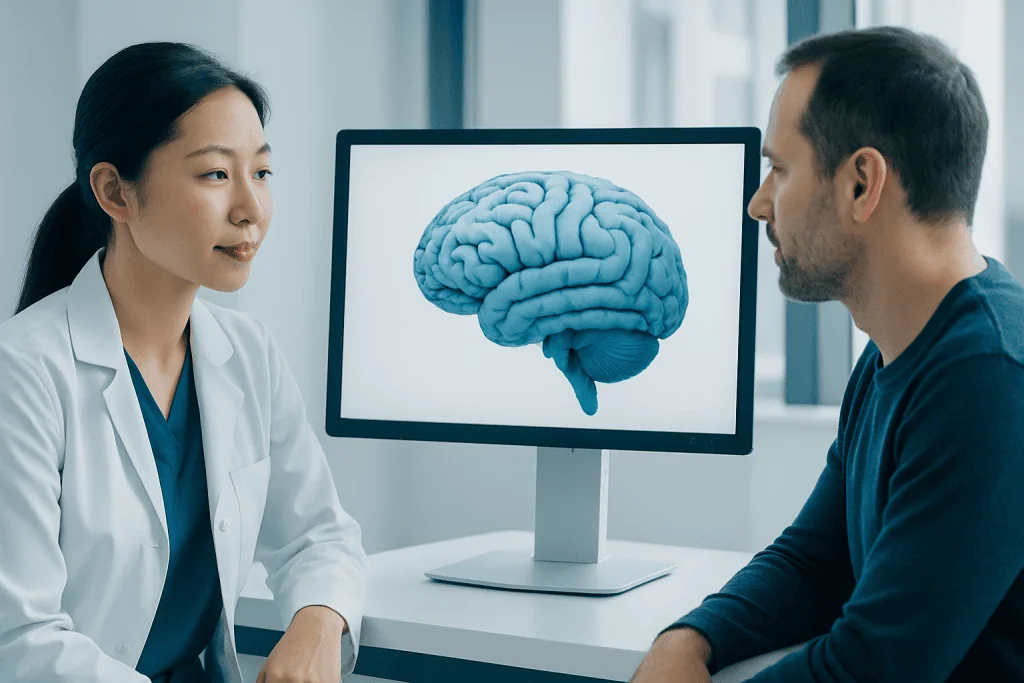
The cerebrum is the largest part of the brain. It is divided into right and left hemispheres, each with several lobes. The frontal lobe supports planning, decision-making, personality, and voluntary movement. The parietal lobe helps process touch and spatial awareness. The temporal lobe is important for hearing, language, and memory, while the occipital lobe handles vision.
The cerebellum, located at the back of the brain, helps coordinate movement, balance, posture, and fine motor control. It does not initiate movement, but it refines it so actions are smooth and accurate. Problems in this area may lead to unsteady walking, clumsy hand movements, or difficulty with coordination.
The brainstem connects the brain to the spinal cord and controls many automatic functions needed for survival. It helps regulate breathing, heart rate, swallowing, sleep-wake cycles, and alertness. The diencephalon, which includes the thalamus and hypothalamus, acts as a relay and control center for sensory information, body temperature, hunger, hormone regulation, and other basic body processes.
How the Brain Works Together
Although each region has a general role, the brain works as a network. Sensory information enters through the nervous system, is processed in several brain areas, and then translated into a response. This teamwork allows a person to read, speak, recognize faces, maintain balance, and react to the environment.
Nerve cells communicate using electrical and chemical signals. These pathways are supported by protective structures such as the skull, meninges, cerebrospinal fluid, and the blood-brain barrier. Together, these systems help protect delicate brain tissue and keep the internal environment stable.
In clinical practice, understanding brain function is often more useful than memorizing anatomy alone. A symptom such as sudden vision loss, numbness, or confusion can give doctors clues about which part of the brain may be involved and whether urgent evaluation is needed.
Symptoms of Brain Problems
Symptoms depend on the affected area and the underlying cause. Some changes are subtle and develop gradually, while others appear suddenly and need prompt medical attention. Common neurological symptoms include weakness or numbness on one side of the body, trouble speaking, dizziness, balance problems, seizures, headaches, memory loss, or personality changes.
Because different brain regions do different jobs, symptoms can vary widely. For example, an issue in the frontal lobe may affect judgment or behavior, while a problem in the occipital lobe may affect vision. Problems involving the brainstem can be especially serious because this area controls breathing and other vital functions.
Not every headache or episode of forgetfulness means there is a brain disorder. However, persistent or new symptoms that affect daily function should be taken seriously and discussed with a doctor, especially if they are sudden, progressive, or unusual for the person.
Causes and Risk Factors
Brain-related symptoms can have many causes. These include stroke, head injury, infection, inflammation, tumors, epilepsy, neurodegenerative diseases, congenital conditions, and reduced blood flow or oxygen to the brain. Metabolic problems such as low blood sugar, thyroid disorders, vitamin deficiencies, or electrolyte imbalances can also affect brain function.
Risk factors vary by condition but may include high blood pressure, diabetes, smoking, alcohol misuse, high cholesterol, advanced age, family history, and prior neurological illness. Some conditions are inherited, while others are linked to injury, infection, or long-term vascular disease.
Protecting brain health involves not only treating known illnesses but also reducing modifiable risks. Good control of blood pressure, blood sugar, and cholesterol can support brain and nerve health over time.
Diagnosis
Doctors usually begin with a detailed history and a neurological examination. They may assess strength, reflexes, coordination, speech, memory, vision, sensation, and balance to help identify which part of the nervous system may be affected.
Depending on the symptoms, testing may include brain imaging such as CT or MRI, blood tests, electroencephalography for seizure evaluation, or other specialized studies. In some situations, doctors may also recommend lumbar puncture, vascular imaging, or cognitive testing.
Diagnosis is often based on combining symptoms, examination findings, and test results rather than relying on one single test. This approach helps distinguish brain disorders from conditions that can mimic them, such as inner ear problems, medication effects, or metabolic changes.
Treatment Options
Treatment depends entirely on the cause. Some conditions are managed with medication, while others may require surgery, rehabilitation, lifestyle changes, or urgent hospital care. For structural or vascular conditions, specialists may use advanced imaging and procedures to define the problem and guide treatment, including options such as brain MRI or brain surgery when appropriate.
For stroke, seizures, infections, inflammatory disorders, or movement problems, treatment plans are individualized and often involve more than one specialist. Neurologists, neurosurgeons, radiologists, rehabilitation professionals, and primary care doctors may all contribute to care.
Recovery may also include physical therapy, occupational therapy, speech therapy, cognitive rehabilitation, or supportive care. The goal is not only to treat the underlying condition, but also to preserve function and improve quality of life.
Prevention and Self-care
Not all brain conditions can be prevented, but many risks can be reduced. Regular physical activity, a balanced diet, adequate sleep, managing stress, avoiding tobacco, and limiting alcohol can all support brain health. Keeping chronic conditions under control is also important.
People can protect their brains by wearing seat belts and helmets when needed, staying hydrated, taking medications as prescribed, and attending follow-up visits for ongoing neurological or medical conditions. Mental activity and social engagement may also help maintain cognitive health over time.
If a person has a known neurological condition, self-care should follow the care plan recommended by the treating doctor. That may include symptom tracking, medication adherence, seizure precautions, fall prevention, or rehabilitation exercises.
When to See a Doctor
A doctor should be consulted for new, worsening, or unexplained neurological symptoms. This includes persistent headaches with other changes, frequent falls, memory problems that affect daily life, numbness or weakness, speech difficulty, vision changes, or episodes of loss of consciousness.
Some symptoms need urgent evaluation, especially sudden weakness, facial droop, severe confusion, seizure activity, or abrupt trouble speaking or seeing. These can signal a serious brain or blood vessel problem and should not be ignored.
For people seeking specialized evaluation, Acibadem International offers multidisciplinary specialists and JCI-accredited hospitals that diagnose and treat neurological conditions for international patients. A doctor can help determine the most appropriate tests, explain the findings in simple terms, and guide next steps.
Frequently asked questions
What are the main parts of the brain?
The main parts commonly described in basic brain anatomy are the cerebrum, cerebellum, brainstem, and diencephalon. Each part has different roles, but they work together as a network. The cerebrum supports thinking and voluntary movement, while the brainstem controls vital automatic functions.
Which part of the brain controls memory?
Memory involves several brain areas, especially parts of the temporal lobe and deeper structures connected to learning and recall. Memory is not controlled by one single spot, because storing and retrieving information requires multiple brain networks. Problems with memory can therefore have different causes.
What does the cerebellum do?
The cerebellum helps coordinate movement, balance, posture, and fine motor control. It makes movement smoother and more accurate, especially when walking, reaching, or speaking. If it is affected, a person may feel unsteady or clumsy.
Can brain symptoms be caused by something other than brain disease?
Yes. Some symptoms can come from migraine, ear problems, medication side effects, low blood sugar, vitamin deficiencies, or other medical conditions. A doctor may use examination and testing to find the true cause.
How do doctors check which part of the brain is affected?
Doctors start with a history and neurological exam, then use tests such as MRI, CT, blood tests, or other studies when needed. The pattern of symptoms often helps them narrow down which brain region may be involved. The exact tests depend on the person’s condition and urgency.
What can a person do to keep the brain healthy?
Healthy habits such as regular exercise, good sleep, balanced nutrition, and control of blood pressure, blood sugar, and cholesterol can support brain health. Avoiding smoking and limiting alcohol are also helpful. Any new or persistent neurological symptom should be discussed with a doctor.
References
- National Institute of Neurological Disorders and Stroke
- National Institutes of Health
- Mayo Clinic
- World Health Organization
This article is for general information only and is not a substitute for professional medical advice. Please consult a qualified doctor about your individual situation.
Explore treatments in Turkey — costs, top hospitals & a free quote
JCI-accredited · board-certified surgeons · reply within 24h
Add us as a Preferred Source to see more of our trusted health content across Google Search, AI Overviews and Discover.
Check your numbers in seconds
BMI, calories, due date, blood pressure and 30+ more clinical calculators — free, instant, doctor-reviewed ranges.

More from the Health Library



Related Specialists

Asst. Prof. Dr. Ebru Kazancı
Neonatal Intensive Care Unit
Dr. Bilal Görçin
Nephrology
Dr. Mahmut Yarimay
Anesthesiology
Dt. Nisa Ildiz Çelebioğlu
Oral & Dental Health