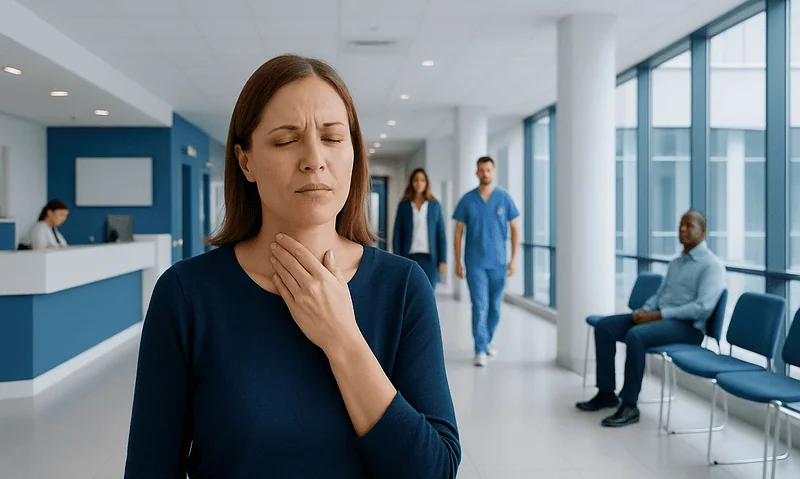
Passed Out: An Evidence-Based Guide for Patients
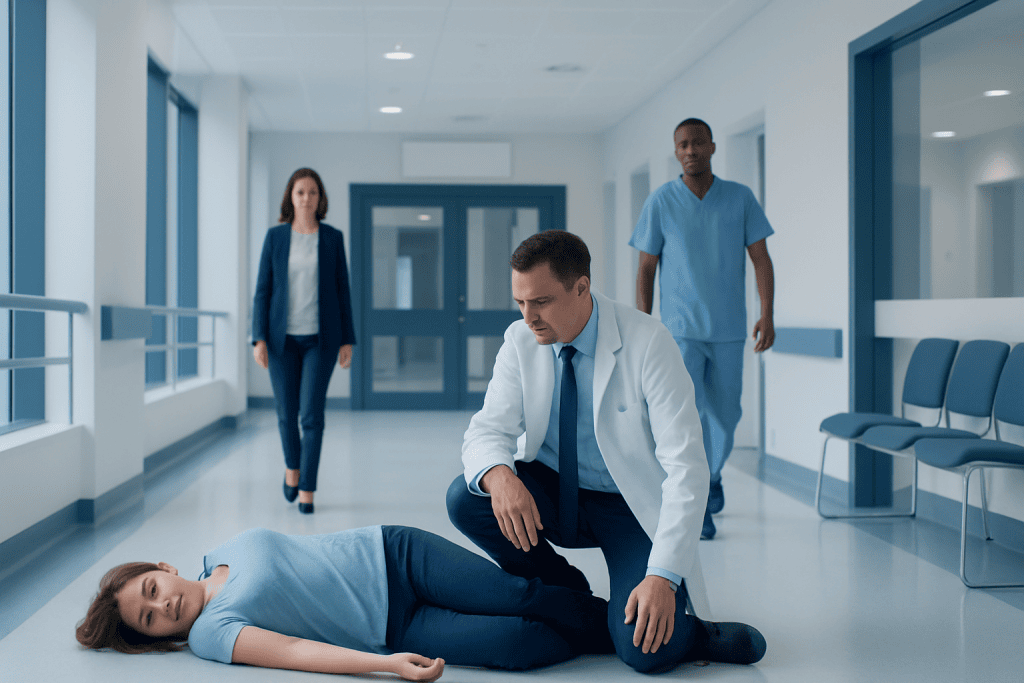
Passing out is often due to fainting, but not every loss of consciousness has the same cause. Common triggers include dehydration, standing up quickly, pain, heat, emotional stress, and some medicines.
Key Takeaways
- Passing out is often due to fainting, but not every loss of consciousness has the same cause.
- Common triggers include dehydration, standing up quickly, pain, heat, emotional stress, and some medicines.
- A person who passes out with chest pain, palpitations, seizure-like movements, or injury needs prompt medical attention.
- Doctors evaluate passing out by reviewing symptoms, medical history, blood pressure, heart rhythm, and possible underlying conditions.
- Prevention often involves hydration, trigger avoidance, medication review, and treatment of the underlying cause.
Passed out usually refers to a brief loss of consciousness, most often fainting, caused by a temporary drop in blood flow to the brain. While many episodes are harmless and short-lived, some can be linked to heart, neurological, or metabolic conditions and should be evaluated by a doctor.
What it means to have passed out
If someone has passed out, it means they had a brief loss of consciousness and were unable to respond for a short time. In many cases, this is due to fainting, also called syncope, which happens when the brain temporarily receives too little blood flow. Most people recover within seconds to a few minutes.
Even so, not all episodes are the same. Some people truly faint, while others lose consciousness because of a seizure, a sudden heart rhythm problem, low blood sugar, severe infection, or another medical issue. That is why the details of what happened before, during, and after the event matter.
Patients often use the phrase “passed out” to describe several different experiences, including blacking out, collapsing, or briefly “going blank.” A careful evaluation helps distinguish fainting from other causes of loss of consciousness and guides the next steps in care.
Common signs before, during, and after passing out
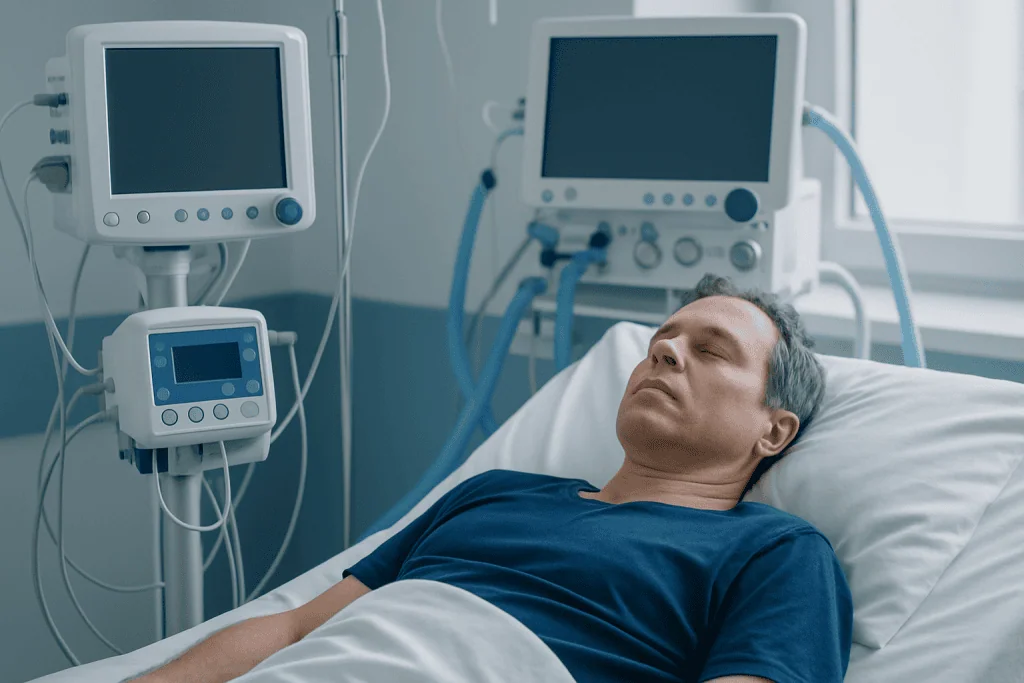
Many people have warning symptoms before they pass out. These may include dizziness, lightheadedness, nausea, blurred vision, sweating, ringing in the ears, weakness, or a sudden feeling of warmth. Some describe the sensation as the room narrowing, fading, or becoming distant.
During a typical faint, the person becomes limp or slumps to the ground and is unresponsive for a brief period. Their skin may look pale, and they may recover quickly once lying flat. A short period of confusion can happen, but prolonged confusion is less typical of simple fainting and may suggest another cause.
Sometimes there are no warning signs. This can happen with certain heart rhythm disorders and deserves medical attention. Family members or bystanders can help by noting how long the person was unconscious, whether there was shaking, whether breathing seemed normal, and whether the person returned to their usual state quickly.
- Common warning signs: dizziness, sweating, nausea, tunnel vision
- Features that may suggest another cause: chest pain, strong palpitations, prolonged confusion, injury, tongue biting, or loss of bladder control
- Helpful details for a doctor: body position, recent food and fluid intake, stress, illness, and medicines used
Why people pass out: causes and risk factors
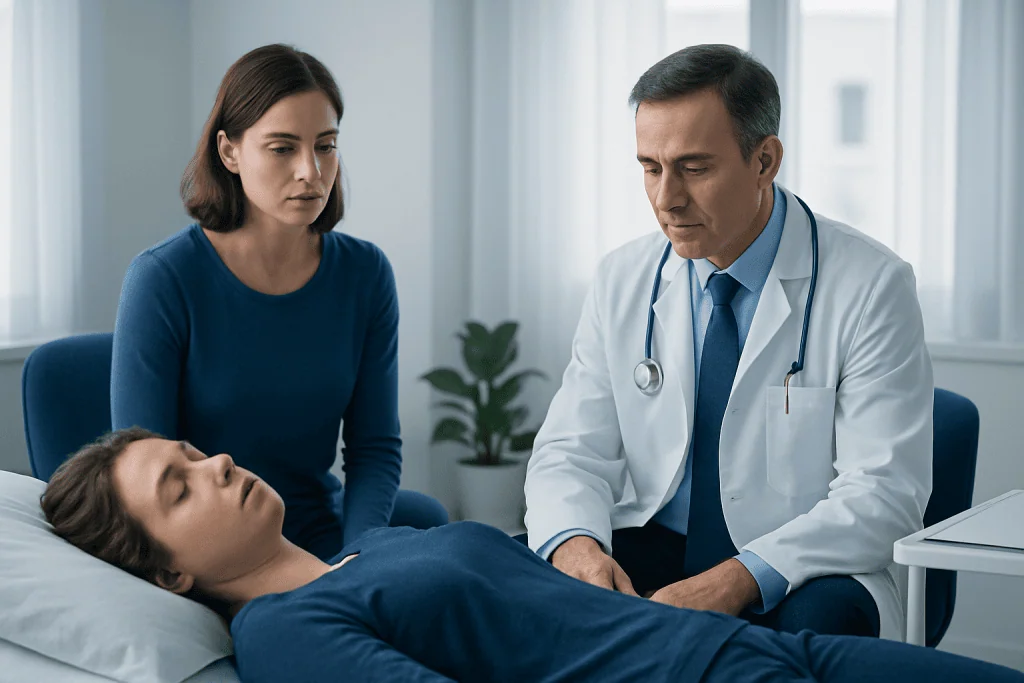
The most common reason people pass out is a temporary drop in blood pressure or heart rate that reduces blood flow to the brain. This can occur with vasovagal syncope, a common type of fainting triggered by stress, pain, the sight of blood, standing for a long time, heat, or dehydration. It can also happen when a person stands up too quickly, known as orthostatic hypotension.
Other causes are more medically significant and need evaluation. Heart-related causes include abnormal heart rhythms, structural heart disease, and reduced blood flow from certain cardiac conditions. Because some heart causes can be serious, doctors pay close attention to passing out during exercise, while lying down, or together with chest pain or palpitations. If a cardiovascular cause is suspected, testing such as an electrocardiogram or specialist heart assessment may be recommended.
Neurological and metabolic problems can also lead to loss of consciousness. Seizures, stroke, severe infection, low blood sugar, low oxygen, and some medication effects may cause a person to collapse or become unresponsive. In selected cases, doctors may investigate conditions such as epilepsy or other disorders affecting the brain and nervous system.
Risk factors include older age, dehydration, pregnancy, chronic illness, diabetes, anemia, hot environments, alcohol use, and medicines that lower blood pressure or affect alertness. A previous history of fainting can increase the chance of recurrence, especially if triggers are not addressed.
How doctors evaluate a person who passed out
The most important part of evaluation is the history. A doctor will ask what happened before the event, how long the person was unconscious, whether there were warning signs, and how quickly they recovered. Medical history, medications, family history of sudden cardiac death, and any recent illness or injury are also important.
A physical examination usually includes checking blood pressure and pulse while lying down and standing, listening to the heart, and assessing the nervous system. Basic tests often include blood sugar measurement and an electrocardiogram. Depending on the situation, further blood tests, heart monitoring, imaging, or specialist referrals may be needed.
When symptoms suggest a brain-related cause, evaluation may involve a neurological examination and sometimes imaging or electroencephalography. If the event caused a head injury, doctors may also assess for concussion or bleeding. The goal is not only to confirm that fainting occurred, but also to identify whether it was benign or a sign of an underlying condition.
In people with recurring episodes, doctors may look for patterns such as dehydration, prolonged standing, anxiety triggers, skipped meals, or medication side effects. Keeping a symptom diary can help, especially when episodes are infrequent but concerning.
Treatment and recovery after passing out
Immediate care focuses on safety. If a person passes out, they should be laid flat if possible, with legs elevated if appropriate, and tight clothing loosened. Once awake, they should avoid standing suddenly and should be observed until fully alert. If they are not breathing normally, have persistent unresponsiveness, or were injured, emergency medical care is needed right away.
Treatment depends on the cause. For simple fainting triggered by dehydration or prolonged standing, increasing fluids, using physical counter-pressure techniques, and avoiding triggers may be enough. Medication review is often important, because blood pressure medicines, diuretics, sedatives, and some antidepressants can contribute in some patients.
When passing out is linked to a heart problem, treatment may involve rhythm monitoring, medication adjustment, or other cardiology care. If an arrhythmia is suspected, a doctor may arrange cardiology evaluation and treatment. If the cause is neurological, endocrine, or related to another illness, the focus shifts to managing that condition directly.
Recovery after a simple faint is usually quick, but patients may feel tired, weak, or unsettled for a short time. It is often sensible to avoid driving, climbing, swimming alone, or operating machinery until a clinician has clarified the cause, especially after a first episode or if the event happened without warning.
What patients can do to help prevent another episode
Prevention starts with understanding the trigger. Drinking enough fluids, not skipping meals, rising slowly from bed or a chair, and avoiding prolonged standing in hot environments can reduce the chance of common fainting episodes. For people who notice warning symptoms, sitting or lying down early may prevent a complete loss of consciousness.
Some people benefit from practical strategies such as crossing the legs, tightening the leg muscles, or clenching the fists when they feel faint. These maneuvers may help maintain blood pressure until the feeling passes. Compression garments may be useful in selected patients when orthostatic symptoms are a major factor.
Self-care also includes reviewing medicines with a doctor, managing chronic conditions, and limiting alcohol if it contributes to dehydration or low blood pressure. People with diabetes should pay attention to food intake and glucose monitoring, since low blood sugar can sometimes mimic or contribute to passing out.
Recurring or unexplained episodes should not be managed with self-care alone. Long-term prevention depends on identifying the true cause, especially if symptoms occur during exercise, while driving, or with known heart or neurological disease.
When to seek medical care
Medical care should be sought promptly if a person passes out for the first time, has repeated episodes, or does not return quickly to normal. Evaluation is especially important if the event occurred during exercise, while sitting or lying down, or without any warning symptoms.
Emergency care is needed if passing out happens together with chest pain, shortness of breath, strong palpitations, one-sided weakness, trouble speaking, severe headache, significant injury, or prolonged confusion. It is also urgent if the person is pregnant, has known heart disease, or has a family history of sudden unexplained death.
Patients should also speak with a doctor if they suspect an underlying condition such as anemia, low blood pressure, diabetes, or a neurological disorder. In more complex cases, assessment may involve specialists across cardiology, neurology, and internal medicine. Acibadem International’s multidisciplinary specialists in JCI-accredited hospitals evaluate and treat patients with unexplained fainting and related conditions, including arrhythmia and other causes of loss of consciousness.
Frequently asked questions
Is passing out the same as fainting?
Often, yes. Many people use “passed out” to mean fainted, but doctors may use more specific terms because loss of consciousness can have different causes. Fainting usually refers to a brief drop in blood flow to the brain, while other causes include seizures, heart rhythm problems, and low blood sugar.
What should someone do right after they pass out?
After waking up, the person should remain lying down or sit with support until they feel fully steady. They should not stand suddenly, drive, or continue normal activity right away. If symptoms persist, if there was injury, or if the cause is unclear, medical evaluation is important.
Can dehydration make a person pass out?
Yes. Dehydration can reduce blood volume and contribute to low blood pressure, especially in heat, during illness, or after prolonged standing. This can increase the risk of fainting, particularly in older adults and people taking certain medicines.
When is passing out an emergency?
It should be treated as an emergency if it happens with chest pain, shortness of breath, palpitations, severe headache, weakness on one side, trouble speaking, major injury, or prolonged confusion. Emergency care is also needed if the person does not wake quickly or is not breathing normally.
Can anxiety or stress cause someone to pass out?
Yes, emotional stress can trigger vasovagal fainting in some people. This type of fainting may happen during fear, pain, or after seeing blood, and is often preceded by sweating, nausea, and lightheadedness. Even so, recurrent or unexplained episodes still deserve medical review.
Should a person see a doctor after passing out once?
In many cases, yes, especially if it is the first episode, the trigger is unclear, or there are no warning signs. A doctor can decide whether the event was a simple faint or whether further testing is needed. This is particularly important in older adults and people with heart disease, diabetes, or neurological symptoms.
This article is for general information only and is not a substitute for professional medical advice. Please consult a qualified doctor about your individual situation.
Explore treatments in Turkey — costs, top hospitals & a free quote
JCI-accredited · board-certified surgeons · reply within 24h
Add us as a Preferred Source to see more of our trusted health content across Google Search, AI Overviews and Discover.
Check your numbers in seconds
BMI, calories, due date, blood pressure and 30+ more clinical calculators — free, instant, doctor-reviewed ranges.

More from the Health Library

Blood When Blowing Nose: A Complete Medical Overview

Fortified Milk: An Evidence-Based Guide for Patients

Atorvastatin 20mg: A Complete Medical Overview

Strength Workout for Weight Loss: A Complete Medical Overview

Phytic Acid: An Evidence-Based Guide for Patients