Pbsc Transplant: Procedure, Recovery and Results

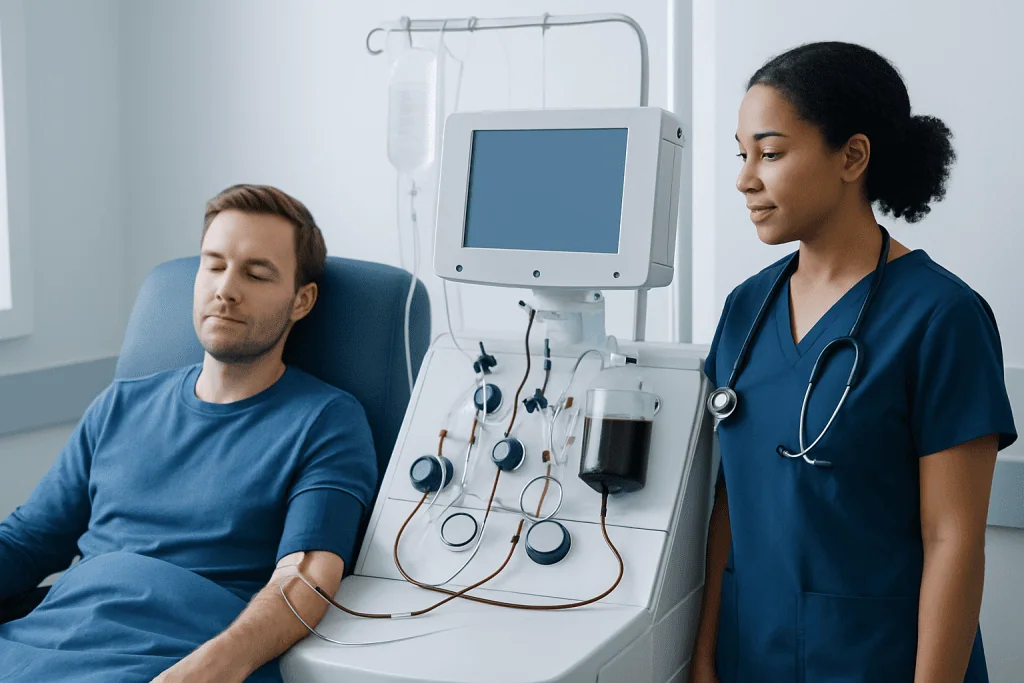
PBSC transplantation can use a person's own cells or cells donated by a matched individual. Stem cells are usually collected from circulating blood through a process called apheresis.
Key Takeaways
- PBSC transplantation can use a person's own cells or cells donated by a matched individual.
- Stem cells are usually collected from circulating blood through a process called apheresis.
- High-dose treatment before transplantation creates space in the bone marrow and may treat the underlying disease.
- Blood counts often begin to recover within weeks, while immune recovery can take months or longer.
- Infection, graft-versus-host disease and organ-related complications require prompt medical assessment.
A PBSC transplant, also called a peripheral blood stem cell transplant, uses blood-forming stem cells collected from the bloodstream to rebuild the bone marrow after intensive treatment or marrow failure. Recovery varies by the underlying condition, transplant type and complications, but close follow-up is essential throughout the first year.
PBSC Transplant Overview
A peripheral blood stem cell (PBSC) transplant is a procedure that restores the body’s ability to make healthy blood cells. Blood-forming stem cells are collected from the bloodstream, stored or prepared, and then infused into a recipient through a vein. These cells travel to the bone marrow, where they can establish new blood production.
A PBSC transplant may be used for blood cancers such as leukemia, lymphoma and multiple myeloma, as well as selected bone marrow disorders and immune conditions. It is not surgery on the bone marrow itself. The term is sometimes written as PBSCT, meaning peripheral blood stem cell transplantation.
There are two main types. In an autologous transplant, the patient’s own stem cells are collected before high-dose therapy and returned afterward. In an allogeneic transplant, cells come from a related or unrelated donor whose tissue type is suitably matched. The best approach depends on the diagnosis, disease status, previous treatment and overall health.
How a PBSC Transplant Works and Who May Be a Candidate
Bone marrow constantly produces red blood cells, white blood cells and platelets. Certain diseases and intensive cancer treatments can damage this process. A PBSC transplant provides stem cells capable of re-establishing blood formation after chemotherapy, radiation therapy, or disease-related marrow failure.
For an autologous transplant, the main purpose is often to allow higher-dose chemotherapy than would otherwise be safe. For an allogeneic transplant, donor immune cells may also help recognize and attack remaining cancer cells, an effect called graft-versus-tumor activity. This benefit must be balanced against the possibility of graft-versus-host disease (GVHD), in which donor immune cells attack the recipient’s tissues.
Candidacy is determined by a specialist transplant team. They consider the condition being treated, available alternatives, response to treatment, age, heart and lung function, kidney and liver health, infection risk, emotional support and ability to attend regular follow-up. Testing may include blood tests, imaging, heart and lung assessments, dental review and infection screening.
For people with a blood cancer, transplantation may be considered alongside other treatments, including leukemia care and lymphoma care, depending on the specific diagnosis and treatment plan.
PBSC Transplant Procedure: Step by Step

The PBSC transplant procedure begins with stem cell mobilization. Donors and patients giving their own cells usually receive medicines that encourage stem cells to move from the bone marrow into the bloodstream. In some situations, chemotherapy is also used before collection. Temporary bone or muscle aches, headache, tiredness and flu-like symptoms can occur during mobilization.
Cells are collected through apheresis. Blood is taken through a needle or central line, passed through a machine that separates stem cells, and returned to the body. A collection session commonly takes several hours, and more than one session may be needed. The cells are then processed and, for autologous transplantation, often frozen until they are required.
Before infusion, the recipient receives conditioning treatment. This may include chemotherapy, radiation therapy or lower-intensity treatment, depending on the transplant type and disease. Conditioning helps control the underlying condition, suppresses the immune system when donor cells are used, and creates room in the marrow for new stem cells.
On transplant day, stem cells are infused through a central venous catheter, similarly to a blood transfusion. The infusion itself is usually not painful. The most intensive part of care is often the period after the infusion, when blood counts are low and the new cells are establishing themselves. This process is called engraftment. A specialist team can explain the full bone marrow transplant process and the individual plan for monitoring and supportive care.
PBSC Recovery: Timeline, Benefits and Expected Results
PBSC recovery is gradual. Neutrophils, a type of white blood cell important for fighting infection, often recover first. Platelet and red blood cell recovery may take longer. People may need blood product transfusions, medications to prevent infection, nutritional support and regular blood tests during this stage.
The potential benefit of a PBSC transplant is the opportunity to restore marrow function and, for some conditions, achieve long-term disease control or remission. Results depend greatly on the reason for transplant, disease stage, transplant type, donor match, response to prior treatment and complications that arise after transplantation.
Hospital stay and outpatient arrangements vary. Some people remain in hospital during the period of very low blood counts, while others have frequent outpatient visits if clinically appropriate and if safe support is available. Fatigue, reduced appetite, changes in taste, weakness and emotional strain are common during the early months.
Immune recovery takes longer than initial engraftment. The transplant team will advise when to restart vaccinations, whether to continue preventive medicines, and when work, travel, exercise and social activities can be resumed. Follow-up visits remain important even when a person feels well, because some complications can develop later.
What Are the Worst Days After a Stem Cell Transplant?
There is no identical “worst day” for every person, but many patients find the period from conditioning through the first two to three weeks after transplant especially challenging. During this time, blood counts can reach their lowest point before engraftment, increasing vulnerability to infection, bleeding and anemia-related tiredness.
Side effects from conditioning may include nausea, diarrhea, mouth and throat soreness, poor appetite, skin changes and extreme fatigue. People receiving allogeneic cells may also require medicines that suppress immune activity. Symptoms are closely monitored because prompt supportive care can improve comfort and reduce the risk of complications.
For some, the days around engraftment are physically demanding because the body is recovering while inflammation, fever or fluid changes may occur. However, symptoms and timing vary widely. A transplant team can explain what is expected for the individual treatment regimen and what signs need urgent review.
What Happens 60 Days After a Bone Marrow Transplant?
At around day 60 after a bone marrow or PBSC transplant, many patients have improving blood counts but are still recovering physically and immunologically. The term “bone marrow transplant” is commonly used for stem cell transplantation, even when stem cells were collected from blood rather than directly from marrow.
At this stage, follow-up commonly focuses on blood counts, medication effects, infection prevention, nutrition, kidney and liver function, and evidence of disease response. In an allogeneic transplant, clinicians also look carefully for acute GVHD, which can affect the skin, digestive tract and liver. Any new rash, persistent diarrhea, jaundice, fever or breathing change should be reported promptly.
Energy and appetite may be improving, but fatigue can remain substantial. The team may begin adjusting medicines, discussing rehabilitation and carefully expanding daily activity. Restrictions related to food safety, crowds, exposure to illness and travel should only be relaxed according to the transplant team’s advice.
What Happens After 100 Days After Stem Cell Transplant?
The first 100 days are a key early recovery period after stem cell transplantation. By day 100, many people have achieved engraftment and have a clearer picture of early treatment response. However, reaching this milestone does not mean immune recovery is complete or that monitoring is no longer needed.
Day-100 reviews may include blood tests, disease-specific testing and assessments for transplant complications. In allogeneic transplantation, chronic GVHD can occur later, even after an uncomplicated early course. Symptoms may involve dry eyes or mouth, skin tightness or rash, joint stiffness, digestive symptoms, shortness of breath or abnormal liver tests.
Longer-term care includes vaccination planning, screening for late effects of treatment, support for physical recovery and attention to emotional wellbeing. People should continue to discuss return to work, school, exercise, sexual health, fertility concerns and travel individually with their care team.
Risks, Donor Recovery and When to Seek Medical Care
Possible transplant risks include serious infection, bleeding, anemia, mouth and digestive tract inflammation, organ effects from treatment, infertility, recurrence of the underlying disease and, after an allogeneic transplant, graft failure or GVHD. The transplant team uses careful screening, preventive medicines and ongoing monitoring to reduce risk where possible.
How long does it take to recover after donating stem cells? Most PBSC donors can return to routine activities within several days, although tiredness and aches may last longer for some people. Blood cells usually replenish naturally, and the donor team provides follow-up until recovery is satisfactory. Donors should contact their team if they develop persistent symptoms or have concerns after collection.
When to seek medical care: A person recovering from a PBSC transplant should contact the transplant team urgently for fever or chills, new cough or shortness of breath, chest pain, confusion, severe or persistent vomiting or diarrhea, uncontrolled pain, bleeding, new rash, yellowing of the skin or eyes, reduced urine, or inability to drink enough fluids. The care team should also be contacted promptly for exposure to contagious illnesses.
Acibadem International’s multidisciplinary specialists and JCI-accredited hospitals provide assessment and treatment for international patients who may need stem cell transplantation. Care should always be coordinated with a qualified hematology and transplant team, including access to hematology care and appropriate long-term follow-up.
Frequently asked questions
Is a PBSC transplant the same as a bone marrow transplant?
Both procedures transplant blood-forming stem cells, but the cells are obtained differently. In a PBSC transplant, stem cells are collected from circulating blood after mobilization; in a traditional bone marrow harvest, they are collected from marrow under anesthesia. The phrase bone marrow transplant is often used broadly for both.
How long does a PBSC transplant take?
The stem cell infusion usually takes hours rather than days, but transplantation is a multi-stage process. Mobilization and collection occur first, followed by conditioning treatment, infusion and weeks to months of close recovery monitoring. The exact schedule depends on the condition and transplant type.
When do stem cells engraft after a PBSC transplant?
Engraftment often begins within the first few weeks, but timing varies according to the transplant type, conditioning regimen, cell dose and individual health factors. White blood cell recovery is often seen before platelet and red blood cell recovery. Blood tests are used to monitor progress.
Can a PBSC transplant cure cancer?
A PBSC transplant can be an important part of treatment for some blood cancers and may lead to long-term remission for selected patients. It is not a guaranteed cure, and outcomes differ according to the cancer type, disease status, transplant approach and complications. The transplant team can explain the expected role of transplantation in an individual treatment plan.
What is graft-versus-host disease?
Graft-versus-host disease, or GVHD, is a complication of allogeneic transplantation in which donor immune cells react against the recipient’s tissues. It may affect the skin, digestive system, liver, eyes, mouth, lungs or other organs. It can often be managed with careful monitoring and immune-modifying treatment.
How long is the immune system weak after a stem cell transplant?
The immune system can remain weakened for months and sometimes longer, particularly after an allogeneic transplant or when immune-suppressing medicines are required. Initial blood count recovery does not mean full immune protection has returned. Infection precautions, preventive medicines and revaccination plans should follow the transplant team’s guidance.
References
- National Cancer Institute
- American Society of Hematology
- European Society for Blood and Marrow Transplantation
- Centers for Disease Control and Prevention
- National Marrow Donor Program
This article is for general information only and is not a substitute for professional medical advice. Please consult a qualified doctor about your individual situation.
Explore treatments in Turkey — costs, top hospitals & a free quote
JCI-accredited · board-certified surgeons · reply within 24h
Add us as a Preferred Source to see more of our trusted health content across Google Search, AI Overviews and Discover.