Pcod: A Complete Medical Guide — Function, Normal Levels, and Health Implications

PCOD often causes irregular periods, acne, excess hair growth, and difficulty with ovulation. Diagnosis is based on symptoms, medical history, examination, blood tests, and pelvic ultrasound when appropriate.
Key Takeaways
- PCOD often causes irregular periods, acne, excess hair growth, and difficulty with ovulation.
- Diagnosis is based on symptoms, medical history, examination, blood tests, and pelvic ultrasound when appropriate.
- Treatment depends on a person’s goals, such as cycle regulation, symptom control, or pregnancy planning.
- Weight management, physical activity, sleep, and balanced nutrition can improve symptoms in many people.
- Early medical guidance may help reduce long-term risks such as insulin resistance and endometrial problems.
PCOD is a common hormonal condition in which the ovaries may contain multiple small immature follicles and ovulation may become irregular. It can affect menstrual cycles, skin, weight, and fertility, but symptoms can often be managed with medical care and healthy lifestyle measures.
Overview: what PCOD means
PCOD, or polycystic ovarian disease, is a hormonal condition in which the ovaries may develop multiple small follicles that do not mature and release an egg regularly. This can lead to irregular ovulation, changes in menstrual cycles, and symptoms linked to higher androgen activity, such as acne or increased facial and body hair. Although the name refers to the ovaries, PCOD is not just an ovarian problem; it may also involve metabolism, insulin response, and overall hormone balance.
Many people use the terms PCOD and PCOS interchangeably, and there is overlap between them in everyday discussion. In clinical practice, doctors often use the term polycystic ovary syndrome for the broader syndrome involving irregular ovulation, signs of androgen excess, and polycystic-appearing ovaries on ultrasound. Because symptoms and severity vary from person to person, diagnosis and treatment are individualized.
PCOD is common during the reproductive years and may first become noticeable in the teenage years or early adulthood. Some people seek care because of irregular periods, while others are more concerned about weight changes, acne, or difficulty becoming pregnant. The condition is manageable, and many people improve with a combination of lifestyle support and medical treatment.
Symptoms and possible health effects
PCOD can look different in different people. Menstrual changes are among the most common signs. Periods may be infrequent, unpredictable, unusually light, or sometimes heavier after a long gap. Some people also notice that they skip periods for months at a time, which can be a sign that ovulation is not happening regularly.
Hormonal changes may also affect the skin and hair. Acne, oily skin, thinning hair on the scalp, or increased hair growth on the face, chest, abdomen, or back can occur when androgen levels are higher than usual. Weight gain or difficulty losing weight may develop as well, especially when insulin resistance is present.
PCOD may also affect fertility because irregular ovulation can make it harder to predict fertile days or conceive naturally. Over time, untreated irregular cycles may raise the risk of thickening of the uterine lining. Some people also have associated concerns such as mood changes, sleep problems, elevated blood sugar, or cholesterol abnormalities.
- Irregular or absent periods
- Acne and oily skin
- Excess facial or body hair
- Thinning hair on the scalp
- Weight gain or difficulty managing weight
- Problems with ovulation or fertility
Causes and risk factors

The exact cause of PCOD is not fully understood, but it is thought to involve a combination of genetic, hormonal, and metabolic factors. A family history of similar menstrual problems, type 2 diabetes, or androgen-related symptoms may increase the likelihood of developing it. In many people, insulin resistance plays an important role. When the body does not use insulin effectively, insulin levels can rise, which may stimulate the ovaries to produce more androgens.
Higher androgen activity can interfere with normal follicle development and ovulation. Instead of one dominant follicle maturing and releasing an egg, multiple small follicles may remain underdeveloped. This contributes to irregular periods and can also lead to symptoms such as acne and unwanted hair growth.
Risk can also be influenced by body weight, physical inactivity, poor sleep, and stress, although people of any body size can have PCOD. Importantly, PCOD is not caused by anything a person did wrong. It is a medical condition that deserves proper assessment, especially because its symptoms can overlap with other problems such as thyroid disorders, high prolactin levels, or ovarian cyst conditions.
How PCOD is diagnosed
There is no single test that confirms PCOD in every case. Diagnosis usually begins with a detailed medical history, including menstrual pattern, weight changes, skin and hair symptoms, medications, and pregnancy plans. A doctor may also ask about family history and perform a physical examination to look for signs of androgen excess or other hormonal conditions.
Blood tests are often used to evaluate hormone and metabolic health. These may include tests related to androgens, blood sugar, cholesterol, thyroid function, and prolactin, depending on the person’s symptoms. In this sense, people sometimes ask about “normal levels” in PCOD, but there is no one laboratory value that defines the condition. Instead, clinicians interpret test results together with symptoms and examination findings.
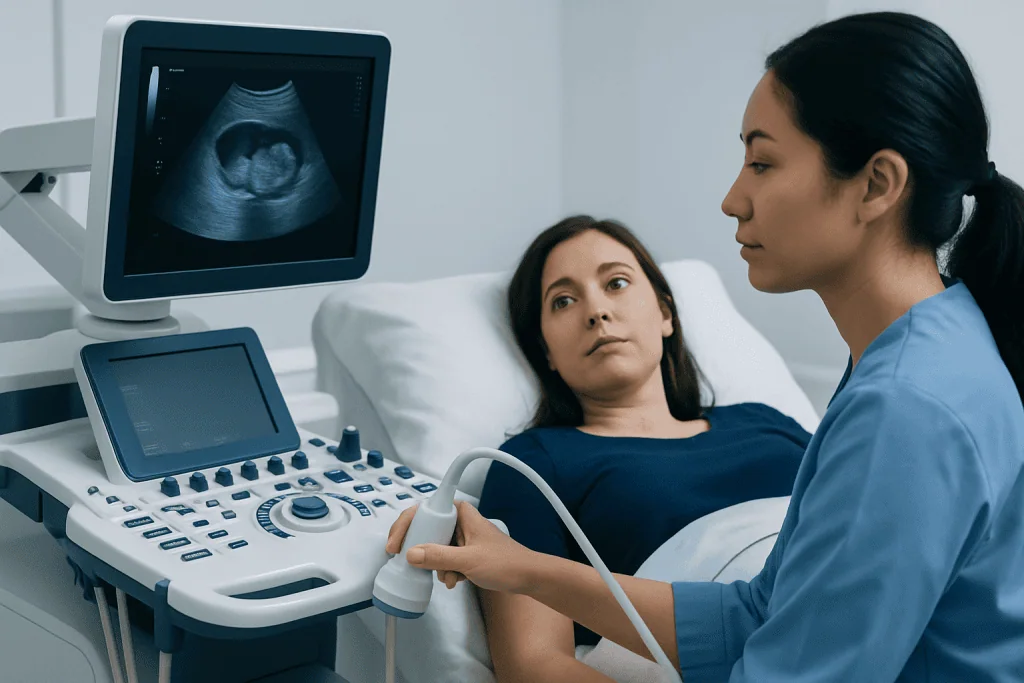
Pelvic ultrasound can be helpful in some cases because it may show enlarged ovaries or multiple small follicles. However, ultrasound alone does not diagnose PCOD, and not everyone with PCOD will have the same scan findings. For some patients, doctors also use pelvic ultrasound to help rule out other gynecologic causes of irregular bleeding or pelvic symptoms.
Because the condition overlaps with other endocrine and reproductive disorders, a careful evaluation matters. A specialist may consider conditions such as thyroid disease, adrenal disorders, or fertility-related conditions if symptoms are complex. In selected cases, further assessment through gynecological examination can help guide diagnosis and treatment planning.
Treatment options and long-term management
Treatment for PCOD depends on the person’s age, symptoms, and goals. Someone who wants cycle regulation and acne control may need a different plan from someone trying to become pregnant. In general, treatment aims to improve quality of life, support regular ovulation when possible, protect the uterine lining, and address metabolic concerns such as insulin resistance.
Lifestyle measures are often a core part of treatment. Even modest weight loss in people who are overweight can help improve ovulation, menstrual regularity, and insulin sensitivity. Regular exercise, balanced nutrition, adequate sleep, and stress management may all support symptom control. These changes are not a substitute for medical treatment when needed, but they can significantly improve outcomes.
Doctors may prescribe hormonal medicines to regulate periods and reduce androgen-related symptoms, or other medicines to improve insulin response in selected patients. If pregnancy is the goal, treatment may focus on supporting ovulation and fertility evaluation. Some people with PCOD may also need help for associated concerns such as acne, excess hair growth, or abnormal bleeding. When fertility is affected, evaluation through fertility treatment options may be considered after a specialist assessment.
Regular follow-up is important because PCOD can change over time. Monitoring may include menstrual patterns, blood pressure, weight, blood sugar, and cholesterol, especially when there are metabolic risk factors. At the end of a tailored evaluation, some patients may also be referred for polycystic ovary syndrome care if their clinical picture fits broader diagnostic criteria.
Prevention and self-care
There is no guaranteed way to prevent PCOD, especially when genetic and hormonal factors are involved. However, healthy daily habits may lower the impact of symptoms and help reduce the risk of related complications. These measures can be useful both for people already diagnosed with PCOD and for those who have irregular cycles or features that suggest hormonal imbalance.
A practical self-care plan often includes regular physical activity, meals rich in fiber and lean protein, limited ultra-processed foods, and good sleep habits. Some people benefit from structured support from a dietitian or endocrinology team. Avoiding smoking and keeping up with routine health checks are also helpful, especially if there is a family history of diabetes or heart disease.
Tracking menstrual cycles can help people notice changes early and provide useful information for medical appointments. It is also sensible to seek advice before starting supplements marketed for hormone balance, because quality and evidence can vary. Self-care should support, not replace, professional assessment when periods are absent, symptoms are worsening, or pregnancy is planned.
When to seek medical care
Medical advice is important if periods are consistently irregular, absent, very heavy, or suddenly different from a usual pattern. A doctor should also assess symptoms such as worsening acne, new excess hair growth, scalp hair thinning, unexplained weight changes, or signs of elevated blood sugar such as unusual thirst or frequent urination.
Care should be sought sooner if there is severe pelvic pain, fainting, heavy bleeding that causes weakness, or a possibility of pregnancy with abnormal bleeding. People who are trying to conceive and have irregular ovulation may benefit from early fertility guidance rather than waiting for symptoms to settle on their own.
PCOD is usually managed through outpatient care, but assessment should not be delayed when symptoms interfere with daily life or emotional well-being. Acibadem International’s multidisciplinary specialists in JCI-accredited hospitals diagnose and treat hormonal and reproductive conditions for international patients, with care tailored to individual symptoms and goals.
Frequently asked questions
Is PCOD the same as PCOS?
The terms are often used interchangeably in everyday conversation, but they are not always used in exactly the same way in medical discussions. PCOS is the more widely accepted clinical term for the broader syndrome involving ovulation problems, androgen-related symptoms, and sometimes polycystic-appearing ovaries.
Can someone have PCOD with normal blood tests?
Yes. Some people have symptoms and ultrasound findings suggestive of PCOD even when certain hormone tests are within reference ranges. Diagnosis is based on the overall clinical picture, not on one single lab result.
Does PCOD always cause infertility?
No. PCOD can make ovulation less predictable, which may make conception harder for some people, but many still become pregnant naturally. When pregnancy does not happen, treatment to support ovulation and fertility may help.
Can PCOD be cured permanently?
PCOD is usually considered a long-term condition that can be managed rather than permanently cured. Symptoms often improve with lifestyle changes, medical treatment, and regular follow-up tailored to a person’s needs.
Is weight gain necessary for a PCOD diagnosis?
No. Although weight gain and insulin resistance are common in some people, PCOD can occur in people of any body size. A person can have irregular periods and androgen-related symptoms without being overweight.
What foods are best for PCOD?
There is no single PCOD diet, but many people benefit from balanced meals that include vegetables, whole grains, lean protein, healthy fats, and fiber-rich foods. Limiting highly processed foods and sugary drinks may also help support blood sugar balance and weight management.
References
- World Health Organization
- American College of Obstetricians and Gynecologists
- Endocrine Society
- National Institute of Child Health and Human Development
- Office on Women's Health
This article is for general information only and is not a substitute for professional medical advice. Please consult a qualified doctor about your individual situation.
Hair transplant in Turkey — costs, graft counts & a free assessment
JCI-accredited · board-certified surgeons · reply within 24h
Add us as a Preferred Source to see more of our trusted health content across Google Search, AI Overviews and Discover.
Check your numbers in seconds
BMI, calories, due date, blood pressure and 30+ more clinical calculators — free, instant, doctor-reviewed ranges.