PCOS Belly: A Complete Clinical Guide for Patients

PCOS belly is a nonmedical term commonly used for central abdominal weight gain or bloating seen in some people with PCOS. Insulin resistance, androgen excess, sleep problems, stress, and genetics can all contribute to abdominal fat accumulation in PCOS.
Key Takeaways
- PCOS belly is a nonmedical term commonly used for central abdominal weight gain or bloating seen in some people with PCOS.
- Insulin resistance, androgen excess, sleep problems, stress, and genetics can all contribute to abdominal fat accumulation in PCOS.
- Diagnosis focuses on the broader condition of PCOS, including menstrual history, symptoms, blood tests, and sometimes pelvic ultrasound.
- Treatment may combine nutrition, physical activity, sleep support, stress management, and medicines when appropriate.
- Not every person with PCOS has abdominal weight gain, and belly changes can have causes other than PCOS.
- Medical review is important if abdominal symptoms are new, severe, or associated with missed periods, fertility concerns, or metabolic health risks.
PCOS belly usually refers to increased abdominal fat or bloating that can occur with polycystic ovary syndrome, often related to insulin resistance, hormone imbalance, inflammation, and lifestyle factors. It is not a formal diagnosis, but it can be a meaningful sign that PCOS needs proper evaluation and a personalized treatment plan.
Overview: What “PCOS Belly” Means
PCOS belly is a common informal term for abdominal weight gain, increased waist size, or persistent bloating that some people notice with polycystic ovary syndrome. It is not a separate disease and not an official medical term. Instead, it describes a body pattern that may happen when PCOS affects metabolism, hormones, and the way the body uses insulin.
In many cases, the main issue is not simply body weight but fat distribution. People with PCOS may be more likely to store fat around the abdomen rather than the hips or thighs. This central pattern matters because it can be linked with insulin resistance, higher blood sugar over time, abnormal cholesterol, and increased cardiovascular risk.
It is also important to separate abdominal fat from abdominal bloating. Some people use “PCOS belly” to describe a firm or enlarged midsection, while others mean swelling that changes through the day. Bloating may relate to diet, bowel habits, stress, or other digestive conditions, so not every enlarged abdomen in someone with PCOS is caused by hormone imbalance alone.
Because PCOS affects each person differently, there is no single “PCOS body type.” Some people with polycystic ovary syndrome are lean, some gain weight more easily, and some mainly have irregular periods, acne, excess hair growth, or fertility concerns. A full clinical assessment helps clarify whether abdominal changes are part of PCOS or another health issue that also needs attention.
Why PCOS Can Affect the Abdomen
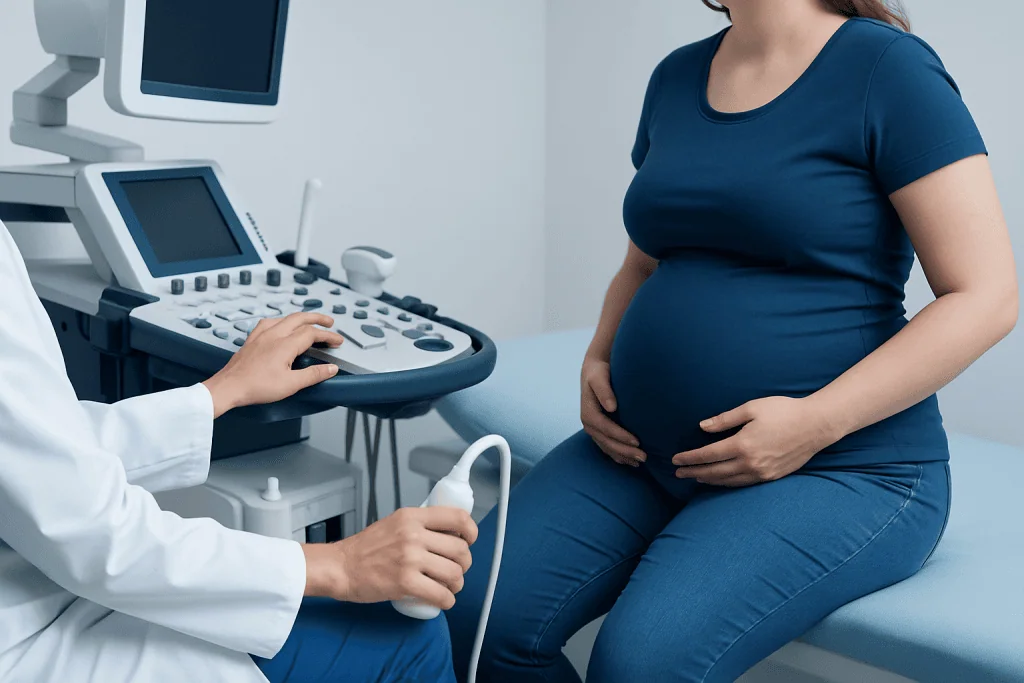
The most important biological link between PCOS and abdominal weight gain is often insulin resistance. When the body becomes less responsive to insulin, it may produce more of it. Higher insulin levels can encourage fat storage, increase hunger in some people, and stimulate the ovaries to make more androgens, which can further worsen PCOS symptoms.
Androgens are hormones present in all sexes, but elevated levels in PCOS can affect ovulation, skin, hair, and body composition. Research suggests that androgen excess may contribute to more visceral fat, the deeper fat stored around the abdominal organs. This type of fat is more strongly associated with metabolic complications than fat stored just under the skin.
Chronic low-grade inflammation may also play a role. While inflammation is not unique to PCOS, it can interact with insulin resistance, sleep disruption, stress, and reduced physical activity. Over time, these factors may make it harder to manage weight and easier to regain weight after initial progress.
Finally, the abdomen may seem larger because of non-fat causes such as constipation, food intolerance, or fluid retention around the menstrual cycle. That is why clinicians avoid assuming that every case of “PCOS belly” has the same explanation. Effective care begins by identifying whether the main problem is fat accumulation, bloating, or both.
Symptoms and Related Signs
PCOS belly itself is not a diagnosis, so doctors look for the broader pattern of symptoms that can suggest PCOS. The most common signs include irregular periods, absent periods, difficulty predicting ovulation, acne, scalp hair thinning, and increased facial or body hair growth. Some people also report fatigue, cravings, or difficulty losing weight despite consistent efforts.
Abdominal changes may appear as a gradually increasing waistline, a feeling that clothes are tighter around the middle, or a body shape that shifts toward the abdomen. For some, this change is accompanied by signs of insulin resistance such as darkened skin in body folds, skin tags, or rising blood sugar levels on routine blood tests.
Symptoms that point more toward bloating than fat gain include visible swelling that changes during the day, discomfort after meals, excess gas, constipation, or a sense of pressure without true weight change. These features may suggest a digestive issue rather than a hormonal one, even if PCOS is also present.
- Irregular, infrequent, or absent menstrual periods
- Acne or oily skin
- Excess facial or body hair
- Scalp hair thinning
- Weight gain or difficulty losing weight
- Abdominal bloating or increased waist size
- Fertility concerns
- Signs of insulin resistance
Because symptoms overlap with other conditions, including thyroid disorders and metabolic syndrome, a clinical evaluation is usually the best next step when symptoms persist.
Causes and Risk Factors
PCOS is a complex condition with no single cause. Genetics are important, and a family history of PCOS, type 2 diabetes, or insulin resistance may increase risk. Hormonal signaling between the brain, ovaries, adrenal glands, and pancreas can also become imbalanced, contributing to irregular ovulation and higher androgen levels.
Risk factors for abdominal weight gain in PCOS include insulin resistance, limited sleep, chronic stress, smoking, low physical activity, and a pattern of eating that regularly leads to excess calories. However, this is not simply a matter of willpower. Many people with PCOS experience biological changes that make weight regulation more difficult than it is for someone without the condition.
Age can also affect how symptoms appear. A person may first notice irregular periods as a teenager, then experience increasing abdominal weight gain later in their twenties or thirties. Pregnancy history, medication use, and life stage can all influence symptoms over time.
Doctors also consider other causes of abdominal fullness or weight change. These may include thyroid disease, elevated cortisol states, digestive disorders, medication side effects, or ovarian cysts unrelated to PCOS. In short, “PCOS belly” should be understood as a clue that warrants context, not as a complete explanation by itself.
How Doctors Diagnose the Problem
There is no test that diagnoses “PCOS belly” on its own. Instead, the diagnosis centers on PCOS and any related metabolic or digestive concerns. A doctor typically asks about menstrual cycles, changes in weight, acne, hair growth, fertility goals, medications, and family history. Waist circumference, blood pressure, and body mass index may be measured as part of the assessment.
Blood tests may be used to check glucose control, cholesterol, thyroid function, and hormone levels. Depending on the case, tests may include total or free testosterone, prolactin, and other labs to rule out conditions that can mimic PCOS. A pelvic ultrasound may help evaluate the ovaries, although not every person with PCOS needs one, and ultrasound findings alone do not confirm the diagnosis.
Clinicians often use established diagnostic criteria that combine menstrual irregularity, evidence of androgen excess, and ovarian appearance. At the same time, they screen for associated health issues such as prediabetes, type 2 diabetes, high blood pressure, sleep apnea, and emotional health concerns, all of which can influence abdominal weight and overall wellbeing.
If abdominal enlargement seems out of proportion, painful, or rapidly progressive, additional evaluation may be needed to look beyond PCOS. This can include digestive workup, imaging, or specialist review. In complex cases, a structured medical check-up can help bring symptoms together into a clear care plan.
Treatment Options for PCOS Belly
Treatment is aimed at the underlying drivers rather than the label itself. For many patients, the foundation is improving insulin sensitivity and supporting sustainable weight management if weight loss is appropriate. Even modest reductions in body weight can help some people improve menstrual regularity, ovulation, and metabolic markers, though treatment goals should always be individualized and not focused only on the scale.
Nutrition plans usually work best when they are realistic, balanced, and maintainable. There is no single “PCOS diet” that fits everyone. Many clinicians recommend meals built around fiber-rich vegetables, adequate protein, minimally processed carbohydrates, and healthy fats, while limiting patterns that repeatedly spike blood sugar or lead to overeating. Regular movement, including both aerobic activity and strength training, can improve insulin resistance and body composition.
Medicines may be considered depending on symptoms and fertility goals. These can include treatments to improve insulin sensitivity, regulate periods, reduce androgen-related symptoms, or support ovulation if pregnancy is desired. If obesity is also present, some patients may benefit from specialist-led weight management, including obesity treatment approaches in carefully selected cases, although surgery is not a treatment for PCOS itself.
Supportive care matters as well. Better sleep, stress reduction, and treatment of conditions such as diabetes or sleep apnea can improve outcomes. When symptoms are complex, care may involve gynecology, endocrinology, nutrition, dermatology, and reproductive medicine. In some settings, doctors may also discuss fertility treatment options if PCOS is affecting conception.
Self-care, Lifestyle Changes, and Prevention
PCOS cannot always be prevented, especially when there is a strong genetic component. However, early recognition and steady self-care may reduce symptom burden and lower the risk of long-term complications. The most helpful approach is usually consistency rather than short, restrictive programs that are difficult to maintain.
Simple habits can make a meaningful difference over time. Eating at regular intervals, choosing higher-fiber foods, staying physically active most days of the week, and protecting sleep can all support insulin sensitivity. Strength training is especially useful because building muscle helps the body use glucose more effectively.
It can also help to track symptoms such as menstrual cycles, changes in waist size, acne, hair growth, cravings, bowel habits, and energy levels. This record gives the clinician a more accurate picture of how symptoms change and whether bloating might be linked to particular foods or stressors. If body image concerns or emotional distress are becoming significant, mental health support is a valuable part of treatment rather than a separate issue.
Near the end of the care journey, some patients benefit from a multidisciplinary review to coordinate hormone, metabolic, and fertility care. Acibadem International’s multidisciplinary specialists and JCI-accredited hospitals diagnose and treat PCOS and related concerns for international patients.
When to Seek Medical Care
Medical care is appropriate if abdominal enlargement is persistent, if periods are irregular or absent, or if there are signs of androgen excess such as new acne, scalp hair thinning, or increased facial hair growth. Evaluation is also important when there is unexplained weight gain, difficulty becoming pregnant, or a family history of diabetes and metabolic disease.
Prompt assessment is especially important if abdominal swelling is rapid, painful, one-sided, or associated with vomiting, fever, fainting, heavy bleeding, or a possible pregnancy. These symptoms are not typical descriptions of “PCOS belly” and may point to another urgent problem.
People already diagnosed with PCOS should also arrange follow-up if symptoms are worsening despite lifestyle efforts, if medications are causing side effects, or if blood pressure, blood sugar, or cholesterol have not been checked recently. Ongoing monitoring helps prevent complications and keeps treatment aligned with changing health goals.
A qualified gynecologist, endocrinologist, or primary care doctor can help decide whether the abdomen changes are mainly related to PCOS, digestive issues, or another condition. Early guidance often leads to more practical and reassuring care.
Frequently asked questions
Is PCOS belly a real medical diagnosis?
No. PCOS belly is an informal term people use to describe abdominal weight gain or bloating that may occur with polycystic ovary syndrome. Doctors diagnose PCOS itself and then look for the metabolic, hormonal, or digestive factors contributing to belly changes.
Does everyone with PCOS have belly fat?
No, not everyone with PCOS develops abdominal weight gain. PCOS affects people differently, and some may have irregular periods, acne, or fertility issues without major weight changes. Body shape alone cannot confirm or rule out PCOS.
Can PCOS belly be reduced?
Yes, in many cases abdominal fat or bloating can improve with treatment of the underlying causes. This may include nutrition changes, physical activity, better sleep, stress management, and medications when needed. The best plan depends on whether the main issue is fat gain, bloating, or both.
Is PCOS belly caused only by overeating?
No. Eating habits can contribute, but PCOS-related insulin resistance, androgen imbalance, genetics, and sleep or stress problems can also affect abdominal fat storage. That is why treatment usually needs a broader medical and lifestyle approach.
How is PCOS belly different from bloating?
Abdominal fat tends to be more constant over time, while bloating often fluctuates during the day or after meals. Bloating may come with gas, constipation, or digestive discomfort. A doctor can help identify whether symptoms fit PCOS, a digestive condition, or both.
Should someone see a doctor for suspected PCOS belly?
Yes, especially if abdominal changes are persistent or happen along with irregular periods, acne, excess hair growth, fertility concerns, or weight gain. Medical review is also important if swelling is painful, sudden, or associated with heavy bleeding or possible pregnancy.
References
- World Health Organization
- American College of Obstetricians and Gynecologists
- Endocrine Society
- Centers for Disease Control and Prevention
- Office on Women's Health
This article is for general information only and is not a substitute for professional medical advice. Please consult a qualified doctor about your individual situation.
Medical weight-loss options in Turkey — costs & eligibility
JCI-accredited · board-certified surgeons · reply within 24h
Add us as a Preferred Source to see more of our trusted health content across Google Search, AI Overviews and Discover.
Check your numbers in seconds
BMI, calories, due date, blood pressure and 30+ more clinical calculators — free, instant, doctor-reviewed ranges.