PDA Repair: Procedure, Recovery and Results

PDA repair closes an abnormal connection between the aorta and pulmonary artery. Catheter closure is the most common approach when anatomy and body size allow it.
Key Takeaways
- PDA repair closes an abnormal connection between the aorta and pulmonary artery.
- Catheter closure is the most common approach when anatomy and body size allow it.
- Open surgical repair remains an effective option for some patients, especially very small premature babies.
- Recovery depends on the approach, age, and overall health, but most people return gradually to usual activities after follow-up.
- Long-term outcomes after successful PDA closure are generally very good, although follow-up imaging may be needed.
PDA repair is treatment to close a patent ductus arteriosus (PDA), an opening that should normally close shortly after birth. Closure is most often performed through a catheter-based procedure, while surgery may be recommended for selected babies, children, or adults.
PDA repair: what it means and why it is done
PDA repair means closing a patent ductus arteriosus (PDA). Before birth, the ductus arteriosus is a normal blood vessel that connects the pulmonary artery to the aorta and helps blood bypass the lungs. It usually closes naturally during the first days of life. When it stays open, blood may flow from the aorta back toward the lungs, placing extra work on the heart and increasing blood flow through the lungs.
The need for repair depends on the size of the PDA, the direction and amount of blood flow, symptoms, heart changes, and the person’s age and health. A small PDA may cause no obvious symptoms but can still require assessment. A larger opening may contribute to poor feeding or growth in infants, breathlessness, repeated chest infections, or heart enlargement over time.
Closure may help prevent complications related to prolonged extra blood flow, such as strain on the left side of the heart or raised pressure in the lung arteries. A cardiologist uses imaging and the individual clinical picture to decide whether observation, medicine in a premature infant, catheter closure, or PDA repair surgery is most appropriate.
Who may be a candidate for PDA repair?
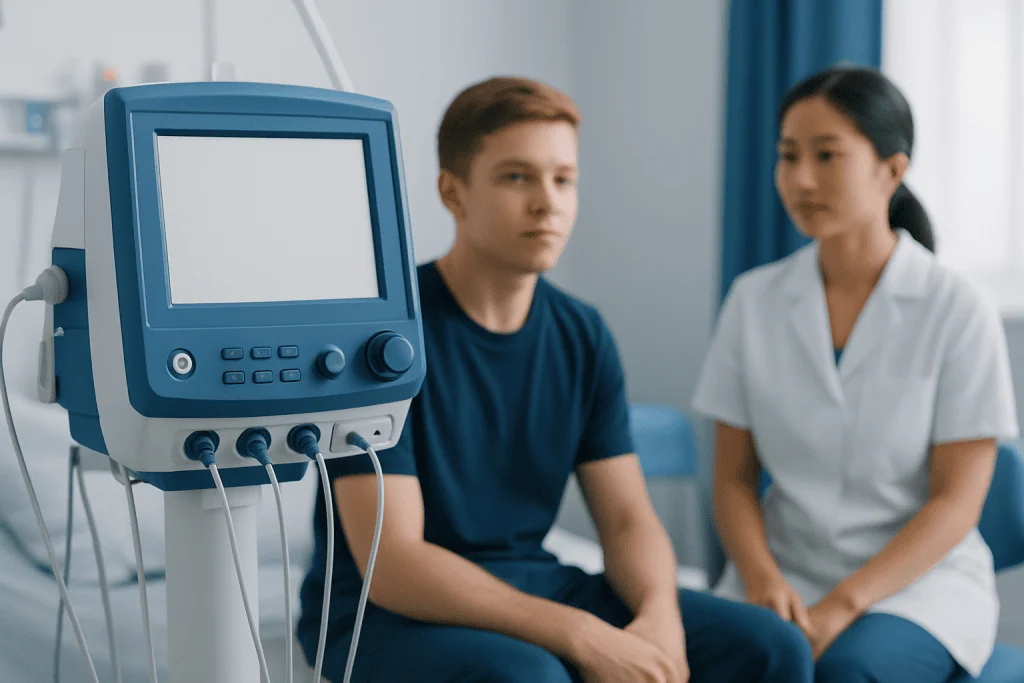
PDA repair can be considered in infants, children, and adults. In premature babies, the ductus may remain open because the body is not yet ready to close it. Some premature infants are monitored closely, while others may receive medication or need a procedure if the PDA affects breathing, circulation, feeding, or growth.
In older children and adults, a PDA may be found during investigation of a heart murmur, exercise intolerance, shortness of breath, palpitations, or an abnormal echocardiogram. PDA repair in adults is possible and is commonly performed by catheter when the anatomy is suitable. Adults are assessed carefully for <a href="https://acibademinternational.com/diseases/pulmonary-hypertension/”>pulmonary hypertension and other heart conditions before closure is planned.
The right PDA repair age is therefore not a single number. Timing is individualized. Specialists consider body weight, PDA size and shape, symptoms, heart chamber enlargement, lung pressure, and whether another congenital heart procedure is needed. An echocardiogram is central to this assessment, and additional tests may be advised for complex cases.
- Premature infants with a PDA causing significant circulation or breathing problems may need earlier treatment.
- Full-term babies and children with a moderate or large PDA are often considered for closure once it is safe and appropriate.
- Adults with a previously undiagnosed PDA may benefit from repair when the PDA causes significant blood flow, heart changes, or other complications.
How PDA repair works: catheter closure and surgery

Most PDA repairs are performed with transcatheter closure. During this minimally invasive procedure, a specialist guides a thin, flexible tube through a blood vessel, usually from the groin, to the PDA. A small closure device, such as a plug or coil, is placed inside the vessel to block abnormal blood flow. The device remains in place and tissue gradually grows around it.
Catheter closure is usually performed with imaging guidance and sedation or general anesthesia, depending on age and individual needs. It avoids an incision between the ribs and is often associated with a shorter hospital stay. The care team checks that the device is stable and that blood flow in nearby vessels is not obstructed before completing the procedure. This approach may be discussed as PDA treatment when it is suitable.
Surgical closure may be recommended if a baby is too small for a catheter device, if the PDA anatomy is not suitable for device closure, or if the patient is already having another heart operation. Through an incision on the left side of the chest, the surgeon closes the ductus with a clip, stitches, or a division and closure technique. In many isolated PDA operations, surgery does not require opening the heart itself or using a heart-lung machine.
PDA repair procedure: step by step
Before PDA repair, the clinical team reviews echocardiography findings, medical history, medicines, allergies, and any recent illness. Blood tests, an electrocardiogram, chest imaging, or cardiac catheterization may be needed in selected patients. Parents or adult patients receive instructions about fasting, regular medicines, anesthesia, and arriving at the hospital.
For catheter-based repair, anesthesia or sedation is given first. The clinician inserts a catheter into a blood vessel and uses X-ray imaging and contrast dye to view the PDA. A measuring balloon or imaging assessment may help select the correct device size. The closure device is released only after its position and the surrounding blood flow have been checked carefully.
For surgical PDA repair, the patient receives general anesthesia. The surgeon reaches the PDA through the chest, identifies the vessel, and closes it securely. After either approach, the patient is monitored for heart rhythm, breathing, blood pressure, circulation in the access leg or arm, pain control, and signs of bleeding. An echocardiogram is often performed before discharge or at follow-up to confirm successful closure.
What is the recovery time for PDA surgery?
Recovery time after PDA surgery varies by age, the reason for treatment, and whether closure was performed by catheter or through a chest incision. After uncomplicated catheter closure, many children and adults go home the same day or after an overnight stay. Mild groin soreness, bruising, tiredness, or temporary discomfort can occur for several days.
After surgical PDA repair, hospital recovery is generally longer. Many otherwise healthy children recover sufficiently for discharge within a few days, while premature infants or people with other medical needs may require longer monitoring. Chest incision discomfort usually improves steadily, but the full return to usual movement and activity can take several weeks.
Follow-up appointments are important after either approach. The care team may advise avoiding strenuous activity, contact sports, swimming, or heavy lifting for a period of time, particularly after surgery or catheter access. Instructions should always be tailored to the patient; families should contact the care team promptly if they notice fever, worsening pain, breathing difficulty, unusual swelling, or concerns at the wound or catheter site.
What is the success rate of PDA heart surgery?
PDA closure, whether performed with a catheter device or surgery, has a high likelihood of successfully closing an isolated PDA when it is carried out in an experienced congenital heart center. The exact outcome depends on the PDA’s size and shape, the patient’s age and weight, lung artery pressure, other heart conditions, and whether the person was born prematurely.
For most patients, follow-up imaging confirms that the PDA has closed and that the heart can begin to adapt to the reduced workload. A small residual leak can occasionally remain after repair; it may close over time or, less commonly, need additional evaluation or treatment. Device position and nearby blood vessels are also checked during follow-up.
Long-term outlook is usually very favorable after uncomplicated closure. Some people need only limited cardiology follow-up, while others require ongoing review because of pulmonary hypertension, another congenital heart difference, or an earlier complex medical history. The cardiologist can explain the expected results for the individual patient rather than relying on a single outcome figure.
How risky is PDA surgery?
All medical procedures have potential risks, but PDA repair is an established treatment and is planned carefully to reduce avoidable risk. The level of risk is not the same for every person. It may be higher in very premature babies, people with severe lung disease or pulmonary hypertension, and patients who have additional congenital heart conditions.
Possible catheter-closure risks include bruising or bleeding at the access site, temporary heart rhythm changes, movement of the closure device, narrowing of a nearby vessel, blood vessel injury, contrast reaction, or a small remaining leak. Rarely, a device needs to be retrieved or another procedure is needed. Radiation exposure is kept as low as reasonably achievable during image-guided procedures.
Possible surgical risks include bleeding, infection, anesthesia-related complications, breathing problems, injury to nearby structures such as nerves affecting the voice, and a residual PDA. Serious complications are uncommon but can occur, particularly in medically fragile infants. The specialist team discusses expected benefits, alternatives, and individual risks before consent is given.
Is PDA surgery considered heart surgery?
Yes. PDA surgery is considered congenital heart surgery because it treats a blood vessel connected to the heart and the major arteries. However, isolated surgical PDA closure is different from many operations that involve opening the chambers of the heart. It is often performed through the side of the chest and commonly does not require a heart-lung bypass machine.
Catheter PDA closure is also a heart procedure, but it is not open-heart surgery. It is performed by an interventional cardiologist using a catheter inserted through a blood vessel. The most suitable option depends on the patient’s anatomy and clinical needs, and both approaches are designed to stop abnormal blood flow through the ductus.
Care may involve pediatric or adult congenital cardiologists, interventional cardiologists, cardiac surgeons, anesthesiologists, imaging specialists, and nursing teams. Acibadem International’s multidisciplinary specialists and JCI-accredited hospitals assess and treat congenital heart conditions, including PDA, for international patients.
When to seek medical care
Parents should arrange medical assessment if a baby has persistent feeding difficulties, poor weight gain, fast breathing, sweating with feeds, unusual tiredness, or recurrent chest infections. These symptoms can have many causes, but they should be evaluated, especially when a heart murmur or known PDA is present.
Children and adults should seek clinical advice for unexplained breathlessness, reduced exercise tolerance, palpitations, chest discomfort, fainting, or leg swelling. Anyone with severe breathing difficulty, blue or gray lips or skin, fainting, or sudden chest pain should seek urgent emergency care.
After PDA repair, scheduled follow-up is essential even when the patient feels well. A doctor can determine whether activity restrictions, temporary medication, dental-procedure precautions, or further echocardiograms are needed. People should not stop prescribed medicines or delay review because symptoms have improved.
Frequently asked questions
What is PDA repair?
PDA repair is a procedure to close a patent ductus arteriosus, a blood vessel that remains open after birth. It can be closed using a device delivered through a catheter or with a surgical operation, depending on the patient’s size, anatomy, and health.
Can a PDA close without surgery?
In some babies, especially shortly after birth, a PDA can close on its own. Premature infants may sometimes be treated with medicine to encourage closure, but not every PDA responds. Older children and adults with a persistent PDA are more likely to need monitoring or procedural closure if it is clinically significant.
How long does a PDA repair procedure take?
The procedure length varies with the repair method and the complexity of the PDA. Catheter closure often takes a few hours including preparation and recovery time, while surgical repair may take longer because of anesthesia and postoperative monitoring. The treating team can give a more individualized estimate.
Will there be a scar after PDA repair?
Catheter closure usually leaves only a small mark at the catheter entry site, often in the groin. Surgical repair leaves an incision scar on the side of the chest. Scar appearance changes over time, and the care team can advise on safe wound and scar care after healing.
Can adults have PDA repair?
Yes. PDA repair in adults can be appropriate when a PDA causes significant abnormal blood flow, enlargement of heart chambers, symptoms, or other complications. Adults need a careful assessment, particularly of lung artery pressure and any other congenital or acquired heart conditions.
Is life normal after PDA repair?
Many people with an uncomplicated, successfully closed PDA lead active lives with no major limitations. The need for follow-up and activity guidance depends on the repair result and whether other heart or lung conditions are present. A cardiologist can confirm when normal activities are appropriate.
References
- American Heart Association
- American College of Cardiology
- Centers for Disease Control and Prevention
- National Heart, Lung, and Blood Institute
- European Society of Cardiology
This article is for general information only and is not a substitute for professional medical advice. Please consult a qualified doctor about your individual situation.
Explore treatments in Turkey — costs, top hospitals & a free quote
JCI-accredited · board-certified surgeons · reply within 24h
Add us as a Preferred Source to see more of our trusted health content across Google Search, AI Overviews and Discover.