Pdo Threads: An Evidence-Based Guide for Patients

Pdo threads are absorbable sutures used for a temporary lifting and tightening effect. They work best for mild to moderate skin laxity, not severe sagging.
Key Takeaways
- Pdo threads are absorbable sutures used for a temporary lifting and tightening effect.
- They work best for mild to moderate skin laxity, not severe sagging.
- Common short-term effects include swelling, bruising, tenderness, and mild asymmetry during healing.
- Results vary by thread type, treatment area, skin quality, and practitioner experience.
- A qualified medical assessment is important to review risks, alternatives, and expected outcomes.
Pdo threads are dissolvable sutures placed under the skin to create a subtle lifting effect and stimulate collagen over time. For many patients, they are a minimally invasive option for mild to moderate skin laxity, but results are temporary and depend on careful patient selection and expert technique.
Overview: What pdo threads are and what they do
Pdo threads are fine, dissolvable sutures made from polydioxanone, a material that has long been used in medicine. In aesthetic practice, they are placed under the skin to provide a modest mechanical lift and to support collagen production as the threads gradually dissolve. Patients often ask whether pdo threads truly “lift” the face; the most evidence-based answer is that they can create a subtle, temporary improvement in selected areas, especially when skin looseness is mild to moderate.
They are commonly used on the cheeks, jawline, lower face, neck, and sometimes the brows. Smooth threads are mainly used for skin support and texture-focused rejuvenation, while barbed or cog threads are designed to anchor tissue and create more visible lifting. Results are not the same as surgery, and pdo threads are generally not intended to replace a facelift when there is more advanced sagging.
This treatment is usually performed in an outpatient setting under local anesthesia or numbing measures. Most sessions are relatively short, and many people return to normal routines within a few days, although visible swelling or bruising may last longer. As with any cosmetic procedure, realistic goals and a clear discussion of risks are essential.
Who may be a good candidate
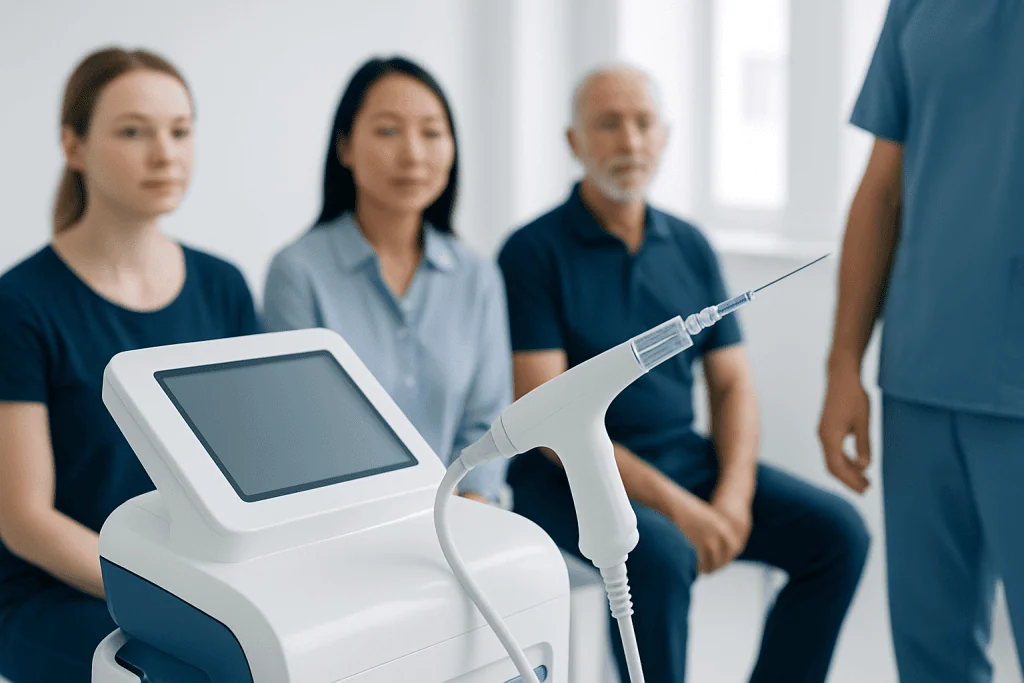
Pdo threads are usually considered for adults who want a less invasive option for early signs of facial or neck laxity. The best candidates often have mild jowling, slight drooping in the cheeks, softening along the jawline, or mild loss of contour. Good skin quality and realistic expectations are important because the result is usually subtle rather than dramatic.
People may be less suitable if they have very thin or very heavy skin, significant sagging, active skin infection, uncontrolled medical conditions, bleeding problems, or certain autoimmune or connective tissue disorders. A history of poor wound healing or a tendency to form problematic scars may also affect the decision. Patients taking blood-thinning medicines or supplements may need an individualized plan, guided by their doctor.
A thorough consultation should include an examination of facial anatomy, skin thickness, degree of laxity, prior cosmetic procedures, and goals. In some cases, alternatives such as botulinum toxin treatment, dermal fillers, energy-based skin tightening, or surgery may offer a better match. For patients whose main concern is skin quality rather than tissue descent, a thread-based lift may not be the most effective first choice.
How the procedure works and what to expect on the day

During a pdo thread procedure, the treatment area is cleaned and marked. After local numbing, the clinician inserts the threads beneath the skin using a fine needle or cannula. Once the thread is positioned, the device is removed and the thread remains under the skin. If barbed threads are used, they may gently engage the tissue to create lift and support.
The exact technique depends on the area being treated, the type of thread, and the treatment goal. Some patients receive smooth threads to improve skin firmness gradually, while others receive lifting threads to reposition mild sagging. A combination approach may be used in selected cases, sometimes alongside other non-surgical treatments after medical evaluation.
Most people feel pressure, pulling, or mild discomfort rather than significant pain. The face may look slightly overcorrected immediately after treatment because of swelling and tissue adjustment. Small entry points, temporary dimpling, or mild irregularity can occur early in recovery and often improve as healing progresses.
After the procedure, patients are usually given instructions to limit excessive facial movement, avoid vigorous exercise for a short period, sleep with the head elevated, and be gentle with skincare and chewing. Following aftercare advice can reduce the chance of thread movement, irritation, or prolonged swelling.
Benefits, limitations, and expected results
The appeal of pdo threads is that they can offer a minimally invasive approach with limited downtime. Many patients value the possibility of subtle contour improvement without surgical incisions or general anesthesia. In addition to the initial lift, collagen stimulation may contribute to a firmer appearance over the following weeks and months.
At the same time, it is important to understand the limitations. Results are temporary, and they tend to be more modest than those of surgery. The treatment does not remove excess skin, restore large amounts of lost volume, or correct more advanced facial aging. Individuals seeking a major change may feel disappointed if they expect surgical-level lifting from threads alone.
Longevity varies from person to person. It depends on the type and number of threads, the treatment area, tissue quality, age-related changes, and lifestyle factors such as sun exposure and smoking. Patients should also know that asymmetry can still be present if the face was naturally uneven before treatment, and not every irregularity is caused by the threads themselves.
For some people, combining treatments gives a more balanced result. For example, volume loss may be addressed with fillers, dynamic wrinkles may respond to neuromodulators, and significant laxity may require surgery. A careful plan helps match the treatment to the problem rather than relying on one procedure to solve everything.
Risks, side effects, and possible complications
Like all medical procedures, pdo threads carry risks. Common short-term effects include tenderness, swelling, bruising, tightness, and mild asymmetry. Some patients notice puckering or dimpling at first, especially where lifting threads are placed. These effects often improve during the healing phase, but they should still be discussed before treatment.
Less common but more important complications can include infection, visible or palpable threads, thread migration, prolonged pain, skin irregularity, contour distortion, or the thread becoming exposed through the skin. In rare cases, injury to deeper structures may occur. Because facial anatomy is complex, treatment should be performed by a qualified clinician with appropriate training and a detailed understanding of the treatment area.
Patients should seek medical assessment if redness worsens, swelling becomes severe, there is fever, pus, increasing pain, or the skin looks pale, dusky, or compromised. A pulled or distorted expression that does not gradually improve also deserves review. Early evaluation can help identify whether the issue is part of normal healing or a complication that needs treatment.
Individuals with a history of cosmetic procedures should tell their doctor about prior fillers, facial surgery, skin treatments, and thread procedures. This information matters because existing scar tissue, altered anatomy, or prior material under the skin may affect both safety and the final result. When concern exists about another skin problem, a review for skin cancer or other dermatologic conditions may be appropriate before cosmetic treatment proceeds.
Recovery, aftercare, and self-care
Recovery after pdo threads is usually measured in days to a few weeks rather than months, but healing is still a process. Patients often experience a sensation of tightness, mild pulling, or tenderness during facial movements. Bruising and swelling may be more visible during the first several days and usually improve gradually.
Doctors commonly advise avoiding strenuous exercise, wide mouth opening, heavy chewing, facial massage, and sleeping on the side for a short period after treatment. Gentle cleansing and skincare are generally preferred while the entry points heal. Makeup may be delayed briefly depending on the area treated and the clinician’s instructions.
Self-care can support a smoother recovery. Helpful steps may include protecting the skin from sun exposure, avoiding smoking, staying hydrated, and following all aftercare guidance. Patients should not try to manipulate the threads by pressing, rubbing, or massaging the area unless specifically instructed to do so.
If a patient is unhappy with early swelling, unevenness, or puckering, it is often best to wait for the planned follow-up unless symptoms are worsening. Immediate post-procedure appearance does not always reflect the final outcome. Follow-up visits allow the clinician to check healing, assess symmetry, and decide whether any adjustment or additional treatment is appropriate.
Alternatives to pdo threads
Pdo threads are only one option within facial rejuvenation. Alternatives depend on the person’s goals, anatomy, downtime preferences, and the degree of laxity. When the main concern is mild volume loss or contour change rather than skin descent, injectable fillers may be more useful. When expression lines are the concern, muscle-relaxing injectables may be more suitable.
For patients with more advanced skin laxity, surgery often provides the most effective and durable correction. A consultation may include discussion of procedures such as facial lift surgery or, for selected individuals with neck concerns, a targeted neck-lifting approach. If the concern is mainly texture, skin quality, or acne scarring, resurfacing or dermatologic treatments may be considered instead.
Choice of treatment should be individualized rather than trend-driven. A procedure that is popular on social media may not be the best option for a given face or skin type. An evidence-based consultation focuses on anatomy, expected benefit, duration of effect, safety, and whether the likely result aligns with the patient’s priorities.
Near the end of the decision process, patients may benefit from asking practical questions: what result is realistically achievable, how long it may last, what risks are most relevant to them, and what backup plan exists if the outcome is limited or a complication occurs. This shared decision-making approach supports safer and more satisfying care.
When to seek medical care
Medical review is important if symptoms do not follow the expected recovery pattern. Patients should contact a qualified doctor promptly if they develop increasing redness, warmth, fever, drainage, severe pain, or sudden worsening swelling. These may suggest infection or another complication that needs timely assessment.
Urgent evaluation is also appropriate if the skin becomes very pale, dark, blistered, or intensely painful, or if a thread becomes visible through the skin. Persistent facial weakness, marked asymmetry, or difficulty opening the mouth should also be assessed. Although serious complications are uncommon, they should not be ignored.
Anyone considering pdo threads should also seek a professional consultation before treatment if they have significant medical conditions, take anticoagulants, are pregnant, have a history of recurrent skin infections, or have had previous facial procedures. When treatment is being considered abroad, it is especially helpful to choose a center with coordinated follow-up. Acibadem International’s multidisciplinary specialists and JCI-accredited hospitals diagnose and treat patients seeking aesthetic and reconstructive care, including evaluation of whether thread lifting or another option is more appropriate.
Frequently asked questions
Are pdo threads safe?
Pdo threads can be safe in properly selected patients when they are placed by a qualified medical professional using appropriate technique. However, they are still a medical procedure and can cause side effects or complications such as bruising, infection, asymmetry, or thread visibility.
How long do pdo threads last?
The threads themselves gradually dissolve over time, while the visible effect may last longer because of tissue support and collagen stimulation. Results vary widely and are influenced by the type of thread, treatment area, skin quality, age-related changes, and lifestyle factors.
Do pdo threads hurt?
Most patients describe discomfort as pressure, pulling, tightness, or soreness rather than severe pain. Numbing measures are usually used, and some tenderness can continue for several days after the procedure.
Can pdo threads replace a facelift?
Usually not. Pdo threads may help with mild to moderate skin laxity, but they do not provide the same degree or durability of correction as facelift surgery for significant sagging or excess skin.
What are the most common side effects after a thread lift?
Common short-term effects include swelling, bruising, tenderness, dimpling, tightness, and temporary unevenness. These often improve as healing progresses, but worsening symptoms should be reviewed by a doctor.
Who should avoid pdo threads?
People with active infection, significant skin disease in the treatment area, uncontrolled medical conditions, certain bleeding disorders, or unrealistic expectations may not be good candidates. A doctor should also review any history of prior facial procedures, poor wound healing, or use of blood-thinning medicines.
This article is for general information only and is not a substitute for professional medical advice. Please consult a qualified doctor about your individual situation.
Explore treatments in Turkey — costs, top hospitals & a free quote
JCI-accredited · board-certified surgeons · reply within 24h
Add us as a Preferred Source to see more of our trusted health content across Google Search, AI Overviews and Discover.

More from the Health Library

Probiotics for Bloating: An Evidence-Based Guide for Patients
Dental Cleaning — Explained by Medical Evidence, Not Myths

Fennel Seeds: A Complete Medical Overview

Underarm Ingrown: An Evidence-Based Guide for Patients

Frailty: An Evidence-Based Guide for Patients