Frailty: An Evidence-Based Guide for Patients

Frailty is a recognized health condition marked by reduced reserve, strength, and resilience. Common signs include unintentional weight loss, weakness, slow walking speed, fatigue, and lower activity levels.
Key Takeaways
- Frailty is a recognized health condition marked by reduced reserve, strength, and resilience.
- Common signs include unintentional weight loss, weakness, slow walking speed, fatigue, and lower activity levels.
- Frailty can be influenced by chronic illness, poor nutrition, reduced mobility, medications, and social factors.
- Assessment usually combines medical history, physical function, nutrition, cognition, and medication review.
- Exercise, nutrition support, management of underlying conditions, and fall prevention are central parts of care.
- Early medical attention is important if frailty leads to falls, rapid decline, confusion, or difficulty with daily activities.
Frailty is a medical syndrome in which the body becomes less resilient to stress, illness, or injury, making recovery slower and complications more likely. It is not an inevitable part of aging, and careful assessment plus personalized care can often improve strength, function, and quality of life.
What frailty means
Frailty is a clinical syndrome in which a person has less physical and sometimes mental reserve to cope with everyday stressors such as infection, surgery, a medication change, or even a minor fall. In practical terms, this means the body has a harder time bouncing back. A person with frailty may become tired more easily, walk more slowly, lose weight without trying, or need more help with daily activities than before.
Frailty is most often discussed in older adults, but it is not simply another word for aging. Many people age without becoming frail, and frailty can sometimes improve when contributing factors are identified and treated. This is one reason doctors pay close attention to early changes in strength, mobility, appetite, memory, and independence.
Clinicians often think of frailty as a whole-body issue rather than a single disease. It can involve muscles, nutrition, balance, brain function, hormones, and the immune system. Because it touches many parts of health at once, frailty is best approached with a broad, personalized plan rather than one treatment alone.
How frailty can affect daily life
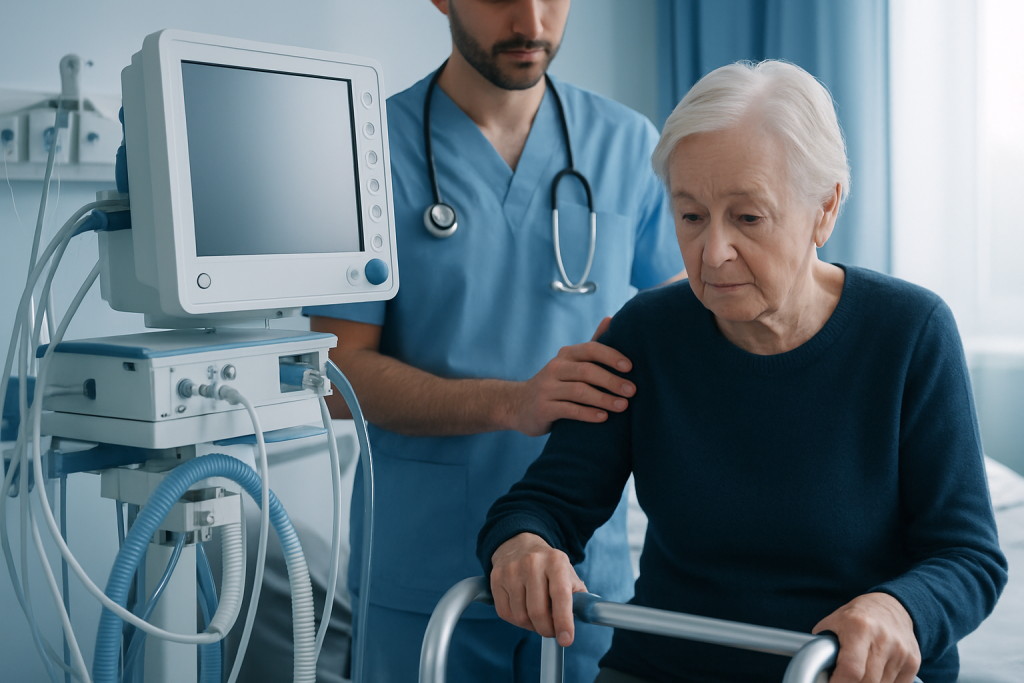
Frailty may show up gradually. A person who once managed stairs, shopping, or social activities comfortably may begin to avoid them because of tiredness, weakness, or fear of falling. Daily routines can take longer, and recovery after a cold, hospitalization, or injury may be slower than expected.
Frailty also matters because it can increase the chance of complications. People with frailty may be more vulnerable to falls, disability, hospital admission, medication side effects, and loss of independence. This does not mean these outcomes are certain; rather, it means the person may need closer support and a more careful treatment plan.
Families sometimes notice subtle changes first, such as reduced appetite, more daytime sleepiness, slower walking, less confidence outdoors, or withdrawal from usual activities. These changes are worth discussing with a doctor because early action can be meaningful. Frailty often overlaps with conditions such as Parkinson’s disease or Alzheimer’s disease, but it can also occur without them.
Symptoms and signs of frailty

Frailty does not look exactly the same in every person, but several signs are commonly used in assessment. These include unintentional weight loss, muscle weakness, exhaustion, slow walking speed, and low physical activity. Some people also have balance problems, repeated falls, reduced grip strength, or greater difficulty recovering after illness.
Other symptoms can include poor appetite, reduced endurance, lower confidence when moving around, and increasing need for help with dressing, bathing, cooking, or managing medicines. Frailty may also affect thinking and mood. For example, memory changes, low mood, social isolation, or confusion during illness can make frailty more noticeable and more challenging to manage.
Because symptoms can overlap with other health conditions, it is important not to assume that every change is caused by frailty alone. Doctors often look for treatable contributors such as anemia, infection, dehydration, depression, thyroid disease, vitamin deficiencies, heart or lung disease, and medication effects.
- Unplanned weight loss
- Weakness or reduced grip strength
- Fatigue or low energy
- Slow walking or difficulty rising from a chair
- Falls or fear of falling
- Reduced activity and independence
Causes and risk factors
Frailty usually develops through a combination of factors rather than a single cause. Aging changes in muscle mass and energy balance can play a role, but chronic diseases often add to the burden. Conditions affecting the heart, lungs, brain, joints, kidneys, and hormones may gradually reduce strength and resilience over time.
Nutrition is especially important. Inadequate protein intake, poor appetite, dental problems, swallowing difficulty, and vitamin deficiencies can all contribute to muscle loss and weakness. Long periods of inactivity, bed rest, and repeated hospital stays may accelerate decline. This is one reason rehabilitation and early movement after illness are so valuable.
Medication burden can also matter. Taking many medicines at once increases the risk of dizziness, sedation, low blood pressure, appetite changes, and confusion. Social factors are just as important: loneliness, limited finances, difficulty accessing healthy food, and unsafe home environments can worsen frailty. Some people have related bone and balance problems, including osteoporosis, which may increase the impact of falls.
How doctors diagnose and assess frailty
There is no single blood test that confirms frailty. Diagnosis is usually based on a structured clinical assessment that looks at physical function, medical conditions, nutrition, mental health, cognition, medications, and social support. Doctors may ask about weight change, tiredness, falls, walking ability, and how well the person manages daily tasks.
Simple tools may be used in clinic, such as gait speed, grip strength, sit-to-stand testing, or questionnaires that measure function and vulnerability. In older adults, a comprehensive geriatric assessment may be recommended. This broader review helps identify what is driving frailty and which problems are most treatable.
Tests are often chosen to look for underlying causes or complications. These may include blood tests, nutrition assessment, medication review, and imaging if there is concern about injury, severe balance problems, or another disease. If dizziness, falls, or walking difficulty are present, doctors may recommend a detailed rehabilitation assessment or physical therapy and rehabilitation plan to measure strength, balance, and mobility safely.
Treatment and supportive care
Frailty treatment focuses on improving function, preventing complications, and addressing the causes that can be changed. Exercise is one of the most effective parts of care, especially programs that include resistance training, balance work, and walking practice tailored to the person’s ability. Even small, steady gains in strength and confidence can make daily life safer and easier.
Nutrition support is another key part of treatment. A doctor or dietitian may review calorie and protein intake, chewing or swallowing problems, hydration, and vitamin status. Treating underlying medical issues such as depression, thyroid disease, heart failure, pain, or infection can also improve energy and function. In some cases, support from geriatric rehabilitation helps bring together exercise, nursing care, and practical strategies for independence.
Medication review is often essential. Reducing unnecessary medicines and adjusting those that cause dizziness, sleepiness, or low blood pressure may lower fall risk and improve alertness. If weakness or instability is contributing to repeated falls, structured balance and coordination rehabilitation may be part of a broader plan. Care works best when it is individualized, realistic, and reviewed regularly over time.
Prevention and self-care strategies
Frailty cannot always be prevented, but many people can lower their risk or slow progression. Regular physical activity is one of the most important protective steps. Strength exercises, balance training, walking, and flexibility work can help preserve muscle mass, mobility, and confidence. A clinician can advise on what level of activity is safe, especially after illness or if falls have occurred.
Eating enough protein and calories, staying hydrated, and correcting nutrition problems can support strength and recovery. It can also help to keep chronic diseases well managed, attend regular medication reviews, and treat hearing, vision, sleep, or dental issues that may indirectly affect eating and movement. Social connection matters too, since isolation can reduce activity, appetite, and motivation.
Home safety measures can reduce fall risk. Useful steps may include better lighting, removal of loose rugs, supportive footwear, handrails, and assistive devices when needed. For some people, care may involve several specialists. Acibadem International’s multidisciplinary teams in JCI-accredited hospitals evaluate frailty and related conditions for international patients, helping coordinate medical, nutritional, and rehabilitation support.
When to seek medical care
Medical advice should be sought if a person develops unexplained weight loss, repeated falls, growing difficulty walking, worsening fatigue, or new dependence in daily activities. These changes do not always mean frailty, but they deserve assessment because treatable causes are common. Earlier evaluation can also reduce the risk of further decline.
Prompt medical care is especially important after a fall, sudden confusion, fainting, chest symptoms, shortness of breath, dehydration, or a rapid drop in mobility. Families should also arrange review if the person is eating very little, seems unusually drowsy, or has become unable to manage medicines or personal care safely.
If surgery or a major treatment is being planned, asking about frailty assessment can be helpful. Knowing whether frailty is present allows the care team to prepare a safer recovery plan with nutrition support, rehabilitation, and closer follow-up.
Frequently asked questions
Is frailty the same as normal aging?
No. Frailty is a medical syndrome involving reduced resilience, strength, and reserve, while aging is a natural process that affects everyone differently. Many older adults are not frail, and some aspects of frailty can improve with proper assessment and care.
Can frailty be reversed?
In some people, frailty can improve, especially when it is identified early. Exercise, better nutrition, treatment of underlying illness, medication review, and fall prevention can all make a meaningful difference.
Who is most at risk of frailty?
Risk tends to be higher in older adults, especially those with chronic illness, low physical activity, poor nutrition, repeated hospital stays, or multiple medications. Social isolation, depression, and difficulty accessing care or healthy food may also increase risk.
How is frailty tested?
Doctors usually assess frailty using a combination of medical history, physical performance, nutrition review, and evaluation of daily functioning. There is no single test, so assessment is often broader than a standard checkup.
What kind of exercise helps with frailty?
Programs that include strength training, balance exercises, and walking practice are often most helpful. The right plan depends on the person’s health, mobility, and fall risk, so professional guidance is important.
When should family members worry about frailty?
Family members should arrange medical review if they notice repeated falls, unplanned weight loss, marked tiredness, slower walking, confusion during illness, or increasing difficulty with daily activities. These changes may be gradual, but they should not be ignored.
References
- World Health Organization
- National Institute on Aging
- Centers for Disease Control and Prevention
- British Geriatrics Society
- American Geriatrics Society
This article is for general information only and is not a substitute for professional medical advice. Please consult a qualified doctor about your individual situation.
Explore treatments in Turkey — costs, top hospitals & a free quote
JCI-accredited · board-certified surgeons · reply within 24h
Add us as a Preferred Source to see more of our trusted health content across Google Search, AI Overviews and Discover.
Check your numbers in seconds
BMI, calories, due date, blood pressure and 30+ more clinical calculators — free, instant, doctor-reviewed ranges.

More from the Health Library

Yellow From Eyes — Explained by Medical Evidence, Not Myths

Boil on Face — Explained by Medical Evidence, Not Myths

PTSD: A Complete Medical Overview
Sertraline Withdrawal: A Complete Medical Overview

Bump Inside the Virgina: An Evidence-Based Guide for Patients