Pediatric Asthma: Triggers, Inhalers, and When to Seek Care

Pediatric asthma can cause coughing, wheezing, chest tightness, and trouble breathing that may come and go. Common triggers include viral infections, allergens, exercise, smoke, cold air, and air pollution.
Key Takeaways
- Pediatric asthma can cause coughing, wheezing, chest tightness, and trouble breathing that may come and go.
- Common triggers include viral infections, allergens, exercise, smoke, cold air, and air pollution.
- Treatment often includes quick-relief inhalers and, for some children, daily controller medicines.
- A spacer, correct inhaler technique, and an asthma action plan can improve symptom control.
- Parents should seek urgent medical care if a child has severe breathing difficulty, bluish lips, or trouble speaking.
Pediatric asthma is a long-term condition that causes the airways to become inflamed and narrow, leading to cough, wheezing, and shortness of breath. With the right treatment plan, trigger control, and regular follow-up, most children can stay active and feel well.
Overview of Pediatric Asthma
Pediatric asthma is a chronic respiratory condition that affects the airways in the lungs. In children with asthma, the airways are more sensitive than usual. When they are exposed to a trigger, the airway lining can become swollen, the muscles around the airways can tighten, and extra mucus may form. This combination makes it harder for air to move in and out of the lungs.
Asthma in children can vary from mild and occasional to more frequent and disruptive. Some children mainly cough at night or during exercise, while others have obvious wheezing or shortness of breath. Symptoms may flare up during colds, seasonal allergy periods, or exposure to irritants such as cigarette smoke.
Although asthma cannot usually be cured, it can often be managed very effectively. The main goals are to reduce symptoms, prevent flare-ups, support normal sleep and school attendance, and help children take part in play and sports safely. Many children with asthma live full, active lives when the condition is recognized early and treated consistently.
Symptoms and Signs in Children
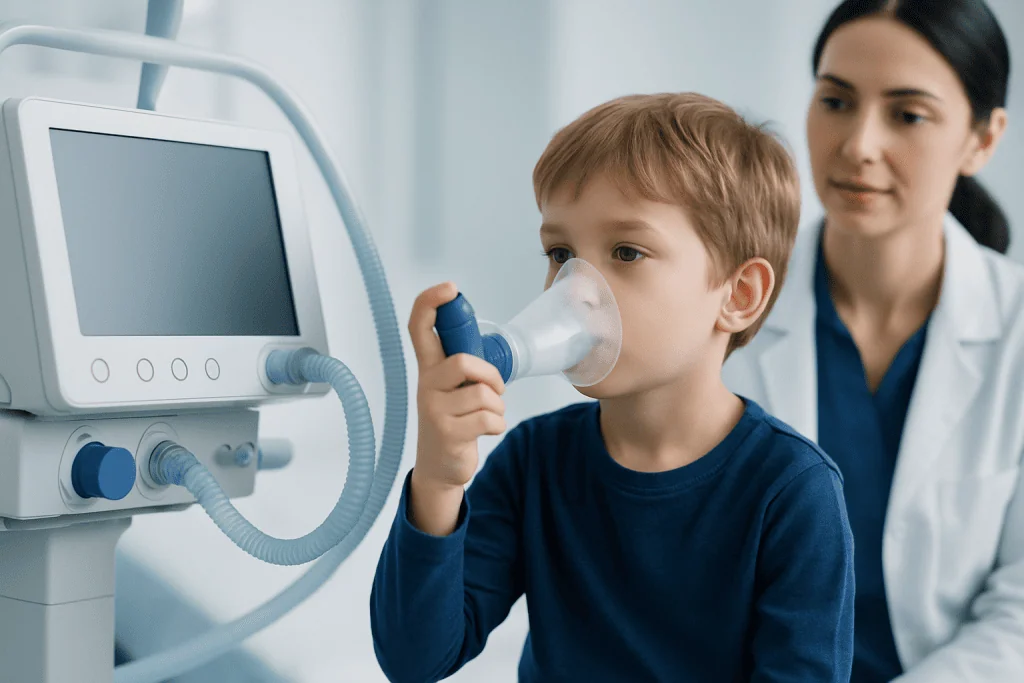
The symptoms of pediatric asthma do not always look the same in every child. A child may have a dry cough, especially at night, early in the morning, or after running. Others may make a whistling sound when breathing out, known as wheezing. Some children describe a tight feeling in the chest, while younger children may simply seem tired, irritable, or less active than usual.
Asthma symptoms can come and go. A child may seem completely well between episodes, especially if asthma is mild. However, repeated coughing, frequent chest infections, waking at night with breathing symptoms, or becoming short of breath during play may suggest that the airways are not fully under control.
Signs of a more serious asthma flare include fast breathing, sucking in of the skin between the ribs, flaring nostrils, difficulty speaking full sentences, or needing to sit upright to breathe. In infants and younger children, caregivers may notice poor feeding, unusual sleepiness, or reduced interest in play. These signs should not be ignored.
- Persistent or recurring cough
- Wheezing
- Shortness of breath
- Chest tightness or chest discomfort
- Symptoms during exercise, laughter, crying, or viral illnesses
- Night-time waking due to cough or breathing trouble
Causes and Common Triggers

The exact cause of pediatric asthma is complex and usually involves a mix of genetic and environmental factors. Children with a family history of asthma, eczema, or allergies may be more likely to develop it. The immune system and airway sensitivity also play important roles. Asthma is not caused by poor parenting or lack of fitness.
Many children have symptoms only when asthma is triggered. Viral respiratory infections are among the most common triggers in childhood. Allergens such as dust mites, pollen, pet dander, and mold can also irritate the airways. Non-allergic triggers may include tobacco smoke, air pollution, strong odors, weather changes, cold air, emotional stress, and exercise.
Some children have asthma along with other allergic conditions, such as hay fever or eczema. Reflux, obesity, and exposure to indoor irritants may also make asthma harder to control in some cases. Identifying a child’s individual triggers is a valuable part of treatment, because avoiding or reducing these exposures can lower the chance of flare-ups.
How Pediatric Asthma Is Diagnosed
Doctors diagnose pediatric asthma by combining the child’s symptoms, medical history, family history, physical examination, and, when age-appropriate, breathing tests. There is no single test that confirms asthma in every child. Instead, the diagnosis is based on a pattern of repeated symptoms and how the child responds to treatment over time.
In school-aged children, spirometry may be used to measure how well the lungs are working before and after an inhaled bronchodilator. Peak flow monitoring can sometimes help track airway narrowing at home or in clinic. In younger children, diagnosis can be more challenging because formal breathing tests may not be possible, so the doctor relies more heavily on history and examination.
The healthcare team may also consider whether another condition is causing similar symptoms. Depending on the situation, they may assess for allergies or look for problems such as recurrent infection, foreign body inhalation, or other airway disorders. Imaging is not routinely needed for straightforward asthma, but diagnostic imaging may be used if symptoms are unusual or another problem is suspected.
Treatment Options and How Inhalers Help
Treatment for pediatric asthma is usually tailored to how often symptoms happen and how severe they are. Most children use inhaled medicines because these act directly in the lungs. Quick-relief inhalers help open narrowed airways during symptoms or flare-ups. If a child has frequent symptoms or repeated attacks, the doctor may recommend a daily controller medicine, often an inhaled corticosteroid, to reduce airway inflammation over time.
Using the inhaler correctly is just as important as having the right medicine. Many children benefit from using a spacer device, which helps more medicine reach the lungs and less remain in the mouth or throat. Parents, children, and school caregivers should be shown the proper technique and have it checked regularly, since technique often changes over time.
For some children, asthma treatment also includes allergy management, treatment of related nasal symptoms, and plans for exercise. During severe flare-ups, extra treatment such as nebulized medicines, oxygen, or other emergency care may be needed. In specialized centers, a child with persistent or complex symptoms may be evaluated by experts in pediatric allergy and immunology or pediatric pulmonology to guide long-term care.
Families are often given an asthma action plan that explains daily treatment, early warning signs of worsening asthma, and what to do in an emergency. This written plan can be shared with schools and other caregivers so the child receives consistent care in different settings.
Prevention, Trigger Control, and Self-care
Good asthma control depends not only on medicine but also on reducing triggers. Families can take practical steps at home, such as keeping the child’s environment smoke-free, washing bedding regularly, reducing dust buildup, and managing mold or dampness. If pets appear to worsen symptoms, the child’s doctor can help determine the best approach. During high pollen periods, keeping windows closed at certain times and showering after outdoor play may help some children.
Respiratory infections are a frequent reason for asthma flare-ups, so general health habits matter. Hand hygiene, adequate sleep, balanced nutrition, and keeping routine vaccinations up to date may help lower illness-related symptoms. Children with exercise-related asthma can often still participate in sports, especially when symptoms are well controlled and pre-exercise treatment is used if recommended by a doctor.
Regular follow-up visits are important even when a child seems well. These appointments allow the healthcare team to review symptoms, adjust medicines, check inhaler technique, and update the child’s action plan. Parents should also watch for changes in how often quick-relief medicine is needed, as this can signal that asthma is not fully controlled.
When to Seek Medical Care
Parents should arrange a medical review if a child has repeated cough, wheezing, or breathlessness, especially if symptoms disturb sleep, limit exercise, or keep coming back after colds. A doctor should also reassess a child whose quick-relief inhaler is needed more often than expected, because this may mean the current treatment plan needs adjustment.
Urgent care is needed if a child is struggling to breathe, breathing very fast, using the muscles between the ribs or neck to breathe, or cannot talk, cry, or feed normally because of breathlessness. Bluish lips or face, marked drowsiness, confusion, or little improvement after quick-relief medicine are emergency warning signs. In these situations, families should seek immediate medical help.
Near the end of the care pathway, some families may benefit from specialist assessment for diagnosis confirmation, trigger evaluation, and longer-term management planning. Acibadem International’s multidisciplinary specialists in JCI-accredited hospitals diagnose and treat pediatric asthma for international patients, particularly when symptoms are complex or difficult to control.
Frequently asked questions
What is pediatric asthma?
Pediatric asthma is a long-term condition in which a child's airways become inflamed and overly sensitive. This can cause coughing, wheezing, chest tightness, and shortness of breath, especially when the child is exposed to triggers.
Can a child outgrow asthma?
Some children have fewer symptoms as they get older, and a few may appear to outgrow asthma for a time. However, airway sensitivity can persist, so symptoms may return later. Regular follow-up helps doctors monitor these changes and adjust treatment if needed.
What are the most common asthma triggers in children?
Common triggers include viral colds, dust mites, pollen, pet dander, mold, smoke, air pollution, cold air, and exercise. Not every child reacts to the same triggers, so it is helpful to keep track of when symptoms happen.
Are inhaled steroids safe for children?
When prescribed appropriately and used correctly, inhaled corticosteroids are a standard and effective treatment for many children with asthma. They are different from anabolic steroids and are used in much smaller doses targeted to the lungs. A doctor will aim to use the lowest effective dose and review treatment regularly.
Should a child with asthma avoid sports?
Usually not. With good asthma control and a treatment plan from a doctor, many children can safely take part in exercise and sports. If exercise triggers symptoms, the doctor may recommend steps such as a warm-up routine or medicine before activity.
When is asthma an emergency in a child?
Asthma is an emergency if the child is struggling to breathe, cannot speak or feed normally, has bluish lips, seems unusually sleepy, or does not improve after quick-relief medicine. In these situations, urgent medical care should be sought immediately.
References
- World Health Organization
- Global Initiative for Asthma
- American Academy of Pediatrics
- National Heart, Lung, and Blood Institute
- Centers for Disease Control and Prevention
This article is for general information only and is not a substitute for professional medical advice. Please consult a qualified doctor about your individual situation.
Asthma in Turkey — costs, top hospitals & a free quote
JCI-accredited · board-certified surgeons · reply within 24h
Add us as a Preferred Source to see more of our trusted health content across Google Search, AI Overviews and Discover.