Asthma Treatment
Asthma treatment focuses on controlling airway inflammation, preventing attacks and improving breathing through accurate diagnosis, inhaler therapy, trigger management and specialist follow-up for adults and children.
Quick answer
Asthma treatment is a structured medical approach to a long-term condition in which the airways become inflamed, sensitive and prone to narrowing. It combines regular anti-inflammatory controller medication, quick-acting reliever medication, trigger management and patient education. The plan is built from lung function tests, symptom patterns and allergy assessment, then adjusted step by step until symptoms, night waking and flare-ups are brought under control.
Asthma Symptoms, Causes and Treatment: What You Need to Know
Asthma is a long-term condition in which the airways inside the lungs become inflamed, sensitive and prone to sudden narrowing. Treatment works on two levels: it calms the underlying inflammation so that asthma symptoms occur less often, and it opens the airways quickly when symptoms do appear. Asthma treatment is for anyone, child or adult, whose recurring wheeze, cough, chest tightness or breathlessness has been traced back to this reactive airway pattern.
Asthma can be frightening because it affects something essential and constant: your ability to breathe. For some people, asthma symptoms amount to occasional wheezing during exercise or the pollen season. For others, they bring night-time coughing, chest tightness, repeated urgent-care visits, or the persistent worry that an attack may happen far from home. Parents often feel this most sharply when a child struggles to breathe, wakes coughing, or needs an inhaler at school.
Effective treatment is not simply about reaching for an inhaler when symptoms appear. Modern asthma care focuses on understanding why the airways are inflamed, identifying triggers, measuring lung function, selecting the right medication plan, and teaching you how to prevent attacks before they become dangerous. The goal is control: fewer symptoms, better sleep, safer activity, less reliance on rescue medication, and a lower risk of severe flare-ups.
Asthma is a chronic condition, and there is no treatment that removes it permanently. That is worth stating plainly, because it changes what a good outcome looks like. The realistic aim is a life in which asthma rarely intrudes: with well-controlled asthma, most people can work, travel, exercise, attend school and sleep without frequent respiratory symptoms. When asthma stays uncontrolled despite treatment, specialist review matters: the diagnosis may need confirming, inhaler technique may need correcting, triggers may be untreated, or a more advanced approach may be needed.
What is asthma?
Asthma is a chronic inflammatory disease of the breathing tubes, called the bronchi, that carry air in and out of the lungs. In asthma, the lining of these tubes is persistently inflamed and unusually reactive. When exposed to a trigger: an allergen, a respiratory infection, exercise, smoke, cold air, pollution, a workplace irritant, or stress: the airway walls swell, the glands produce extra mucus, and the muscle wrapped around the airways tightens. The passage narrows, and air moves with more effort and more noise. Among chronic respiratory diseases, asthma is one of the most common worldwide, affecting people of every age and in every climate.
Two features distinguish asthma from many other lung conditions: variability and reversibility. Symptoms come and go, often changing with the season, the time of day, or exposure to a trigger. And the narrowing is at least partly reversible: the airways can open again, either on their own or with medication. These two features are exactly what diagnostic tests are designed to demonstrate.
What is an asthma attack?
An asthma attack, clinicians call it an exacerbation or flare-up, is a period in which airway narrowing worsens sharply and symptoms escalate beyond the everyday pattern. Breathing becomes laboured, wheezing may be loud or, in severe narrowing, may fall quiet, speaking in full sentences becomes difficult, and reliever medication may give less relief than usual. Attacks range from mild episodes that settle with quick-relief treatment to severe events needing urgent hospital care. A central purpose of long-term asthma treatment is to make attacks rare, and every patient’s written action plan sets out how worsening symptoms are recognised and managed.
Asthma Symptoms: How the Condition Shows Itself
Asthma symptoms vary widely from person to person, and this variability is one reason the condition is under-recognised. Some people wheeze audibly; others never do. Some cough for months without breathlessness; others feel a tight band across the chest only when they run. Symptoms are often worse at night, in the early morning, during exercise, after laughing, in cold weather, or in the days after a respiratory infection. Because episodes come and go, it is easy to dismiss them, until the pattern is laid out and the shape of asthma becomes visible.
What are the five symptoms of asthma?
The five symptoms most often described are wheezing, shortness of breath, chest tightness, coughing, and difficulty exhaling fully. Wheezing is a whistling sound produced by air moving through narrowed tubes, usually heard on breathing out. Shortness of breath may appear with exertion or, in poorly controlled asthma, at rest. Chest tightness is often described as pressure or a band around the ribcage. Coughing tends to be dry, persistent and worse at night or in the early hours. The sense of incomplete exhalation, being unable to empty the lungs, reflects air trapped behind narrowed airways. You do not need all five for the diagnosis; a single persistent symptom with the right pattern can be enough to warrant testing.
How do asthma symptoms appear in children?
Children often show asthma differently from adults. Parents may notice fast breathing, repeated bronchitis-like episodes, coughing after running, difficulty keeping up with other children, unexplained tiredness, or visible pulling-in of the skin between the ribs during a respiratory illness. Some children simply avoid sport without being able to explain why. In very young children, diagnosis is more complex: formal lung function testing may not be feasible, and wheezing can accompany viral infections even in children who will never develop long-term asthma. Paediatric assessment therefore focuses on patterns over time, family history and other risk factors, response to a trial of treatment, and careful exclusion of other causes.
Night-time symptoms deserve particular attention in children. A child who coughs most nights, or who wakes short of breath, has a symptom pattern that should be assessed rather than attributed to repeated colds. Sleep disruption also affects concentration, mood and school performance, which is why controlling night symptoms is one of the clearest measures of successful treatment.
What can be mistaken for asthma?
Several conditions can produce symptoms that closely resemble asthma, and a careful diagnostic pathway exists precisely to tell them apart. Chronic obstructive pulmonary disease causes airflow limitation in older patients, particularly smokers, but responds differently to treatment. Vocal cord dysfunction produces noisy, effortful breathing that originates in the throat rather than the lungs. Bronchiectasis, recurrent aspiration, post-infectious airway sensitivity, medication side effects and anxiety-related breathing patterns can all mimic asthma symptoms. Repeated chest infections may also blur the picture; persistent or unusual infections are assessed in their own right, often with input from an infectious diseases team.
Breathlessness is not always a lung problem at all. Heart conditions, including coronary artery diseases, heart valve diseases and myocardial diseasescan cause shortness of breath, night waking and reduced exercise tolerance that patients understandably attribute to their chest. This is why the diagnostic work-up asks broad questions before narrowing to asthma: treating the wrong condition wastes time and leaves the real cause unaddressed.
What Causes Asthma?
There is no single cause of asthma. The condition arises from an interaction between inherited susceptibility and the environment a person breathes, particularly in early life. Some people carry a genetic tendency towards allergic inflammation; whether asthma actually develops, and how severe it becomes, depends on exposures such as viral respiratory infections in infancy, tobacco smoke, air pollution, allergens in the home, and occupational irritants in adulthood. Because the causes are layered, the condition also behaves differently in different people, which is why treatment is matched to the individual pattern rather than applied identically to everyone.
Is asthma genetic?
Asthma has a clear genetic component, but genes are not the whole story. The condition runs in families: a child with a parent who has asthma, eczema or allergic rhinitis is more likely to develop asthma than a child without that family history. Researchers have identified many genes that influence airway inflammation and immune responses, yet none of them determines asthma on its own. Environment decides whether an inherited tendency is expressed. Two siblings with the same parents may have very different outcomes depending on infections, exposures and, to some degree, chance. In practical terms: family history raises suspicion and justifies earlier assessment, but it neither confirms nor rules out the diagnosis.
How are allergy and asthma connected?
Allergy is one of the strongest threads running through asthma, though not every patient has it. In allergic asthma, the immune system treats harmless substances, pollen, dust mites, animal dander, moulds, as threats, and each exposure inflames the airways. Many patients with allergic asthma also have allergic rhinitis, sinus disease or eczema; the same immune tendency shows itself in different organs. This connection matters for treatment: identifying the responsible allergens allows targeted avoidance, allergy-directed medication and, in carefully selected patients, allergen immunotherapy. Treating nasal and sinus allergy often improves asthma control at the same time, because the upper and lower airways behave as one connected system.
Common asthma triggers
Triggers do not cause asthma, but they provoke symptoms in airways that are already sensitive. The most frequently identified triggers include:
- Allergenspollen, house dust mites, animal dander, moulds, cockroach exposure.
- Respiratory infectionscolds and flu are among the most common causes of flare-ups in both children and adults.
- Exerciseparticularly in cold, dry air.
- Tobacco smokeboth active smoking and secondhand exposure.
- Air qualitypollution, traffic fumes, indoor dampness.
- Weathercold air, sudden temperature changes, thunderstorms during pollen season.
- Workplace exposureschemicals, dusts, fumes, flour, cleaning agents, animal proteins.
- Strong odours and irritantsperfumes, sprays, paint fumes.
- Emotional stress and hard laughterthrough changes in breathing pattern.
- Refluxstomach acid irritating the airway in some patients.
Your personal trigger list is one of the most useful things asthma assessment produces. It converts a seemingly random condition into a pattern you can anticipate and, in many cases, avoid.
Types of Asthma and Who May Need Treatment
Anyone with recurring breathing symptoms should be evaluated for asthma, especially when symptoms vary over time or follow specific exposures. Asthma may begin in childhood, appear for the first time in adulthood, or return after years of quiet. Some patients are diagnosed after an emergency episode; others seek assessment because a chronic cough or shrinking exercise tolerance has slowly narrowed daily life. Treatment plans are then shaped by the type and severity of the disease.
Allergic asthma is driven by immune sensitivity to allergens such as pollen, dust mites, animal dander, moulds or cockroach exposure. Treatment may combine inhaled anti-inflammatory medication, environmental control, allergy medication and, in carefully selected patients, allergen immunotherapy. Because allergic asthma often travels with rhinitis and sinus disease, the whole airway is assessed, not just the chest.
Non-allergic asthma is triggered by infections, irritants, cold air, weather changes, strong odours, exercise or stress rather than classic allergens. These patients still have airway inflammation and often respond well to controller therapy, but pinning down triggers takes more detailed detective work, since standard allergy tests may come back clear.
Exercise-induced bronchoconstriction causes coughing, wheezing, chest tightness or breathlessness during or after physical activity. It can occur within chronic asthma or as a more isolated pattern in otherwise well people, including competitive athletes. With the right treatment strategy, most patients can remain active, stopping sport is rarely the answer, and usually the wrong one.
Occupational asthma is caused or worsened by workplace exposures: chemicals, dusts, fumes, flour, cleaning agents, animal proteins. Early recognition matters because continued exposure can entrench the disease. Evaluation may involve symptom diaries, lung function measurements timed against working days and days off, and practical recommendations for reducing exposure.
Severe asthma is asthma that remains uncontrolled despite high-level standard therapy and genuinely good adherence, or that worsens whenever treatment is stepped down. It must be distinguished from difficult-to-treat asthma, where the obstacle is poor inhaler technique, missed doses, ongoing smoking or an untreated associated condition. The distinction matters because some patients with true severe asthma are candidates for biologic medication targeting specific inflammatory pathways: an option that only makes sense once the simpler explanations have been ruled out.
Paediatric asthma requires age-appropriate diagnosis, medication selection, dosing and device choice, together with education for the whole family. Treatment planning takes in school participation, sport, sleep, growth monitoring, vaccination and clear written instructions for caregivers, so that the plan works in the child’s real life and not only in the consultation room.
Asthma during pregnancy needs careful management because uncontrolled symptoms affect both mother and baby. Many asthma medications can be used during pregnancy when clinically indicated, and preventing severe attacks is a priority throughout. Decisions are made by physicians familiar with both respiratory and obstetric considerations, weighing each choice for two patients at once.
How Asthma Is Diagnosed
Diagnosis begins with a detailed history and physical examination. Expect specific questions: when do symptoms occur, how often is rescue medication needed, do symptoms disturb sleep, what sets off episodes, have there been urgent-care visits, and is there a personal or family history of allergy, eczema, sinus disease or reflux. Every previous medication is reviewed, inhalers, oral steroids, antibiotics, along with any side effects. This conversation is not a formality; the pattern it reveals is often as informative as any test.
Testing then confirms and characterises what the history suggests. A typical diagnostic pathway includes:
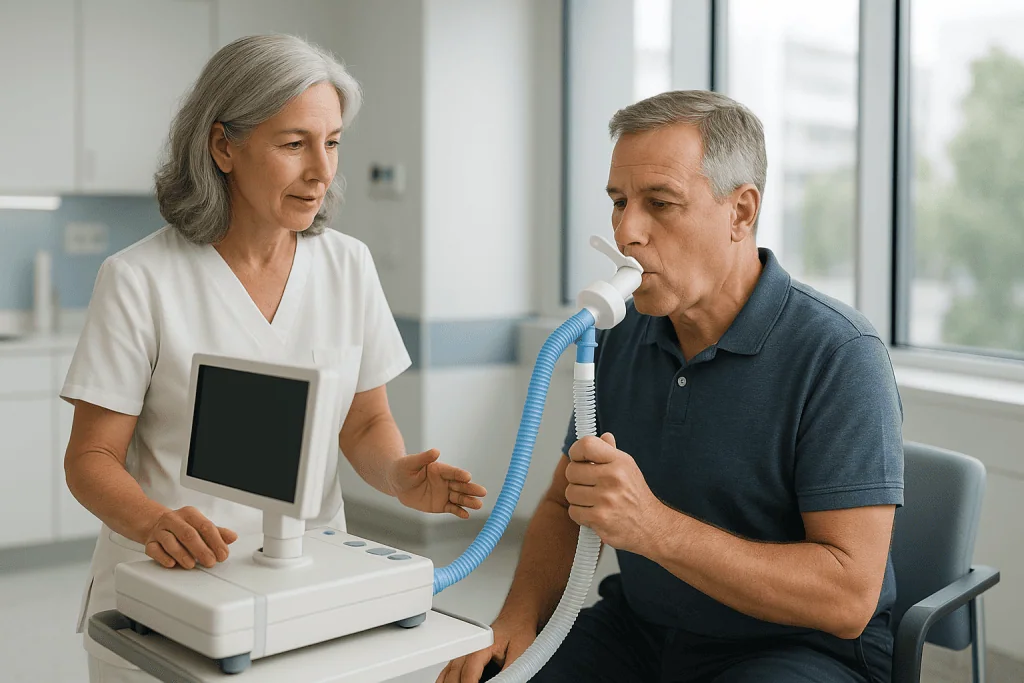
- Spirometrymeasuring how much air you can exhale and how fast, to detect airflow obstruction.
- Bronchodilator reversibility testingrepeating spirometry after inhaled bronchodilator; improvement supports the diagnosis of asthma.
- Peak flow monitoringtracking day-to-day variability at home, useful for showing the fluctuation that defines asthma.
- Fractional exhaled nitric oxide testingassessing a specific type of airway inflammation in selected patients.
- Allergy and blood testingskin or blood allergy tests, blood eosinophil levels and immunoglobulin E patterns to map the inflammatory profile.
- Challenge testingexercise or bronchial provocation testing when symptoms strongly suggest asthma but routine spirometry is normal.
Imaging such as chest X-ray or computed tomography is not needed for every patient. It is reserved for cases where symptoms are atypical, severe, recurrent or not responding as expected, and its main role is to look for a different diagnosis rather than to confirm asthma itself.
Evaluation is equally important when existing asthma medication is not working. Poor control has a limited list of usual explanations: incorrect inhaler technique, insufficient dosing, ongoing trigger exposure, untreated allergic rhinitis or sinusitis, smoking, obesity, gastro-oesophageal reflux, sleep apnoea, occupational exposure, or a different condition that resembles asthma. Working through this list systematically prevents the common mistake of simply escalating medication when the real problem lies elsewhere.
How Asthma Treatment Works, Step by Step
Asthma treatment follows a logical sequence: confirm the diagnosis, characterise the disease, build a plan, teach the plan, then adjust it over time. Here is how that sequence unfolds in practice.
Preparation and initial assessment
Before recommending any change in medication, the physician reviews your history, prior test results, current medicines, inhaler use, allergies, infections, environmental exposures and any emergency episodes. Wherever you are treated, bringing previous pulmonary function tests, imaging reports, hospital discharge notes, allergy results and an accurate medication list to the first consultation makes the assessment faster and more precise. The consultation deliberately keeps the question open, is this asthma, something alongside asthma, or something else entirely, before committing to a treatment direction.
You may be asked to avoid certain inhalers for a defined period before lung function testing, because some medicines mask the very airflow changes the test is looking for. Any such pause is decided by the treating doctor after weighing safety; it is never something to arrange on your own, particularly if symptoms are frequent or severe.
Asthma phenotyping: understanding your specific disease
Modern asthma care increasingly depends on characterising each patient’s inflammatory profile: the phenotype. Exhaled nitric oxide can point towards type 2 airway inflammation. Blood tests assess eosinophils and immunoglobulin E. Allergy testing identifies the environmental triggers worth targeting. For patients with severe or uncontrolled disease, physicians also evaluate the conditions that commonly travel with asthma and quietly undermine it: chronic rhinosinusitis, nasal polyps, reflux, obesity-related breathlessness, obstructive sleep apnoea, anxiety and dysfunctional breathing. Treating these companions often improves asthma control and can reduce the medication burden.
Building the treatment plan
A complete plan has three components: controller medication, reliever medication and trigger management. Controller medication is taken regularly to suppress inflammation and prevent symptoms, including on days when you feel entirely well. Reliever medication provides quick relief when symptoms break through. In some modern regimens, a single combination inhaler serves as both maintenance and reliever therapy. The exact strategy depends on your age, severity, risk factors and the physician’s assessment, and it is adjusted in steps: increased when control is inadequate (after checking diagnosis, triggers and technique first), and sometimes carefully reduced under supervision once asthma has been stable for a sufficient period. The stepwise principle gives you enough treatment to prevent attacks without unnecessary medication exposure.
Inhaler choice matters more than most patients expect. Different devices demand different breathing techniques: metered-dose inhalers with spacers suit some patients, dry powder inhalers or soft mist inhalers suit others, and nebulised medication has its place in specific situations. Children, older adults and anyone during an acute illness may need extra instruction or a device change. A technically correct inhalation determines how much medicine actually reaches the lungs: the difference between a treatment that works and one that only appears to have been tried.
Education is part of the treatment itself, not an optional extra. You learn how to recognise worsening asthma, when to use reliever medication, when urgent care is needed, and how to adjust therapy according to the written action plan your physician provides. For children, parents and caregivers learn medication schedules, school instructions, warning signs and how to respond to an attack, knowledge that turns a frightening condition into a managed one.
Medication options
Inhaled corticosteroids are the common foundation of asthma control because they act directly on airway inflammation, delivered straight to where the disease lives. Long-acting bronchodilators may be added in combination with inhaled corticosteroids when needed. Short-acting bronchodilators may be prescribed for rapid symptom relief, depending on the overall strategy. Leukotriene receptor antagonists, tablets rather than inhalers, help selected patients, particularly those with allergic rhinitis, aspirin sensitivity or exercise-related symptoms.
For acute exacerbations, oral corticosteroids may be used for a short period when clinically necessary. Because repeated oral steroid courses carry important side effects, preventing exacerbations through consistent controller therapy is a central goal of the whole plan, every steroid course avoided is a measure of the plan working.
For severe asthma with specific inflammatory features, biologic therapies may be considered. These injectable medications target the pathways driving allergic or eosinophilic inflammation. Before biologic treatment starts, physicians confirm the asthma is truly severe, evaluate biomarkers, verify adherence and inhaler technique, and address comorbidities. Biologic therapy is not appropriate for every patient, and it is not a shortcut past the basics, but for carefully selected individuals who continue to have significant symptoms or attacks despite optimised standard treatment, it can change the course of the disease.
How to reduce asthma?
Asthma is reduced by combining consistent controller medication with systematic trigger management, neither works fully without the other. On the medication side, that means taking anti-inflammatory treatment regularly rather than only when symptoms flare, and having technique rechecked at follow-up. On the environment side, it means acting on your personal trigger list: reducing dust mite exposure in bedding, managing pollen-season exposure, addressing indoor dampness and mould, avoiding tobacco smoke entirely, and reviewing workplace exposures. Treating companion conditions, allergic rhinitis, sinusitis, reflux, removes fuel from the fire. Staying active also helps: fitness does not treat the inflammation, but it improves how the body copes with it, and exercise-related symptoms can usually be managed rather than avoided. None of this replaces medical treatment; it multiplies its effect.
How to help asthma without an inhaler?
Honestly: there is no reliable substitute for reliever medication during significant symptoms, and any advice suggesting otherwise should be treated with caution. General measures often described, sitting upright rather than lying flat, breathing slowly and steadily, moving away from the trigger, loosening tight clothing, staying calm, may make an episode more bearable, but they do not open narrowed airways the way medication does. The more useful question is preventive: consistent controller therapy, trigger avoidance and breathing-pattern training (where a physiotherapist identifies dysfunctional breathing) all reduce how often reliever medication is needed in the first place. Your written action plan, agreed with your doctor, defines what to do when symptoms escalate and when urgent care is required.
Technology used in asthma care
Technology in asthma care measures what symptoms alone cannot show. Pulmonary function laboratories use computerised spirometry, bronchodilator reversibility testing, lung volume assessment, diffusion testing when indicated, and challenge testing for specific diagnostic questions. Inflammation and allergy assessment draws on laboratory analysis, skin testing, blood testing and exhaled marker measurement. Imaging is added when the clinical picture suggests another lung condition or a complication.
Digital tools support some patients through symptom tracking, home peak flow monitoring, medication reminders and follow-up communication. The honest caveat: the value of technology lies not in the equipment but in interpretation. A spirometry trace means little in isolation; read by an experienced clinician against your full history, it becomes the basis of a decision.
How long does asthma treatment take?
An initial asthma evaluation can often be completed within a focused outpatient pathway, though complex cases may need additional testing over several visits. Treatment itself is ongoing, because asthma is a chronic condition: there is no defined endpoint after which care stops. Many patients notice improvement within days to weeks of starting appropriate controller therapy, but stable control is judged over a longer horizon: symptom frequency, rescue medication use, night waking, activity tolerance, lung function and exacerbation history all feed into the assessment.
Follow-up is where treatment either consolidates or unravels. At each review, the physician reassesses symptoms, checks inhaler technique, reviews side effects, adjusts doses and updates the action plan. Children need periodic growth monitoring and school-related planning; patients on advanced therapy need structured monitoring to confirm benefit and safety.
Recovery after an asthma attack
Recovery after an exacerbation depends on its severity. Mild flare-ups settle with reliever medication and temporary treatment adjustments. Significant attacks may require urgent evaluation, oxygen therapy, nebulised or inhaled bronchodilators, systemic corticosteroids and a period of observation. The days and weeks after an attack are a period of increased vulnerability, which is why patients leave hospital with a clear follow-up plan rather than an open-ended discharge.
The goal after any attack is not only to recover from the episode but to understand it. Was there a viral infection, a missed controller dose, an allergen exposure, smoke, faulty inhaler technique, or simple under-treatment? An attack with an identified cause is a lesson; an attack without one is likely to repeat.
Why Acting Early Matters
Asthma symptoms should not be ignored, especially when they are frequent, worsening, or interfering with sleep and daily activity. Repeated airway inflammation makes the lungs more reactive and, in some patients, contributes to long-term structural changes in the airways. Not every mild symptom leads to severe disease, but ongoing uncontrolled asthma raises the risk of exacerbations, emergency treatment, missed school or work, and a quietly shrinking quality of life.
Early treatment matters particularly for children whose symptoms disturb sleep, play or learning. A child who coughs every night or drifts away from sport may gradually accept breathlessness as normal, children rarely complain about a limitation they have never lived without. Proper diagnosis and treatment lets them participate comfortably and reduces the likelihood of severe episodes.
Adults benefit just as much from early evaluation. Breathlessness gets misattributed to ageing, poor fitness, stress or recurring infections, and years can pass before anyone measures lung function. In some occupations, delay means continued exposure to the very cause of the asthma, making it progressively harder to control. And for anyone who has already needed urgent care, follow-up after the attack is essential: feeling better after emergency treatment does not mean the underlying inflammation has resolved.
Delay also breeds a specific bad habit: leaning on the rescue inhaler while the inflammation goes untreated. Frequent reliever use is itself a warning sign of poor control. A specialist assessment can determine whether medication needs adjusting, whether the diagnosis deserves a second look, or whether an additional condition is feeding the symptoms.
Benefits of Asthma Treatment
When treatment is well matched to your condition and followed consistently, it improves daily comfort and reduces the risk of serious flare-ups. What that means in concrete terms:
| Benefit | What It Means for You |
|---|---|
| Better symptom control | Less wheezing, coughing, chest tightness and breathlessness during daily life, sleep, work, school and exercise. |
| Fewer asthma attacks | Reduced likelihood of severe flare-ups that require urgent care, oral steroids or hospitalisation. |
| Improved activity tolerance | Greater ability to walk, exercise, travel, play sport and follow normal routines without frequent breathing limitation. |
| Reduced reliance on rescue medication | Less need for quick-relief inhalers once airway inflammation is controlled effectively. |
| Clearer self-management | A written action plan helps you recognise warning signs, use medication correctly and know when medical help is needed. |
| Personalised long-term care | Treatment adjusted over time to symptoms, lung function, triggers, side effects and life stage. |
Asthma Recovery and Control Timeline
Improvement varies with severity, trigger exposure, medication response and adherence, but many patients follow a recognisable pattern after starting or optimising treatment.
| Time Period | What Patients Can Expect |
|---|---|
| Day 1 | Diagnosis and treatment planning begin. Reliever medication can ease acute airway narrowing, while controller medication is introduced or adjusted to address inflammation. |
| First week | Some patients notice fewer symptoms and less night-time coughing. Inhaler technique, trigger avoidance and adherence matter most in this period. |
| First month | Control becomes easier to assess through symptom frequency, rescue medication use, activity tolerance and any side effects. Medication is adjusted if needed. |
| Three to six months | Patients with stable asthma may have lung function reassessed and treatment reviewed. Persistent symptoms prompt further testing or specialist evaluation. |
| Longer term | Ongoing follow-up maintains control, prevents attacks, manages seasonal or travel-related risks, and adjusts treatment as the asthma itself changes. |
What Influences a Good Asthma Outcome
A good outcome depends on more than the prescription. It begins with an accurate diagnosis: if another condition is masquerading as asthma, standard asthma treatment cannot fully help. Confirming airflow variability, assessing inflammation and evaluating related conditions are the essential first steps, particularly for anyone whose symptoms persist despite apparently reasonable treatment.
Inhaler technique is the most important and most overlooked factor. The right medicine achieves little if it never reaches the lungs. Timing, breathing speed, breath-holding, spacer use and device preparation all matter, and errors creep in even among experienced patients. Rechecking technique at every follow-up is the cheapest and often the most effective intervention in asthma care, control frequently improves without any change in medication at all.
Adherence weighs just as heavily. A common pattern: the patient feels well, stops the controller, feels well for a while longer, then flares, and concludes the medication “stopped working”. In reality, airway inflammation persists even when symptoms are quiet, and inconsistent use invites repeated flare-ups. A plan only works if it fits your actual life: your travel schedule, school routine, shift pattern or work demands. Say so if it does not; the plan can usually be adapted.
Trigger management is the third pillar. For allergic asthma, reducing exposure to dust mites, pollen, mould or animal allergens helps, although complete avoidance is rarely realistic and pretending otherwise sets patients up to fail. Smoking and secondhand smoke worsen asthma and blunt the response to inhaled corticosteroids. Air pollution, occupational irritants, strong odours and indoor dampness all contribute. If you travel internationally, climate changes, infection risks, air quality and medication availability at your destination are worth discussing before departure.
Comorbid conditions quietly sabotage control more often than patients suspect. Allergic rhinitis, sinusitis, nasal polyps, reflux, obesity, sleep apnoea, anxiety and vocal cord dysfunction all affect breathing symptoms. Treating them can improve asthma control and may reduce the need for higher medication doses, sometimes the best asthma decision is treating something that is not asthma.
Your exacerbation history shapes the plan too. Anyone who has needed emergency care, hospitalisation, intensive care or repeated oral steroid courses warrants careful risk assessment. Even when day-to-day symptoms seem moderate, a history of severe attacks changes the recommended treatment intensity and how closely follow-up is scheduled.
For children, the family is part of the treatment team. Parents need to understand the difference between controller and reliever medication, how to use spacers or masks, when urgent care is needed, and how to hand the asthma plan to teachers and caregivers. Adolescents deserve particular attention as they take over responsibility for their own medication: a transition where control is often lost and can be protected.
For severe asthma, success depends on identifying the correct inflammatory pattern and setting honest goals. Where biologic therapy is used, it is monitored over time: physicians track exacerbation frequency, symptom scores, medication use, lung function and the ability to reduce oral steroid exposure. Not every patient responds the same way, which is precisely why reassessment stays part of responsible care rather than a one-off decision.
How Asthma Care Is Organised at Acibadem
Asthma care at Acibadem is organised around careful assessment before treatment decisions. Patients are evaluated by physicians experienced in respiratory medicine, with input from allergy, paediatrics, ear, nose and throat, radiology and other specialties when the case calls for it. For complex or severe asthma, multidisciplinary discussion aligns diagnostic findings and treatment decisions, particularly useful when symptoms overlap with sinus disease, allergy, sleep disorders, reflux or other pulmonary conditions.
Diagnostic pathways follow evidence-informed asthma management principles: pulmonary function testing, bronchodilator response assessment, allergy evaluation, inflammatory marker testing and imaging when clinically indicated. The intention is to replace assumptions with objective findings, and to build the treatment plan on those findings together with your own account of how asthma affects your life.
Education carries equal weight. A well-chosen inhaler works only if used correctly and consistently, so clinical teams review device technique, explain what each medication does, discuss trigger control and set out how worsening symptoms are recognised. For families, teaching is adapted to the child’s age and the caregiver’s role. In selected cases, advanced medication options are considered according to asthma phenotype and treatment history, decided carefully, after the diagnosis is confirmed and modifiable factors have been addressed.
Because asthma needs continuing care, findings and the treatment plan are documented clearly, so that any physician involved in your ongoing care can carry on monitoring and medication management without gaps. Treatment recommendations also weigh the practicalities: your work environment, family responsibilities, daily routine and your own comfort with the plan, because a frequent traveller, a young athlete, a schoolchild, a pregnant patient and an older adult with other health concerns each need a different version of asthma care. Follow-up intervals are set to match the stability of the disease: closer together while treatment is being adjusted, further apart once control has been steady, and always with a clear route back to review if symptoms change between appointments.
Living Well With Asthma
Well-managed asthma should sit in the background of your life, not at the centre of it. Most people with controlled asthma exercise, travel, work and sleep without daily interference from their airways. Getting there usually comes down to a handful of habits: taking controller medication consistently, keeping reliever medication accessible, knowing your triggers, keeping the written action plan current, and attending follow-up even when, especially when, you feel well.
Certain moments deserve extra planning. Respiratory infection season raises flare-up risk for almost everyone with asthma, and vaccination status is worth reviewing with your doctor. Travel calls for thought about medication supplies, climate and air quality at the destination, and a copy of your action plan in a language local clinicians can read. Major life changes, a new job with new exposures, pregnancy, a house move, a child starting school, are natural points to review the plan rather than assume it still fits.
Finally, keep an honest scoreboard. Night waking, reliever use creeping upward, avoiding exercise, symptoms lingering after colds: these are measurable signs that control is slipping, and each one is information your doctor can act on. Asthma changes over time; treatment is designed to change with it. Patients who treat control as something to be checked, questioned and maintained, rather than assumed, are the ones for whom asthma stays what it should be: a managed condition, not a limitation.
Preparation
- Bring previous test results, medication lists, allergy history and records of asthma attacks or hospital visits. Your doctor may request lung function testing, allergy evaluation or imaging when needed. Do not stop prescribed inhalers unless your physician specifically instructs you before testing.
Aftercare
- Follow the personalized asthma action plan, use controller and rescue inhalers exactly as prescribed, and avoid known triggers such as smoke, allergens or occupational irritants. Attend follow-up visits to adjust treatment and monitor lung function. Seek urgent medical care for severe breathlessness, blue lips, chest tightness that does not improve or frequent rescue inhaler use.
Frequently Asked Questions
What affects the cost of asthma treatment abroad?
The cost depends on the complexity of assessment, required tests, specialist type, medication plan, follow-up needs and whether travel or interpreter support is included. A personalised quote is needed because asthma care is tailored to each patient.
How can I get a quote for asthma assessment or treatment in Turkey?
You can request a free consultation by sharing your diagnosis, current medications, recent test results, attack history and any previous hospital visits. The medical team can then advise which appointments and tests may be needed before preparing a personalised estimate.
Are inhalers and medications included in an asthma package?
This depends on the package and the treatment plan. Some services may include consultation and testing only, while medications, biologic therapy or long-term refills may be arranged separately.
Will I need to travel for every follow-up visit?
Not always. Some follow-up discussions may be possible remotely when clinically appropriate, but lung function testing, severe symptoms or treatment changes may require an in-person visit.
Is asthma treatment the same for children and adults?
The goals are similar, but assessment, inhaler choice, dose planning, trigger review and education differ by age. Children should be evaluated by a pediatric or pediatric respiratory specialist when available.
Is this information medical or financial advice?
No. This is general educational information only. A specialist consultation is needed to confirm suitability, and the international patient team can provide a personalised quote based on your medical needs.
Medically reviewed by the Acıbadem International Medical Board September 1, 2026
See our medical review board →
Update history
- PublishedJune 8, 2026
- Medical review approvedSeptember 1, 2026
- Last content updateSeptember 8, 2026
Trusted care for international patients
From the Acibadem Blog

Is Asthma Hereditary? Genetics, Environmental Triggers and Family Risk Explained
Asthma is partly genetic but not purely inherited. Having a parent or sibling with asthma raises your risk, and many gene regions have been…

What an Asthma Attack Feels Like, and How Dangerous It Is
An asthma attack usually feels like a tightening band around the chest, breathlessness that makes finishing a sentence hard, a whistling wheeze on the…

What Is an Asthma Action Plan and How Does Your Doctor Build One With You?
An asthma action plan is a written, personalized set of instructions that you and your clinician create together during a visit. It uses color-coded…

How Is Asthma Diagnosed in Adults? Spirometry, Allergy Testing and What the Results Mean
Adult asthma is diagnosed by combining a detailed history of variable breathing symptoms with objective lung tests. Spirometry measures how much and how fast…

How Asthma Is Diagnosed: Breathing Tests, History and What to Expect at the Clinic
Asthma is diagnosed by combining a detailed symptom history with objective breathing tests. Clinicians look for a pattern of cough, wheeze, chest tightness or…

Adult-Onset Asthma: Why It Starts Later in Life, Symptoms and Treatment
Yes, you can develop asthma as an adult, even with no history of breathing problems in childhood. Adult-onset asthma most often follows a respiratory…