Pediatric Crohn’s Disease Treatment: How It Works, Results and What to Expect

Crohn's disease is a lifelong inflammatory bowel disease, but many children achieve long periods of remission with appropriate care. Treatment decisions consider disease location, severity, growth, nutrition, complications and the child's response to previous therapy.
Key Takeaways
- Crohn's disease is a lifelong inflammatory bowel disease, but many children achieve long periods of remission with appropriate care.
- Treatment decisions consider disease location, severity, growth, nutrition, complications and the child's response to previous therapy.
- Medicines may include anti-inflammatory treatments, immune-modifying medicines and biologic therapies that target specific inflammatory pathways.
- Regular monitoring helps assess both symptoms and hidden intestinal inflammation, since a child can feel better before the bowel has fully healed.
- Nutrition, emotional support, vaccinations and coordinated follow-up are important parts of pediatric Crohn's disease care.
Pediatric Crohn's disease treatment aims to control ongoing intestinal inflammation, relieve symptoms, protect growth and nutrition, and maintain long-term remission. Care is individualized and may include nutrition therapy, medicines, monitoring, and occasionally surgery when complications cannot be managed medically.
Pediatric Crohn's Disease Treatment: How It Works
Pediatric Crohn’s disease treatment works by reducing inappropriate immune activity that causes inflammation in the digestive tract. The goals are not only to ease abdominal pain, diarrhea, fatigue, and poor appetite, but also to support normal growth, puberty, school participation, bone health, and emotional wellbeing. Because Crohn’s disease can affect any part of the digestive tract and can behave differently from one child to another, treatment is tailored rather than identical for every patient.
Care usually follows two connected phases. Induction treatment is used to bring active inflammation under control and achieve remission. Maintenance treatment is then continued to reduce the chance of relapse and prevent complications such as narrowing of the bowel, fistulas, abscesses, anemia, or poor growth. A pediatric gastroenterologist coordinates care with dietitians, nurses, surgeons, radiologists, psychologists, and other specialists when needed.
The medical team may use symptoms, blood and stool tests, growth measurements, imaging, and endoscopy to guide decisions. This approach is sometimes called treat-to-target care: the team looks beyond symptom relief and aims for objective control of inflammation whenever possible. Families should not stop or change a prescribed medicine without discussing it with the child’s clinician.
Who May Need Treatment and How Care Is Chosen
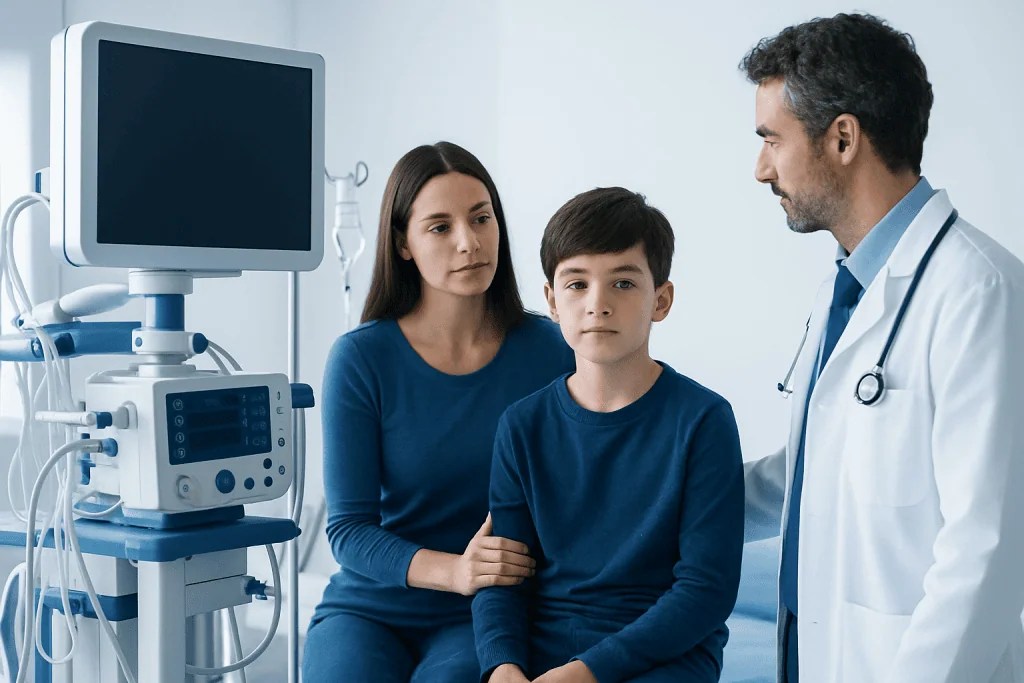
Every child with confirmed Crohn’s disease needs ongoing specialist assessment, even if symptoms are mild. Treatment intensity depends on where inflammation is found, whether it is limited to the bowel or also affects areas around the anus, whether there are complications, and whether the illness is affecting weight gain, height, energy, school attendance, or quality of life.
Nutrition may be used as a primary treatment for some children with mild to moderate intestinal disease. Exclusive enteral nutrition involves taking a nutritionally complete liquid formula for a defined period under professional supervision. It can reduce inflammation while providing calories and nutrients needed for growth. It is not suitable or practical for every child, so the decision should be individualized.
Children with moderate to severe inflammation, disease that returns after initial treatment, fistulas, marked growth concerns, or poor response to nutrition therapy may need immune-modifying or biologic medicines earlier in their care. Before some treatments begin, clinicians typically review vaccination status and screen for certain infections. The purpose is to choose treatment safely and promptly, not to delay needed care.
What Does Pediatric Crohn's Disease Treatment Involve?
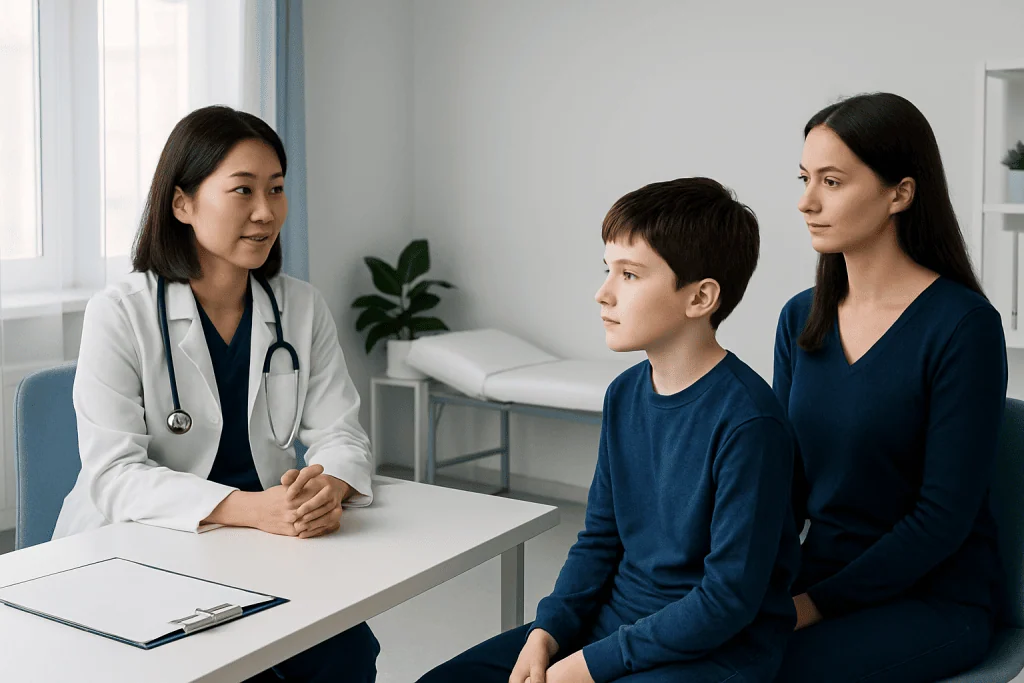
There is no single procedure that treats all pediatric Crohn’s disease. Instead, treatment is a planned process that begins with confirming the pattern and severity of disease, choosing induction therapy, checking the response, and selecting long-term maintenance care. The child and family should be included in decisions, with explanations suited to the child’s age and daily needs.
Initial assessment may include a medical history, examination, height and weight measurements, blood tests for inflammation and nutrition, stool testing, endoscopy with biopsies, and imaging of the small bowel when appropriate. These tests help distinguish Crohn’s disease from other causes of digestive symptoms and identify inflammation that is not visible from symptoms alone.
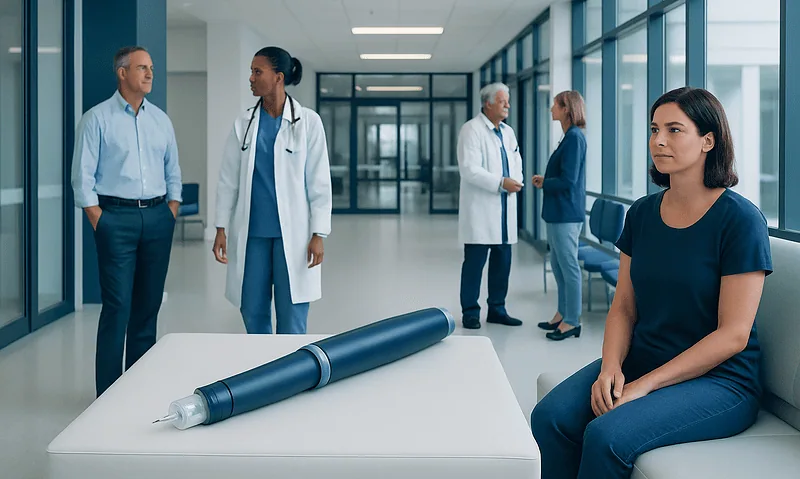
Depending on the findings, the clinician may recommend nutritional therapy, corticosteroids for short-term control in selected situations, immunomodulators, or biologics. Biologic medicines target specific immune signals involved in inflammation and may be given by injection or intravenous infusion. Some children also need treatment for anemia, vitamin or mineral deficiencies, or infections and abscesses related to Crohn’s disease.
Follow-up is built into the plan. Appointments and tests are used to monitor growth, medication safety, inflammation, nutrition, and treatment response. Families can help by keeping track of symptoms, bowel habits, food tolerance, medicines, fever, school absence, and any changes in weight or energy.
Benefits, Risks and the Recovery Timeline
The expected benefit of effective treatment is remission: little or no active inflammation, fewer symptoms, improved nutrition, and better opportunity for normal growth and development. Some children improve within days or weeks of starting induction therapy, while full assessment of response may take longer. The timeline varies with the medicine used, the severity of inflammation, and whether complications are present.
There is usually no recovery period in the surgical sense for medication-based care. However, children may need time to regain appetite, energy, weight, and confidence after a flare. Regular meals or prescribed nutritional formula, adequate sleep, gradual return to activities, and communication with the school can support this transition. Ongoing maintenance treatment is commonly needed even after a child feels well.
All treatments have potential risks. Corticosteroids can affect mood, sleep, appetite, blood pressure, bone health, and growth when used repeatedly or for prolonged periods, so they are generally not preferred for long-term maintenance. Immune-modifying and biologic medicines can increase susceptibility to some infections and require safety monitoring. The treating team discusses expected benefits, alternatives, monitoring, and warning signs before treatment begins.
Surgery may be necessary if there is a bowel obstruction, abscess, fistula, severe bleeding, perforation, or disease that does not respond adequately to medical treatment. Surgery can address a complication or remove a severely affected bowel segment, but it does not cure Crohn’s disease; medical follow-up remains important afterward.
What Is the Best Treatment for Pediatric Crohn's?
The best treatment for pediatric Crohn’s is the treatment plan that safely controls inflammation for that individual child while supporting growth and daily life. There is no universal best medicine because Crohn’s disease differs in location, severity, behavior, and response to therapy. A child with limited intestinal inflammation may be managed differently from a child with extensive small-bowel disease, fistulas, or significant growth delay.
Pediatric specialists often prefer strategies that avoid repeated courses of corticosteroids and provide reliable long-term control. Nutrition therapy can be especially valuable for eligible children, while biologic therapy may be appropriate for moderate to severe disease or for children at higher risk of complications. Medication selection should consider prior treatments, infection screening, vaccination history, laboratory monitoring, and the family’s preferences.
Diet can support health but should not replace prescribed treatment for active inflammation. No single food plan has been shown to cure Crohn’s disease. A pediatric dietitian can help identify nutritional gaps, improve food tolerance during symptoms, and plan for healthy growth without unnecessary food restrictions.
How Serious Is Crohn's Disease in Kids?
Crohn’s disease in children is a serious long-term condition because persistent inflammation can affect the bowel, nutrition, growth, puberty, bone health, and emotional wellbeing. It can also lead to complications in some children. However, serious does not mean hopeless: modern monitoring and treatment allow many children to control inflammation, attend school, take part in activities, and progress through childhood and adolescence well.
The severity can change over time. Some children have relatively mild disease with occasional flares, while others need more intensive treatment from the beginning. Symptoms do not always match the degree of inflammation, which is why follow-up tests and growth monitoring are important even when a child appears to be doing well.
Families should seek consistent specialist care and report concerns early. Helpful support may include counseling, school planning, dietetic input, and peer support where available. Addressing the practical and emotional effects of the condition is part of high-quality treatment, alongside managing intestinal inflammation.
What Is the Prognosis for Children With Crohn's Disease?
The prognosis for children with Crohn’s disease is often favorable when inflammation is recognized early, treatment is followed consistently, and growth and complications are monitored closely. Crohn’s disease is chronic, meaning it can return after periods of remission, but many children have long intervals with few or no symptoms and can participate fully in age-appropriate activities.
Long-term outlook depends on factors such as disease location, severity at diagnosis, response to treatment, nutritional status, and whether complications develop. Keeping inflammation under control is important because it helps protect the bowel and supports normal development. The care plan may need adjustments over time as a child’s body, school routine, and health needs change.
Transition planning is also important as teenagers approach adult care. Starting this process gradually can help young people learn about their condition, medicines, appointments, and how to communicate with clinicians. A prepared transition supports continuity of care rather than marking an end to treatment needs.
How Long Can a Child Live With Crohn's Disease?
Children with Crohn’s disease can often expect to live into adulthood, and many have a life expectancy close to that of people without the condition when they receive appropriate long-term medical care. Individual outlook varies, and the most important practical focus is keeping inflammation controlled, preventing complications, maintaining nutrition, and attending regular follow-up appointments.
Crohn’s disease is lifelong, but it does not define every part of a child’s future. With a suitable treatment plan, many children complete school, form relationships, work, travel, and pursue physical activities. Families can support long-term health by encouraging medication adherence, balanced nutrition, recommended vaccinations, and early discussion of new symptoms.
Questions about an individual child’s outlook are best discussed with their pediatric gastroenterology team. They can explain how the child’s disease pattern, test results, growth, and treatment response shape expectations over time.
When to Seek Medical Care
A child with persistent abdominal pain, ongoing diarrhea, blood in the stool, unintentional weight loss, poor growth, unexplained fatigue, fever, mouth sores, or pain around the anus should be assessed by a qualified clinician. These symptoms can have many causes, but prompt evaluation is important when they persist, recur, or interfere with eating, sleep, school, or normal activity.
For a child already diagnosed with Crohn’s disease, the family should contact the care team if symptoms return or worsen, medications are difficult to take, there is persistent vomiting, reduced intake, dehydration, significant tiredness, or new pain and swelling around the anus. Urgent medical assessment is needed for severe abdominal pain with swelling, repeated vomiting, high fever, heavy rectal bleeding, fainting, confusion, or signs of dehydration.
Acibadem International’s multidisciplinary specialists and JCI-accredited hospitals diagnose and treat pediatric Crohn’s disease for international patients, with care planned around the child’s clinical and developmental needs.
Frequently asked questions
Can pediatric Crohn's disease be cured?
There is currently no cure for Crohn's disease, but treatment can control inflammation and help a child achieve remission. Ongoing follow-up is needed because symptoms and inflammation may return over time. The aim is to protect bowel health, growth, nutrition, and quality of life.
Will my child need biologic treatment for Crohn's disease?
Not every child needs a biologic medicine. Biologics may be recommended when disease is moderate to severe, when complications are present, or when other approaches have not controlled inflammation adequately. A pediatric gastroenterologist weighs the likely benefits, safety considerations, and monitoring needs for each child.
Can a child with Crohn's disease go to school and play sports?
Many children can attend school and participate in sports or other activities, especially when their disease is well controlled. During a flare, temporary adjustments may be needed for fatigue, urgent toilet access, appointments, or nutrition. A coordinated plan involving the family, school, and healthcare team can be helpful.
What foods should a child with Crohn's disease avoid?
There is no single list of foods that every child with Crohn's disease must avoid. Food tolerance can change during a flare, and unnecessary restriction may increase the risk of poor nutrition or growth problems. A pediatric dietitian can provide individualized guidance based on symptoms, nutritional needs, and treatment goals.
How is treatment response monitored in pediatric Crohn's disease?
Clinicians monitor symptoms, growth, weight, physical development, blood tests, and stool markers of inflammation. Imaging or endoscopy may also be used when needed to assess healing in the bowel. Monitoring helps guide adjustments before inflammation causes avoidable complications.
Does Crohn's disease treatment affect vaccinations?
Vaccination planning is important because some Crohn's medicines affect the immune system. The healthcare team may review routine vaccines before treatment begins and advise on which vaccines are appropriate during therapy. Families should ask the child's specialist before receiving live vaccines.
References
- Crohn's & Colitis Foundation
- North American Society for Pediatric Gastroenterology, Hepatology and Nutrition
- European Society for Paediatric Gastroenterology Hepatology and Nutrition
- National Institute of Diabetes and Digestive and Kidney Diseases
- American Academy of Pediatrics
This article is for general information only and is not a substitute for professional medical advice. Please consult a qualified doctor about your individual situation.
Persistent digestive symptoms? Get evaluated in Turkey
JCI-accredited · board-certified surgeons · reply within 24h
Add us as a Preferred Source to see more of our trusted health content across Google Search, AI Overviews and Discover.