Pediatric Dentist vs General Dentist: What’s the Difference?

Pediatric dentists receive additional training focused on children's oral health and development. General dentists provide routine dental care for many age groups and may also treat children.
Key Takeaways
- Pediatric dentists receive additional training focused on children's oral health and development.
- General dentists provide routine dental care for many age groups and may also treat children.
- A pediatric dentist may be especially helpful for very young children, dental anxiety, or complex developmental needs.
- Both types of dentists can offer preventive care such as checkups, cleanings, fluoride, and cavity treatment.
- The best choice depends on the child's age, comfort level, dental history, and treatment needs.
A pediatric dentist and a general dentist both care for teeth and gums, but they are trained for different patient needs. Pediatric dentists focus on infants, children, and teens, including behavior guidance and oral development, while general dentists treat a wide range of ages and routine dental concerns.
Overview
When families compare a pediatric dentist vs general dentist, the most important difference is who each dentist is specially trained to care for. A general dentist provides routine oral healthcare for adolescents, adults, and often children as well. A pediatric dentist is a dental specialist who focuses on babies, children, teenagers, and sometimes patients with special healthcare needs.
Both professionals can help protect oral health through exams, cleanings, cavity care, and preventive advice. However, pediatric dentistry is designed around children’s developing teeth, changing jaws, behavior, and emotional comfort during dental visits. This child-centered approach can make appointments easier and more positive for many families.
In everyday practice, there is some overlap. Many general dentists are experienced in seeing children, especially older children with straightforward dental needs. Pediatric dentists, on the other hand, are often the preferred choice for infants, preschool-aged children, anxious children, or those with more complex oral or developmental concerns.
What Is a General Dentist?
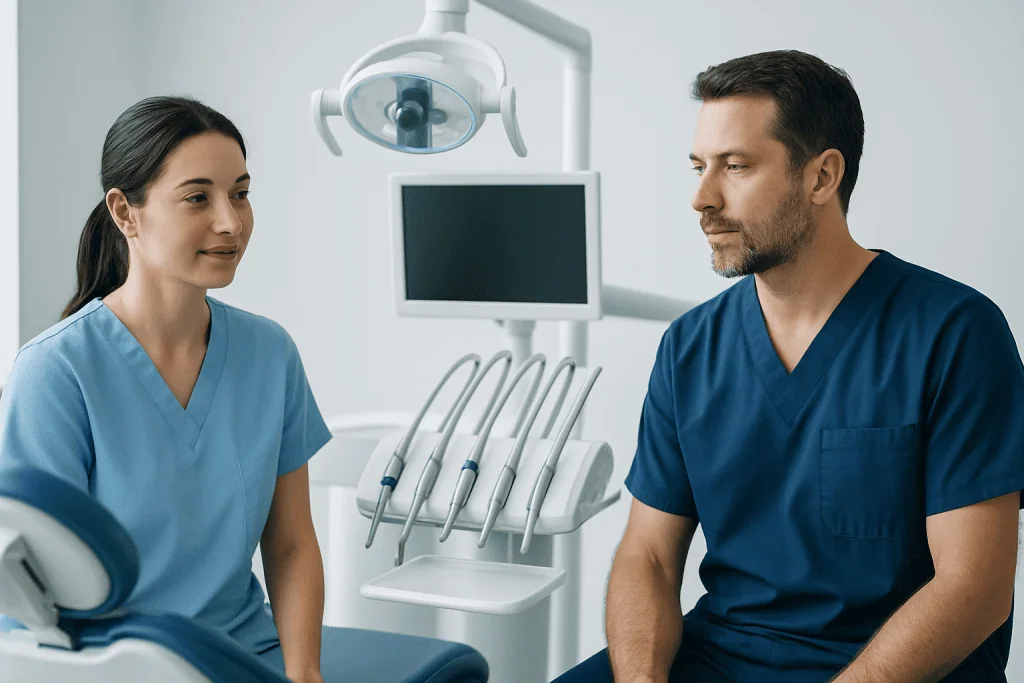
A general dentist is the main oral healthcare provider for many people throughout life. General dentists diagnose and treat common problems affecting the teeth, gums, and mouth. They also provide preventive care and education to help patients maintain good oral hygiene at home.
Typical services from a general dentist include routine examinations, dental X-rays, professional cleanings, fillings, gum care, crowns, and guidance on brushing and flossing. Many general dentists also help monitor issues such as tooth sensitivity, early gum disease, and signs of decay.
Some general dentists welcome children into their practice and may be a practical option for families who prefer one clinic for multiple age groups. This can be convenient when a child is older, generally cooperative, and does not have specialized pediatric dental needs.
- Treats patients across many age groups
- Provides preventive, restorative, and basic diagnostic dental care
- May see children, teens, and adults in the same practice
- Often well suited for routine family dental care
What Is a Pediatric Dentist?

A pediatric dentist is a dentist who completes additional specialty training after dental school to focus on children’s oral health. This extra training covers the growth and development of the mouth, baby teeth, erupting permanent teeth, early bite concerns, and techniques for helping children feel safe and cooperative during care.
Pediatric dental clinics are often designed with children in mind. The environment, communication style, and appointment structure may be adapted to younger patients. Pediatric dentists are also trained to recognize how habits such as thumb sucking, pacifier use, prolonged bottle feeding, and mouth breathing may affect oral development.
They commonly treat issues such as cavities in baby teeth, delayed tooth eruption, dental injuries, and enamel problems in children. They may also coordinate care for children who need more advanced support, including those with medical, behavioral, or sensory challenges. In some cases, they may work closely with orthodontic or surgical teams if further treatment is needed.
The Main Differences Between a Pediatric Dentist and a General Dentist
The clearest difference in pediatric dentist vs general dentist is specialized training. Pediatric dentists receive additional education in child development, behavior management, dental growth patterns, and the treatment of infants through teens. General dentists are trained to provide comprehensive dental care across broader age groups, but without the same depth of pediatric specialty focus.
Another key difference is how care is delivered. Pediatric dentists usually use child-friendly communication, shorter explanations, and age-appropriate techniques to reduce fear and build trust. Their offices may include smaller equipment, visual distractions, and a calmer introduction to dental tools. This can be especially helpful for very young children or children with dental anxiety.
Treatment planning may also differ. Pediatric dentists pay close attention to baby teeth because they support speech, chewing, jaw growth, and the proper eruption of adult teeth. They are often particularly experienced in preventive treatments, early cavity management, and monitoring for developmental concerns. General dentists can also provide excellent routine care, but they may refer some children to a pediatric specialist when needs are more complex.
- Training: pediatric dentists have additional child-focused specialty training
- Patient focus: pediatric dentists mainly treat infants, children, and teens; general dentists treat many ages
- Care style: pediatric practices are often tailored to children’s comfort and behavior
- Scope: both offer preventive and restorative care, but pediatric dentists focus more on growth and development
When Should a Child See a Pediatric Dentist?
A pediatric dentist may be a good choice when a child is very young, anxious, has a history of frequent cavities, or needs close monitoring of developing teeth and jaws. Children with special healthcare needs may also benefit from a provider who routinely treats patients with sensory, behavioral, or medical differences.
Parents often seek pediatric dental care for first dental visits, problems involving baby teeth, concerns about thumb sucking, or questions about tooth eruption. A pediatric dentist can also help after a dental injury, such as a chipped or knocked tooth, and can assess whether urgent treatment is needed.
Some children may eventually move to a general dentist as they grow older and become more comfortable with routine care. Others continue with a pediatric dentist through the teenage years. The decision depends on the child’s dental needs, emotional comfort, and the experience of the dentist providing care. If a child develops concerns involving alignment or bite, the dentist may discuss whether an evaluation for orthodontic care could be helpful later on.
What Services Do Both Dentists Provide?
There is significant overlap in the care both dentists provide. General dentists and pediatric dentists can both perform routine exams, monitor oral hygiene, check for tooth decay, and recommend preventive habits. They may also provide professional cleanings and discuss ways to reduce cavity risk through diet and home care.
Both may offer treatments such as fillings, fluoride applications, sealants, and guidance for teething or sensitivity, depending on the practice. They can also identify common concerns such as cavities, gum irritation, and plaque buildup. If a patient needs more specialized care, either type of dentist may refer to another dental expert.
For example, a child or adult with significant tooth damage may eventually need dental crowns, while certain bite or jaw concerns may require orthodontic assessment. In rare situations, more advanced procedures such as oral and maxillofacial surgery may be considered after specialist evaluation. The right treatment plan depends on age, diagnosis, and overall oral health.
How Parents Can Choose the Right Dentist
Choosing between a pediatric dentist and a general dentist often comes down to the child’s age, personality, and oral health needs. For a calm older child with no major dental problems, a general dentist who regularly sees children may be a suitable choice. For toddlers, nervous children, or those with developmental concerns, a pediatric dentist may offer a more tailored experience.
It can help to ask practical questions before booking. Parents may want to know how often the dentist treats children, how the office supports anxious patients, what preventive services are available, and whether referrals are made when specialized care is needed. A welcoming environment and clear communication can make a big difference in a child’s dental experience.
Families should also consider continuity of care. Some prefer one dentist for the whole family, while others value a child-only setting during the early years. Near the end of the decision process, parents may feel reassured knowing that centers such as Acibadem International, with multidisciplinary specialists and JCI-accredited hospitals, diagnose and treat dental and oral health concerns for international patients.
When to Book a Dental Visit
Children should not wait until there is pain to see a dentist. Regular checkups help detect problems early, when they are often easier to manage. A dentist can monitor tooth eruption, look for decay, assess gum health, and advise families on brushing, flossing, fluoride, and healthy eating habits.
Parents should arrange an earlier visit if a child has tooth pain, sensitivity, swelling, bleeding gums, visible cavities, bad breath that does not improve, delayed tooth eruption, or a dental injury. Persistent mouth breathing, grinding, or concerns about bite development are also good reasons to seek professional advice.
If there is uncertainty about whether a child should see a pediatric dentist or a general dentist, starting with either qualified professional is reasonable. If the child needs more specialized care, referral can be made promptly. The most important step is timely evaluation and a dental team that supports the child’s long-term oral health.
Frequently asked questions
Is a pediatric dentist better than a general dentist for children?
Not always, but a pediatric dentist may be better suited for very young children, anxious children, or those with special dental or developmental needs. General dentists can also provide excellent care for many children, especially when the child's needs are routine and the dentist is experienced with pediatric patients.
At what age should a child see a pediatric dentist?
A child can see a pediatric dentist from infancy onward. Many families choose a pediatric dentist for early visits because the practice is designed around children's oral development and comfort.
Can a general dentist treat children?
Yes, many general dentists treat children and provide exams, cleanings, fillings, and preventive advice. If a child has complex needs, severe anxiety, or developmental concerns, the general dentist may recommend a pediatric specialist.
Do pediatric dentists only treat baby teeth?
No. Pediatric dentists care for baby teeth, emerging permanent teeth, and oral health during all stages of growth through adolescence. They also monitor how the teeth and jaws develop over time.
Why are baby teeth so important if they fall out?
Baby teeth help with chewing, speech, and guiding permanent teeth into place. Keeping them healthy supports comfort, nutrition, and proper oral development.
How do parents choose between a pediatric dentist and a general dentist?
Parents can consider the child's age, comfort level, dental history, and any special needs. It is also helpful to ask about the dentist's experience with children, the office environment, and how the team manages nervous patients.
References
- American Academy of Pediatric Dentistry
- American Dental Association
- National Institute of Dental and Craniofacial Research
- Centers for Disease Control and Prevention
- World Health Organization
This article is for general information only and is not a substitute for professional medical advice. Please consult a qualified doctor about your individual situation.
Explore treatments in Turkey — costs, top hospitals & a free quote
JCI-accredited · board-certified surgeons · reply within 24h
Add us as a Preferred Source to see more of our trusted health content across Google Search, AI Overviews and Discover.

Pediatrics
Complete healthcare for infants, children and adolescents across all sub-specialties.
232 specialists in this unit