Pediatric Headaches: When Children Need a Neurology Evaluation
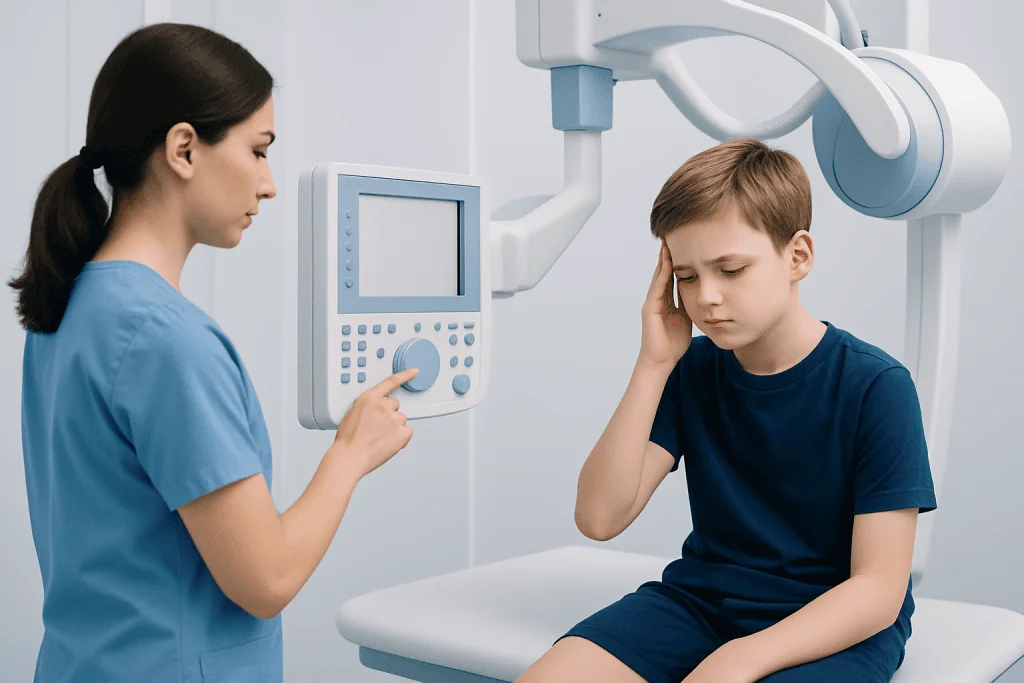
Most pediatric headaches are not caused by a serious brain problem. A careful history and neurologic exam are central to deciding whether specialist evaluation is needed.
Key Takeaways
- Most pediatric headaches are not caused by a serious brain problem.
- A careful history and neurologic exam are central to deciding whether specialist evaluation is needed.
- Red-flag symptoms include sudden severe pain, neurologic changes, repeated vomiting, headaches that wake a child from sleep, or a clear change in pattern.
- Treatment depends on the cause and may include hydration, sleep support, trigger management, and migraine-specific care.
- Parents can help by keeping a headache diary and noting timing, triggers, symptoms, and response to treatment.
Pediatric headaches are common and are often related to migraine, tension-type headaches, illness, dehydration, or lifestyle factors. A neurology evaluation may be helpful when headaches are frequent, severe, changing, or associated with warning signs such as neurologic symptoms, vomiting, or sleep disruption.
Overview
Pediatric headaches are a frequent reason for medical visits. Children of all ages, including school-age children and teenagers, can experience headaches. In many cases, the cause is not dangerous and may be linked to migraine, tension-type headaches, viral illness, skipped meals, poor sleep, dehydration, stress, or eye strain.
Even so, headache patterns in children deserve thoughtful attention because children may not describe symptoms as clearly as adults. A younger child may say the head hurts, seem unusually tired, avoid play, become irritable, or want to lie down in a dark room. These clues can help parents and doctors recognize a headache disorder.
A neurology evaluation is not needed for every child with headaches. It is usually considered when headaches are recurrent, severe, interfere with school or activities, do not improve with standard measures, or come with neurologic warning signs. The goal is to identify the headache type, rule out uncommon but important causes, and create a safe treatment plan.
Common Symptoms and Headache Patterns in Children
Children can experience headache symptoms in different ways. Some have a dull pressure on both sides of the head, which may fit a tension-type pattern. Others have throbbing or pounding pain, often with nausea, vomiting, sensitivity to light or sound, or a desire to rest quietly. In children, migraine pain may be shorter in duration than in adults and can sometimes affect both sides of the head.
Some children also report warning symptoms before or during a headache. These may include visual changes such as flashing lights, zigzag lines, blurred vision, or temporary blind spots. Others may have dizziness, stomach discomfort, paleness, or fatigue. A child with migraine may look visibly unwell and may stop usual play or schoolwork.
Parents should pay attention to pattern as much as symptom type. Helpful details include when the headaches began, how often they happen, how long they last, where the pain is felt, what seems to trigger them, and whether they occur with fever, congestion, menstrual cycles, sports, stress, or lack of sleep.
- Pressure-like pain may suggest tension-type headache.
- Throbbing pain with nausea or light sensitivity may suggest migraine.
- Headaches with fever, stiff neck, or severe illness symptoms need urgent medical review.
- Morning vomiting, new weakness, or confusion are important warning signs.
Causes and Risk Factors
Most pediatric headaches are classified as primary headaches, meaning the headache itself is the main condition rather than a symptom of another disease. The most common primary types are migraine and tension-type headache. Family history plays an important role, especially for migraine. A child with a parent or sibling who has migraine may be more likely to develop it too.
Secondary headaches happen because of another issue. Common examples include viral infections, sinus or ear problems, dental issues, dehydration, not eating regularly, medication overuse, concussion, and sleep problems. Emotional stress, anxiety, and school pressures can also contribute, although they should not be assumed to be the only explanation before a medical review.
Less commonly, headaches can be linked to elevated blood pressure, inflammatory conditions, structural problems in the brain, or other neurologic disorders. These causes are far less common than migraine or tension headaches, but doctors stay alert for them when the story or examination suggests something unusual. In some children, headache may overlap with other neurologic concerns that need specialist assessment through neurologic conditions.
Risk can increase with irregular sleep, heavy screen use without breaks, poor fluid intake, frequent caffeine use, skipped meals, and intense academic or athletic schedules. Identifying these factors often helps reduce headache burden over time.
When a Child May Need a Neurology Evaluation
Many children can first be assessed by a pediatrician or family doctor. A referral to a pediatric neurologist is often helpful when headaches are frequent, disabling, difficult to classify, or not responding to first-line care. A neurologist can look for less obvious patterns, assess for migraine variants, review medicines and triggers, and decide whether further testing is appropriate.
Doctors are especially careful when headaches are new and rapidly worsening, are very different from past headaches, or are associated with abnormal neurologic symptoms. Red flags do not automatically mean a serious condition is present, but they do mean the child should be evaluated promptly.
- Sudden, severe headache that reaches peak intensity quickly
- Headache after head injury, especially with vomiting, confusion, or sleepiness
- Headaches that wake a child from sleep or are worst on waking
- Repeated vomiting without a clear stomach illness
- Weakness, numbness, trouble walking, seizures, fainting, or behavior changes
- Vision changes, double vision, or abnormal eye movements
- Fever with neck stiffness or a child who looks seriously unwell
- A clear and persistent change in headache pattern or frequency
Children with complex or recurrent headache may benefit from a broader pediatric neurology assessment, especially if symptoms suggest migraine, autonomic features, or overlapping developmental or seizure concerns. In selected cases, a specialist may also consider whether advanced testing such as EEG is needed, though it is not a routine test for typical headaches.
How Pediatric Headaches Are Diagnosed
Diagnosis begins with a detailed history. The doctor asks about the child’s age, symptom pattern, pain location, timing, triggers, associated symptoms, school impact, family history, sleep, hydration, medications, and recent illnesses or injuries. Because children may struggle to describe what they feel, parents are often asked to share observations about behavior during an episode.
A physical examination and neurologic examination are key. This usually includes checking vision, eye movements, coordination, strength, reflexes, balance, and blood pressure. In many children with primary headaches such as migraine, the examination is normal, which is reassuring.
Brain imaging is not necessary for every child with headaches. It may be recommended if the headache story or examination suggests a structural cause, raised pressure, bleeding, infection, or another secondary problem. When imaging is needed, doctors may use MRI to look at brain structures in detail. In urgent settings, CT scan may be used more quickly, especially after injury or when acute bleeding is a concern.
A headache diary can be one of the most useful diagnostic tools. Recording date, time, duration, foods, sleep, stress, menstrual timing, screen exposure, symptoms, and response to rest or medicine can reveal patterns that are easy to miss in day-to-day life.
Treatment Options
Treatment depends on the headache type, severity, frequency, and the child’s age and overall health. For occasional headaches, care may include rest, fluids, a quiet dark room, regular meals, and age-appropriate pain relief recommended by a doctor. Early treatment often works better than waiting until pain becomes severe.
Children with migraine may need a more structured plan. This can include identifying triggers, improving sleep habits, limiting excess caffeine, supporting hydration, and using migraine-specific medicines when prescribed. If headaches are frequent or disabling, a doctor may discuss preventive treatment to reduce the number of attacks over time.
Non-drug approaches can also be helpful. Stress management, relaxation techniques, regular physical activity, consistent sleep schedules, and school accommodations may reduce headache burden. In some cases, vision assessment, dental review, or evaluation for sinus or sleep issues is appropriate if symptoms point in those directions.
If a child needs specialist care, management may involve pediatricians, neurologists, ophthalmologists, psychologists, and radiology teams. Near the end of the care pathway, some families seeking international care may choose centers such as Acibadem International, where multidisciplinary specialists in JCI-accredited hospitals diagnose and treat children with neurologic symptoms.
Prevention and Self-care at Home
Many children benefit from simple daily habits that make headaches less likely. A regular routine supports the brain and body, especially in children prone to migraine. Parents can help by encouraging consistent bedtimes, regular meals, breakfast before school, good hydration, and breaks from screens.
Trigger tracking is practical and often empowering. Common triggers include lack of sleep, skipped meals, dehydration, stress, intense heat, excessive screen time, some strong odors, and in teenagers, hormonal changes. Not every child has the same triggers, so patterns should be individualized rather than assumed.
- Encourage water intake through the day.
- Keep sleep and wake times as regular as possible.
- Limit frequent use of pain medicines unless advised by a doctor, because overuse can worsen headaches.
- Use a headache diary to monitor frequency and treatment response.
- Seek school support if headaches are affecting concentration or attendance.
Self-care does not replace medical evaluation when warning signs are present. Still, for many children, these measures reduce headache frequency and improve overall well-being.
When to See a Doctor Urgently
Parents should arrange medical review if a child has recurrent headaches, headaches that disrupt school or sleep, or symptoms that are becoming more intense or more frequent. A planned appointment is also sensible if over-the-counter measures are not helping, if the child is missing activities, or if the family is unsure whether the pattern fits migraine.
Urgent medical attention is needed for headache with fainting, seizure, confusion, severe sleepiness, weakness, difficulty speaking, stiff neck, persistent vomiting, or a major change in behavior. A headache after head injury also needs prompt assessment, especially if symptoms are worsening.
Very sudden severe headache should be treated as an emergency. Although serious causes are uncommon, quick evaluation helps doctors rule out conditions that need immediate care. Trusting parental instinct is important; if a child appears significantly unwell or unlike themselves, medical advice should be sought promptly.
Frequently asked questions
Are headaches common in children?
Yes. Headaches are common in school-age children and teenagers, and many are related to migraine, tension-type headache, illness, dehydration, or lifestyle factors. Most are not caused by a serious brain problem.
How can a parent tell if a child’s headache might be a migraine?
Migraine in children may cause throbbing or pounding pain, nausea, vomiting, sensitivity to light or sound, and a need to lie down quietly. Some children also look pale, feel dizzy, or complain of visual changes before the headache.
When should a child see a neurologist for headaches?
A neurology evaluation may be useful if headaches are frequent, severe, worsening, unusual, or interfering with school and daily life. It is also important when headaches come with neurologic symptoms such as weakness, fainting, seizures, or vision changes.
Does every child with headaches need a brain scan?
No. Many children with typical migraine or tension-type headaches and a normal neurologic exam do not need imaging. A doctor may recommend a scan if there are red-flag symptoms, an abnormal exam, or concern for a secondary cause.
What should parents track in a headache diary?
Parents can note when the headache starts, how long it lasts, where the pain is, associated symptoms, foods, hydration, sleep, stress, menstrual timing, and what helped. This information often makes diagnosis and treatment planning easier.
Can lifestyle changes really help pediatric headaches?
Yes. Regular sleep, consistent meals, good hydration, screen breaks, and stress management can reduce headaches in many children. These measures are especially helpful in children with migraine or frequent tension-type headaches.
References
- American Academy of Pediatrics
- American Academy of Neurology
- National Institute of Neurological Disorders and Stroke
- National Health Service
- Mayo Clinic
This article is for general information only and is not a substitute for professional medical advice. Please consult a qualified doctor about your individual situation.
Explore treatments in Turkey — costs, top hospitals & a free quote
JCI-accredited · board-certified surgeons · reply within 24h
Add us as a Preferred Source to see more of our trusted health content across Google Search, AI Overviews and Discover.
Check your numbers in seconds
BMI, calories, due date, blood pressure and 30+ more clinical calculators — free, instant, doctor-reviewed ranges.

Pediatrics
Complete healthcare for infants, children and adolescents across all sub-specialties.
232 specialists in this unitMore from the Health Library



Related Specialists
Prof. Dr. Alper Kaya
Orthopedic Surgery & Traumatology
Assoc. Prof. Dr. Tansel Türkoğlu
Cardiovascular Surgery
Assoc. Prof. Dr. Ertuğrul Emre Güntürk
Cardiology
Prof. Dr. Ramazan Yavuz Akman
Urology