Pediatric Vaccination Schedule: Which Shots Children Need and When

Vaccines are timed to protect children at the ages when they are most vulnerable to certain infections. Most children need several vaccines from birth through the teenage years, with some given in a series over time.
Key Takeaways
- Vaccines are timed to protect children at the ages when they are most vulnerable to certain infections.
- Most children need several vaccines from birth through the teenage years, with some given in a series over time.
- Mild side effects such as soreness or low fever are common, while serious reactions are rare.
- If a child falls behind, a doctor can usually create a catch-up immunization plan.
- Children with certain health conditions, travel plans, or missed doses may need special guidance from a pediatrician.
A pediatric vaccination schedule is a timed plan that shows which vaccines children need from birth through adolescence. Following this schedule helps protect children early, before they are exposed to infections that can cause serious illness.
Overview of the Pediatric Vaccination Schedule
The pediatric vaccination schedule is a carefully planned timeline for giving vaccines during infancy, childhood, and adolescence. It is designed by public health and pediatric experts to protect children when they are most likely to benefit from each vaccine. Many infections spread easily in the community, and some are most dangerous in babies and young children, which is why several vaccines begin early in life.
Vaccines help the immune system learn to recognize and fight specific germs without causing the disease itself. This preparation lowers the risk of severe infection, hospitalization, and long-term complications. When many children in a community are vaccinated, it also helps reduce the spread of contagious illnesses to others, including newborns and people with weaker immune systems.
The exact schedule can vary slightly by country, national guidelines, a child’s health status, and whether any doses were missed. In general, however, the schedule includes routine protection against illnesses such as hepatitis B, diphtheria, tetanus, pertussis, polio, measles, mumps, rubella, chickenpox, and more. A pediatrician can explain which vaccines are recommended for a specific child and when they should be given.
Which Vaccines Children Commonly Need and When
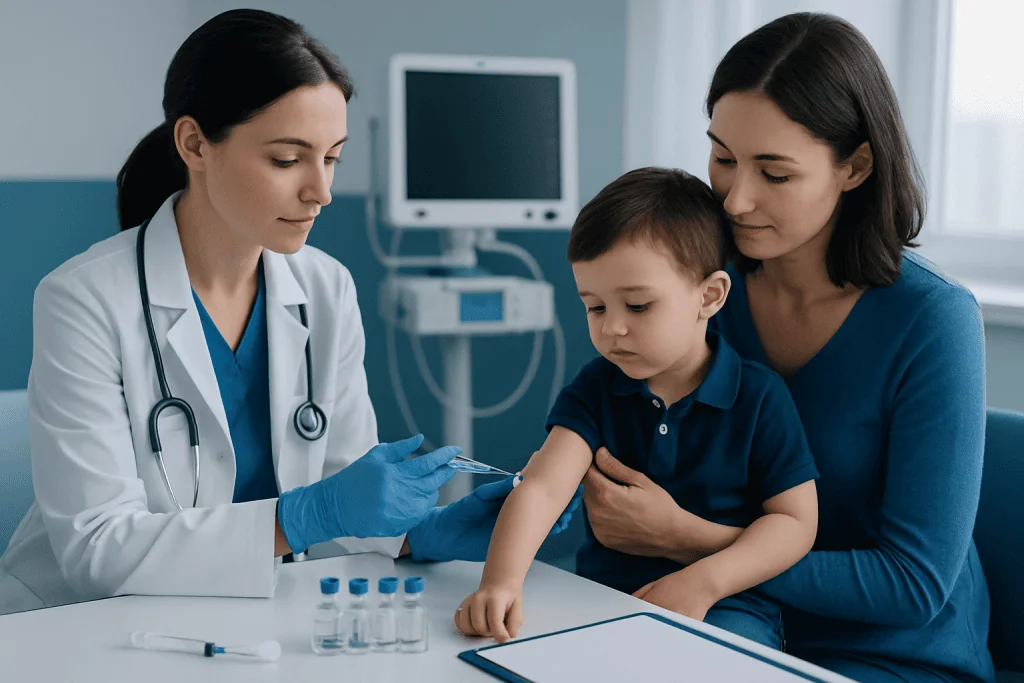
Children usually start vaccines at birth and continue receiving them at regular intervals through the teenage years. In the first two years of life, appointments are closer together because babies need early protection and some vaccines work best as a series. Later doses in preschool years and adolescence help strengthen or renew immunity.
Although recommendations may differ slightly by region, routine childhood vaccines often include protection against hepatitis B, rotavirus, diphtheria, tetanus, pertussis, Haemophilus influenzae type b, pneumococcal disease, polio, influenza, measles, mumps, rubella, varicella, hepatitis A, meningococcal disease, human papillomavirus, and in some settings COVID-19. Some vaccines are given as combination shots, which reduce the number of injections at a visit while still providing the same protection.
- Birth: hepatitis B is commonly recommended soon after delivery.
- First year: several doses of vaccines such as DTaP, polio, Hib, pneumococcal, rotavirus, and hepatitis B are often given.
- Around 12 to 18 months: MMR, varicella, hepatitis A, and booster doses of earlier vaccines may be due.
- Preschool years: booster doses help maintain protection before school entry.
- Every year: influenza vaccination is generally recommended for most children.
- Preteen and teen years: vaccines such as Tdap, HPV, and meningococcal vaccines are commonly advised.
Parents sometimes worry that several vaccines in one visit may be too much for a child. In fact, children’s immune systems are exposed to many germs every day, and the recommended schedule is tested for safety and effectiveness. Spacing vaccines out without medical reason can leave a child unprotected for longer than necessary.
Why Timing Matters and What Can Affect the Schedule

Vaccines are not scheduled at random. Each dose is timed to offer protection before the age when a child is most likely to face a certain infection or before the infection is most likely to cause serious harm. Some vaccines also need more than one dose so the immune system can build a stronger, longer-lasting response.
A child’s schedule may need adjustment in certain situations. Premature infants, children with chronic medical conditions, children who are immunocompromised, and those preparing for international travel may need individualized recommendations. If a child has had a severe allergic reaction to a previous vaccine dose or has a specific medical condition, the pediatrician may delay, avoid, or substitute a vaccine after careful assessment.
Missing appointments does not usually mean the schedule must start over. In many cases, a catch-up plan can be made so the child receives the remaining doses as soon as it is safe and appropriate. Keeping an up-to-date vaccine record helps families and doctors quickly identify what has already been given and what is still needed.
What to Expect at Vaccine Visits and Possible Side Effects
At a vaccine visit, the healthcare professional reviews the child’s age, previous vaccines, general health, allergies, and any recent illnesses. They may explain which vaccines are due, why they are recommended, and what side effects are most common. Parents are encouraged to ask questions and share any concerns before the shots are given.
Most vaccine side effects are mild and temporary. Common reactions include pain or redness at the injection site, fussiness, tiredness, mild swelling, or a low fever. These symptoms usually improve within a day or two. Comfort measures such as rest, fluids, and following the doctor’s advice for fever or discomfort are often enough.
Serious reactions are uncommon, but parents should know the warning signs. Immediate medical attention is important if a child has trouble breathing, severe swelling, weakness, an unresponsive episode, or signs of a severe allergic reaction after vaccination. Healthcare teams monitor vaccine safety closely, and discussing a child’s medical history helps reduce risks.
For families who feel anxious about shots, simple steps can help. Holding a baby, distracting an older child, breastfeeding during or after vaccination when appropriate, and staying calm can make the experience easier. Reassurance and preparation are often very helpful for both children and parents.
Catch-Up Vaccination and Special Situations
Children do not always receive vaccines exactly on time. Illness, family travel, relocation, missed appointments, or incomplete records can all lead to delays. Fortunately, many children can continue where they left off instead of starting the series again. A pediatrician uses catch-up immunization guidelines to decide the correct timing and spacing for the remaining doses.
Special situations sometimes require added planning. Children with certain chronic illnesses, those receiving treatments that affect the immune system, and children who have had organ transplants or cancer treatment may need vaccines at specific times. Travel to regions with different infection risks can also make extra vaccines or earlier protection necessary.
School enrollment, daycare entry, and participation in some group activities may require proof of vaccination. Families who are uncertain about their child’s record should try to gather previous health documents and discuss them with the pediatrician. If records cannot be found, the doctor can advise whether repeat vaccination or blood testing is appropriate in selected cases.
If there are broader concerns about infections that vaccines help prevent, parents may also wish to read about related illnesses such as measles or meningitis to better understand why timely immunization matters.
How Parents Can Support Vaccination and Self-Care After Shots
One of the most helpful steps parents can take is to keep a personal immunization record and bring it to every health visit. Scheduling the next appointment before leaving the clinic, setting reminders, and reviewing school or travel requirements in advance can reduce missed doses. Consistent well-child visits also give families a chance to discuss nutrition, growth, sleep, and development alongside preventive care.
After vaccination, most children can continue their normal routine. It is helpful to watch for mild soreness, temporary fussiness, or a low fever and provide comfort measures recommended by the doctor. Plenty of fluids, cuddling, and a calm environment may help a child feel better after the visit.
Parents should avoid skipping or delaying vaccines based on misinformation from unreliable sources. The safest approach is to discuss concerns with a qualified pediatrician, who can explain benefits, risks, and alternatives in the context of the child’s health. If a child needs evaluation for a fever or another infection around the time of vaccination, appropriate care such as a pediatric check-up may help guide next steps.
When to See a Doctor
Parents should contact a doctor if they are unsure which vaccines a child needs, if a dose was missed, or if the child has a condition that may affect the schedule. Medical advice is also important before travel, after moving from another country, or when vaccination records are incomplete. A doctor can review the child’s age, medical history, and local recommendations to create a safe plan.
After vaccination, parents should seek medical attention if side effects seem severe, last longer than expected, or include symptoms such as difficulty breathing, widespread rash, high fever, unusual sleepiness, dehydration, or a seizure. While serious reactions are rare, prompt evaluation is always the right choice when something does not seem normal.
Routine well-child care remains the best setting for staying on schedule and discussing any concerns early. In complex cases, children may benefit from coordinated care with pediatric specialists. Acibadem International’s multidisciplinary specialists in JCI-accredited hospitals diagnose and manage children’s preventive and medical care for international patients when more individualized evaluation is needed.
Frequently asked questions
Why do children need so many vaccines in the first two years?
The first two years are a time when babies are especially vulnerable to infections and their complications. Early vaccination helps protect them before they are exposed to these germs, and some vaccines need multiple doses to build strong immunity.
Is it safe for a child to get more than one vaccine at the same visit?
Yes, routine schedules often include more than one vaccine at the same appointment, and this approach is studied for safety and effectiveness. Combination vaccines may also reduce the number of injections while still protecting against several diseases.
What if a child misses a scheduled vaccine?
A missed vaccine usually does not mean the series must be started over. A pediatrician can create a catch-up schedule so the child receives the remaining doses at the right intervals.
Can a child be vaccinated if they have a mild cold or low fever?
Many children with a mild illness, such as a runny nose or a mild cold, can still be vaccinated. If a child has a higher fever or seems more unwell, the doctor may decide whether to proceed or delay the visit.
What side effects are normal after childhood vaccines?
Mild side effects such as soreness where the shot was given, fussiness, sleepiness, or a low fever are common and usually short-lived. Parents should contact a doctor if symptoms are severe, unusual, or do not improve as expected.
Do vaccines for teenagers still matter if early childhood vaccines were completed?
Yes, adolescence includes important booster doses and vaccines that protect against diseases more common in the teen years. These may include Tdap, HPV, meningococcal vaccines, and annual influenza vaccination.
References
- World Health Organization
- Centers for Disease Control and Prevention
- American Academy of Pediatrics
- UNICEF
- European Centre for Disease Prevention and Control
This article is for general information only and is not a substitute for professional medical advice. Please consult a qualified doctor about your individual situation.
Explore treatments in Turkey — costs, top hospitals & a free quote
JCI-accredited · board-certified surgeons · reply within 24h
Add us as a Preferred Source to see more of our trusted health content across Google Search, AI Overviews and Discover.

Pediatrics
Complete healthcare for infants, children and adolescents across all sub-specialties.
232 specialists in this unit