Pediatrician Near Me: How to Choose the Right Doctor

A good pediatrician should be qualified, experienced, and easy to communicate with. Location, office hours, and after-hours support are practical factors that matter.
Key Takeaways
- A good pediatrician should be qualified, experienced, and easy to communicate with.
- Location, office hours, and after-hours support are practical factors that matter.
- Families can compare doctors by asking about experience, care style, and emergency access.
- The best choice is often a pediatrician who fits both the child’s health needs and the family’s preferences.
- It is reasonable to change pediatricians if the relationship or care no longer feels like a good fit.
Choosing a pediatrician is an important step in a child’s health journey. The right doctor offers medical expertise, clear communication, and a supportive partnership that helps families feel informed and confident.
Overview
Searching for a “pediatrician near me” is about more than finding the closest clinic. A pediatrician is a doctor who cares for infants, children, and adolescents through routine checkups, vaccinations, common illnesses, growth monitoring, and developmental concerns. This doctor often becomes a long-term partner in a child’s health, sometimes from birth through the teenage years.
Because children’s needs change as they grow, families often benefit from choosing a pediatrician carefully. The best match is usually a doctor who combines strong medical knowledge with a communication style that makes parents feel heard and helps children feel comfortable. Trust, accessibility, and continuity of care all play an important role.
For many families, the decision also involves practical concerns. A clinic that is too far away, difficult to reach, or unavailable outside standard office hours may create stress during urgent situations. Finding a pediatrician who is both clinically qualified and realistically accessible can make everyday care much smoother.
What a Pediatrician Does
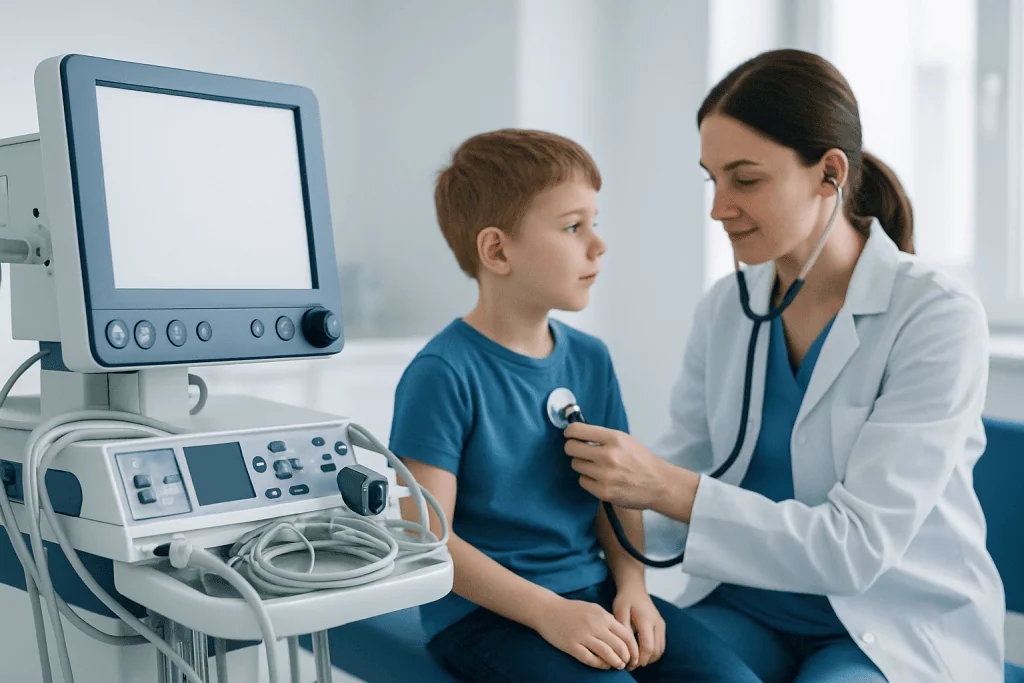
Pediatricians provide preventive care as well as treatment for a wide range of health issues. During regular visits, they check growth, monitor milestones, answer questions about nutrition and sleep, and help families keep up with recommended immunizations. These visits also create opportunities to identify concerns early, before they become more serious.
They also diagnose and treat common childhood problems such as fever, cough, ear infections, rashes, stomach issues, and minor injuries. If a child has a chronic condition such as asthma, allergies, diabetes, or developmental differences, the pediatrician often helps coordinate long-term care and referrals to specialists when needed.
In many cases, a pediatrician is the first doctor a family turns to when something seems wrong. That means the role is not only medical but also educational. Good pediatric care helps parents understand what is typical, what may need attention, and when specialist care may be helpful for conditions such as autism or ADHD.
What to Look for in a Pediatrician

Families often begin with qualifications. It is helpful to check that the doctor is trained in pediatrics, licensed to practice, and affiliated with a reputable hospital or clinic. Experience can also matter, especially if a child has ongoing medical needs, was born prematurely, or has developmental or behavioral concerns.
Communication style is equally important. A pediatrician should explain health issues clearly, listen carefully, and make room for questions. Parents often feel more comfortable with a doctor who is respectful, calm, and willing to discuss options without rushing. For older children, it also helps when the doctor speaks directly to the child in an age-appropriate way.
Another key factor is how the practice operates day to day. Families may want to ask whether same-day sick visits are available, how after-hours concerns are handled, and whether the clinic offers preventive services such as childhood vaccinations and developmental screening. Clean facilities, organized staff, and a child-friendly environment can also make visits easier.
- Training and pediatric qualifications
- Experience with the child’s age group or health needs
- Clear, respectful communication
- Office location, hours, and emergency access
- Availability of preventive care and follow-up support
Questions Families Can Ask Before Choosing
Many parents find it useful to schedule a first meeting or introductory visit before making a final decision. This can be a good time to learn about the doctor’s approach to routine care, common illnesses, antibiotics, vaccinations, breastfeeding, sleep, and developmental concerns. There is no single perfect answer to every parenting question, but clarity and openness are important signs.
Families may also ask how the practice handles urgent issues. For example, can parents call after office hours, send questions electronically, or request same-day appointments? Knowing what happens if a child becomes ill on a weekend or at night can help parents feel more prepared.
Other helpful questions include whether the doctor coordinates with specialists, how referrals are arranged, and whether the clinic can support children who may need extra services such as pediatric rehabilitation or speech and developmental follow-up. If language access matters, families can also ask whether interpretation services are available.
Practical Factors That Matter
Convenience does not replace medical quality, but it can strongly affect how easy it is to keep up with care. A nearby clinic may make it easier to attend checkups, return for follow-up visits, and seek help quickly when a child is unwell. For working parents, extended office hours or weekend services may be especially valuable.
Insurance coverage, appointment availability, and waiting times are also part of the decision. Some families prefer a smaller practice for continuity with one doctor, while others appreciate larger centers where multiple pediatric professionals are available. What matters most is whether the arrangement fits the family’s daily life and the child’s health needs.
Families with children who may need additional evaluation sometimes look for clinics that can connect them to other pediatric services under one system, such as nutrition support, behavioral care, or pediatric neurology. This kind of coordination can be helpful when symptoms involve more than one area of health.
When a Child May Need More Than Routine Pediatric Care
Most children mainly need preventive visits and treatment for common illnesses. However, some situations call for closer monitoring or referral to a pediatric specialist. These may include repeated infections, breathing problems, poor growth, feeding difficulties, developmental delays, seizures, persistent headaches, or emotional and behavioral concerns that interfere with daily life.
A strong pediatrician recognizes when expert input is needed and helps guide the next steps. This does not mean something serious is always wrong. In many cases, a specialist evaluation simply helps clarify a diagnosis, improve symptom control, or provide therapies that support a child’s development and quality of life.
Parents should feel comfortable raising any concern, even if it seems small. Changes in sleep, appetite, mood, school performance, movement, or social interaction can sometimes offer useful clues. Early discussion often leads to earlier support, reassurance, or treatment when appropriate.
How to Know if the Pediatrician Is the Right Fit
After a few visits, families usually have a better sense of whether the relationship is working well. A good fit often means parents feel listened to, questions are answered clearly, and the doctor takes concerns seriously. Children may also appear more relaxed over time when they feel safe with the care team.
It is normal to reassess the choice if the experience is not meeting expectations. Some signs of a poor fit may include difficulty getting appointments, poor communication, rushed visits, or feeling dismissed when discussing symptoms or concerns. Seeking a second opinion or changing doctors is a reasonable and sometimes helpful step.
For families seeking international care, Acibadem International’s multidisciplinary pediatric specialists in JCI-accredited hospitals diagnose and treat a wide range of children’s health needs while coordinating care for international patients. The most important goal, wherever care is received, is a trusted partnership that supports the child’s health and the family’s confidence.
When to Seek Medical Advice Promptly
Parents should contact a pediatrician promptly if a child has a high or persistent fever, breathing difficulty, signs of dehydration, unusual sleepiness, severe pain, a seizure, or symptoms that are getting worse rather than improving. Babies, especially newborns, may need urgent advice sooner because they can become unwell more quickly.
Medical attention is also important for new rashes with fever, persistent vomiting, head injuries, allergic reactions, or changes in behavior that seem sudden or concerning. If a child has a chronic condition, families should ask their pediatrician in advance which warning signs require urgent review.
If symptoms seem severe or life-threatening, families should seek emergency care immediately. In less urgent situations, having an established pediatrician makes it much easier to know whom to call, how to get timely guidance, and when an office visit, urgent care visit, or emergency evaluation is most appropriate.
Frequently asked questions
What is the difference between a pediatrician and a family doctor?
A pediatrician is trained specifically in the health needs of infants, children, and adolescents. A family doctor treats patients of all ages and may also provide excellent child care, but pediatricians focus only on younger patients and childhood development.
When should parents choose a pediatrician?
Many parents start looking during pregnancy or shortly before the baby is born. Choosing early gives families time to compare options, ask questions, and arrange the first newborn visits without feeling rushed.
How often should a child see a pediatrician?
Children usually need regular well-child visits throughout infancy, childhood, and adolescence, even when they are not sick. The schedule varies by age, and the pediatrician will guide families on routine checkups, vaccines, and developmental monitoring.
Is it okay to change pediatricians?
Yes, it is completely reasonable to change pediatricians if the doctor is not a good fit for the family’s needs. Good communication, trust, and access to care are important, and families should feel comfortable seeking a clinician they connect with better.
What questions should parents ask at the first visit?
Parents can ask about office hours, same-day appointments, after-hours advice, vaccination policies, and how the doctor handles common childhood concerns. It is also helpful to ask how referrals are arranged if a child needs specialist care.
Can a pediatrician help with behavioral or developmental concerns?
Yes, pediatricians often play an important role in identifying developmental, learning, or behavioral concerns early. They can evaluate symptoms, monitor progress, and refer a child to the right specialists or support services when needed.
References
- American Academy of Pediatrics
- Centers for Disease Control and Prevention
- World Health Organization
- National Institute of Child Health and Human Development
This article is for general information only and is not a substitute for professional medical advice. Please consult a qualified doctor about your individual situation.
Explore treatments in Turkey — costs, top hospitals & a free quote
JCI-accredited · board-certified surgeons · reply within 24h
Add us as a Preferred Source to see more of our trusted health content across Google Search, AI Overviews and Discover.

Pediatrics
Complete healthcare for infants, children and adolescents across all sub-specialties.
232 specialists in this unit