

Pediatrics in Turkey: What International Families Can Expect

Pediatrics in Turkey covers preventive, diagnostic, and specialist care for infants, children, and teenagers. International families can expect child-friendly hospitals, multidisciplinary teams, and interpreter support in many centers.
Key Takeaways
- Pediatrics in Turkey covers preventive, diagnostic, and specialist care for infants, children, and teenagers.
- International families can expect child-friendly hospitals, multidisciplinary teams, and interpreter support in many centers.
- Preparation is important and usually includes medical records, vaccination history, medication lists, and travel planning.
- Care may involve pediatricians as well as subspecialists, imaging, laboratory testing, and rehabilitation when needed.
- Families should ask clear questions about diagnosis, treatment options, timelines, follow-up, and emergency support.
Pediatrics in Turkey can provide international families with coordinated, child-focused care from newborn services to adolescent medicine. Knowing how pediatric services are organized, what to expect during visits, and how travel support works can help parents plan with greater confidence.
Overview of Pediatrics in Turkey
Pediatrics in Turkey refers to medical care designed specifically for babies, children, and adolescents. This includes routine health checks, vaccinations, diagnosis of illnesses, management of chronic conditions, developmental assessment, emergency care, and pediatric surgery when needed. For international families, the goal is usually not only treatment but also a well-organized care journey that supports both the child and the parents.
Many hospitals in Turkey provide pediatric services through dedicated children’s units or multidisciplinary departments. These may bring together general pediatricians, pediatric subspecialists, nurses, imaging teams, laboratory services, rehabilitation professionals, and child-focused support staff. A coordinated model can be especially helpful when a child has more complex needs or requires input from several specialties.
Parents often choose care abroad because they are looking for timely appointments, access to specialist evaluation, or a second opinion. In this setting, it helps to understand that pediatric care is usually tailored to the child’s age, growth stage, symptoms, and family circumstances. A child-friendly environment, careful communication, and family participation are all important parts of quality pediatric care.
What Services Children May Need
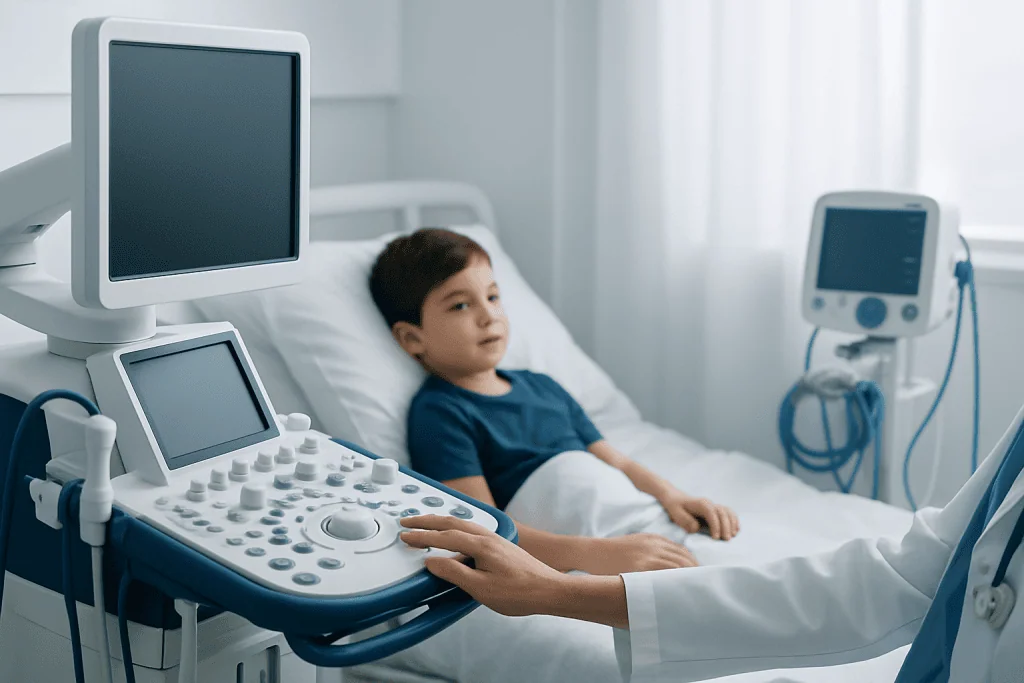
Pediatric services can range from basic preventive care to advanced specialty treatment. General pediatrics often includes newborn checks, growth monitoring, developmental screening, nutrition advice, common infection management, and ongoing care for issues such as asthma, allergies, or digestive symptoms. If needed, the pediatrician may also refer the child for more focused testing or subspecialty assessment.
Specialist pediatric care may involve fields such as pediatric cardiology, neurology, endocrinology, gastroenterology, pulmonology, hematology, oncology, nephrology, and orthopedics. Some children may need imaging studies, blood tests, genetic consultation, or inpatient observation. Others may require procedural or surgical care, depending on the diagnosis.
In some cases, children benefit from related support services as part of a wider treatment plan. These may include physical therapy and rehabilitation, nutrition counseling, speech and language therapy, or psychological support. If there are concerns about the brain or nervous system, evaluation through pediatric neurosurgery may be considered in selected situations, while children with blood or marrow disorders may need specialist review in pediatric bone marrow transplantation programs.
What International Families Can Expect at the Hospital

For many families, one of the main concerns is how the care process will work in a different country. Hospitals that regularly treat international patients often provide support before arrival, including appointment scheduling, review of medical records, cost planning, and interpreter coordination. On arrival, families may be guided through registration, consultation schedules, and practical details such as transportation and accommodation options.
During the clinical visit, the child is usually assessed in a family-centered way. The doctor may ask about symptoms, previous diagnoses, pregnancy and birth history, growth and development, medications, allergies, and vaccination records. Parents are typically encouraged to ask questions and discuss their preferences, concerns, and expectations. Clear communication is especially important in pediatrics because treatment decisions often involve both medical and family considerations.
Child-friendly hospitals may also be designed to reduce stress. Separate pediatric waiting areas, specially trained nurses, and age-appropriate communication can help children feel safer during examinations and tests. Near the end of the care journey, families are commonly given discharge instructions, medication guidance, and advice about follow-up after returning home.
How Diagnosis and Evaluation Are Usually Carried Out
Diagnosis in children often begins with a detailed medical history and physical examination. Because children may not always describe symptoms clearly, doctors rely heavily on parental observations, timing of symptoms, feeding patterns, sleep, school performance, and behavior changes. Growth charts, developmental milestones, and age-specific examination findings are also important.
Depending on the clinical problem, evaluation may include blood or urine tests, ultrasound, X-ray, MRI, CT, echocardiography, lung function testing, allergy testing, or endoscopy. Not every child will need extensive testing. In many cases, a careful pediatric assessment helps identify which investigations are most appropriate and which can be avoided.
If a child has a known or suspected complex condition, multidisciplinary review may be recommended. For example, a child with seizures, developmental delay, or movement concerns may also be assessed in the context of cerebral palsy or other neurological conditions. Likewise, repeated chest infections or chronic breathing symptoms may sometimes lead to further evaluation for conditions such as cystic fibrosis, depending on the child’s history and test results.
Treatment Options and Ongoing Care
Treatment in pediatrics depends on the child’s diagnosis, age, overall health, and the urgency of the problem. Some children need only reassurance, monitoring, or lifestyle guidance, while others may require medication, procedures, surgery, or longer-term multidisciplinary management. The treatment plan should be explained in a way that helps parents understand the expected benefits, possible risks, and follow-up needs.
In chronic conditions, treatment often focuses on improving quality of life, reducing symptoms, supporting development, and preventing complications. This may involve regular specialist reviews, laboratory monitoring, imaging, rehabilitation, or school-related support. Parents are usually advised on what changes to watch for at home and when to seek urgent medical help.
Children with serious or rare illnesses may need highly specialized care pathways. In these cases, the pediatric team may coordinate with surgeons, intensive care units, rehabilitation teams, and other subspecialists. Acibadem International’s multidisciplinary specialists in JCI-accredited hospitals diagnose and treat a wide range of pediatric conditions for international patients, with care plans tailored to each child’s needs.
Preparing for Travel and Your Child's Appointment
Good preparation can make a medical trip smoother and less stressful. Families are usually advised to gather the child’s medical records in advance, including clinic notes, discharge summaries, imaging reports, laboratory results, growth charts, vaccination history, and a current medication list. If possible, bringing original images on disc or secure digital copy can be helpful for specialist review.
It is also wise to prepare a short written timeline of the child’s symptoms and previous treatments. Parents may want to note when the problem started, what seems to make it better or worse, whether there is a family history of similar conditions, and any previous reactions to medicines. This kind of summary can save time and support more accurate assessment during the consultation.
Practical planning matters too. Families should ask about the expected length of stay, whether fasting is needed before tests, and whether the child may require hospital admission. Bringing comfort items, snacks if allowed, regular medications, and age-appropriate entertainment can help children cope better with travel and waiting times.
Safety, Follow-Up, and Questions to Ask
Parents should feel comfortable asking how decisions are made and what the next steps will be. Useful questions include: What is the most likely diagnosis? Are there alternatives? Which tests are necessary now? What treatment choices are available? How soon should improvement be expected? What side effects or warning signs should the family watch for?
Follow-up is an essential part of pediatric care, especially after surgery, a new diagnosis, or the start of long-term treatment. Some children can continue follow-up remotely for a period, while others may need repeat in-person reviews or coordination with a local doctor at home. Before leaving, families should make sure they understand the medication plan, school or activity restrictions, and any future appointment schedule.
Urgent medical attention is important if a child develops breathing difficulty, dehydration, seizures, severe pain, reduced responsiveness, persistent high fever, or any rapid worsening of symptoms. Even when traveling for planned care, families should know where to go in an emergency and keep all relevant medical documents easily available.
Frequently asked questions
What does pediatrics in Turkey include?
Pediatrics in Turkey includes routine child health visits, diagnostic testing, treatment of common and complex illnesses, and specialist care for infants, children, and adolescents. Depending on the hospital, services may also include pediatric surgery, rehabilitation, nutrition counseling, and developmental support.
Can international families access pediatric specialists in Turkey?
Yes, many hospitals in Turkey offer access to pediatric subspecialists as well as general pediatricians. Families often receive help with appointment coordination, medical record review, and interpreter services, especially in centers experienced with international patients.
What documents should parents bring for a child's medical visit?
Parents should usually bring previous medical reports, test results, imaging, vaccination records, a medication list, and information about allergies. A short summary of the child’s symptoms and treatment history can also be very helpful during the first consultation.
How are treatment decisions made for children?
Treatment decisions are generally based on the child’s diagnosis, age, symptoms, medical history, and overall development. Pediatric teams usually explain the available options to parents, including likely benefits, possible risks, and the follow-up required.
Is follow-up possible after returning home?
In many cases, yes. Some follow-up can be arranged through remote communication, while other situations may require coordination with the child’s local doctor or a return visit, depending on the condition and treatment received.
When should a child be seen urgently during travel for medical care?
A child should be seen urgently if there is trouble breathing, dehydration, seizures, severe pain, unusual sleepiness, reduced responsiveness, or a sudden worsening of symptoms. Parents should also seek prompt medical help for symptoms that feel significantly different from the child’s usual condition.
References
- World Health Organization
- UNICEF
- American Academy of Pediatrics
- Centers for Disease Control and Prevention
- European Academy of Paediatrics
This article is for general information only and is not a substitute for professional medical advice. Please consult a qualified doctor about your individual situation.
Explore treatments in Turkey — costs, top hospitals & a free quote
JCI-accredited · board-certified surgeons · reply within 24h
Add us as a Preferred Source to see more of our trusted health content across Google Search, AI Overviews and Discover.

Pediatrics
Complete healthcare for infants, children and adolescents across all sub-specialties.
232 specialists in this unitMore from the Health Library



Related Specialists

Assoc. Prof. Dr. Filiz Gülustan
Ear Nose & Throat
Fzt. Ömür Akgül
Physical Medicine & Rehabilitation
Prof. Dr. Meriç Şengöz
Radiation Oncology
Dr. Salim Sırrı Türker
Orthopedic Surgery & Traumatology